
Embarking on a journey from the vibrant heart of the American Midwest to the iconic capital of France is an exciting prospect for any traveler. Whether you’re planning a romantic getaway, a cultural exploration, or a business trip, understanding the logistics of your flight is paramount. The question, “How long is the flight from Chicago to Paris?” is often the first query for those contemplating this transatlantic adventure. While a straightforward answer exists for direct flights, several factors can influence the total travel time, turning a simple query into a deeper dive into the intricacies of international air travel. This guide aims to provide a comprehensive overview, from typical flight durations to navigating time zones and preparing for your arrival in the City of Light.

The Direct Flight Experience: Unpacking the Journey
For most travelers, a direct flight offers the most efficient way to traverse the vast distance between the United States and Europe. Eliminating the need for layovers not only reduces overall travel time but also mitigates the potential for missed connections and additional airport stress.
Typical Flight Duration and Factors Influencing It
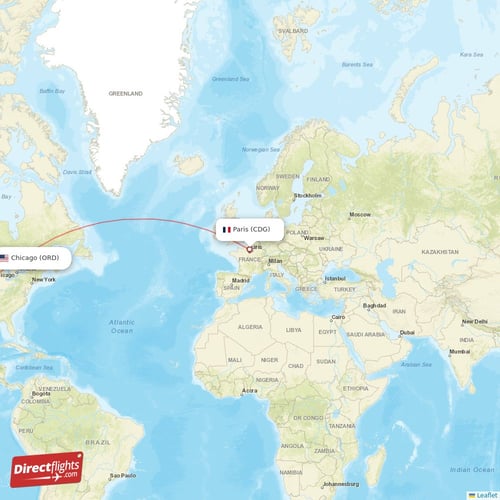
A direct flight from Chicago to Paris generally spans approximately 7 to 8 hours. However, this figure is an average and can fluctuate based on several variables:
- Aircraft Type: Modern aircraft, such as the Boeing 787 Dreamliner or Airbus A350/A330, are designed for long-haul efficiency, often contributing to slightly shorter flight times due to optimized cruising speeds and routes. Older models might take a little longer.
- Wind Conditions (Jet Stream): The powerful jet stream, a band of strong winds high in the atmosphere, significantly impacts transatlantic flights. Flights traveling eastbound (e.g., from Chicago to Paris) can often “ride” the jet stream, resulting in a tailwind that shaves off valuable minutes, sometimes even an hour. Conversely, westbound flights (from Paris to Chicago) often face headwinds, which can extend the journey by an hour or more. This is why a return flight might seem longer.
- Air Traffic Control and Route Optimization: Airlines and air traffic controllers continuously optimize flight paths for efficiency, taking into account weather patterns, restricted airspace, and congestion. Minor deviations for these reasons can slightly alter the estimated arrival time.
- Gate-to-Gate Time: The stated flight time usually refers to airborne time. However, the total experience also includes taxiing to and from the gate, which can add 15-30 minutes on both ends, especially at busy hubs like O’Hare International Airport or Charles de Gaulle Airport.
Major Airlines Operating the Route
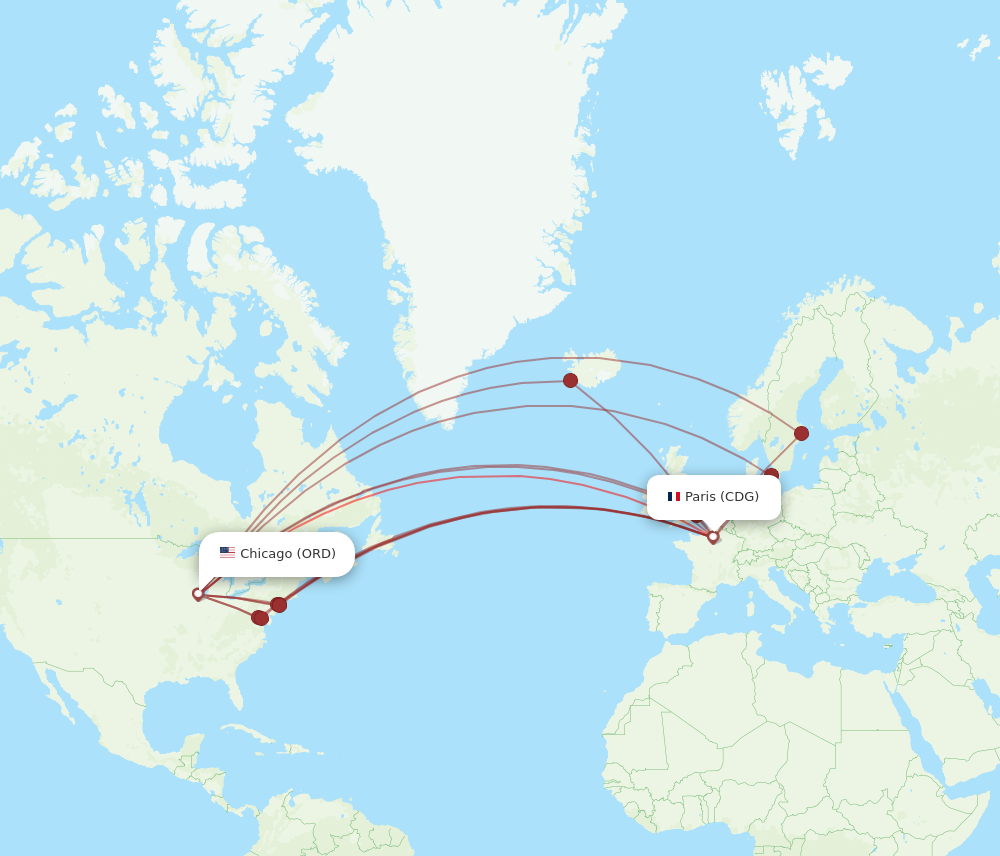
Several major international carriers offer direct services between Chicago and Paris, ensuring competitive pricing and a range of service options. These airlines typically depart from O’Hare International Airport (ORD) in Chicago and arrive at Charles de Gaulle Airport (CDG) in Paris. While Orly Airport (ORY) also serves Paris, it’s less common for direct long-haul flights from the US.
Key airlines on this route include:
- United Airlines: A major US carrier offering daily direct flights.
- American Airlines: Another prominent US airline with regular direct services.
- Air France: France’s flag carrier, providing an authentic French experience from the moment you board.
- Delta Air Lines: While not always direct from Chicago, Delta offers extensive connecting options and codeshares that could make it part of your itinerary.
Checking flight aggregators and individual airline websites for the most current schedules and pricing is always recommended.
Navigating Time Zones and Jet Lag
While the flight duration provides a clear metric for time spent in the air, the true impact of transatlantic travel often comes down to the considerable time difference between Chicago and Paris.
Understanding the Time Difference
Chicago operates on the Central Time Zone (CST/CDT), while Paris observes the Central European Time Zone (CET/CEST). During most of the year, there is a 7-hour difference between the two cities. For example, when it’s 1:00 PM in Chicago, it’s 8:00 PM in Paris.
This significant jump forward in time is the primary cause of jet lag. A flight departing Chicago in the late afternoon or early evening will arrive in Paris the following morning, local time. This can feel disorienting, as your body clock will still be on Chicago time, potentially expecting sleep when Paris is already well into its day.
Strategies for Minimizing Jet Lag
Combating jet lag is crucial for enjoying your trip from the moment you land. Here are some effective strategies:
- Pre-Flight Adjustment: A few days before your trip, try to gradually shift your sleep schedule closer to Paris time. Go to bed and wake up an hour or two earlier each day.
- Stay Hydrated and Avoid Dehydration: Drink plenty of water before, during, and after your flight. The dry cabin air can exacerbate jet lag symptoms. Limit alcohol and caffeine, as they can disrupt sleep and contribute to dehydration.
- Adjust to Local Time Immediately: As soon as you board the plane, set your watch to Paris time. Try to eat and sleep according to your destination’s schedule. Upon arrival, resist the urge to nap for too long during the day. Push through until a reasonable bedtime in Paris.
- Embrace Natural Light: Exposure to natural sunlight helps regulate your circadian rhythm. Spend time outdoors during the day in Paris to signal to your body that it’s daytime.
- Consider Melatonin: Some travelers find melatonin supplements helpful for resetting their sleep cycle, especially on eastbound flights. Consult with a doctor before use.
- Exercise and Movement: Engage in light exercise during your trip. Gentle stretching and walking can improve circulation and reduce fatigue.
What to Expect Onboard and During Transit
A long-haul flight is more than just transportation; it’s a significant portion of your travel experience. Knowing what to expect can help you prepare and make the journey more comfortable.
In-Flight Amenities and Services
Airlines operating the Chicago to Paris route typically offer a range of amenities designed to make your journey pleasant:
- Meal Services: Expect at least two full meals, usually dinner shortly after takeoff and breakfast before landing, along with snacks and beverages throughout the flight. Special meal requests (vegetarian, vegan, gluten-free, etc.) are usually available if ordered in advance.
- In-Flight Entertainment (IFE): Most modern aircraft feature seat-back screens offering a wide selection of movies, TV shows, music, and games. This is your best friend for passing the hours.
- Wi-Fi Availability: Many airlines now offer onboard Wi-Fi, often for a fee. While it can be slower than ground-based internet, it allows you to stay connected or get some work done.
- Comfort Considerations: While economy class seats are not known for their spaciousness, airlines do provide blankets and pillows. Consider upgrading to premium economy, business, or first class for significantly more legroom, recline, and enhanced services if your budget allows.
Preparing for a Long-Haul Journey
Thoughtful preparation can transform a long flight from a chore into a more enjoyable experience:
- Pack a Comfort Kit: A neck pillow, eye mask, and earplugs or noise-canceling headphones are indispensable for sleep and relaxation. Bring a warm layer, as cabin temperatures can fluctuate.
- Stay Active: To prevent stiffness and improve circulation, get up and walk around the cabin periodically. Perform simple stretching exercises in your seat.
- Personal Entertainment: While in-flight entertainment is usually plentiful, it’s wise to bring your own downloaded movies, e-books, or podcasts on a tablet or smartphone, especially if you have specific preferences or if the IFE system encounters issues.
- Essential Documents: Keep your passport, flight tickets, and any necessary visa documents (such as the upcoming ETIAS for Europe travel) easily accessible.
- Medication and Toiletries: Pack any essential medications in your carry-on. Small travel-sized toiletries (toothbrush, toothpaste, moisturizer) can help you feel refreshed.
Connecting Flights: An Alternative Route
While direct flights are preferred for their speed, connecting flights are a common reality for many travelers, often due to cost savings or specific scheduling needs.
Pros and Cons of Layover Options
Choosing a flight with a layover introduces both advantages and disadvantages:
- Pros:
- Cost Savings: Connecting flights are often significantly cheaper than direct routes, especially if you book in advance or are flexible with your travel dates.
- Breaking Up the Journey: For some, a layover offers a welcome break to stretch, grab a fresh meal, or even briefly explore an airport city, mitigating the intensity of a single long flight.
- More Route Options: Connecting flights open up a wider array of airlines and departure/arrival times.
- Cons:
- Increased Travel Time: A connecting flight will invariably extend your total travel time, sometimes by several hours.
- Risk of Missed Connections: Delays on the first leg of your journey can lead to missed connections, especially if layover times are short.
- Added Stress: Navigating additional airports, going through security again, and the potential for lost luggage can add stress.
Common layover hubs for flights from the US to Paris include major European cities like Dublin, London, Amsterdam, and Frankfurt, as well as other US hubs like New York or Atlanta.
Maximizing Your Layover
If you opt for a connecting flight, a bit of planning can make the experience smoother:
- Choose Wisely: Select airports known for their efficiency and amenities. Some airports offer fantastic shopping, dining, and even short tours or relaxation zones.
- Allow Sufficient Time: Ensure a layover of at least 2-3 hours for international connections to account for potential delays, navigating large airports, and customs/security processes. A shorter layover is risky, while an excessively long one can be tedious.
- Consider a “Stopover”: If time permits and your visa allows, a longer stopover (e.g., 24 hours or more) in a connecting city can turn into an additional mini-trip, adding another destination to your itinerary.
Planning Your Arrival in Paris
After hours in the air, the first moments in Paris are crucial for setting the tone of your trip. Knowing how to navigate from the airport to the city center and what to prioritize upon arrival will ease your transition.
From Airport to City Centre
Charles de Gaulle Airport (CDG) is well-connected to central Paris by several modes of transport:
- RER B Train: This commuter train is often the quickest and most cost-effective option. It connects CDG directly to key stations in central Paris, such as Gare du Nord, Châtelet-Les Halles, and Saint-Michel – Notre-Dame. The journey takes approximately 30-45 minutes.
- Roissybus: This express bus service runs between all CDG terminals and Opéra in central Paris. Travel time is around 60-75 minutes, depending on traffic.
- Le Bus Direct: (formerly Cars Air France) These coaches offer direct routes to various parts of Paris, including Montparnasse and Gare de Lyon. They offer more comfort than public buses but are more expensive.
- Taxis and Ride-Sharing: Taxis are readily available outside each terminal. Paris taxis from CDG to destinations within the city’s central ring roads operate on a flat fare. Ride-sharing services like Uber are also options.
If you arrive at Orly Airport (ORY), you can take the Orlyval light rail to connect with the RER B train at Antony station, or use the Orlybus to Denfert-Rochereau. Taxis also operate on a flat fare from ORY to central Paris.
Essential First Steps in the City of Light
Once you’ve arrived in Paris, a few initial steps can smooth your entry:
- Check into Accommodation: Head directly to your hotel, apartment, or villa. Freshen up and drop off your luggage. If your room isn’t ready, most establishments will store your bags.
- Connectivity: Consider purchasing a local SIM card or activating an eSIM for your phone to ensure you have data and communication capabilities. This is invaluable for navigation and staying connected.
- Understand Local Transportation: Familiarize yourself with the Paris Metro system. It’s efficient, extensive, and the best way to get around the city. Purchase a Navigo Découverte pass or single tickets depending on your length of stay and planned usage.
- First Impressions: Even if you’re battling jet lag, try to embrace your first moments. A short walk, a coffee at a local café, or a quick glimpse of an iconic landmark like the Eiffel Tower or the Louvre Museum can be incredibly invigorating and a memorable start to your Parisian adventure.
The flight from Chicago to Paris is a significant transatlantic journey, typically lasting 7-8 hours for a direct route. While the duration is manageable, proper planning for jet lag, comfortable travel, and efficient airport transfers will ensure a smooth and enjoyable start to your exploration of France’s captivating capital. Safe travels!
LifeOutOfTheBox is a participant in the Amazon Services LLC Associates Program, an affiliate advertising program designed to provide a means for sites to earn advertising fees by advertising and linking to Amazon.com. Amazon, the Amazon logo, AmazonSupply, and the AmazonSupply logo are trademarks of Amazon.com, Inc. or its affiliates. As an Amazon Associate we earn affiliate commissions from qualifying purchases.