
Embarking on a journey from Chicago, USA, to the vibrant landscapes of Thailand is an exciting prospect, but one question invariably arises: how long will it take to get there? Given the vast geographical distance spanning nearly half the globe, this is a significant long-haul flight. Understanding the duration, factors influencing it, and what to expect can greatly enhance your travel planning and overall experience. While no direct commercial flights typically connect Chicago directly to Thailand, the journey is entirely manageable with one or two well-planned layovers.
Understanding the Journey: Factors Affecting Flight Duration
The total travel time from Chicago to Thailand is not merely a calculation of flight miles and aircraft speed. Several critical factors contribute to the overall duration, making it a complex logistical puzzle that airlines optimize for efficiency and passenger comfort.
Direct vs. Connecting Flights
As mentioned, there are generally no non-stop commercial flights from Chicago (O’Hare International Airport or Midway International Airport) to Thailand. This means that all travelers will need to take at least one connecting flight, and often two, to reach their final destination in Southeast Asia. A flight with a single, well-timed layover will always be significantly shorter in total elapsed time than one with multiple stops or overly long layovers. The initial flight from Chicago typically heads either west across the Pacific Ocean to a major Asian hub or east across the Atlantic Ocean to a Middle Eastern or European hub before continuing to Thailand. The choice of route often dictates the length of the first leg and the subsequent connecting flight.
Layover Locations and Lengths
The location and duration of your layover play a paramount role in the overall travel time. Common layover cities for flights from North America to Southeast Asia include major hubs like Tokyo (Narita International Airport or Haneda Airport), Seoul (Incheon International Airport), Taipei (Taiwan Taoyuan International Airport), Hong Kong (Hong Kong International Airport), Doha (Hamad International Airport), and Dubai (Dubai International Airport). European hubs like Istanbul (Istanbul Airport) are also options, though typically result in longer overall journeys due to the extra distance. A shorter layover, ideally between 2-4 hours, allows for sufficient time to deplane, clear security if needed, and board the next flight without excessive waiting. However, layovers that are too short risk missing connections, while those that are too long can add many hours to your total journey, sometimes extending it by an entire day.
Aircraft Type and Speed
While commercial passenger jets fly within a relatively narrow speed range, differences in aircraft models can subtly affect flight times. Larger, more modern long-haul aircraft like the Boeing 787 Dreamliner or Airbus A350 are designed for fuel efficiency and longer ranges, often enabling more direct routes over geographical obstacles compared to older models. These aircraft are also equipped with advanced navigation systems that can help pilots optimize routes for speed and comfort, taking advantage of favorable winds.
Air Routes and Headwinds
The specific flight path taken by an aircraft is not always a straight line. Air traffic control, weather patterns, and the prevailing winds all influence the route. Particularly for westbound flights across the Pacific Ocean from North America to Asia, strong headwinds can significantly increase flight duration. Conversely, tailwinds can shorten the journey. Airlines constantly monitor these conditions and adjust flight plans to optimize for time and fuel consumption, but these meteorological factors can cause slight variations in advertised flight times.
Typical Flight Durations to Thailand from Chicago
When planning your trip to Thailand, understanding the average flight durations to its primary international gateways is essential. The most common arrival points are Bangkok, Phuket, and Chiang Mai.
Flights to Bangkok (Suvarnabhumi Airport BKK)
Bangkok, served primarily by Suvarnabhumi Airport (BKK), is the most common entry point for international travelers to Thailand. A flight from Chicago to Bangkok with a single, efficient layover typically ranges from 19 to 24 hours of total elapsed time. This includes both the actual flight time and a reasonable layover (2-4 hours).
- One-stop flights often involve layovers in major Asian hubs like Tokyo, Seoul, or Taipei.
- Flights via Middle Eastern hubs like Doha or Dubai can sometimes push the upper end of this range, around 22-26 hours, due to the longer overall distance covered.
- Flights with two stops, or one very long layover, can easily extend to 26-30 hours or more.
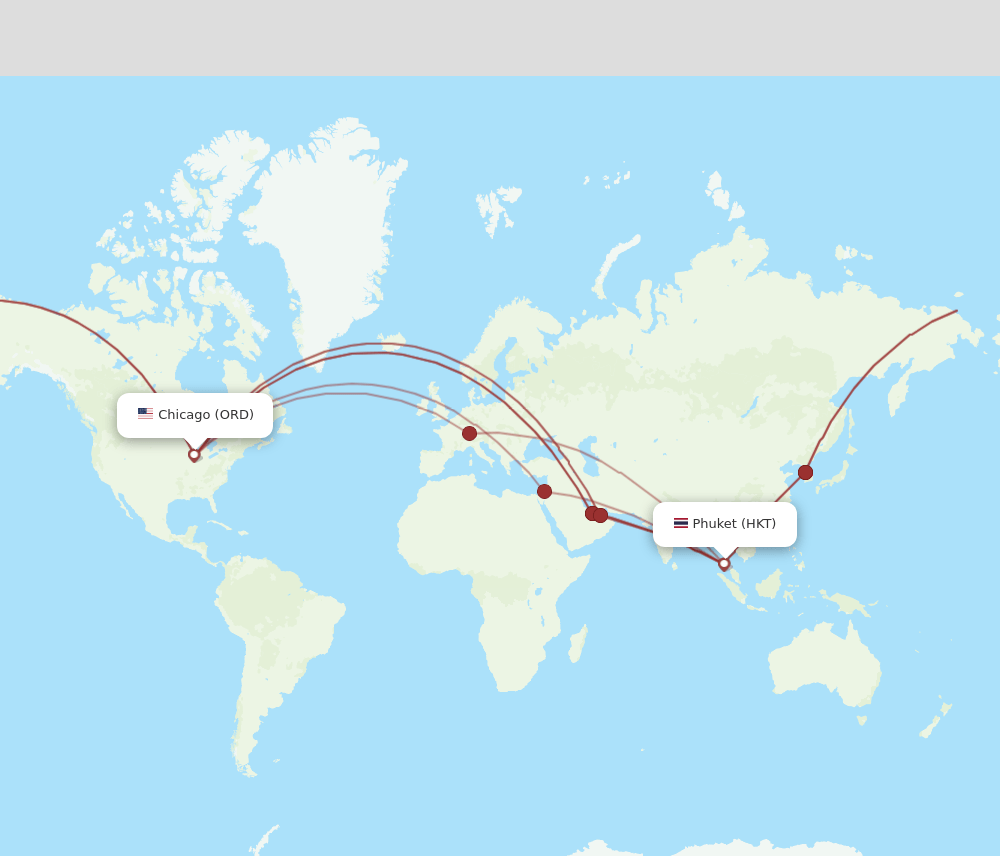
Flights to Phuket (Phuket International Airport HKT)
For travelers heading directly to Thailand’s southern beaches and islands, Phuket International Airport (HKT) is the main gateway. The total travel time from Chicago to Phuket is generally slightly longer than to Bangkok as it often requires an additional connecting flight from Bangkok or another major Asian hub. Expect a total journey time of 22 to 28 hours with one or two stops.
- Many itineraries involve a stop in a major Asian city (e.g., Seoul, Tokyo, Hong Kong) followed by a direct flight to Phuket, or a connection through Bangkok.
- The additional leg from Bangkok to Phuket typically adds another 1.5 hours of flight time plus connecting time.
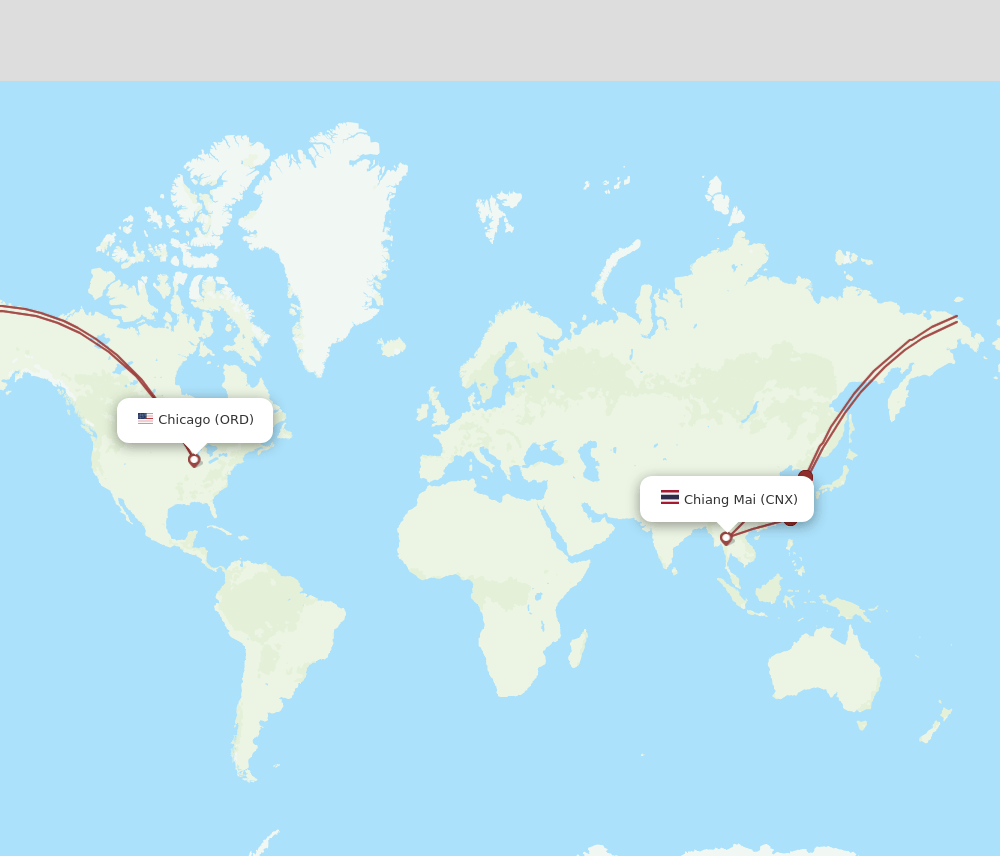
Flights to Chiang Mai (Chiang Mai International Airport CNX)
Chiang Mai in northern Thailand, accessed via Chiang Mai International Airport (CNX), is another popular destination. Similar to Phuket, most flights from Chicago to Chiang Mai will involve at least two stops or one stop in an Asian hub followed by a domestic connection within Thailand. The typical total travel time ranges from 22 to 28 hours.
- The most common route is to fly to Bangkok first, then connect to a domestic flight to Chiang Mai.
- Some airlines offer itineraries with a single layover in an Asian hub like Seoul or Taipei, directly connecting to Chiang Mai, but these are less frequent than routes to Bangkok.
Major Airlines and Routes
Several reputable airlines facilitate travel from Chicago to Thailand, offering various routes and service levels. The choice of airline often influences the layover location and the overall flight experience.
North American Carriers
Major North American airlines such as United Airlines, American Airlines, and Delta Air Lines operate extensive networks from Chicago. They typically fly to their own major hubs on the West Coast (e.g., San Francisco, Los Angeles, Seattle) or partner hubs in Asia.
- United Airlines: Often routes through its hub in San Francisco or Los Angeles, then connects with partners like ANA All Nippon Airways or EVA Air via Tokyo or Taipei.
- American Airlines: Typically connects through its Dallas Fort Worth hub or Los Angeles, then partners with airlines like Japan Airlines via Tokyo or Cathay Pacific via Hong Kong.
- Delta Air Lines: Routes through its Seattle or Detroit hubs, often connecting with Korean Air via Seoul or EVA Air via Taipei.
Asian and Middle Eastern Carriers
Many travelers opt for airlines based in Asia or the Middle East due to their renowned service and extensive networks to Southeast Asia.
- EVA Air: Highly regarded, offering routes via Taipei with excellent connections to Bangkok.
- Korean Air: Routes via Seoul’s Incheon International Airport, known for its efficiency and extensive connectivity throughout Asia.
- ANA All Nippon Airways / Japan Airlines: Both offer routes via Tokyo (Narita or Haneda), providing seamless connections to Thailand.
- Cathay Pacific: Routes via Hong Kong International Airport, a major hub for onward flights to Bangkok, Phuket, and Chiang Mai.
- Qatar Airways / Emirates / Turkish Airlines: These Middle Eastern and European carriers provide excellent service via their hubs in Doha, Dubai, and Istanbul respectively. While the total travel time might be slightly longer due to the route, they often offer competitive pricing and superior inflight experiences.
Tips for a Long-Haul Flight from Chicago to Thailand
A journey of 20+ hours requires thoughtful preparation to ensure comfort and minimize the effects of travel fatigue and jet lag.
Pre-Flight Preparation
Before you even step on the plane, strategic planning can make a significant difference. Select your seats wisely; aisle seats offer more freedom of movement, while window seats provide a resting spot for your head and fewer disturbances. Pack a small carry-on bag with essentials like a travel pillow, eye mask, earplugs or noise-canceling headphones, and any personal medications. Dress in comfortable, loose-fitting clothing and wear compression socks to promote circulation. Hydrate well in the days leading up to your flight, and try to adjust your sleep schedule gradually towards your destination’s time zone if possible.
During the Flight Comfort
Once airborne, make the most of your journey. Stay hydrated by drinking plenty of water and avoiding excessive caffeine and alcohol. Get up and move around the cabin every few hours to stretch your legs and prevent stiffness. Perform simple in-seat exercises to keep blood flowing. Utilize the in-flight entertainment system, but also consider disconnecting for periods to rest your eyes. If possible, try to sleep during the flight, especially during the hours that would correspond to nighttime at your destination. A good neck pillow and eye mask are invaluable for this.
Managing Jet Lag
Jet lag is an inevitable part of traveling across so many time zones. To mitigate its effects upon arrival in Thailand:
- Adjust Immediately: As soon as you board your final flight leg to Thailand, set your watch to Thai time.
- Seek Sunlight: Upon arrival, expose yourself to natural light as much as possible, especially in the morning, to help reset your circadian rhythm.
- Stay Active: Engage in light activities and explore your surroundings. Avoid the temptation to nap extensively during the day.
- Eat and Sleep According to Local Time: Try to eat meals at local times, even if you’re not particularly hungry, and aim to sleep when it’s nighttime in Thailand.
- Stay Hydrated: Continue to drink plenty of water to combat dehydration, which can worsen jet lag symptoms.
Planning Your Thai Adventure Beyond the Flight
While the flight is a significant part of the journey, the real adventure begins upon arrival. Thailand offers a rich tapestry of experiences, from bustling cities to serene beaches and ancient temples.
Popular Entry Points and Their Charms
Each major airport in Thailand serves as a gateway to distinct regions:
- Bangkok: A sprawling metropolis, Bangkok is a sensory feast with its magnificent temples, vibrant street markets, and modern skyscrapers. It serves as an excellent starting point for exploring central Thailand and is a hub for onward domestic travel.
- Phuket: The largest island in Thailand, Phuket is renowned for its stunning beaches, clear waters, and lively nightlife. It’s the perfect base for island hopping to destinations like Phi Phi Islands and James Bond Island.
- Chiang Mai: Nestled in the mountains of northern Thailand, this city offers a more relaxed pace with a rich cultural heritage. Visitors can explore ancient temples, ethical elephant sanctuaries, and lush national parks.

Connecting Within Thailand
Once you’ve arrived at your initial Thai destination, local connections are generally efficient and affordable. Domestic flights are operated by carriers like Thai Airways, Bangkok Airways, and various budget airlines, connecting major cities and islands. Additionally, an extensive network of trains and buses provides ground transportation for further exploration, allowing you to seamlessly transition from your long international flight to the diverse experiences awaiting you in the Land of Smiles.
In conclusion, while the flight from Chicago to Thailand is a significant undertaking, careful planning and an understanding of the journey’s intricacies can make it a comfortable and manageable part of your unforgettable Thai adventure. Expect total travel times ranging from 19 to 28 hours, depending on your destination within Thailand and the efficiency of your chosen layovers.
LifeOutOfTheBox is a participant in the Amazon Services LLC Associates Program, an affiliate advertising program designed to provide a means for sites to earn advertising fees by advertising and linking to Amazon.com. Amazon, the Amazon logo, AmazonSupply, and the AmazonSupply logo are trademarks of Amazon.com, Inc. or its affiliates. As an Amazon Associate we earn affiliate commissions from qualifying purchases.