
Embarking on a journey from the sprawling urban landscape of Dallas, Texas, to the vibrant, sun-drenched shores of Miami, Florida, is a common route for both business travelers and vacationers seeking a change of scenery. One of the most fundamental questions travelers ask when planning this trip is, “How long is the flight?” While the simple answer for a direct flight hovers around 2 hours and 45 minutes to 3 hours and 15 minutes, the full picture involves several variables that can significantly influence your overall travel time. From the specific airport you depart from, the airline you choose, the presence of layovers, and even atmospheric conditions, understanding these factors is key to planning a seamless and stress-free journey. This comprehensive guide will delve into the intricacies of flying between these two major United States cities, ensuring you’re well-equipped with the knowledge to make informed travel decisions.
Understanding the Core Flight Duration
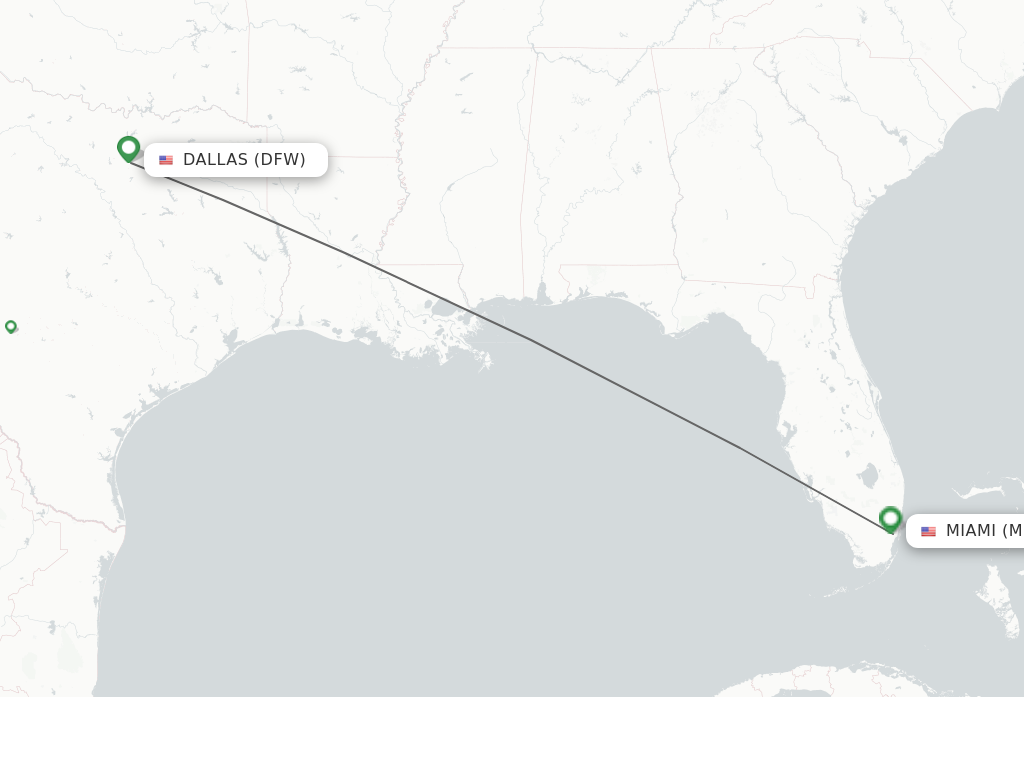
The actual time an aircraft spends in the air between Dallas and Miami is relatively consistent for direct routes. This “block time” is what most airlines quote and accounts for taxiing, takeoff, flight, and landing. However, even direct flights can experience slight variations.
Direct Flights: The Fastest Route
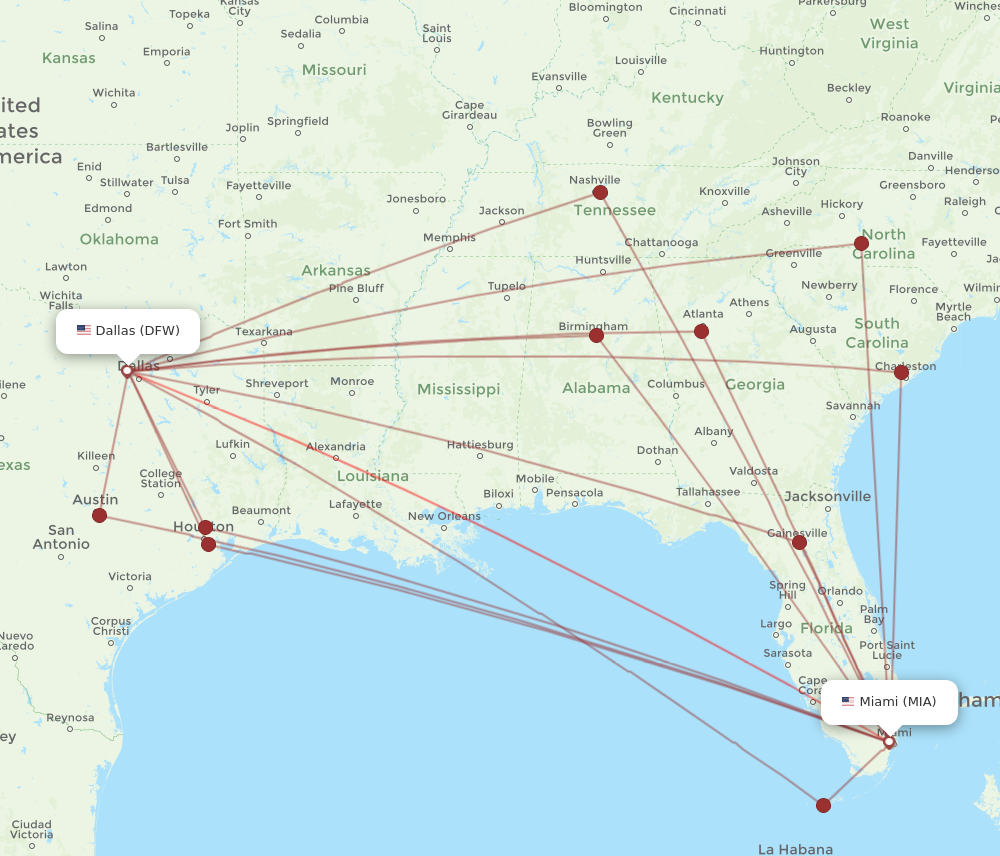
For those prioritizing speed and convenience, direct flights are undoubtedly the optimal choice. Major airlines operate numerous daily non-stop services connecting Dallas and Miami. The primary airports involved are Dallas/Fort Worth International Airport (DFW) and Miami International Airport (MIA). Another option for departing from Dallas is Dallas Love Field (DAL), though flights from DAL might have slightly different routings or fewer direct options to Miami compared to DFW.
Airlines frequently offering direct flights on this route include American Airlines (a major hub at DFW) and Southwest Airlines (a significant presence at DAL). The average flight time for a direct journey typically falls within 2 hours and 45 minutes to 3 hours and 15 minutes. This duration covers the air distance of approximately 1,120 to 1,130 miles (about 1,800 kilometers) between the two cities.
Factors Influencing Non-Stop Times
Even for direct flights, a few elements can subtly alter the stated flight duration:
- Aircraft Type: Newer, more fuel-efficient jets can sometimes maintain higher cruising speeds or more direct routes, slightly shaving off minutes. However, for a route of this length, the impact is usually minimal.
- Air Traffic Control (ATC): Busy airspaces around both DFW/DAL and MIA, especially during peak travel times, can lead to delays in takeoff clearance, holding patterns before landing, or more circuitous routing instructions from ATC, adding a few minutes to the total flight time.
- Weather Conditions: Strong head- or tailwinds play a significant role. Flying against a strong headwind will increase flight duration, while a tailwind can shorten it. Severe weather at either departure or arrival airport can also cause delays or require rerouting.
- Route Optimization: Airlines continuously optimize flight paths based on weather, air traffic, and fuel efficiency. Minor adjustments to the flight path can result in slight variations in flight time.
Therefore, while a 2-hour-55-minute flight is a good estimate, it’s wise to budget for the upper end of the range, especially if you have tight connections or appointments upon arrival.
Navigating Connecting Flights
While direct flights are the quickest, they may not always be the most economical or convenient, depending on your travel dates and booking lead time. Connecting flights, which involve one or more layovers, are a common alternative. However, they significantly extend the overall travel time.
Common Layover Hubs and Their Impact
When flying from Dallas to Miami with a layover, you’ll typically pass through major airline hubs. Some of the most common cities for connections include:
- Atlanta (ATL): Delta Air Lines’s mega-hub, often sees many connections.
- Charlotte (CLT): A major hub for American Airlines.
- Houston (IAH): A primary hub for United Airlines, though Houston is relatively close to Dallas, making it a less common but still possible connection point for this specific route.
- Orlando (MCO): Sometimes used for connections, especially by budget carriers.
The impact of a layover on your total travel time can be substantial. A typical layover can range from 1 hour to 4 hours, but longer waits of 6-8 hours or even overnight layovers are not uncommon, especially if you’re selecting a flight with a lower fare. This means a journey that’s under 3 hours in the air could easily stretch to 5-8 hours or more from initial departure to final arrival with a single connection. Flights with two layovers, while less common for this specific route, could push total travel time well beyond 10 hours.
Strategies for Minimizing Connection Time
If you opt for a connecting flight but wish to minimize the overall journey length, consider these strategies:
- Choose flights with short, but realistic, layovers: Look for layovers between 60 to 90 minutes. Anything shorter increases the risk of missing your connection due to delays. Longer than 2 hours might mean unnecessary waiting.
- Stick to a single airline or alliance: This often ensures that your connecting flights depart from the same terminal or nearby gates, reducing the need for extensive airport transfers. It also simplifies rebooking if a delay occurs.
- Check airport layouts: Before booking, a quick search of the connecting airport’s layout can give you an idea of how easy it is to navigate between gates.
- Avoid peak travel times for connections: Early morning or late-night connections might encounter fewer delays than those during the busiest midday hours.
While connecting flights offer flexibility and potentially lower costs, they demand a trade-off in time and can introduce additional stress points due to potential delays.
Beyond the Air: Total Travel Time Considerations
It’s crucial to distinguish between “flight time” (wheels up to wheels down) and “total travel time” (door-to-door). Many travelers underestimate the latter, leading to rushed experiences or missed appointments.
Airport Arrival and Security Checkpoints
Before you even step on the plane, significant time is spent at the airport. For domestic flights within the United States, the general recommendation is to arrive at least 2 hours prior to your scheduled departure time. This buffer allows for:
- Check-in: If you need to check bags or print a boarding pass.
- Security Screening: This is often the most unpredictable element. Lines at DFW, DAL, and MIA can vary significantly based on the time of day, day of the week, and current security threat levels. Utilizing TSA PreCheck or Clear can drastically reduce this time, but standard lines can take 30 minutes to over an hour during peak periods.
- Walking to Gate: Major airports like DFW and MIA are vast, and walking from security to your gate can take 15-20 minutes, sometimes more if you’re in a far-flung terminal or need to use an internal train system.
- Boarding: Airlines typically begin boarding 30-45 minutes before departure, and you need to be at the gate before the doors close.
Factoring in these pre-flight activities, your actual time spent at the airport before takeoff easily adds 1.5 to 2.5 hours to your journey.
Ground Transportation at Both Ends
The journey doesn’t end when your plane touches down. Getting from the airport to your final destination in Miami (or vice versa in Dallas) requires additional time and planning.
- Deplaning: It can take 5-15 minutes to deplane, especially if you’re seated towards the back of the aircraft.
- Baggage Claim: If you checked bags, waiting for them can add another 15-30 minutes.
- Ground Transportation Access: Navigating to taxi stands, ride-share pick-up zones (Uber, Lyft), rental car counters, or public transit can take time.
- Travel to Destination:
- From DFW/DAL to Downtown Dallas: Depending on traffic, this can be 25-45 minutes.
- From MIA to South Beach or Downtown Miami: Without traffic, about 20-30 minutes, but during rush hour, it can easily stretch to 45 minutes to over an hour, especially heading towards popular areas like the Art Deco Historic District or other points in South Florida.
Considering these elements, your total travel time from the moment you leave your home or office in Dallas until you arrive at your accommodation in Miami could realistically be anywhere from 5-7 hours for a direct flight, and significantly longer for connecting flights.
Choosing Your Ideal Flight Experience
Deciding on the best flight from Dallas to Miami involves weighing various factors beyond just the in-air duration.
Balancing Cost, Convenience, and Comfort
- Cost: Direct flights are often, but not always, more expensive than connecting flights, especially if booked last minute. Budget airlines operating from Dallas Love Field might offer competitive direct fares, while major carriers from Dallas/Fort Worth International Airport might offer a wider range of flight times.
- Convenience: A direct flight is inherently more convenient, minimizing airport time and the risk of missed connections. This is particularly valuable for business travelers or families with young children.
- Comfort: Longer travel days due to layovers can be more tiring. If comfort is a priority, investing in a direct flight or a flight with a reasonable layover might be worth the extra cost. Additionally, consider airline amenities, seat pitch, and baggage allowances when making your choice. Some travelers might even consider flying into Fort Lauderdale-Hollywood International Airport (FLL) as an alternative to MIA if fares are significantly lower, accepting the additional ground travel time from Fort Lauderdale to Miami.
Best Times to Fly Between Dallas and Miami
The “best” time to fly depends on your priorities:
- For Lowest Fares: Generally, mid-week flights (Tuesday, Wednesday) and off-season travel (e.g., late summer/early fall, excluding holidays) tend to offer lower prices. Booking several weeks or months in advance also helps.
- For Smooth Travel: Early morning flights are often recommended as they are less susceptible to cascading delays throughout the day. Late-night flights can also be less crowded. Avoiding peak holiday periods and major events in either city will lead to a more relaxed airport experience.
- For Business Travelers: Direct flights during business hours, allowing for a morning departure and afternoon arrival, are usually preferred.
- For Leisure Travelers: Flexibility in travel dates can unlock better deals and less crowded flights, allowing for a more relaxed start to your vacation.
In conclusion, while the direct flight time from Dallas to Miami is a manageable 2.5 to 3.25 hours, a realistic approach to travel planning requires considering all the variables. By factoring in airport processing, potential layovers, and ground transportation, you can accurately estimate your total journey time and ensure a smooth transition from the heart of Texas to the sunshine of South Florida. Always check current flight schedules, traffic conditions, and airport security wait times closer to your travel date for the most up-to-date information.
LifeOutOfTheBox is a participant in the Amazon Services LLC Associates Program, an affiliate advertising program designed to provide a means for sites to earn advertising fees by advertising and linking to Amazon.com. Amazon, the Amazon logo, AmazonSupply, and the AmazonSupply logo are trademarks of Amazon.com, Inc. or its affiliates. As an Amazon Associate we earn affiliate commissions from qualifying purchases.