
The question of how long a flight from Dallas to New York will take is a common one for travelers. While seemingly straightforward, the answer is nuanced, involving a blend of flight duration, airline specifics, and logistical considerations. Understanding these factors is crucial for efficient travel planning, whether you’re embarking on a business trip, a leisurely vacation, or a brief visit to see friends and family. This guide delves into the typical flight times, explores the variables that influence them, and offers insights into optimizing your journey between these two major metropolises.

Understanding Standard Flight Durations
The flight from Dallas to New York is a relatively short domestic hop across the United States. However, “short” can still mean a significant chunk of your day, and knowing the expected duration helps in scheduling connecting flights, arranging ground transportation, and managing expectations.
Direct Flights: The Fastest Route
For most travelers seeking efficiency, a direct flight is the preferred option. These flights take you from your departure airport in the Dallas area to your chosen airport in the New York metropolitan area without any stops. The typical flight time for a non-stop service between these two cities generally falls within a specific range.
On average, a direct flight from Dallas/Fort Worth International Airport (DFW) or Dallas Love Field (DAL) to one of New York’s major airports – such as John F. Kennedy International Airport (JFK), LaGuardia Airport (LGA), or Newark Liberty International Airport (EWR) – is approximately 3 hours and 30 minutes to 4 hours. This duration is primarily dictated by the distance and the cruising speed of the aircraft.
It’s important to remember that this is the airborne time. The total travel time will be considerably longer when factoring in getting to the airport, check-in procedures, security, boarding, deplaning, and traveling from the arrival airport to your final destination in New York.
Factors Influencing Flight Time
While a direct flight offers a predictable airborne duration, several factors can cause this time to fluctuate. Understanding these variables can help you better interpret flight schedules and prepare for potential delays or early arrivals.
Tailwinds and Headwinds
The most significant natural factor influencing flight time is the jet stream. Flights traveling eastward from Dallas to New York often benefit from tailwinds, which are winds blowing in the same direction as the aircraft. These tailwinds can significantly shorten the flight duration, sometimes by as much as 15-30 minutes. Conversely, headwinds, blowing against the direction of travel, can extend the flight time. The strength and direction of the jet stream are not constant, making daily flight times vary.
Aircraft Type and Speed
Different aircraft have varying cruising speeds. Larger, more modern jets might fly slightly faster than older or smaller models. While the difference might not be dramatic on a domestic route, it can contribute to minor variations in flight duration as advertised by different airlines or for specific flight numbers. For example, a Boeing 777 might have a slightly different cruising speed compared to a Boeing 737.
Air Traffic and Airport Congestion
Airports, especially busy hubs like those in New York, often experience significant air traffic. Air traffic control might direct aircraft to hold patterns in the air or take longer routes to manage congestion on the ground and in the air. This can add minutes, or sometimes even longer, to the flight time, particularly during peak travel periods or adverse weather conditions affecting air traffic flow.
Weather Conditions
Beyond the jet stream, other weather phenomena can impact flight times. Severe thunderstorms, snowstorms, or fog can lead to delays on the ground, rerouting in the air, or reduced speeds for safety reasons. While airlines strive to maintain schedules, safety is always the paramount concern, and flight paths or speeds may be adjusted accordingly.
Considering Flights with Layovers
While direct flights are ideal for speed, flights with one or more layovers are also common and can sometimes offer cost savings or more convenient departure/arrival times. However, they invariably increase the total travel time significantly.
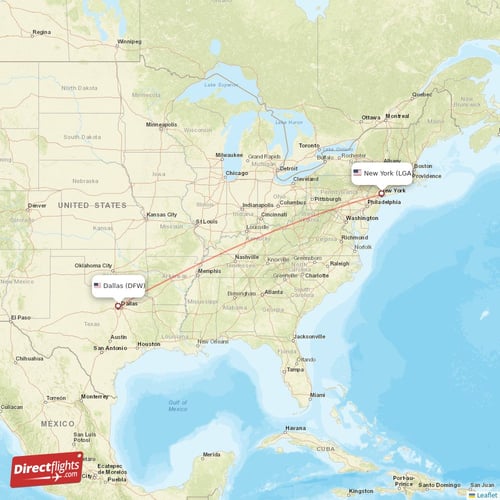
The Impact of Layovers on Total Travel Time
A flight from Dallas to New York with a layover means the journey is broken into segments. The total travel time includes the duration of the first flight segment, the layover time at the connecting airport, and the duration of the second flight segment.
A layover can add anywhere from 2 to 6 hours or more to your total journey, depending on the length of the stop. This includes the time spent on the ground at the connecting city, which can range from a quick 45-minute hop to a multi-hour wait.
Popular Layover Cities and Their Implications
Several cities commonly serve as hubs for flights between Dallas and New York. Choosing a layover city can impact your overall travel experience.
- Chicago O’Hare International Airport (ORD): As a major hub for United Airlines, ORD is a frequent stop. Its location in the Midwest means it’s a natural midpoint, but its notorious congestion can lead to delays.
- Denver International Airport (DEN): A significant hub for United Airlines and Southwest Airlines, DEN offers a more geographically dispersed option. Weather in Denver can sometimes impact flight schedules.
- Atlanta Hartsfield-Jackson Atlanta International Airport (ATL): As the world’s busiest airport, ATL is a primary hub for Delta Air Lines. Its sheer volume means layovers can be long, but it also offers extensive connections.
- Charlotte Douglas International Airport (CLT): A major hub for American Airlines, CLT often provides good connections and is a slightly smaller, potentially less overwhelming, layover option.
The choice of layover city should be considered not just for its connection efficiency but also for potential weather disruptions and the general ease of navigating its terminals.
Optimizing Your Journey from Dallas to New York
To make the most of your trip, whether it’s a direct flight or one with a layover, consider these tips to streamline your travel experience.
Choosing Your Airports Wisely
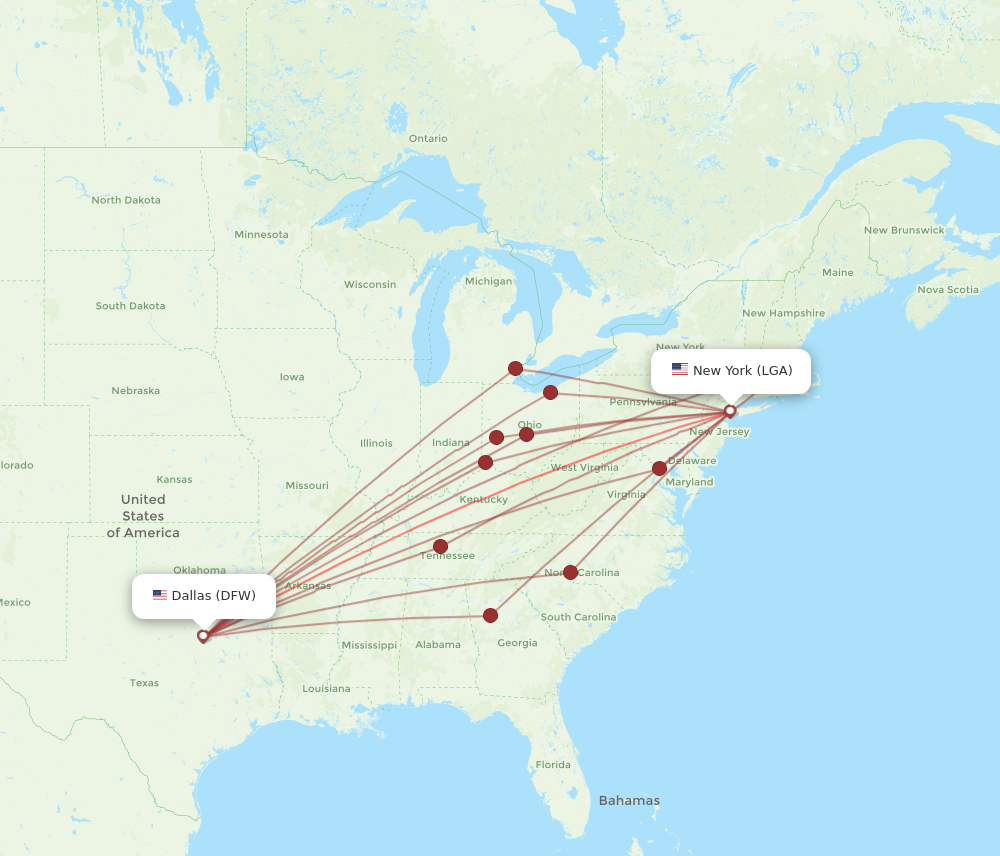
Dallas and New York both have multiple airports, and the choice can significantly impact your flight duration and overall travel time.
Dallas Area Airports
- Dallas/Fort Worth International Airport (DFW): This is the primary international gateway and a major hub for American Airlines. It offers the widest range of domestic and international flights.
- Dallas Love Field (DAL): Primarily served by Southwest Airlines, DAL is generally a more convenient airport for many Dallas residents, often with quicker check-in times and closer proximity to downtown.
New York Metropolitan Area Airports
- John F. Kennedy International Airport (JFK): A major international hub, JFK handles a vast number of flights, including many international routes. It’s well-connected to Manhattan via the AirTrain and subway.
- LaGuardia Airport (LGA): Mostly handles domestic flights and is closest to Manhattan, making it a convenient choice for those heading to Queens, Brooklyn, or northern Manhattan.
- Newark Liberty International Airport (EWR): Located in New Jersey, EWR is another significant hub, particularly for United Airlines. It offers various transport options to Manhattan.
Consider the location of your final destination in New York when selecting your arrival airport. A slightly longer flight to LaGuardia might save you significant ground travel time compared to landing at JFK or EWR.
Planning Your Schedule Effectively
When booking your flight, always check the total travel time listed on flight comparison websites or airline itineraries. This figure typically includes the flight duration plus any layover.
For direct flights, the advertised flight time is usually a good estimate, but always add buffer time for pre-flight and post-flight logistics. If considering a flight with a layover, ensure you have sufficient time to connect, especially if you need to change terminals or airports. A minimum of 90 minutes for domestic connections is generally recommended, but longer is always safer, particularly at large or busy airports.
In conclusion, while the airborne flight time from Dallas to New York is approximately 3.5 to 4 hours for direct services, understanding the contributing factors like weather and air traffic, and carefully considering layovers and airport choices, is key to accurately estimating your total journey time and ensuring a smooth travel experience.
LifeOutOfTheBox is a participant in the Amazon Services LLC Associates Program, an affiliate advertising program designed to provide a means for sites to earn advertising fees by advertising and linking to Amazon.com. Amazon, the Amazon logo, AmazonSupply, and the AmazonSupply logo are trademarks of Amazon.com, Inc. or its affiliates. As an Amazon Associate we earn affiliate commissions from qualifying purchases.