
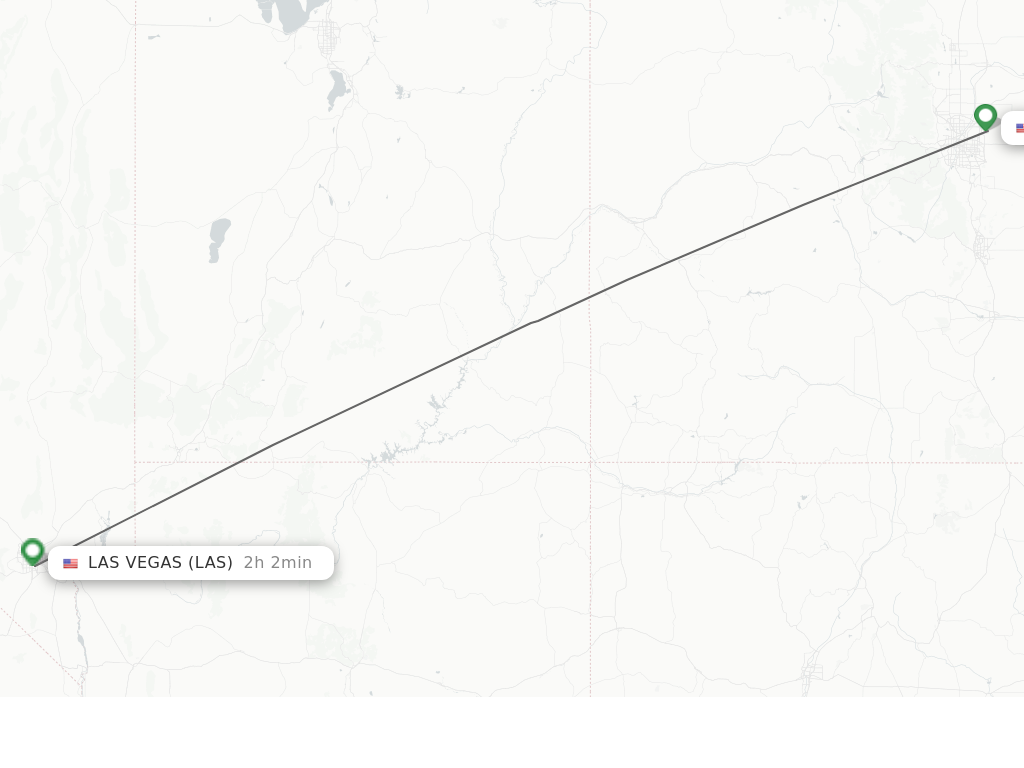
The flight from Denver to Las Vegas is a popular route, connecting the Mile High City with the Entertainment Capital of the World. For travelers planning a getaway, understanding the duration of this journey is often the first step in organizing their itinerary. Generally, a direct, non-stop flight between Denver International Airport (DIA) and Harry Reid International Airport (LAS) typically spans between 1 hour and 30 minutes to 2 hours.
This relatively short travel time makes the Denver to Las Vegas corridor an attractive option for weekend trips, business travel, or connecting adventures. While the airborne time is quite consistent, several factors can influence the overall gate-to-gate experience, from departure delays to atmospheric conditions. This comprehensive guide will delve into what to expect during your flight, how to navigate both airports, and what exciting experiences await you in both vibrant cities. Whether you’re a seasoned traveler or planning your first trip, knowing the intricacies of this route will help you make the most of your journey.
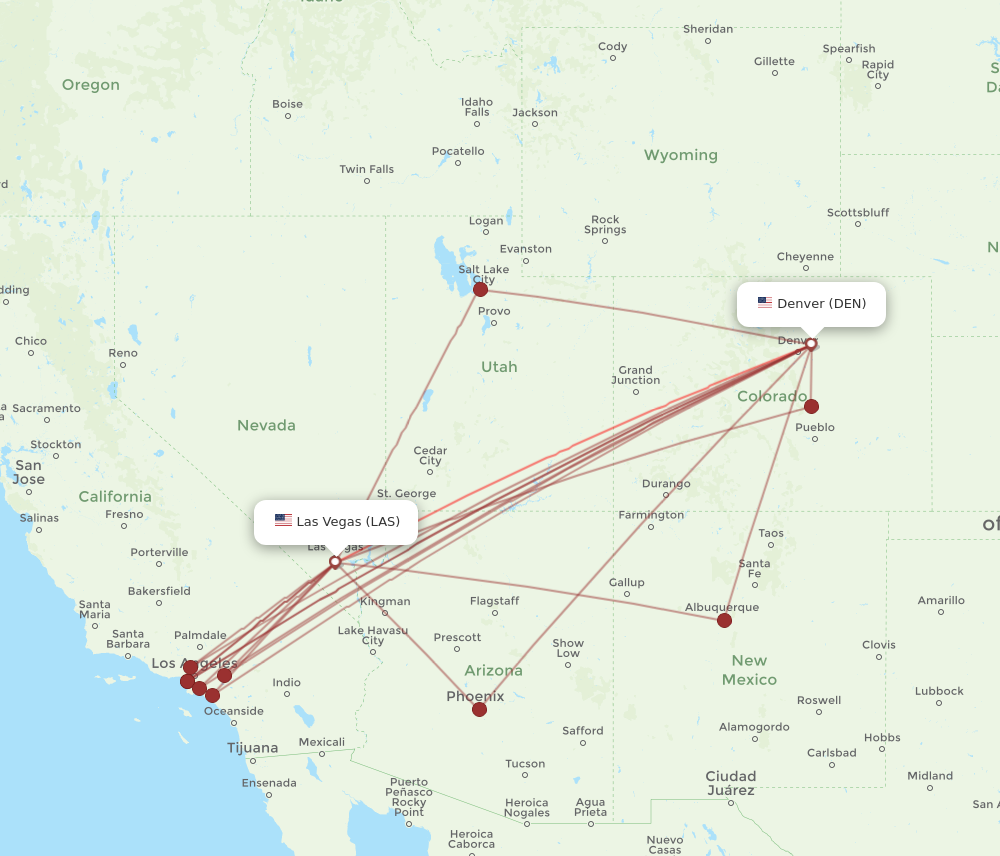
Understanding the Denver to Las Vegas Flight Path
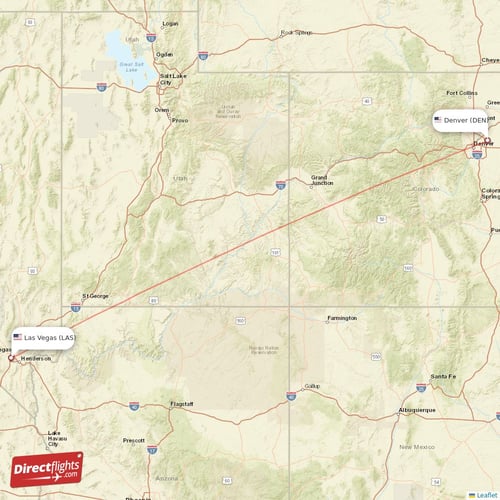
The journey between Denver, Colorado, and Las Vegas, Nevada, covers approximately 625 miles (just over 1,000 kilometers) as the crow flies. This distance is easily manageable for modern commercial aircraft, resulting in a swift transition from the high plains to the desert landscape.
Direct Flight Duration
As mentioned, the core flight time for a non-stop journey is usually in the range of 1 hour and 30 minutes to 2 hours. This duration is calculated from takeoff to landing, not including taxiing, boarding, or deplaning procedures. Major airlines frequently operate this route, offering multiple daily flights to accommodate the high demand. Carriers such as Southwest Airlines, United Airlines, Frontier Airlines, and Spirit Airlines are common choices, each providing varying schedules and amenities.
The efficiency of these direct flights is a key reason for the route’s popularity. Passengers can depart Denver in the morning and be exploring the Las Vegas Strip by lunchtime, or embark on an evening flight to catch a late show. This convenience is a significant draw for both leisure and business travelers seeking to maximize their time at their destination.
Factors Influencing Flight Time
While the average flight duration is a reliable benchmark, several elements can subtly or significantly alter the actual time spent in the air:
- Aircraft Type: Different aircraft models have varying cruising speeds. A larger, more powerful jet might shave a few minutes off the flight compared to a smaller regional jet. However, for a route of this distance, the difference is usually negligible for passengers.
- Headwinds and Tailwinds: This is one of the most impactful natural factors. Flights traveling westward from Denver to Las Vegas often contend with prevailing westerly winds (headwinds), which can slightly increase flight time. Conversely, a strong tailwind can propel the aircraft faster, potentially reducing the flight by 10-20 minutes. Pilots continuously monitor these conditions and adjust flight plans accordingly.
- Air Traffic Control (ATC) and Congestion: Both Denver International Airport (DIA) and Harry Reid International Airport (LAS) are major hubs and can experience periods of high air traffic. This can lead to delays in takeoff clearance, holding patterns in the air before landing, or longer taxiing times on the ground. While efforts are made to optimize traffic flow, peak travel times can sometimes extend the overall journey.
- Route Optimization: Airlines and pilots select optimal flight paths based on weather, wind, and air traffic to ensure efficiency and safety. Minor deviations from the shortest possible path might be made to avoid turbulence, adhere to air traffic mandates, or capitalize on favorable winds, impacting the exact distance covered and thus the time.
- Gate-to-Gate vs. Airborne Time: It’s crucial to distinguish between the time an aircraft is actually in the air and the “gate-to-gate” time quoted by airlines. The latter includes boarding, taxiing to the runway, waiting for takeoff, taxiing from the runway after landing, and deplaning. While the airborne portion might be 90 minutes, the gate-to-gate experience could easily stretch to 2 hours or more, depending on airport conditions.
Understanding these variables helps set realistic expectations for your travel day, allowing for a more relaxed and prepared journey.
Preparing for Your Journey: Denver International Airport
Your journey to Las Vegas typically begins at Denver International Airport (DIA), a colossal and highly efficient airport that serves as a major gateway to the Rocky Mountains and beyond. Known for its distinct tented roof, DIA is not just an architectural marvel but also one of the busiest airports in the United States.
Navigating DIA
Denver International Airport is vast, featuring a single Jeppesen Terminal for check-in and security, and three large concourses (A, B, and C) accessible via an underground train system. All non-stop flights to Las Vegas will depart from one of these concourses.
- Arrival and Parking: DIA is located northeast of downtown Denver, accessible via Peña Boulevard. Travelers driving have numerous parking options, from short-term garage parking to economy lots with shuttle services. For those preferring public transport, the RTD Rail Line (A-Line) offers a convenient and affordable connection between Union Station downtown and the airport terminal.
- Check-in and Security: Given DIA’s size and passenger volume, it’s always advisable to arrive well in advance, especially during peak travel times. Most airlines offer online check-in, which can save time. Security checkpoints can be busy, so consider services like TSA PreCheck or Clear for expedited screening if you travel frequently.
- Concourse Access: After clearing security, you’ll take the automated underground train to your designated concourse. Each concourse is a hub of activity, equipped with gates, dining options, retail stores, and lounges. Familiarize yourself with your gate number and allow ample time to reach it, particularly if it’s at the far end of a concourse.
Pre-Flight Essentials
Even for a relatively short flight, a little preparation can significantly enhance your experience:
- Documentation: Ensure you have your valid ID (driver’s license or passport) and boarding pass readily accessible.
- Carry-On Comfort: Pack essentials like a phone charger, a good book or downloaded entertainment, and perhaps a light snack and water bottle (purchased after security). While the flight is short, having something to occupy your time can make it feel even quicker.
- Connectivity: Most airlines offer in-flight Wi-Fi, though it often comes with a fee. If staying connected is crucial, check with your airline beforehand.
- Airport Amenities: DIA boasts a wide array of amenities, including diverse dining options ranging from fast food to sit-down restaurants, various shops for last-minute souvenirs or travel necessities, and several airline lounges for those with access. Consider grabbing a meal or a coffee before boarding to ensure you’re refreshed for your journey.
Arriving in the Entertainment Capital: Harry Reid International Airport
After a brief and often scenic flight over the western United States, your aircraft will begin its descent into Las Vegas, marking your arrival at Harry Reid International Airport (LAS). Formerly known as McCarran International Airport, LAS is just as bustling as Denver’s airport, serving millions of visitors eager to experience the city’s unique charm.
Welcome to Las Vegas
The moment you step off the plane at Harry Reid International Airport, you’ll feel the distinctive energy of Las Vegas. Slot machines are famously present even within the terminals, offering an immediate taste of the city’s gambling culture. The airport is conveniently located, almost directly adjacent to the famous Las Vegas Strip, making for a quick transition from air travel to city exploration.
LAS has two main terminals, Terminal 1 and Terminal 3, which handle both domestic and international flights. A free shuttle service connects the terminals, should you need to transfer. The layout is designed for efficiency, but during peak hours, the influx of visitors can still lead to queues for ground transportation.
Getting from the Airport to the Strip
One of the greatest advantages of flying into Las Vegas is the airport’s close proximity to the city’s main attractions. The Las Vegas Strip is typically a short 5 to 10-mile drive from Harry Reid International Airport, meaning you can be checking into your resort within minutes of collecting your luggage.
Several transportation options are available:
- Taxis: Readily available outside both terminals. Taxis provide a direct and quick way to reach your hotel, though fares can add up with surcharges for airport pick-ups and resort drop-offs.
- Rideshares: Uber and Lyft services operate from designated pick-up zones at both terminals. This can often be a more cost-effective option than a taxi, especially for solo travelers or small groups.
- Airport Shuttles: Numerous shuttle services offer shared rides to various hotels on the Strip and downtown. These are generally cheaper than taxis but may take longer as they make multiple stops.
- Rental Cars: If you plan to explore beyond the Strip, such as visiting the Hoover Dam or the Grand Canyon, renting a car is a practical choice. The Rental Car Center is located a short shuttle ride away from the terminals.
- Public Bus (RTC): The RTC (Regional Transportation Commission of Southern Nevada) offers bus routes that connect the airport to various parts of the city, including the Strip. This is the most budget-friendly option, though it requires more time and navigation.
- Monorail: While not directly connected to the airport, the Las Vegas Monorail offers convenient access along the east side of the Strip, stopping at several major resorts. You would need to take a taxi or rideshare to the nearest monorail station.
Choosing the right transportation depends on your budget, group size, and desired convenience. With so many options, getting from the airport to your Las Vegas accommodation is straightforward and efficient.
Beyond the Flight: Exploring Denver and Las Vegas
While the flight itself is a means to an end, the destinations at either end of this popular route offer distinct and captivating experiences. Both Denver and Las Vegas are major tourism hubs, attracting millions with their unique cultures, attractions, and lifestyles.
What to See and Do in Denver
Denver, the capital of Colorado, is a vibrant city renowned for its outdoor lifestyle, thriving arts scene, and proximity to the majestic Rocky Mountains. If you find yourself with time to explore Denver before or after your flight, here are some highlights:
- Red Rocks Park and Amphitheatre: A geological marvel and a world-famous open-air concert venue, Red Rocks Park and Amphitheatre offers breathtaking views, hiking trails, and the chance to catch a live performance in an unparalleled natural setting.
- Denver Art Museum: Home to an impressive collection of Native American art and various other global works, the Denver Art Museum is a cultural gem, housed in a striking building designed by Daniel Libeskind.
- 16th Street Mall: This mile-long pedestrian promenade runs through downtown Denver, lined with shops, restaurants, and street performers. Free shuttle buses, known as the MallRide, make it easy to traverse.
- Union Station: A beautifully restored historic landmark, Union Station now serves as a lively transportation hub, hotel, and dining destination. It’s a great place to people-watch, grab a meal, or enjoy a drink.
- RiNo Art District: The River North Art District, or RiNo Art District, is an industrial area transformed into a vibrant creative hub with colorful murals, art galleries, breweries, and unique eateries. It’s a testament to Denver’s evolving urban culture.
- Outdoor Activities: With the Rocky Mountains practically on its doorstep, Denver offers easy access to hiking, biking, skiing, and other mountain adventures. Many day trips are possible to places like Rocky Mountain National Park.
Must-Visit Attractions in Las Vegas
Las Vegas needs little introduction as a global entertainment and tourism mecca. From its dazzling lights to its endless array of activities, it caters to almost every taste and budget.
- The Las Vegas Strip: The heart of the action, the Las Vegas Strip is home to world-renowned resorts like the Bellagio (famous for its dancing fountains), Caesars Palace, The Venetian Resort, and Wynn Las Vegas. Here you’ll find elaborate casinos, luxury shopping, Michelin-starred restaurants, and spectacular shows.
- Fremont Street Experience: For a different vibe, head to downtown Las Vegas and the Fremont Street Experience. This pedestrian mall features a massive LED canopy showing dazzling light and sound shows, live music stages, ziplining, and a more classic Las Vegas feel.
- World-Class Entertainment: Las Vegas is synonymous with entertainment, offering residencies from global music stars, Cirque du Soleil productions, magic shows, comedy acts, and elaborate nightclub experiences.
- Hoover Dam: A monumental feat of engineering, the Hoover Dam is an iconic landmark just a short drive from Las Vegas. Visitors can take tours to learn about its history and impact, and marvel at its scale.
- Grand Canyon: Many visitors to Las Vegas opt for a day trip to the Grand Canyon, one of the world’s most breathtaking natural wonders. Tours often include bus trips, helicopter rides, or even visits to the Skywalk.
- Dining and Shopping: From celebrity chef restaurants to lavish buffets, Las Vegas is a foodie paradise. Similarly, its luxury boutiques and outlet malls offer unparalleled shopping opportunities.
Whether you’re exploring the natural beauty and urban culture of Denver or immersing yourself in the glitz and glamour of Las Vegas, both cities promise memorable experiences that extend far beyond the quick flight connecting them.
Accommodation and Travel Tips
Planning a trip between Denver and Las Vegas involves more than just booking a flight; it also means considering where to stay, how to budget, and how to make the most of your time. Our website, Life Out Of The Box, specializes in providing comprehensive guides on travel, hotels, tourism, and lifestyle, ensuring you have all the resources you need for a seamless journey.
Finding the Perfect Stay
In Denver: Accommodation options in Denver range from upscale downtown hotels to charming boutique stays in neighborhoods like LoDo (Lower Downtown) or the RiNo Art District. You can find luxury hotels with mountain views, family-friendly suites, or budget-conscious apartments. Consider what kind of experience you’re seeking:
- Downtown: Ideal for business travelers or those wanting to be close to attractions like Union Station and the 16th Street Mall.
- Cherry Creek: Known for its upscale shopping and dining, offering a more luxurious and refined stay.
- Near DIA: If you have an early flight or late arrival, airport hotels offer convenience, with many providing shuttle services to the terminal.
In Las Vegas: The choices for accommodation in Las Vegas are legendary, catering to every conceivable preference and budget:
- Luxury Resorts on the Strip: Iconic properties like the Bellagio, The Venetian Resort, Wynn Las Vegas, and Cosmopolitan of Las Vegas offer opulent suites, world-class amenities, spas, pools, and integrated entertainment. These resorts often provide a complete vacation experience without needing to leave the property.
- Mid-Range and Budget-Friendly Hotels: Many reputable chains and independent hotels offer comfortable stays at more accessible price points, both on the Strip (further north or south) and off-Strip, such as around Fremont Street or on Paradise Road.
- Specialty Stays: From apartment-style accommodations ideal for longer stays to themed resorts perfect for family trips, Las Vegas has it all.
When booking, especially for Las Vegas, always check for resort fees, which are common and added on top of the nightly rate. Booking well in advance, particularly during convention seasons or major holidays, can secure better rates and availability. Our website features extensive reviews and comparisons of hotels and resorts to help you make an informed choice.
Maximizing Your Trip
To ensure a smooth and enjoyable journey from Denver to Las Vegas and beyond, consider these essential travel tips:
- Book in Advance: Not just for hotels, but also for flights. Airlines often release their best fares months ahead of time. Being flexible with your travel dates, if possible, can also yield significant savings. Mid-week flights are typically cheaper than weekend flights.
- Packing Smart: For Denver, be prepared for varying weather, especially if you plan to venture into the mountains. For Las Vegas, lightweight clothing is essential for the desert heat, but bring a jacket for air-conditioned casinos and cooler evenings. Comfortable walking shoes are a must for exploring either city.
- Stay Hydrated: Both cities are at altitude (in Denver’s case, literally) and in dry climates, so drinking plenty of water is crucial. This is particularly important in Las Vegas with its often intense heat and vibrant nightlife.
- Transportation Within Cities: Both Denver and Las Vegas have public transportation options, but rideshares (Uber, Lyft) are widely available and convenient. In Las Vegas, walking the Strip is a popular way to see the sights, but distances can be deceiving, so plan accordingly.
- Budget Wisely: Las Vegas can be as expensive or as budget-friendly as you make it. Set limits for gambling, take advantage of happy hour deals, and look for discount show tickets. Denver also offers a range of free and low-cost activities like hiking and exploring public parks.
- Check Local Events: Before you go, research local events, festivals, or concerts happening during your visit. This can enhance your experience but also impact hotel availability and prices.
By following these tips and utilizing the extensive travel guides and resources available on Life Out Of The Box, your trip from Denver to Las Vegas will be not just a flight, but a well-planned adventure from start to finish. Enjoy the short flight and the diverse experiences awaiting you in two of America’s most exciting cities!
LifeOutOfTheBox is a participant in the Amazon Services LLC Associates Program, an affiliate advertising program designed to provide a means for sites to earn advertising fees by advertising and linking to Amazon.com. Amazon, the Amazon logo, AmazonSupply, and the AmazonSupply logo are trademarks of Amazon.com, Inc. or its affiliates. As an Amazon Associate we earn affiliate commissions from qualifying purchases.