
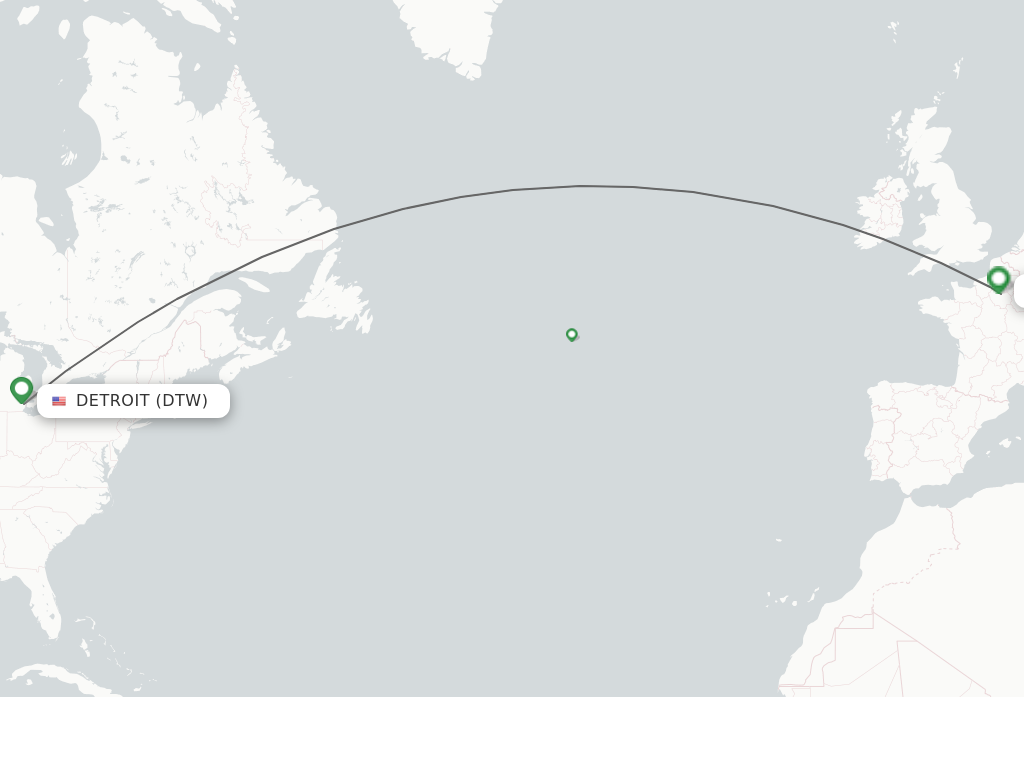
Understanding the duration of a flight from Detroit to Paris is a crucial element for any traveler planning their transatlantic journey. This route, connecting the American Midwest to the heart of France, involves crossing a significant portion of the Atlantic Ocean. While the direct flight time is the most sought-after metric, numerous factors can influence the overall travel experience, from the moment you depart from Detroit Metropolitan Wayne County Airport to your arrival at Charles de Gaulle Airport or Paris-Orly Airport.
Direct Flight Durations: The Baseline
When considering the flight from Detroit to Paris, direct flights offer the most straightforward answer regarding travel time. These flights are designed to minimize stops, thereby reducing the total journey duration.

Typical Flight Times
On average, a direct flight from Detroit to Paris typically spans between 7.5 to 8.5 hours. This figure represents the time spent airborne from takeoff in Detroit to touchdown in Paris. It’s important to note that this is a general estimate. Airlines may schedule flights with slightly varying durations based on several operational factors.
Factors Affecting Direct Flight Time
Several elements contribute to the precise duration of a direct flight:
- Aircraft Type and Speed: Different aircraft models have varying cruising speeds. Newer, more aerodynamic planes might complete the journey slightly faster than older models.
- Prevailing Winds (Jet Stream): The most significant variable impacting flight times across the Atlantic is the jet stream. Flying eastbound, from Detroit to Paris, usually means benefiting from tailwinds provided by the jet stream. This can significantly shorten the flight duration, sometimes pushing it towards the lower end of the 7.5-hour estimate. Conversely, westbound flights (from Paris to Detroit) often encounter headwinds, extending the flight time.
- Flight Path Optimization: Airlines constantly optimize flight paths to utilize favorable winds and avoid adverse weather conditions. Air traffic control also plays a role in dictating the exact route.
- Airline Scheduling: While airlines aim for efficiency, their scheduled flight times might include a slight buffer to account for potential minor delays or to ensure on-time departures and arrivals.
Flights with Layover: The Extended Journey
For travelers seeking more budget-friendly options or those whose travel plans necessitate a stopover, flights with layovers are a common choice. These journeys inherently take longer than direct flights due to the added time for the connection.
Common Layover Cities
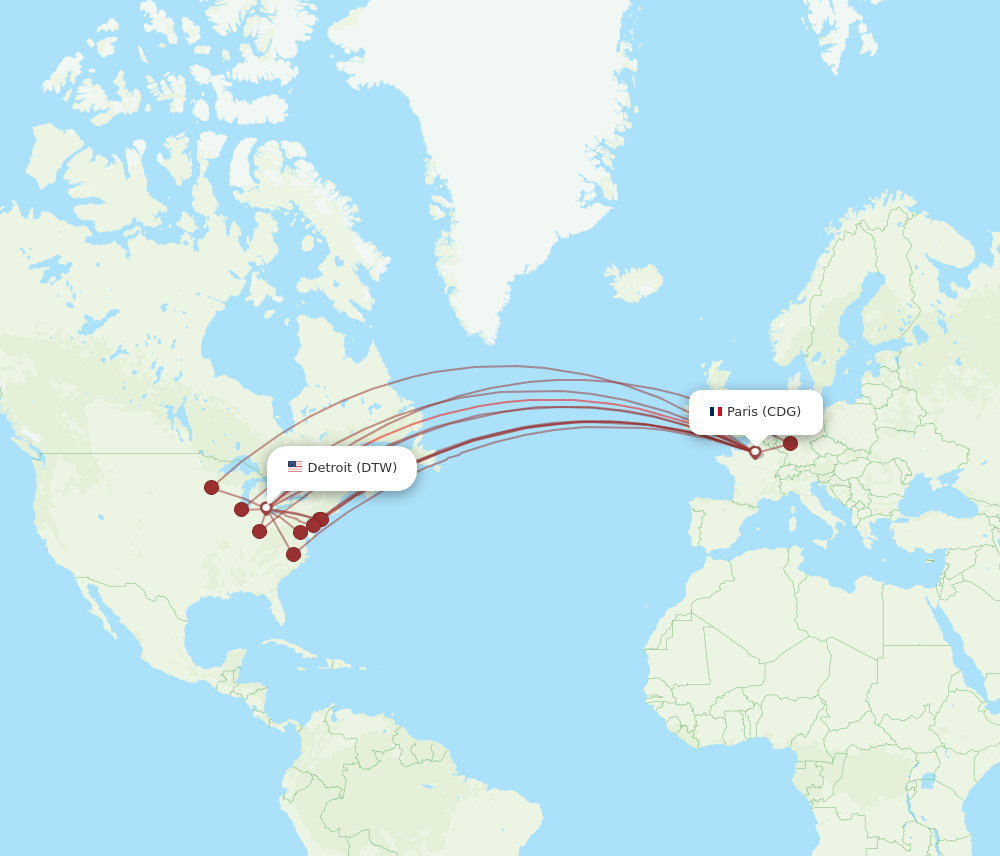
Transatlantic flights from Detroit to Paris with layovers often connect through major airline hubs in North America or sometimes in Europe. Common layover cities include:
- North American Hubs: Such as New York City (e.g., JFK, Newark), Chicago (e.g., O’Hare International Airport), Boston, or even Canadian cities like Toronto.
- European Hubs: While less common for this specific route originating from Detroit, some itineraries might involve a stop in another European city before reaching Paris, such as Amsterdam or London.
Calculating Total Travel Time with Layovers
The total duration of a flight with layovers is a sum of several components:
- Flight Time to Layover City: This segment varies greatly depending on the chosen layover city.
- Layover Duration: This is the time spent on the ground at the connecting airport. Layovers can range from a brief 1-2 hours to several hours, or even an overnight stay. The length of the layover is often a key factor in determining the overall ticket price.
- Flight Time from Layover City to Paris: This second flight segment will also vary in length.
- Taxiing and Boarding/Deplaning: While not always explicitly stated, time spent taxiing on the runway, boarding, and deplaning at both airports should be implicitly considered within the overall travel time.
Therefore, a flight from Detroit to Paris with one layover can typically range from 11 to 20+ hours. This wide range highlights the importance of carefully examining the itinerary details provided by airlines. A shorter layover in a well-connected hub might result in a total travel time of around 11-13 hours, while a longer layover or a less direct route could easily push the total duration past 15-18 hours.
Planning Your Travel: Beyond the Flight Time
While knowing the flight duration is essential, effective travel planning involves considering a broader spectrum of factors that contribute to the overall travel experience.
Factors to Consider When Booking
- Time of Year: Flight prices and availability can fluctuate significantly depending on the season. Peak travel times, such as summer holidays or major events in Paris, will generally see higher fares and potentially more crowded flights.
- Day of the Week: Mid-week flights are often cheaper than weekend departures.
- Airline Choice: Different airlines may offer varying levels of service, amenities, and flight schedules, all of which can influence your choice and potentially the flight duration. Major carriers like Delta Air Lines, Air France, or United Airlines frequently operate routes between North America and Europe.
- Booking in Advance: Generally, booking your flights several months in advance can secure better prices and a wider selection of flight times.
Preparing for Your Journey
- Airport Arrival: For international flights, it is strongly recommended to arrive at Detroit Metropolitan Wayne County Airport at least three hours before your scheduled departure. This allows ample time for check-in, security screening, and reaching your gate, especially if you are checking baggage.
- Time Zone Differences: Remember that Paris is typically 6 hours ahead of Detroit (Eastern Standard Time). This time difference is crucial for calculating your arrival time in local Parisian time.
- Jet Lag Management: The significant time difference can lead to jet lag. Strategies like adjusting your sleep schedule before departure, staying hydrated during the flight, and exposing yourself to natural light upon arrival in Paris can help mitigate its effects.
- In-Flight Experience: Consider the amenities offered by the airline. In-flight entertainment, meal services, and seat comfort can make the 7.5 to 8.5-hour direct flight, or the much longer journey with layovers, more enjoyable. Many airlines offer lie-flat seats in business class for a more comfortable long-haul experience.
- Immigration and Customs: Upon arrival in Paris, you will need to clear immigration and customs. The time this takes can vary depending on the airport’s volume of arrivals and the efficiency of the procedures.
Navigating Arrival in Paris
- Transportation from the Airport: Once you have cleared immigration and collected your luggage, you will need to arrange transportation to your accommodation in Paris. Options include the RER train (a common and efficient choice from Charles de Gaulle Airport), taxis, ride-sharing services, or airport shuttles.
- First Impressions: Your arrival in Paris marks the beginning of your adventure, whether it’s a visit to the Eiffel Tower, a stroll along the Champs-Élysées, or exploring the Louvre Museum. Understanding your flight duration is the first step in maximizing your time in this iconic city.
By understanding the nuances of direct versus layover flights, and by meticulously planning all aspects of your journey from departure to arrival, you can ensure a smoother and more enjoyable travel experience from Detroit to the enchanting city of Paris.
LifeOutOfTheBox is a participant in the Amazon Services LLC Associates Program, an affiliate advertising program designed to provide a means for sites to earn advertising fees by advertising and linking to Amazon.com. Amazon, the Amazon logo, AmazonSupply, and the AmazonSupply logo are trademarks of Amazon.com, Inc. or its affiliates. As an Amazon Associate we earn affiliate commissions from qualifying purchases.