
The journey across the vast expanse of the Pacific Ocean from the tropical paradise of Hawaii to the bustling metropolis of Los Angeles is one of the most popular flight routes in the United States. Spanning approximately 2,500 miles, this aerial corridor connects the serene landscapes of the islands with the entertainment capital of the world. For travelers planning their return from a volcanic retreat or island-hopping adventure, understanding the logistics of this flight is essential for a seamless transition back to the mainland of North America.
Understanding Average Flight Durations and the Jet Stream
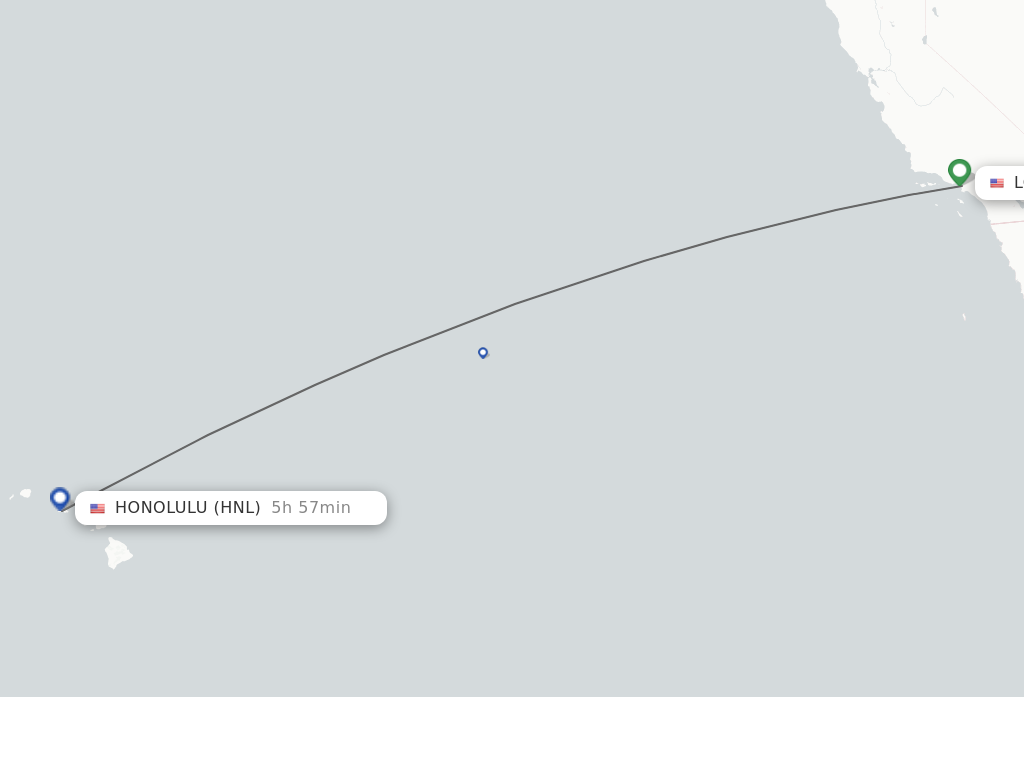
On average, a direct flight from Hawaii to Los Angeles takes between 5 hours and 15 minutes to 6 hours. However, this timeframe is not static and is influenced heavily by atmospheric conditions, specifically the high-altitude air currents known as the jet stream. When traveling eastbound—from the islands toward California—aircraft often benefit from powerful tailwinds. these winds push the plane forward, frequently shaving 30 to 45 minutes off the total travel time compared to the westbound journey.
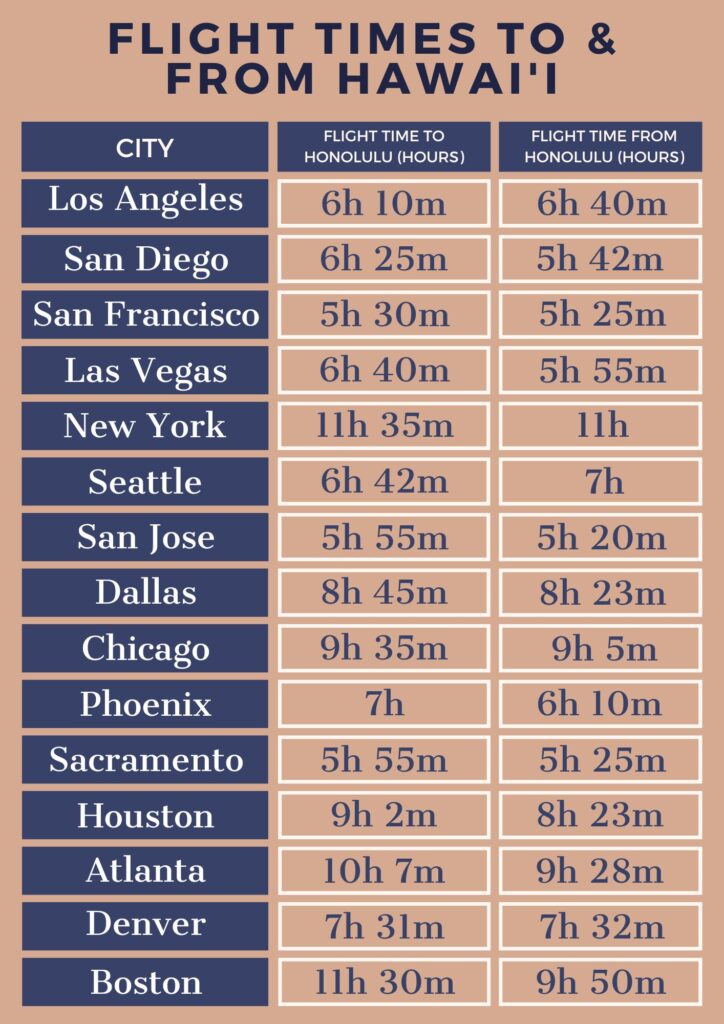
While the “air time” might be just over five hours, the “block time”—which includes taxiing at the departure gate and waiting for a runway at Los Angeles International Airport—usually adds another 20 to 30 minutes to the itinerary. It is also important to account for the significant time zone shift. Hawaii follows Hawaii-Aleutian Standard Time, which does not observe daylight saving time. Consequently, depending on the time of year, Los Angeles is either two or three hours ahead of the islands. A flight departing Honolulu at noon might arrive in the golden state well after the sun has set, making the trip feel longer than the clock suggests.
The Impact of Seasonality on Flight Times
Seasonal weather patterns in the Pacific Ocean play a subtle yet measurable role in flight duration. During the winter months, the jet stream tends to be stronger and sits further south, which can provide an extra boost to eastbound flights. Conversely, summer flights might face slightly more resistance or neutral winds, resulting in durations closer to the six-hour mark. Pilots and dispatchers constantly monitor these patterns to optimize routes, sometimes taking a slightly more curved path to catch the fastest currents.
Departure Points Across the Hawaiian Islands
The duration of your flight also depends significantly on which island you are departing from. While Honolulu is the primary gateway, several other major airports offer direct service to the West Coast.
Departing from Oahu: Daniel K. Inouye International Airport
Most travelers will depart from Daniel K Inouye International Airport in Honolulu. As the largest aviation hub in the state, it offers the highest frequency of flights to Los Angeles. Because Oahu is located centrally within the archipelago, the flight time from here serves as the standard benchmark for the route, typically clocking in at approximately 5 hours and 30 minutes.
Departing from Maui: Kahului Airport
Kahului Airport on the island of Maui is the second busiest departure point for mainland-bound travelers. Located slightly to the southeast of Oahu, the flight path from Maui is marginally shorter in terms of physical distance, though the difference in flight time is often negligible—usually within 5 to 10 minutes of the Honolulu route.
Departing from the Big Island: Kona and Hilo
The Island of Hawaii, commonly referred to as the Big Island, features two main airports: Ellison Onizuka Kona International Airport in Kona and Hilo International Airport in Hilo. Flights from Kona are very common and take about 5 hours and 15 minutes. Because the Big Island is the easternmost island in the chain, it is geographically the closest to California, often resulting in the shortest flight times of the entire state.
Departing from Kauai: Lihue Airport
On the western end of the main islands lies Kauai. Flights departing from Lihue Airport must travel the furthest distance to reach the mainland. Travelers leaving the “Garden Isle” should expect their flight to Los Angeles to be the longest of the bunch, frequently reaching or exceeding the 5 hour and 50 minute mark depending on the aircraft and wind conditions.

Airline Options and the In-Flight Experience
Choosing the right carrier can change the perception of time during the five-to-six-hour trek across the ocean. Several major airlines dominate this route, each offering a different level of service and comfort.
Major Carriers and Services
Hawaiian Airlines is often the preferred choice for those wishing to extend their island experience. Known for their “Mea Ho’okipa” (hospitality) service, they provide complimentary meals even in economy class, which is a rarity on domestic United States flights. Other major players include United Airlines, American Airlines, and Delta Air Lines, which operate multiple daily wide-body and narrow-body aircraft. Alaska Airlines and Southwest Airlines also offer robust schedules, with Southwest Airlines being a popular choice for budget-conscious travelers due to their lack of baggage fees.
The Red-Eye vs. Day Flight Dilemma
When booking a flight from Hawaii to Los Angeles, travelers usually choose between a daytime departure and a “red-eye” overnight flight.
- Daytime Flights: These usually depart in the late morning or early afternoon and arrive in Los Angeles by evening. This is ideal for those who want to enjoy the views of the Pacific Ocean and avoid disrupting their sleep schedule.
- Red-Eye Flights: These depart late at night (around 9:00 PM or 10:00 PM) and arrive at Los Angeles International Airport in the early morning hours. While these flights maximize your last day on the beach, the five-hour duration is often considered “too short” for a full night’s rest, leading to significant jet lag upon arrival in California.
Navigating Arrival at Los Angeles International Airport
Arrival in Los Angeles marks the transition from the slow-paced island life to one of the busiest travel hubs on the planet. Los Angeles International Airport, or LAX, is a massive complex with nine terminals. Depending on your airline, you may land at the Tom Bradley International Terminal or one of the domestic terminals like Terminal 4, 5, or 7.
Deplaning and Logistics
Because flights from Hawaii are domestic, there is no need to clear customs or immigration upon arrival in Los Angeles. However, the United States Department of Agriculture (USDA) performs inspections on the Hawaiian side before you board to ensure no invasive species or restricted fruits are brought to the mainland. Once you land at LAX, you simply head to baggage claim.
Transportation from LAX
Once you have cleared the terminal, navigating Los Angeles requires some planning. The airport offers various transit options, including the LAX FlyAway bus service to Union Station or Van Nuys. For those staying in luxury nearby, many Hotels near the airport, such as the Westin Los Angeles Airport or the Hyatt Regency Los Angeles International Airport, offer shuttle services. If you are heading into the heart of the city to see the Hollywood Sign or the Santa Monica Pier, ride-sharing services are located at the “LAX-it” lot, accessible via a short shuttle ride from the arrivals level.
Preparing for the Flight: Tips for a Smooth Journey
To make the five-to-six-hour flight as comfortable as possible, a few preparations go a long way. Even though you are leaving a warm climate, airplane cabins are notoriously chilly, so carrying a light jacket or a wrap is highly recommended.
Connectivity and Entertainment
While many airlines like Delta Air Lines and United Airlines offer robust in-flight entertainment systems with the latest movies, some aircraft on the Hawaii route may rely on streaming to your personal device. It is wise to download your favorite shows or podcasts before leaving your resort in Waikiki or Lahaina. Furthermore, ensure your devices are fully charged, as power outlets can vary depending on the age of the aircraft.
Hydration and Health
The dry air of a long-haul flight can be dehydrating. Drinking plenty of water before and during the flight is essential. Additionally, since you will be crossing several time zones and spending several hours in a pressurized cabin, performing light stretches or walking the aisle once or twice can help maintain circulation, especially on the longer hauls from Kauai or Oahu.
By understanding the nuances of the flight from Hawaii to Los Angeles, from the impact of the jet stream to the specific departure dynamics of each island, you can better manage your expectations and enjoy the final leg of your Pacific journey. Whether you are returning home to California or just passing through the City of Angels, this flight is a vital link between two of the most iconic destinations in the United States.
LifeOutOfTheBox is a participant in the Amazon Services LLC Associates Program, an affiliate advertising program designed to provide a means for sites to earn advertising fees by advertising and linking to Amazon.com. Amazon, the Amazon logo, AmazonSupply, and the AmazonSupply logo are trademarks of Amazon.com, Inc. or its affiliates. As an Amazon Associate we earn affiliate commissions from qualifying purchases.