
Embarking on a journey from the sun-drenched sprawl of Los Angeles to the emerald embrace of Seattle offers a compelling contrast in American landscapes and cultures. Understanding the nuances of this particular flight path, from its duration to what influences it, is crucial for any traveler planning this cross-state adventure. This guide delves into the specifics of the flight, offering insights that extend beyond mere timekeeping, touching upon the broader travel experience between these two iconic West Coast cities.
The Direct Flight: Average Duration and Key Factors
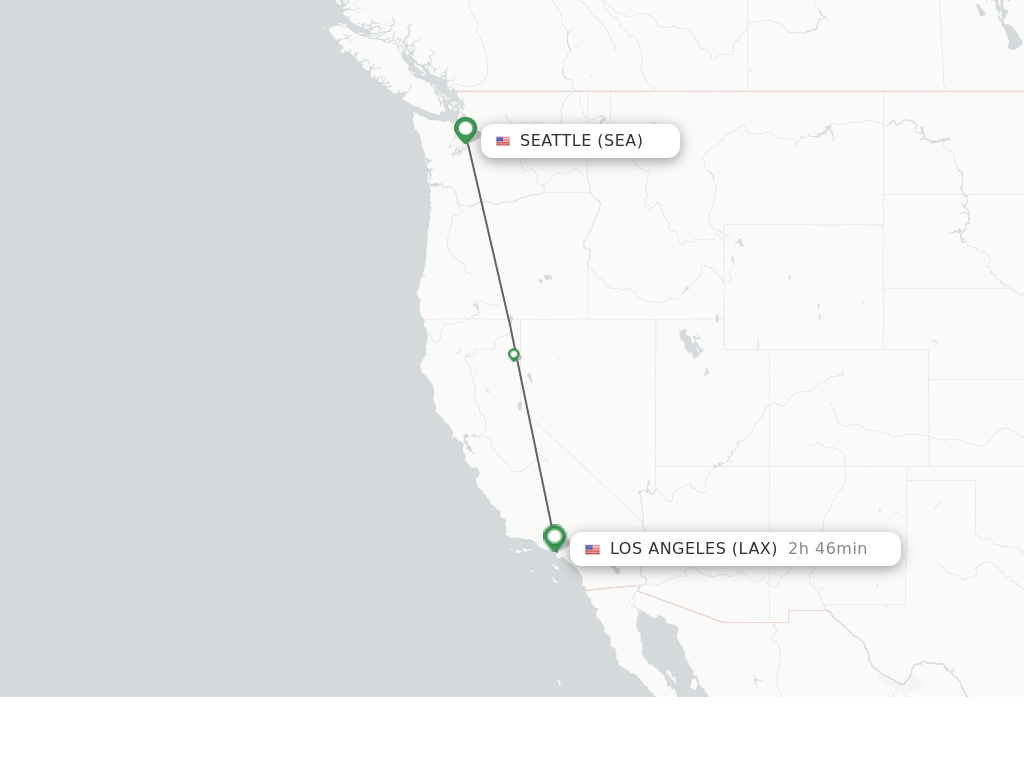
The most sought-after option for many travelers is the direct flight, offering the quickest and most convenient way to traverse the approximately 1,130 miles (1,818 kilometers) separating Los Angeles International Airport (LAX) from Seattle-Tacoma International Airport (SEA).
Typical Flight Times
On average, a non-stop flight from Los Angeles to Seattle typically lasts between 2 hours and 40 minutes to 3 hours and 10 minutes. This duration can fluctuate slightly based on several interconnected factors. Airlines schedule these flights with a buffer to account for potential variations, but the actual airborne time is remarkably consistent for direct services.
Factors Influencing Flight Duration
Several elements can subtly alter the scheduled or actual flight time:
- Jet Stream: The prevailing winds at cruising altitude, known as the jet stream, play a significant role. Flights traveling northbound from Los Angeles to Seattle often benefit from a tailwind from the jet stream, potentially shortening the flight duration. Conversely, headwinds can add a few minutes to the journey. The strength and exact position of the jet stream vary daily.
- Aircraft Type and Speed: While most airlines operating this route utilize similar narrow-body jet aircraft (such as Boeing 737s or Airbus A320s), minor differences in their cruising speeds can contribute to slight variations in flight time.
- Air Traffic Control and Flight Path: Air traffic controllers manage the flow of aircraft to ensure safety and efficiency. The specific flight path assigned can sometimes be more direct or slightly circuitous, impacting the total time in the air. Congestion around major airports like LAX and SEA can also influence taxi times and initial climb-out.
- Weather Conditions: While less impactful on the actual airborne time once at cruising altitude, severe weather patterns, particularly those affecting departure or arrival airports, can lead to delays on the ground or necessitate flight path adjustments.
Beyond the Clock: Optimizing Your LA to Seattle Travel Experience
While knowing the flight duration is essential, a well-planned trip involves considering other aspects that contribute to the overall travel experience. From choosing the right time to fly to understanding the airports themselves, a proactive approach can transform a simple flight into a seamless part of your adventure.
Choosing the Right Airline and Flight Time
Several major carriers operate frequent direct flights between Los Angeles and Seattle. These include Delta Air Lines, American Airlines, United Airlines, and Alaska Airlines, with Southwest Airlines also offering competitive options.
When selecting your flight, consider:
- Departure and Arrival Times: Early morning flights often encounter less air traffic congestion and can benefit from calmer overnight atmospheric conditions, potentially leading to smoother journeys and more reliable schedules. Conversely, red-eye flights might offer budget advantages but require a different kind of travel preparedness.
- Airport Choice (Within LA): While LAX is the primary gateway, some travelers might consider flights from Hollywood Burbank Airport (BUR) or Long Beach Airport (LGB), though direct flight options to Seattle from these smaller airports are less common and may involve layovers. Seattle-Tacoma International Airport (SEA) is the sole major airport serving the Seattle metropolitan area.
- Baggage Policies and Amenities: Review each airline’s baggage allowance, fees, and onboard amenities (Wi-Fi, entertainment, meal options) to align with your travel needs and budget.
Navigating the Airports: LAX and SEA
Understanding the operational characteristics of both Los Angeles International Airport and Seattle-Tacoma International Airport can help streamline your journey.
Los Angeles International Airport (LAX)

LAX is one of the busiest airports in the world, characterized by its sprawling layout and multiple terminals.
- Terminals: LAX has nine passenger terminals, each serving different airlines. Familiarize yourself with which terminal your airline operates from to navigate efficiently.
- Transportation: Getting to and from LAX involves various options, including rental cars, taxis, rideshare services, and the LAX FlyAway bus service, which connects to various points in the Los Angeles area. The airport is also undergoing significant modernization, which can sometimes impact traffic flow around the perimeter.
- Amenities: LAX offers a wide array of dining, shopping, and lounge facilities across its terminals. Arriving with ample time to spare is advisable to navigate the crowds and security lines.
Seattle-Tacoma International Airport (SEA)
SEA, often referred to as Sea-Tac, is a major hub for Alaska Airlines and is known for its efficiency.
- Layout: SEA has a single terminal with three concourses (A, B, and C) accessible via the Airport Station of the Link light rail. This centralized layout generally makes navigation easier than at more complex airports.
- Transportation: The most convenient way to reach downtown Seattle or surrounding areas from SEA is via the Link light rail, which offers direct, frequent service. Taxis, rideshare services, and rental cars are also readily available.
- Pacific Northwest Charm: SEA offers a taste of the region with local art installations and Pacific Northwest-inspired dining options.
Layover Considerations and Alternative Routes
While direct flights are ideal, understanding layover options is prudent for flexibility or if direct flights are unavailable or prohibitively expensive.
Common Layover Points
If a direct flight isn’t an option, common layover points between Los Angeles and Seattle might include:
- San Francisco International Airport (SFO): A natural stop for many travelers heading north.
- Portland International Airport (PDX): Another major West Coast hub that can serve as a connecting point.
- Other West Coast Cities: Depending on the airline and routing, other cities like Sacramento or San Diego could also feature as layover destinations, though these are less common for this specific route.
Impact of Layovers on Total Travel Time
A flight with one layover can significantly increase your total travel time. This typically adds 2 to 5 hours to your journey, factoring in the connection time, potential flight delays on the second leg, and the time spent on the ground between flights. The duration of the layover itself, ranging from a brief hour to several hours, is the primary variable. When considering flights with layovers, always check the total travel time listed by the airline, not just the individual flight durations.
Preparing for Your Journey: Tips for a Smooth Flight
A successful trip from Los Angeles to Seattle begins with diligent preparation. Considering the time differences, potential for varied weather, and the need for relaxation or productivity during your flight, these tips can enhance your experience.
Packing and Essentials
- Layered Clothing: The weather in Seattle can be famously unpredictable. Pack layers, including a waterproof jacket, even if traveling in the summer. Los Angeles tends to be warmer, so be prepared for the shift.
- Electronics and Chargers: Ensure all your devices are fully charged, and bring portable chargers.
- Entertainment: Download movies, podcasts, or music beforehand, as in-flight Wi-Fi availability and speed can vary.
- Comfort Items: A neck pillow, eye mask, and earplugs can make a significant difference in comfort, especially on longer flights or if you plan to sleep.

In-Flight Experience
- Hydration: Airplane cabins are notoriously dry. Drink plenty of water before and during your flight.
- Movement: Get up and walk the aisle periodically to improve circulation, particularly on flights stretching towards the 3-hour mark.
- Stay Informed: Keep an eye on flight status updates, especially if you have a connecting flight. Airlines typically provide gate information and boarding times through their apps or airport screens.
By understanding the flight duration, the factors that influence it, and by preparing thoughtfully, your journey from the vibrant energy of Los Angeles to the evergreen allure of Seattle will be a smooth and enjoyable prelude to your Pacific Northwest adventure.
LifeOutOfTheBox is a participant in the Amazon Services LLC Associates Program, an affiliate advertising program designed to provide a means for sites to earn advertising fees by advertising and linking to Amazon.com. Amazon, the Amazon logo, AmazonSupply, and the AmazonSupply logo are trademarks of Amazon.com, Inc. or its affiliates. As an Amazon Associate we earn affiliate commissions from qualifying purchases.