
The journey between two iconic American cities, Las Vegas and Denver, is a popular route for both leisure and business travelers. Understanding the flight duration is a crucial element in planning any trip, allowing for efficient scheduling of activities, accommodation, and onward travel. While the direct flight time might seem straightforward, several factors can influence the actual time spent in the air, and it’s essential to consider the entire travel experience from wheels up to wheels down.
Understanding Flight Duration: Direct vs. Total Travel Time
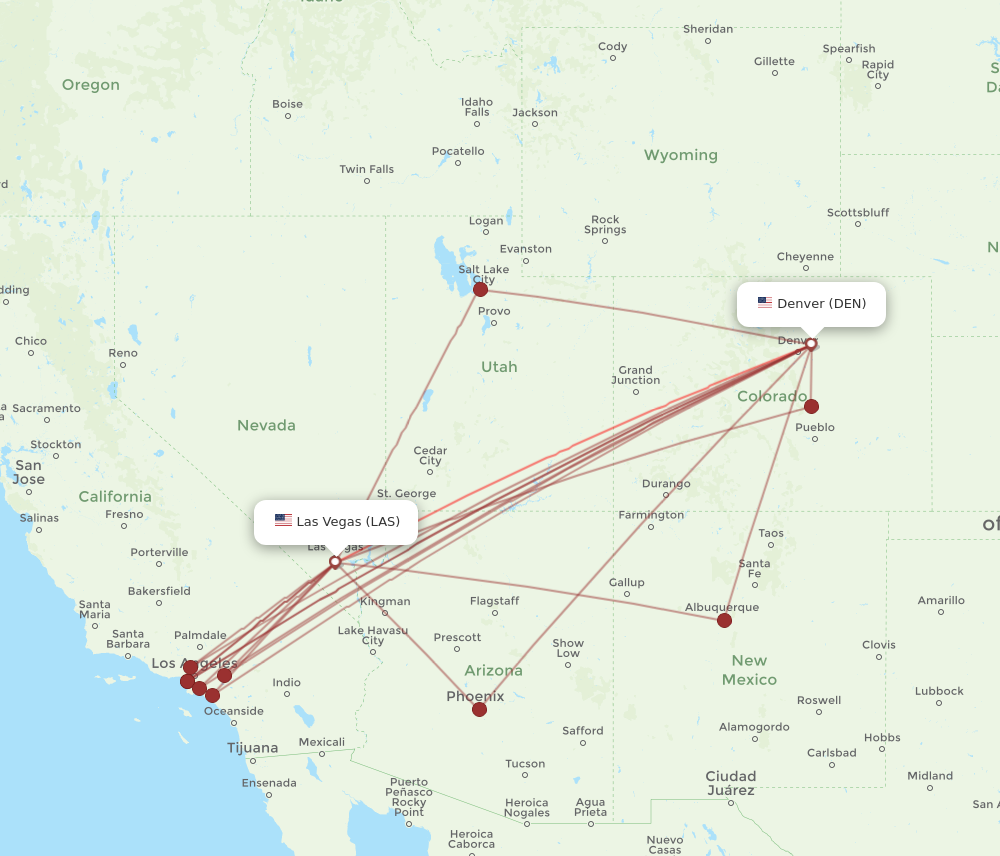
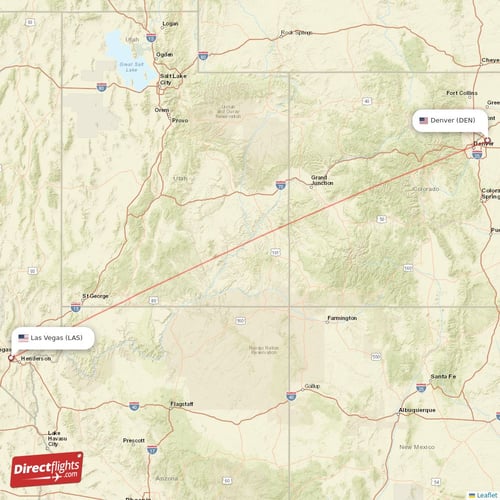
When discussing flight duration, it’s important to differentiate between the time spent airborne and the total travel time. A direct flight from Las Vegas to Denver typically hovers around the two-hour mark. This is the time from when the aircraft leaves the gate at McCarran International Airport (now Harry Reid International Airport) and lands at Denver International Airport. However, this figure rarely represents the complete journey.
Factors Influencing Airborne Time
Several variables can subtly alter the flight time between these two cities:
- Wind Conditions: Prevailing winds, particularly the jet stream, can either expedite or decelerate an aircraft. Flying eastward, as is the case from Las Vegas to Denver, often benefits from tailwinds, potentially shortening the flight. Conversely, headwinds can extend the duration.
- Air Traffic Control: The efficiency of air traffic control systems in both departure and arrival areas plays a significant role. Congestion, holding patterns, or re-routing due to weather or other air traffic can add minutes to the flight.
- Aircraft Type and Speed: Different aircraft have varying cruising speeds. While most commercial jets on this route operate within a similar speed range, minor differences can exist.
- Flight Path Optimization: Airlines constantly work with air traffic control to optimize flight paths for efficiency and safety. These routes are not always the most direct geographical line due to airspace restrictions, weather, and other operational factors.
Beyond the Airborne: Total Travel Considerations
To truly grasp the time commitment for this journey, one must look beyond the flight itself:
- Airport Arrival: It is universally recommended to arrive at the airport at least two hours before a domestic flight, and McCarran International Airport and Denver International Airport are no exceptions. This allows ample time for check-in, security screening, and reaching the gate without undue stress.
- Boarding and Deplaning: The process of boarding the aircraft and then disembarking after landing adds to the overall time. Boarding can take anywhere from 15 to 30 minutes, depending on the aircraft size and passenger cooperation. Deplaning usually takes about 10 to 15 minutes.
- Taxiing: Aircraft do not immediately take off or stop at the gate upon arrival. They taxi on the ground from the gate to the runway and from the runway to the gate. This can add 10 to 20 minutes to the journey at either end.
- Baggage Claim: If you are checking luggage, waiting for it at baggage claim can add another 15 to 30 minutes (or more, depending on the airport and airline).
- Ground Transportation: Once you arrive in Denver, you’ll need to factor in time for ground transportation to your final destination. This could involve waiting for a taxi, rideshare, shuttle, or public transport, and then the drive itself, which can vary significantly based on traffic and distance.
Typical Flight Schedules and Airlines
Several major airlines operate direct flights between Las Vegas and Denver, including United Airlines, Southwest Airlines, and Frontier Airlines. These flights are generally scheduled throughout the day, offering flexibility for travelers.
Daily Flight Frequency
The frequency of flights can vary depending on the season and demand. However, it’s common to find multiple daily departures from both Las Vegas and Denver. This high frequency makes it possible to plan day trips or arrive in Denver in the morning for a full day of activities.
Airline-Specific Considerations
While the core flight time remains similar, different airlines may have slightly different operational procedures that can impact the overall travel experience:
- Check-in and Boarding Policies: Airlines have varying policies regarding check-in deadlines and boarding times. Familiarizing yourself with these in advance can help minimize delays.
- In-flight Services: While most flights between these two cities are relatively short and may not offer extensive in-flight services, understanding what is available (e.g., Wi-Fi, snacks, beverages) can contribute to a more comfortable journey.
Planning Your Travel: Maximizing Efficiency
To make the most of your trip from Las Vegas to Denver, meticulous planning is key. This includes understanding the flight duration in its entirety and aligning it with your itinerary.
Choosing the Right Flight Time
Consider your arrival needs in Denver. If you have an early meeting or wish to explore the city for a full day, an early morning flight is ideal. Conversely, an afternoon or evening flight might be more suitable if you prefer a relaxed start to your day or have evening plans.
Pre-Travel Preparations
- Book in Advance: To secure better fares and ensure availability, it’s advisable to book your flights well in advance, especially during peak travel seasons.
- Online Check-in: Utilize online check-in services offered by airlines to save time at the airport. This allows you to check in up to 24 hours before your flight and often obtain your boarding pass digitally.
- Pack Light: If feasible, packing only a carry-on can significantly speed up your departure from the airport, bypassing baggage claim entirely.
- Understand Airport Layouts: Familiarize yourself with the layouts of McCarran International Airport and Denver International Airport. Knowing the location of your terminal, gates, and amenities can save valuable time.
The Denver Experience: Arrival and Beyond
Upon arrival at Denver International Airport, a vast array of experiences awaits in the Mile High City. Known for its stunning natural beauty, vibrant arts scene, and burgeoning culinary landscape, Denver offers something for every traveler.
From Airport to City Center
Denver International Airport is a major hub, and getting to the city center is straightforward. The RTD A-Line commuter train provides a direct and efficient link between the airport and downtown Denver, taking approximately 37 minutes. Alternatively, taxis, rideshares, and rental car services are readily available for those who prefer other modes of transport.

Exploring Denver’s Attractions
Once you’ve settled in, the city opens up:
- The Rocky Mountains: The majestic Rocky Mountains serve as Denver’s breathtaking backdrop, offering opportunities for hiking, skiing, and exploring national parks like Rocky Mountain National Park.
- Cultural Institutions: Denver boasts a rich cultural scene with institutions such as the Denver Art Museum, the Denver Museum of Nature & Science, and the Colorado Symphony Orchestra.
- Culinary Delights: The city’s food scene is dynamic, with a focus on farm-to-table dining, craft breweries, and innovative international cuisine. Neighborhoods like RiNo Art District and Larimer Square are hotspots for gastronomic exploration.
- Outdoor Activities: Beyond the mountains, Denver itself offers numerous parks and recreational areas, including City Park and the Denver Botanic Gardens.
In conclusion, while the flight time from Las Vegas to Denver is approximately two hours, a comprehensive understanding of the entire travel process, from airport arrival to ground transportation in Denver, is essential for accurate trip planning. By considering all these elements, travelers can ensure a seamless and enjoyable transition between these two dynamic American cities.
LifeOutOfTheBox is a participant in the Amazon Services LLC Associates Program, an affiliate advertising program designed to provide a means for sites to earn advertising fees by advertising and linking to Amazon.com. Amazon, the Amazon logo, AmazonSupply, and the AmazonSupply logo are trademarks of Amazon.com, Inc. or its affiliates. As an Amazon Associate we earn affiliate commissions from qualifying purchases.