
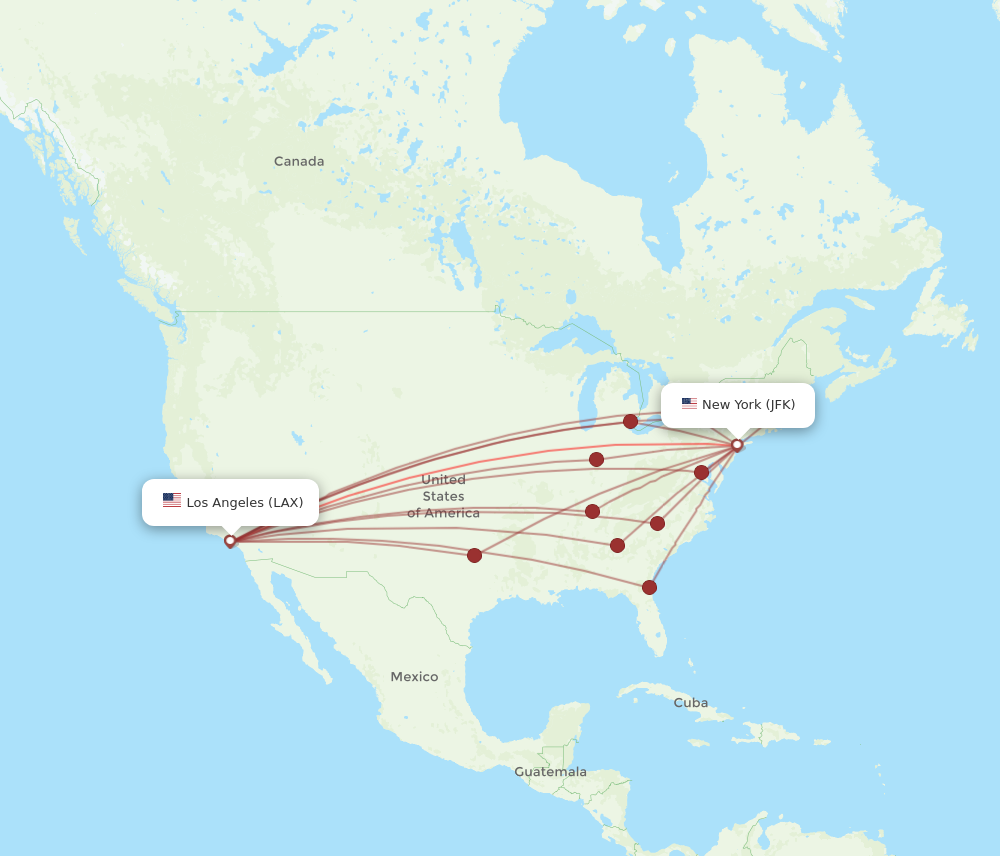
Embarking on a cross-country journey from the sunny shores of Los Angeles International Airport (LAX) to the vibrant energy of New York is a classic American adventure. Whether you’re planning a quick business trip, a leisurely vacation, or a significant life change, understanding the flight duration is a crucial piece of the travel puzzle. The flight from LAX to New York is not a single, fixed duration; it’s a dynamic figure influenced by a variety of factors, from the aircraft’s speed to the ever-changing winds aloft. However, for the typical traveler, the answer to “How long is the flight from LAX to New York?” generally falls within a predictable range.

Understanding Flight Duration: Factors at Play
The seemingly simple question of flight time opens up a fascinating world of aviation logistics and meteorological science. When we talk about flight duration, we’re referring to the time spent in the air, from the moment the wheels leave the runway (takeoff) to the moment they touch down (landing). This period is often contrasted with the total travel time, which includes getting to the airport, check-in, security, boarding, taxiing to the gate upon arrival, and deplaning. For the LAX to New York route, the flight itself is a significant portion of the overall journey.
The Influence of Prevailing Winds
One of the most significant factors affecting flight times across the United States is the presence of the jet stream. This high-altitude current of air generally flows from west to east. Flying eastward from LAX to New York means you’re often riding with the jet stream, which acts like a powerful tailwind, significantly shortening your travel time. Conversely, the return flight from New York to LAX will frequently encounter headwinds from the jet stream, making the journey longer.
This is why a flight from LAX to New York is almost always shorter than the flight from New York to LAX. For instance, while an eastbound flight might average around 5 hours, the westbound journey can easily stretch to 5.5 or even 6 hours, depending on the strength of the jet stream on any given day. Airlines meticulously monitor these wind patterns to optimize flight paths and schedules, but they are inherently variable.
Aircraft Type and Speed
The specific aircraft used by airlines also plays a role. Different models have varying cruising speeds. Modern jetliners, such as those operated by American Airlines, Delta Air Lines, or United Airlines, are designed for efficiency and speed over long distances. While the difference between the cruising speeds of various commercial jets might be marginal in absolute terms, over the approximately 2,500 miles separating Los Angeles and New York, it can contribute to slight variations in flight duration.
Air Traffic Control and Flight Paths
Air traffic control (ATC) plays a vital role in orchestrating the skies. Flight paths are not always direct lines; they are dictated by ATC to ensure safe separation between aircraft, avoid adverse weather, and manage congestion. While airlines aim for the most efficient routes, ATC instructions can sometimes lead to slight detours or holding patterns, which can add a few minutes to the overall flight time. The airspace around major hubs like LAX and New York (which includes airports like John F. Kennedy International Airport (JFK), LaGuardia Airport (LGA), and Newark Liberty International Airport (EWR)) is particularly complex and busy, making efficient ATC management paramount.
Airport Operations: Taxiing and Gate Delays
It’s important to distinguish between “wheels-up” to “wheels-down” time and the total time you spend on the aircraft. Before your flight can even begin its journey, the plane needs to taxi from the gate to the runway, a process that can take anywhere from a few minutes to over half an hour during peak travel times, especially at sprawling airports like LAX. Similarly, upon landing in New York, the aircraft will taxi from the runway to its assigned gate. Delays in these taxiing periods, or waiting for a gate to become available, are common and contribute to the perceived flight duration for passengers.
Typical Flight Durations: LAX to New York
When planning your trip, it’s best to consider a general timeframe for the actual airborne portion of your flight.
Eastbound Flights: LAX to New York
For flights traveling from LAX to New York, you can typically expect the airborne time to be in the range of 4 hours and 50 minutes to 5 hours and 30 minutes. This is the most common westbound-to-eastbound transcontinental flight. The favorable tailwinds from the jet stream are the primary reason for this relatively short duration. This allows for a swift journey, making it possible to have breakfast in California and lunch in New York on the same day.
Westbound Flights: New York to LAX
As mentioned, the return journey from New York to LAX is usually longer due to prevailing westerly winds. Expect the airborne time for this direction to be between 5 hours and 30 minutes to 6 hours and 30 minutes. The difference might seem small, but it’s a consistent pattern that travelers experience. This extended time is a direct consequence of battling headwinds.
Non-Stop vs. Connecting Flights

The durations discussed above pertain to non-stop flights. These are the most convenient and fastest option for traversing the country. However, many travelers opt for flights with one or more connections, often to save money. Connecting flights can significantly increase your total travel time. A flight from LAX to New York with a stopover in a city like Chicago, Denver, or Dallas could easily take 7 to 10 hours or even more, depending on the layover duration and location. While budget airlines might offer lower fares, the added travel time and potential for missed connections are important considerations.
Preparing for Your Transcontinental Journey
Understanding flight times is just one aspect of preparing for a cross-country trip. Several other elements contribute to a smooth and enjoyable experience.
Choosing Your New York Arrival Airport
New York is served by three major airports, each with its own characteristics and best uses:
- John F. Kennedy International Airport (JFK): Located in Queens, JFK is the largest international airport in the New York metropolitan area and a major hub for international and domestic flights. It offers extensive public transportation options, including the AirTrain JFK, which connects to New York City Subway and Long Island Rail Road lines.
- LaGuardia Airport (LGA): Also in Queens, LGA is primarily a domestic airport, handling a large volume of flights from across the United States. It is often favored for its proximity to Manhattan and its focus on short-haul and medium-haul routes. Public transportation is available via bus routes connecting to subway stations.
- Newark Liberty International Airport (EWR): Situated in Newark, New Jersey, EWR is the third major airport serving the New York metropolitan area and is a hub for United Airlines. Like JFK, it has an AirTrain that connects to NJ Transit trains, offering direct service to Penn Station in Manhattan.
The airport you choose to fly into can impact your arrival experience and your onward journey into the city. Factors like traffic to and from the airport, available public transport, and the airline you choose will influence your decision.
Booking Your Flight and Accommodation
When booking your flight, always double-check the estimated flight duration and factor in any layovers. Websites and apps that compare flights from various airlines can be invaluable in finding the best options that balance cost and travel time. Once your flight is secured, you’ll need to consider your accommodation. New York offers a vast array of options, from luxurious hotels in Midtown Manhattan to charming boutique hotels in SoHo or more budget-friendly options in Brooklyn.
For travelers seeking a more immersive experience, consider renting an apartment for a longer stay, providing a home-away-from-home feel. Resorts are less common within the immediate New York city limits, but a quick trip to surrounding areas like the Hamptons might offer resort-style amenities. Regardless of your preference, booking your accommodation in advance is highly recommended, especially during peak tourist seasons, to secure the best rates and availability.
Packing and Preparing for the Time Difference
Los Angeles operates on Pacific Time (PT), while New York operates on Eastern Time (ET). This is a three-hour time difference. When you fly east, you are gaining time. For example, if you depart LAX at 9:00 AM PT, you will arrive in New York around 5:00 PM ET, even though the flight was only about 5 hours. This time difference can contribute to jet lag, so it’s wise to adjust your sleep schedule accordingly before your trip or upon arrival. Pack light, comfortable clothing suitable for New York‘s weather, which can vary significantly by season.
Navigating New York: From Airport to Attractions
Upon arrival at your chosen New York airport, your journey continues. Understanding transportation options from the airport is key to a seamless transition into the city’s rhythm.
Ground Transportation Options
- Taxis and Ride-Sharing Services: Available at all major airports, these offer door-to-door convenience but can be costly, especially during peak traffic hours.
- Public Transportation: As mentioned, AirTrains at JFK and EWR connect to commuter rail services, providing efficient and affordable links to Manhattan. LaGuardia is accessible via bus routes that connect to the New York City Subway. This is often the most economical choice and allows you to experience the city like a local.
- Airport Shuttles: Shared van services can be a good compromise between cost and convenience, often stopping at multiple hotels.
Once you’ve reached your accommodation, New York‘s extensive public transportation system, including the Subway and buses, will be your primary mode of getting around to explore its iconic landmarks and diverse neighborhoods. Whether you’re headed to the Statue of Liberty, Times Square, Central Park, or the Metropolitan Museum of Art, the city is well-connected.
Experiencing New York’s Lifestyle
New York is a city that never sleeps, offering an unparalleled lifestyle for visitors. From the glitz of luxury travel in Fifth Avenue boutiques to the vibrant street art of Bushwick, there’s something for every traveler. Foodies can embark on culinary tours, sampling everything from street vendor hot dogs to Michelin-starred dining experiences. For those interested in culture and history, the city boasts world-class museums, historic neighborhoods like Greenwich Village, and architectural marvels. Family trips can find endless entertainment in places like the Bronx Zoo or the New York Hall of Science. Business stays can be complemented by exploring the city’s commercial hubs and networking opportunities. The diversity of experiences ensures that every visit to New York is unique, whether it’s a brief business stay or an extended exploration of its multifaceted attractions.
In conclusion, while the direct flight from LAX to New York is a relatively short five to six hours in the air, the entire travel experience encompasses much more. By understanding the influencing factors, planning your journey carefully, and preparing for the time difference, you can ensure your transition from the West Coast to the East Coast is as smooth and enjoyable as possible, allowing you to fully immerse yourself in the magic of New York.
LifeOutOfTheBox is a participant in the Amazon Services LLC Associates Program, an affiliate advertising program designed to provide a means for sites to earn advertising fees by advertising and linking to Amazon.com. Amazon, the Amazon logo, AmazonSupply, and the AmazonSupply logo are trademarks of Amazon.com, Inc. or its affiliates. As an Amazon Associate we earn affiliate commissions from qualifying purchases.