
The allure of crossing the Atlantic, from the sun-drenched shores of California to the historic charm of London, is a dream for many travelers. Whether you’re planning a whirlwind business trip, a leisurely vacation exploring iconic landmarks, or simply seeking a change of scenery, understanding the practicalities of the journey is paramount. Chief among these is the flight duration. The question, “How long is the flight from Los Angeles to London?” is a fundamental piece of information that shapes travel plans, influences packing strategies, and sets expectations for the transatlantic adventure.
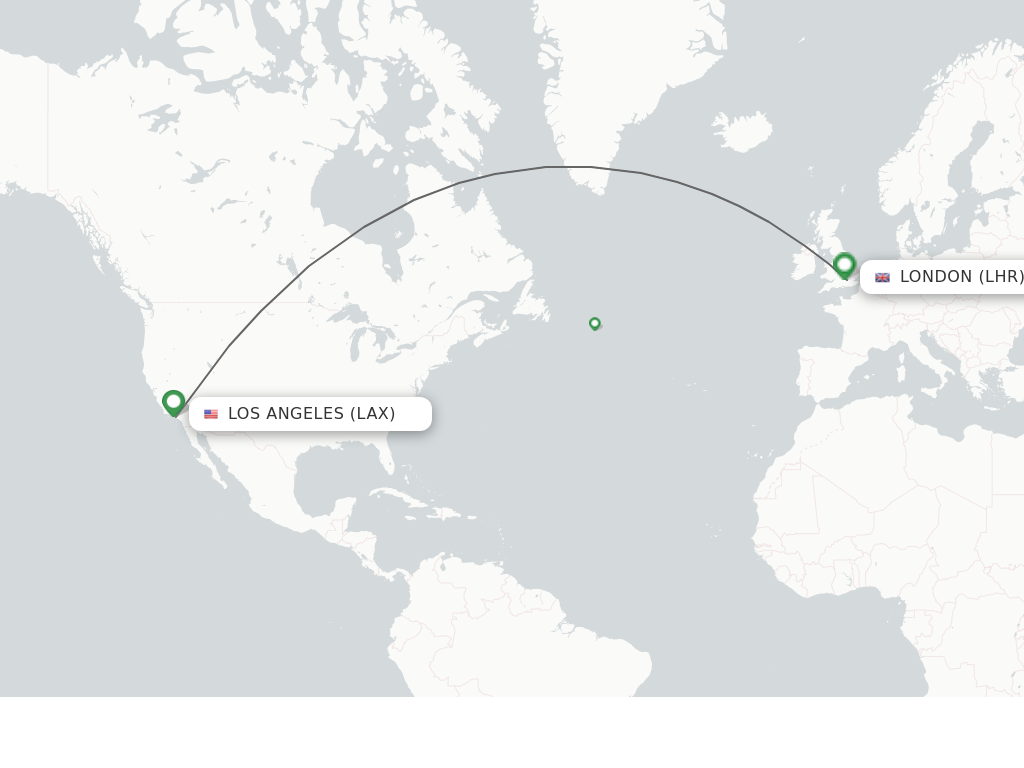
This extensive flight, traversing approximately 5,400 miles (8,700 kilometers), is a significant undertaking. Factors such as headwinds, tailwinds, the specific flight path chosen by the airline, and the type of aircraft all contribute to the total time spent in the air. While a direct flight is the most efficient way to make this journey, understanding the typical range of flight times allows for better planning and can even influence the choice of airline and departure time.
The Direct Flight Experience: Speed and Efficiency
When embarking on the journey from Los Angeles to London, the most sought-after option is a direct, non-stop flight. These flights bypass the need for layovers, offering the quickest and most convenient way to reach your destination. Airlines operating this route prioritize efficiency, aiming to minimize travel time for their passengers.
Average Direct Flight Duration
On average, a direct flight from Los Angeles International Airport (LAX) to London Heathrow Airport (LHR) or London Gatwick Airport (LGW) will typically last between 9 and 10 hours. This figure can fluctuate slightly. For instance, flights traveling eastbound from Los Angeles to London often benefit from tailwinds, which are prevailing winds blowing in the same direction as the aircraft’s motion. These tailwinds can shave off precious minutes, sometimes bringing the flight time closer to the 9-hour mark. Conversely, westbound flights (from London to Los Angeles) may experience headwinds, increasing the flight duration to around 10 hours or even slightly more.
Several major airlines offer direct services on this route, including well-known carriers like British Airways, Virgin Atlantic, and American Airlines. These airlines operate modern, wide-body aircraft designed for long-haul travel, such as the Boeing 777 or Boeing 787 Dreamliner. These planes are equipped with amenities designed to enhance passenger comfort on such an extended journey, including improved cabin pressurization, larger windows, and advanced entertainment systems.
Factors Influencing Direct Flight Times
While the average is a useful benchmark, several dynamic factors can influence the precise flight time:
- Jet Streams: The jet stream, a high-altitude air current, plays a significant role. Flying with a tailwind from the jet stream can reduce flight time, while flying against it can increase it. The strength and position of these streams vary daily.
- Air Traffic Control: Air traffic volume over busy airspace, particularly near major hubs like New York or over the North Atlantic, can lead to slight delays or require the aircraft to fly a less direct route to maintain safe separation from other aircraft.
- Aircraft Type and Performance: While airlines use similar aircraft types on this route, subtle differences in engine efficiency and aerodynamic design can contribute to minor variations in speed.
- Flight Path Optimization: Airlines continuously optimize their flight paths for fuel efficiency and time. This can involve adjusting altitude and routing based on real-time weather data and air traffic conditions.
For travelers prioritizing speed and minimizing travel fatigue, booking a direct flight is undoubtedly the best strategy. Websites and apps that compare flight options will typically display the estimated flight duration, allowing for informed choices.
Indirect Flights: When Layovers Extend the Journey
While direct flights offer the ultimate in speed, indirect flights, or those with one or more layovers, are also a common option for travelers. These flights can sometimes be more budget-friendly or may be the only available option depending on specific travel dates and times. However, they invariably add significant time to the overall journey.
Common Layover Destinations
Flights from Los Angeles to London with layovers typically involve a stop in another major city, often within the United States or occasionally in Canada. Popular layover cities include:
- Chicago: A major hub for American Airlines, offering numerous connections.
- New York: Both JFK and Newark airports serve as key gateways for transatlantic flights.
- Boston: Another significant East Coast hub.
- Toronto: A common stop for flights operated by Air Canada.
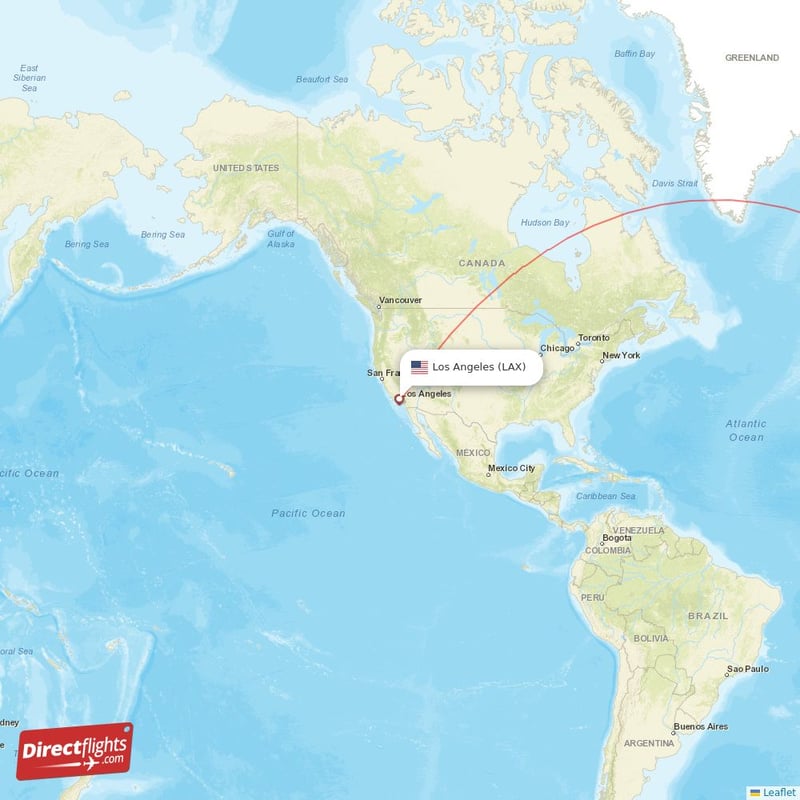
Less frequently, a layover might occur in a European city like Reykjavik, Iceland, particularly with airlines like Icelandair, which often positions itself as a convenient transit point for North American travelers heading to Europe.
Total Travel Time with Layovers
The total travel time for an indirect flight can vary dramatically depending on the length of the layover. A short layover might add 2-3 hours to the journey, while a longer layover of several hours can extend the total travel time to 12, 15, or even over 20 hours. This includes the time spent on the ground at the transit airport, boarding, deplaning, and potentially changing terminals.
When considering an indirect flight, it’s crucial to look at the total elapsed time rather than just the flight time between stops. A seemingly shorter flight duration between Los Angeles and the layover city, followed by a lengthy wait before the onward journey to London, can make the overall experience considerably longer and more tiring.
Benefits and Drawbacks of Indirect Flights
Benefits:
- Potentially Lower Cost: Indirect flights are often cheaper than direct services, especially if booked in advance or during peak travel seasons.
- Opportunity to Break Up the Journey: For some, a layover can be an opportunity to stretch their legs, grab a meal, or even briefly explore a new city if the layover is long enough.
Drawbacks:
- Significantly Longer Travel Time: The most obvious drawback is the extended duration of the trip.
- Increased Risk of Missed Connections: Delays on the first leg of the journey can lead to missed connections and subsequent disruptions to travel plans.
- Luggage Handling Concerns: While typically seamless, there’s a slightly increased chance of luggage being misrouted with multiple transfers.
- Fatigue: Spending more time in airports and on planes, even with breaks, can lead to greater fatigue.
For those on a tighter budget or with more flexible schedules, indirect flights can be a viable option, but careful consideration of the total travel time and potential for delays is essential.
Maximizing Comfort and Minimizing Jet Lag on Your Transatlantic Flight
A flight from Los Angeles to London is a considerable journey, and as such, taking steps to maximize comfort and mitigate the effects of jet lag is crucial for a positive travel experience. This involves preparation before, during, and after the flight.
Preparing for the Flight
- Choose Your Seat Wisely: If possible, select a seat that suits your needs. Window seats offer a place to lean and rest your head, while aisle seats provide easier access for stretching. For those seeking an enhanced experience, premium economy or business class cabins offer more space, better recline, and improved service, which can significantly reduce fatigue. Many airlines offer the ability to select seats in advance, sometimes for a fee.
- Pack Smart: Bring essentials for the flight in your carry-on luggage. This includes a neck pillow, eye mask, earplugs, comfortable clothing that can be layered, and any personal items that will help you relax, such as a book or noise-canceling headphones.
- Stay Hydrated: Dehydration can exacerbate jet lag symptoms. Drink plenty of water in the hours leading up to your flight and throughout the journey. Avoid excessive alcohol and caffeine, as they can contribute to dehydration and disrupt sleep patterns.
During the Flight
- Move Around: It’s essential to get up and walk around the cabin periodically. This helps with circulation, reduces the risk of deep vein thrombosis (DVT), and can prevent stiffness. Simple in-seat stretches can also be beneficial.
- Adjust to London Time: As soon as you board, set your watch to London time. Try to sleep when it’s night in London and stay awake when it’s daytime. This mental adjustment is a powerful tool against jet lag.
- Utilize In-Flight Entertainment: Modern aircraft offer extensive in-flight entertainment systems. Watching movies, listening to music, or playing games can help pass the time and distract you from the duration of the flight.
- Light Meals: Opt for lighter meals during the flight. Heavy, rich foods can make you feel sluggish.

Arrival and Post-Flight
- Expose Yourself to Daylight: Upon arrival in London, try to get as much natural sunlight as possible. This helps to recalibrate your body’s internal clock.
- Gentle Activity: Engage in light physical activity, such as a walk, to help you stay alert during the day.
- Resist Napping: If you feel tired during the day in London, try to resist the urge to take long naps. Short, power naps of 20-30 minutes are acceptable, but prolonged sleep will make it harder to adjust to the new time zone.
- Stick to Local Meal Times: Eat your meals at the appropriate times for London. This further reinforces the new schedule for your body.
By proactively managing your comfort and sleep patterns, you can significantly reduce the impact of jet lag, ensuring you arrive in London feeling refreshed and ready to explore the many wonders the city has to offer, from the historic Tower of London to the vibrant West End theatre district. Whether you’re staying at a luxurious The Ritz London or a cozy bed and breakfast, starting your trip feeling your best is key to a memorable experience.
LifeOutOfTheBox is a participant in the Amazon Services LLC Associates Program, an affiliate advertising program designed to provide a means for sites to earn advertising fees by advertising and linking to Amazon.com. Amazon, the Amazon logo, AmazonSupply, and the AmazonSupply logo are trademarks of Amazon.com, Inc. or its affiliates. As an Amazon Associate we earn affiliate commissions from qualifying purchases.