
Embarking on a journey from the northern hemisphere to the southern reaches of the globe is an adventure of epic proportions. Specifically, the route from Los Angeles to Sydney is one of the most iconic long-haul flights in the world. It connects two of the most vibrant coastal cities on Earth, spanning the vast expanse of the Pacific Ocean. For many travelers, the primary question before booking is logistical: how long will I actually be in the air? Understanding the duration, the route, and the nuances of transpacific travel is essential for planning a successful trip to Australia.
Analyzing the Transpacific Journey: Direct Flight Durations
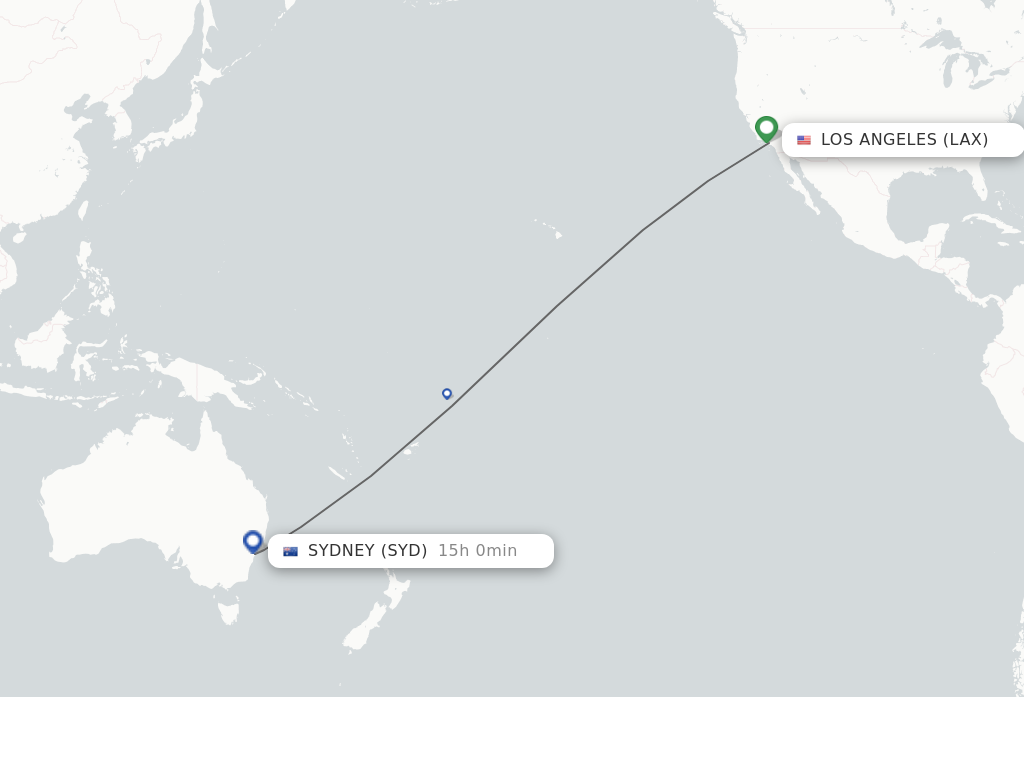
When flying from Los Angeles International Airport to Sydney Kingsford Smith Airport, the time spent in the air is significant. On average, a direct flight from California to New South Wales takes approximately 15 hours and 15 minutes. However, this is not a static number, as several variables can influence the exact time you spend in your seat.
The Impact of Jet Streams and Wind Patterns
The duration of the flight is heavily influenced by the jet stream—high-altitude air currents that move from west to east. When traveling from North America to Oceania, planes are often flying against these prevailing winds. This “headwind” can add time to the journey, making the westbound flight to Sydney longer than the eastbound return to the United States. On the return leg, the “tailwind” can often shave an hour or more off the total flight time, sometimes resulting in a journey of just under 14 hours.
Flight Path and Great Circle Routes
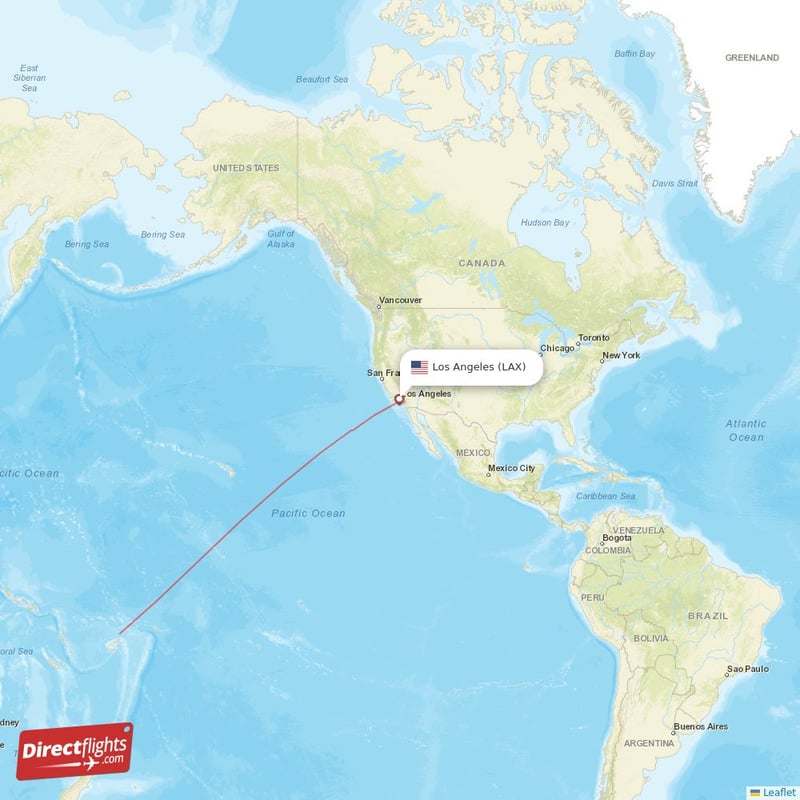
Airlines do not fly in a straight line as it would appear on a flat map. Instead, they follow “Great Circle” routes, which account for the curvature of the Earth. This path takes aircraft out over the deep blue of the Pacific Ocean, often passing near islands like Hawaii or Fiji, even if they do not stop there. Pilots and dispatchers constantly monitor weather patterns and turbulence to adjust the flight path, which can slightly alter the estimated arrival time.
Choosing Your Route: Non-Stop vs. Layovers
While many travelers prefer the efficiency of a non-stop flight, others choose to break up the journey. Your choice of route significantly impacts the total travel time, turning a 15-hour flight into a 20-hour or even 30-hour odyssey.
Popular Layover Hubs in the Pacific
For those who find 15 hours in a cabin daunting, several stopover options exist. One of the most popular choices is stopping in Honolulu. This allows travelers to enjoy the beaches of Oahu before continuing the trek across the ocean. Another common connection point is Auckland in New Zealand. Flying with Air New Zealand often involves a short layover at Auckland Airport before a quick three-hour hop across the Tasman Sea to reach Sydney.
The Pros and Cons of Breaking the Journey
The primary advantage of a layover is the ability to stretch your legs, breathe fresh air, and perhaps even explore a new city. Hubs like Nadi in Fiji offer a tropical reprieve that can make the transition between time zones feel less jarring. However, the downside is the increased total travel duration. Layovers involve taxiing, deplaning, navigating security again, and waiting at the gate, which can be exhausting for those who simply want to reach their destination and begin their Australian adventure.
Onboard Experience and Airline Comparisons
Given the length of the flight, the airline you choose plays a pivotal role in your overall travel experience. Several major carriers operate this route, each offering different levels of comfort and service.
Major Carriers Operating the Route
Qantas Airways, the flag carrier of Australia, is a popular choice for this route, often utilizing the Airbus A380 or the Boeing 787 Dreamliner. United Airlines, Delta Air Lines, and American Airlines also provide daily direct services. Each airline competes heavily on this route, meaning passengers can often benefit from high-quality in-flight entertainment, multi-course meals, and complimentary beverages.
Cabin Comforts for the Long Haul
On a flight of this magnitude, the cabin class you select makes a world of difference. Premium Economy has become a highly sought-after middle ground, offering more legroom and better recline than standard Economy. For those seeking the ultimate luxury, Business Class seats on Qantas or the Delta One suites provide lie-flat beds, ensuring you arrive in Sydney feeling refreshed. Even in Economy, modern aircraft like the Dreamliner feature higher humidity levels and optimized cabin pressure to reduce the physical toll of long-distance travel.
Navigating the Time Zone Shift and Jet Lag
One of the most mind-bending aspects of flying from Los Angeles to Sydney is the crossing of the International Date Line. This geographical marker essentially means you “lose” a calendar day when traveling west.
The International Date Line Explained
When you depart from California late at night, you will spend the night over the Pacific Ocean. Because you are crossing the International Date Line, you will land in Sydney two days later according to the calendar, even though only 15 hours have passed. For example, a flight departing Friday night will arrive Sunday morning. On the return trip, the opposite happens; you can leave Sydney in the afternoon and land in Los Angeles on the same day, sometimes even earlier than your departure time!
Strategies for Managing Jet Lag
To minimize the impact of the 17 to 19-hour time difference (depending on Daylight Savings), experts recommend adjusting your internal clock before you even board the plane. Hydration is key; the dry air of the cabin can exacerbate the symptoms of jet lag. Many travelers find success by immediately setting their watch to Sydney time and eating meals according to the destination’s schedule. Once you land, try to stay awake until at least 8:00 PM local time to help your body synchronize with the Australian sun.
Arrival in the Emerald City: Your First Steps in Sydney
Touching down at Sydney Kingsford Smith Airport is an exhilarating feeling. After clearing customs and immigration, the beauty of the city is just a short trip away.
From the Airport to the City Center
The airport is conveniently located just about 8 kilometers from the Sydney Central Business District. The most efficient way to reach the heart of the city is via the Airport Link train, which whisks passengers to Central Station or Circular Quay in less than 20 minutes. Alternatively, taxis and rideshare services are readily available, providing a scenic drive past the suburbs of Mascot and Alexandria.
Iconic First Stops for Travelers
Most flights from Los Angeles arrive in the early morning. While you wait for your hotel room to be ready, there is no better way to wake up than by visiting Circular Quay. Here, you can witness the majestic Sydney Opera House and the towering Sydney Harbour Bridge in the morning light. A stroll through The Rocks, the city’s historic district, offers a glimpse into the colonial past of Australia. If you need to shake off the flight stiffness, a trip to Bondi Beach for the famous Bondi to Coogee Coastal Walk provides stunning views of the Tasman Sea and that fresh salt air that is the perfect antidote to a 15-hour flight.
The flight from Los Angeles to Sydney is undeniably long, but it is the gateway to one of the most beautiful continents on the planet. By choosing the right airline, understanding the time changes, and preparing for the duration, the journey becomes an integral and even enjoyable part of the overall travel experience. Whether you are heading to see the Great Barrier Reef or the rugged Blue Mountains, your adventure begins the moment you lift off from the runway in California.
LifeOutOfTheBox is a participant in the Amazon Services LLC Associates Program, an affiliate advertising program designed to provide a means for sites to earn advertising fees by advertising and linking to Amazon.com. Amazon, the Amazon logo, AmazonSupply, and the AmazonSupply logo are trademarks of Amazon.com, Inc. or its affiliates. As an Amazon Associate we earn affiliate commissions from qualifying purchases.