
The journey across the Pacific Ocean from Los Angeles, United States to Tokyo, Japan is a quintessential long-haul experience, connecting two vibrant global hubs. For many travelers, the immediate question is, “How long will I be in the air?” While the direct answer hovers around 10 to 12 hours, the actual travel time and the overall experience are influenced by a myriad of factors, from the airline and aircraft type to potential layovers and even the direction of travel. This guide delves into everything you need to know about this significant trans-Pacific flight, offering insights into what affects your journey, how to prepare for comfort, and what awaits you in the incredible destination of Tokyo. Whether you’re planning a vacation, a business trip, or a long-term stay, understanding the nuances of this flight is key to a seamless and enjoyable travel experience.
Understanding Flight Durations: Factors at Play
The duration of a flight between Los Angeles and Tokyo isn’t a fixed number; rather, it’s a dynamic calculation influenced by several key elements. Knowing these factors can help travelers anticipate their journey more accurately and plan accordingly.
Direct vs. Connecting Flights
The most significant determinant of your total travel time is whether you opt for a direct (non-stop) flight or one with layovers.
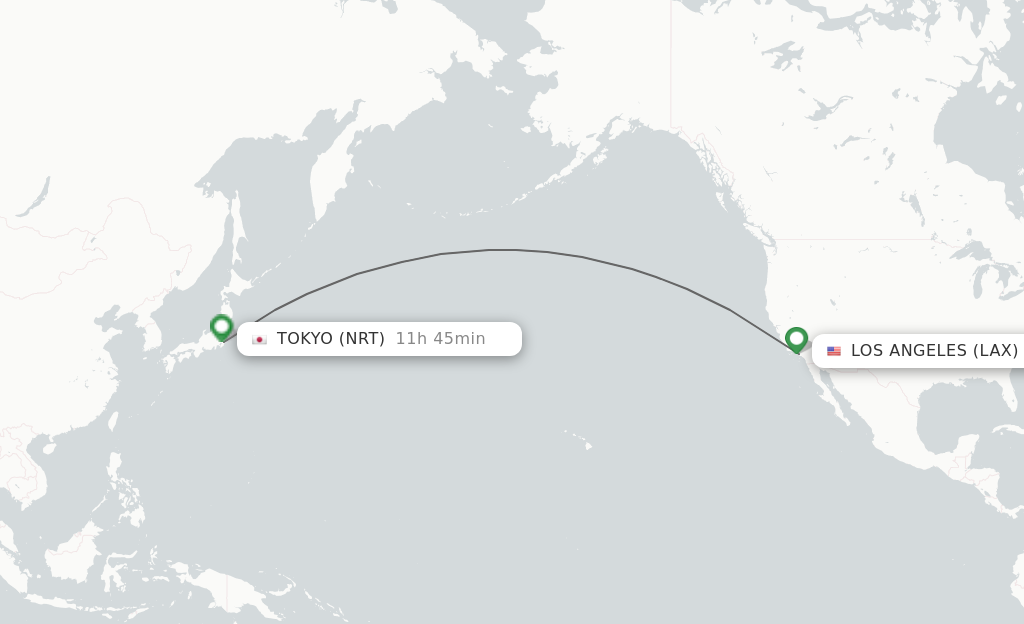
A direct flight from Los Angeles International Airport (LAX) to either Narita International Airport (NRT) or Tokyo Haneda Airport (HND) typically ranges from 10 hours and 30 minutes to 11 hours and 45 minutes. Flights to Tokyo (westbound) are generally slightly shorter than flights from Tokyo (eastbound) due to the prevailing jet stream currents over the Pacific. Eastbound flights can extend to 11 hours and 45 minutes or even 12 hours.
Connecting flights, while sometimes offering more competitive pricing or convenient departure times, will significantly extend your travel duration. A layover in another major Asian city like Seoul, Taipei, Hong Kong, or even other North American hubs like San Francisco or Vancouver can add anywhere from 3 to 10+ hours to your journey, depending on the layover length. While these can be opportunities to stretch your legs or even explore a new city for a brief period, they generally mean a total travel time of 15 to 20+ hours door-to-door. For those prioritizing speed and minimizing time in transit, direct flights are undoubtedly the preferred choice.
Aircraft Type and Airspace
Modern aviation technology plays a crucial role in flight efficiency and speed. Airlines operating the Los Angeles to Tokyo route frequently utilize advanced, long-range aircraft designed for trans-Pacific travel. Common models include the Boeing 787 Dreamliner, Airbus A350, and Boeing 777. These aircraft are equipped with powerful, fuel-efficient engines and often fly at higher altitudes, allowing them to take advantage of favorable atmospheric conditions, such as the jet stream.
The specific flight path taken also impacts duration. Airspace management, air traffic control, and geopolitical considerations determine the precise route. Pilots and dispatchers continuously monitor weather patterns and air traffic to select the most efficient and safest flight path, which can lead to slight variations in flight time on a day-to-day basis. For instance, strong tailwinds (wind blowing in the direction of flight) can shave off precious minutes or even a full hour from the journey, making the westbound flight notably quicker than the eastbound return.
Weather and Air Traffic Control
While not usually impacting the base flight duration drastically, external factors like severe weather conditions or air traffic control delays can cause slight variations. Unfavorable winds or turbulence might necessitate a longer route or slower cruising speed. Similarly, heavy air traffic at either LAX or the Tokyo airports (NRT or HND) could lead to holding patterns, runway congestion, or gate delays, adding minutes to the overall journey time. These factors are typically minor but can contribute to the unpredictability of exact arrival times, making flexible planning a wise approach.
Preparing for Your Trans-Pacific Journey
A long-haul flight across the Pacific requires thoughtful preparation to ensure comfort and minimize the effects of travel fatigue. From choosing your airline to packing essentials, every detail contributes to a smoother journey.
Choosing the Right Airline and Class
Several world-class airlines operate direct flights between Los Angeles and Tokyo, each offering distinct experiences. Major carriers include Japan Airlines (JAL), All Nippon Airways (ANA), Delta Air Lines, United Airlines, and American Airlines.
Consider factors like:
- Reputation for Service: Japanese airlines (JAL, ANA) are renowned for their exceptional service, punctuality, and in-flight amenities, even in Economy class.
- Aircraft and Seating: Research the specific aircraft type for your flight. Newer planes like the Boeing 787 Dreamliner and Airbus A350 often feature better cabin pressurization, humidity levels, and larger windows, which can significantly enhance comfort on long flights.
- Class of Service:
- Economy Class: Offers the most budget-friendly option. Look for airlines known for good legroom and entertainment systems.
- Premium Economy: A popular choice for those seeking more comfort without the Business Class price tag. It typically offers wider seats, more legroom, enhanced meal service, and dedicated check-in.
- Business Class: Provides lie-flat seats, gourmet dining, priority boarding, and lounge access, making the 10-12 hour flight feel much shorter and more relaxing.
- First Class: The epitome of luxury travel, offering private suites, personalized service, and exquisite dining.
Your choice of airline and class will profoundly impact your in-flight experience, from the quality of meals and entertainment to the amount of personal space you have to relax.
Essential Packing and In-Flight Comfort Tips
A long flight demands smart packing and a proactive approach to comfort.
- Stay Hydrated: The cabin air can be very dry. Drink plenty of water before, during, and after your flight. Avoid excessive caffeine and alcohol.
- Comfortable Attire: Wear loose, comfortable clothing and layers, as cabin temperatures can fluctuate. Compression socks can help with circulation and reduce swelling.
- Sleep Aids: A good quality neck pillow, eye mask, and earplugs or noise-canceling headphones are indispensable for getting some rest.
- Entertainment: While in-flight entertainment is usually available, load your personal devices with movies, TV shows, podcasts, or e-books as a backup or for specific preferences.
- Snacks: Pack your favorite non-liquid snacks in case airline meals don’t suffice or for specific dietary needs.
- Hygiene Kit: A small bag with a toothbrush, toothpaste, moisturizer, lip balm, and hand sanitizer can make a big difference in feeling refreshed.
- Movement: Get up and walk around the cabin every few hours, or perform simple stretches in your seat to promote blood circulation and prevent stiffness.
- Combatting Jet Lag: Adjust your sleep schedule to Tokyo time a few days before departure. Once onboard, try to sleep during Tokyo’s night hours. Upon arrival, expose yourself to natural light and try to stick to the local schedule as much as possible.
Navigating Los Angeles International Airport (LAX) and Narita/Haneda
Both LAX and Tokyo’s airports are major international hubs, and navigating them efficiently can reduce stress.
- LAX: Arrive well in advance, especially during peak travel times. Check your terminal beforehand, as LAX is vast and involves different terminals for various airlines. Utilize online check-in and luggage drop-off where possible. Consider using a lounge if you have access, as it provides a quiet space away from the crowds.
- Narita International Airport (NRT): Located further from central Tokyo, NRT is well-connected by the Narita Express (N’EX) train, Keisei Skyliner, and various limousine buses. These services offer efficient transport to major Tokyo stations and hotels in districts like Shinjuku, Ginza, and Shibuya.
- Tokyo Haneda Airport (HND): Much closer to the city center, HND is a popular choice for its convenience. It’s easily accessible via the Keikyu Line and Tokyo Monorail, connecting to major areas within 30-40 minutes. Taxis and limousine buses are also readily available.
Familiarize yourself with customs and immigration procedures for Japan, which are generally efficient but can involve queues. Ensure all necessary travel documents are easily accessible.
Exploring Tokyo: Beyond the Flight
Once your flight lands and you’ve navigated through the airport, the sprawling metropolis of Tokyo awaits. Tokyo offers an unparalleled blend of ancient traditions and futuristic innovation, providing an endless array of experiences for every type of traveler.
Top Attractions and Cultural Experiences
Tokyo is a city of contrasts and endless discovery, brimming with iconic landmarks and immersive cultural experiences.
- Historic Sites: Begin with the serene beauty of the Meiji Jingu Shrine, a tranquil oasis dedicated to Emperor Meiji and Empress Shoken. Explore the magnificent grounds of the Imperial Palace, the primary residence of the Emperor of Japan, or step back in time in Asakusa to visit the ancient Senso-ji Temple, Tokyo’s oldest temple.
- Modern Marvels: Ascend the Tokyo Tower or the even taller Tokyo Skytree for breathtaking panoramic views of the city. Witness the iconic chaos of Shibuya Crossing, a testament to Tokyo’s bustling energy. Immerse yourself in the digital art installations at teamLab Planets in Toyosu.
- Cultural Immersion: Wander through the trendy streets of Harajuku, famous for its unique fashion and youth culture. Delve into the electronics paradise of Akihabara, the hub of anime, manga, and gaming. Experience the vibrant nightlife and entertainment options in Shinjuku and Roppongi. For families, Disneyland Tokyo offers magical adventures just outside the city.
Accommodation Choices in Tokyo
Tokyo’s accommodation landscape is as diverse as its districts, catering to every budget and preference.
- Luxury Hotels: For an indulgent stay, consider world-renowned brands like the Four Seasons, Ritz-Carlton, Mandarin Oriental, Conrad Hotels & Resorts, or the iconic Park Hyatt Tokyo. These hotels often boast incredible views, Michelin-starred dining, and unparalleled service, often found in prestigious areas like Ginza, Shinjuku, or Marunouchi.
- Mid-Range and Boutique Hotels: Excellent options from brands like Hyatt, Hilton, and Marriott offer comfortable stays with great amenities across various districts. Boutique hotels provide a more personalized and often uniquely designed experience.
- Budget-Friendly Options: Tokyo also excels in providing clean, efficient, and affordable accommodation. Business hotels (like Toyoko Inn or APA Hotel chains), capsule hotels, and guesthouses are prevalent, especially around major train stations.
When choosing your accommodation, consider its proximity to public transportation (the Tokyo Metro and JR lines are superb) and the attractions you wish to visit.
Culinary Adventures
Tokyo’s food scene is legendary, holding the record for the most Michelin-starred restaurants in the world. From high-end dining to humble street food, every meal is an adventure.
- Sushi and Sashimi: Experience authentic sushi at a traditional omakase counter or at the famous Tsukiji Outer Market (formerly the main wholesale market).
- Ramen and Udon: Slurp your way through countless ramen shops, each with its unique broth and toppings, or enjoy a comforting bowl of udon noodles.
- Izakayas: Dive into the lively atmosphere of an izakaya, a Japanese-style gastropub, for small plates, drinks, and lively conversation.
- Street Food: Sample delicious street food in areas like Asakusa or at festivals, including takoyaki (octopus balls), yakitori (grilled skewers), and crepes.
- Cafés and Bakeries: Tokyo also boasts an incredible array of stylish cafés and bakeries offering exquisite pastries and specialty coffee.
Exploring Tokyo’s culinary landscape is a journey in itself, reflecting the country’s meticulous attention to detail and dedication to quality.
Making the Most of Your Trip: Lifestyle and Budget Considerations
Planning a trip to Tokyo involves more than just booking a flight and hotel; it requires aligning your expectations and budget with your desired lifestyle and travel experience.
Luxury vs. Budget Travel
Tokyo can cater to every budget, from opulent indulgence to savvy savings.
- Luxury Travel: If you dream of private tours, staying in five-star suites with stunning skyline views, dining at Michelin-starred restaurants, and experiencing personalized services, Tokyo offers an abundance of high-end options. Think exclusive shopping in Ginza, private tea ceremonies, and lavish ryokan (traditional inn) stays just outside the city.
- Budget Travel: For those mindful of expenses, Tokyo is still incredibly accessible. Utilize the efficient public transportation system, stay in well-maintained capsule hotels or guesthouses, and seek out delicious and affordable meals at ramen shops, convenience stores (konbini), or local eateries. Many of Tokyo’s most famous landmarks, like Shibuya Crossing, Meiji Jingu Shrine, and Ueno Park, are free to visit. Smart planning, such as purchasing a Japan Rail Pass or using IC cards for transport, can also lead to significant savings.
Family Trips and Business Stays
Tokyo is a remarkably safe and accommodating city for all types of travelers.
- Family Trips: Japan is incredibly family-friendly. Consider attractions like Disneyland Tokyo or DisneySea, the Ghibli Museum (book well in advance!), and interactive museums. Many hotels offer family-sized rooms, and public facilities are often equipped with amenities for children.
- Business Stays: For business travelers, Tokyo offers excellent connectivity, state-of-the-art conference facilities, and a professional environment. Areas like Marunouchi, Otemachi, and Shinjuku are popular for business hotels and corporate offices. High-speed internet is ubiquitous, and transportation is exceptionally reliable.
In conclusion, the flight from Los Angeles to Tokyo is a manageable 10.5 to 12-hour journey, a small investment of time for the incredible experiences that await in one of the world’s most captivating cities. By understanding the flight dynamics, preparing thoughtfully for comfort, and planning your Tokyo adventures, you ensure that your trans-Pacific journey is not just a means to an end, but an integral and enjoyable part of your overall travel narrative.
LifeOutOfTheBox is a participant in the Amazon Services LLC Associates Program, an affiliate advertising program designed to provide a means for sites to earn advertising fees by advertising and linking to Amazon.com. Amazon, the Amazon logo, AmazonSupply, and the AmazonSupply logo are trademarks of Amazon.com, Inc. or its affiliates. As an Amazon Associate we earn affiliate commissions from qualifying purchases.