
The journey between the vibrant, sun-soaked beaches of Miami, Florida, and the bustling, iconic cityscape of New York City, New York, is one of the most popular air routes in the United States. Whether you’re a business traveler jetting between financial hubs, a tourist seeking a change of scenery, or visiting family, understanding the duration of this flight is crucial for planning. While the exact time can fluctuate based on various factors, a direct flight typically spans a relatively short and manageable period, connecting two of the nation’s most dynamic urban centers with remarkable efficiency. This article delves into the specifics of this aerial commute, offering insights into what influences flight times and how to best prepare for your journey.
Understanding the Direct Flight Duration
The question of “how long” is central to travel planning. For the Miami to New York City route, the answer for a direct flight is pleasantly brief, making it an accessible hop for millions each year.
The Standard Non-Stop Journey
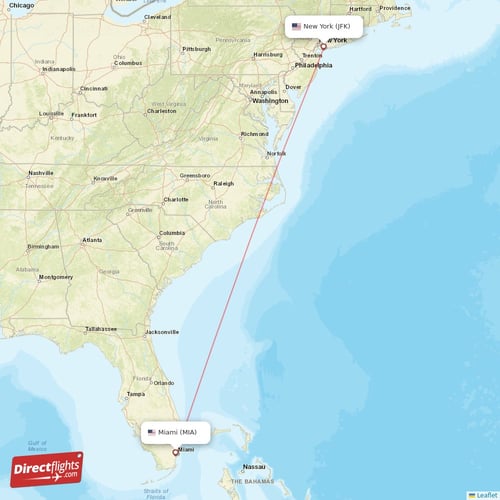
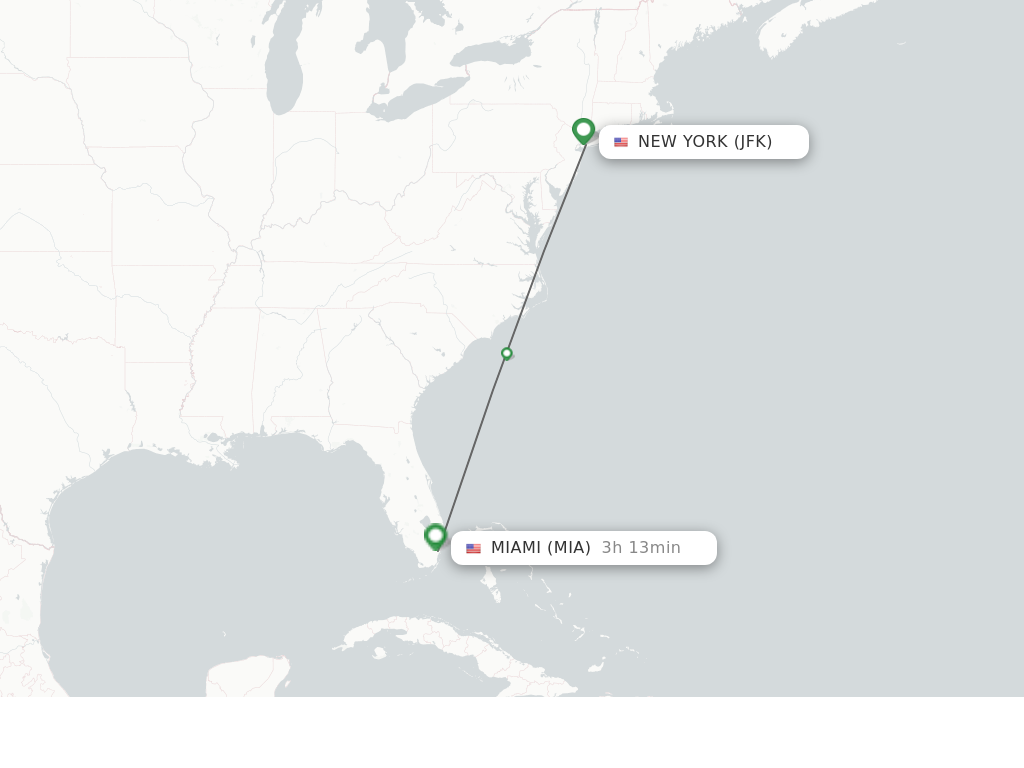
A direct, non-stop flight from Miami to New York City generally takes anywhere from 2 hours and 45 minutes to 3 hours and 15 minutes in the air. This duration covers the approximate 1,090 nautical miles (roughly 1,255 statute miles or 2,020 kilometers) separating South Florida from the Northeast. The variation within this timeframe is typically due to factors such as specific flight paths, the type of aircraft used, and prevailing weather conditions, particularly tailwinds or headwinds. For practical purposes, travelers should budget around 3 hours for the airborne portion of their trip.
Major Airports Involved
The choice of departure and arrival airports can subtly impact your overall travel experience, even if the flight duration itself remains consistent.
- Departure from Miami: The primary airport for flights out of Miami is Miami International Airport (MIA). Located just 8 miles northwest of Downtown Miami, MIA is a major hub, serving as a gateway to Latin America and the Caribbean, and a significant domestic player. It offers numerous daily non-stop flights to all major New York City area airports.
- Arrival in New York City: New York City is served by three major airports, each with its own advantages:
- John F. Kennedy International Airport (JFK): Located in Queens, JFK is the largest and busiest airport in New York City, handling a vast number of international and domestic flights. Its extensive facilities mean more flight options, but also potentially longer taxi times on the ground.
- Newark Liberty International Airport (EWR): Situated in Newark, New Jersey, just across the Hudson River from Manhattan, EWR is a major hub for United Airlines and offers convenient access to Manhattan via NJ Transit trains.
- LaGuardia Airport (LGA): Also in Queens, LGA is the closest of the three airports to Manhattan and primarily handles domestic flights. While it offers the shortest travel time to some parts of New York City, its capacity constraints can sometimes lead to air traffic delays, though recent redevelopments have significantly improved the passenger experience.
The choice of arrival airport is crucial for your ground transportation planning, as it can add significant time to your total door-to-door journey, even if the flight itself is quick.
Factors Influencing Flight Times
While the average flight time serves as a good benchmark, several dynamic factors can cause real-time variations in how long your flight truly takes. Understanding these can help manage expectations and plan more effectively.
Aircraft Type and Airline
Different aircraft models have varying cruising speeds and performance characteristics. Larger jets, like the Boeing 737 or Airbus A320 series commonly used on this route, generally maintain similar average cruising speeds. However, slight differences can exist. Additionally, airlines may schedule a slightly longer block time (the total time from pushback at the gate to arrival at the destination gate) to account for potential delays and maintain a better on-time performance record.
Weather Conditions
Weather is perhaps the most significant variable affecting flight duration.
- Winds: The most common impact comes from jet stream winds. A strong tailwind (wind blowing from behind the aircraft) can significantly shorten a flight, potentially shaving off 15-30 minutes. Conversely, a strong headwind (wind blowing against the aircraft’s direction of travel) can extend the flight by a similar margin or more. Flights from Miami to New York City often encounter headwinds due to prevailing westerly air currents, making the northbound journey slightly longer than the southbound return trip.
- Storms and Turbulence: Severe weather such as thunderstorms or hurricanes, especially common in Florida during certain seasons, can force pilots to alter flight paths to avoid turbulence, adding miles and therefore minutes to the journey. Icing conditions at higher altitudes or low visibility due to fog can also affect flight patterns and approach procedures.
Air Traffic Control (ATC) and Route Optimization
The airspace over the East Coast of the United States is among the busiest in the world. Air Traffic Control (ATC) plays a critical role in managing this congestion.
- Congestion: High volumes of air traffic, particularly around the busy New York City airspace, can lead to ATC imposing holds, requiring aircraft to fly in a pattern before being cleared for approach and landing. This “holding pattern” adds directly to flight time.
- Route Optimization: While airlines plan efficient routes, ATC may issue new clearances to reroute aircraft to avoid congested areas, severe weather, or military airspace restrictions, which can extend the distance flown.
Takeoff and Landing Delays
Even if the flight time itself is consistent, the overall experience can be lengthened by ground operations.
- Ground Delays: At both Miami International Airport and the New York City airports, congestion on the taxiways can lead to delays in taking off after pushback or waiting for a gate after landing. These delays are part of the “block time” but occur before or after the actual airborne segment.
- Gate Availability: Particularly at busy times, an arriving aircraft might have to wait for an available gate, adding to the time passengers spend on the plane after landing.
Beyond Flight Time: Total Travel Duration
While the airborne segment is a key component, a comprehensive understanding of travel duration must account for the entire door-to-door journey. The “flight time” is just one piece of the puzzle.
Pre-Flight Essentials
Your journey begins long before the plane takes off.
- Airport Arrival Time: For domestic flights, most airlines recommend arriving 1.5 to 2 hours before your scheduled departure time. This allows ample time for check-in (if needed), dropping off baggage, and navigating security checkpoints. Security lines at major airports like MIA, JFK, EWR, and LGA can be unpredictable, especially during peak travel times. Enrolling in programs like TSA PreCheck or Clear can significantly expedite this process.
- Travel to the Airport: Factor in transit time from your starting point in Miami to Miami International Airport. Traffic, especially during rush hour, can be substantial, so planning for potential delays is crucial.
Post-Flight Considerations
Upon landing, your journey isn’t over.
- Deplaning and Baggage Claim: The time it takes to exit the aircraft, walk through the terminal, and retrieve checked baggage can vary. Allow at least 20-45 minutes for this, depending on the gate’s location and baggage handling efficiency.
- Ground Transportation to Final Destination: This is often the most variable part of the journey. From JFK, EWR, or LGA, you’ll need to reach your final destination in New York City or the surrounding areas. Options include taxis, rideshares, shuttle buses, airport express trains (like the AirTrain JFK or AirTrain Newark connecting to commuter rail), or public transport. Traffic in New York City is legendary, and a 30-minute drive can easily become a 90-minute ordeal during peak hours.
Connecting Flights
While the question pertains to a direct flight, it’s worth noting that opting for a connecting flight—perhaps due to cost or availability—will significantly extend your total travel time. A layover in another city (e.g., Charlotte, Atlanta) will add at least 2-3 hours to your journey, potentially turning a half-day trip into a full-day affair. For this popular route, direct flights are almost always available and highly recommended for efficiency.
Choosing Your Flight: Tips for a Smooth Journey
Optimizing your flight choice can enhance your travel experience and potentially save you time and stress.
Best Time to Fly
- Early Mornings or Late Evenings: Flights scheduled for very early in the morning (e.g., before 8 AM) or late in the evening (e.g., after 8 PM) often face less air traffic congestion and fewer cascading delays from earlier flights. These tend to be more punctual.
- Weekdays vs. Weekends: Mid-week flights (Tuesdays, Wednesdays) typically see lower passenger volumes and can sometimes offer better fares and less crowded airports compared to peak travel days like Fridays and Sundays.
Booking Strategies
- When to Book: For the best combination of price and schedule, booking 1-3 months in advance is often ideal. This allows you to secure preferred flight times without paying last-minute premiums.
- Consider Flexibility: If your schedule allows, being flexible with your travel dates and times can open up more options for direct flights and potentially more favorable prices.
- Monitor Flight Status: Always check your flight status before heading to the airport. This allows you to be aware of any delays or gate changes in real-time.
Airline Selection
Several major airlines operate non-stop flights between Miami and New York City, including:
- American Airlines: A major hub at MIA, offering extensive daily flights to all NYC airports.
- Delta Air Lines: Strong presence at JFK and LGA, with frequent service.
- United Airlines: Dominant at Newark Liberty International Airport, providing numerous options.
- JetBlue: Known for its customer service and in-flight amenities, with a significant presence at JFK and LGA.
- Spirit Airlines and Frontier Airlines: Budget carriers offering competitive fares, though often with fewer amenities and additional fees for baggage and seat selection.
When selecting an airline, consider not just the price, but also baggage policies, seat pitch, in-flight entertainment, and loyalty program benefits, especially if you’re a frequent flyer.
Preparing for Your Flight
A few simple steps can make the journey more comfortable:
- Wear Comfortable Clothing: Even a short flight can be made more pleasant with comfortable attire.
- Stay Hydrated: Air cabin environments can be dehydrating.
- Bring Entertainment: While many airlines offer in-flight entertainment, having your own loaded device ensures you have options.
- Pack Snacks: Especially if you have dietary restrictions or prefer specific items.
- Charge Devices: Ensure all your electronics are fully charged, and consider bringing a portable power bank.
The Journey Experience: What to Expect
Despite the relatively short duration, the flight from Miami to New York City offers a typical domestic air travel experience.
In-Flight Amenities
Most major airlines operating this route offer a range of amenities. Depending on the airline and class of service, you might have access to:
- Wi-Fi: Often available for purchase, allowing you to stay connected.
- In-Flight Entertainment: Seat-back screens with movies, TV shows, and games are common on JetBlue and some American Airlines or Delta Air Lines aircraft. Otherwise, content streaming to personal devices is often an option.
- Food and Beverages: Complimentary non-alcoholic beverages are typically offered. Snacks might be free on full-service carriers or available for purchase on budget airlines.
- Power Outlets: Many newer aircraft or those configured for business travel will have USB ports or AC power outlets at seats.
Views from Above
Weather permitting, the views from the window can be quite scenic. Departing Miami, you’ll often see the vast expanse of the Atlantic Ocean and the intricate coastline of Florida. As you approach New York City, the dramatic urban sprawl, the iconic skyline of Manhattan, and the glimmering waterways of the Hudson River and East River offer a breathtaking welcome to the Big Apple.
The experience is generally smooth, with the ascent and descent being the most noticeable phases of the flight. Once at cruising altitude, the journey is typically calm and offers a chance to relax, work, or enjoy the passing scenery.
In conclusion, the direct flight from Miami to New York City is an efficient and frequently traveled route, averaging around 2 hours and 45 minutes to 3 hours and 15 minutes in the air. While this airborne duration is quite consistent, savvy travelers understand that the total door-to-door journey requires careful consideration of pre-flight airport procedures, potential weather impacts, air traffic control realities, and post-arrival ground transportation. By planning thoughtfully, selecting an appropriate flight, and preparing for the entire travel process, your trip between these two iconic American cities can be as smooth and seamless as possible.
LifeOutOfTheBox is a participant in the Amazon Services LLC Associates Program, an affiliate advertising program designed to provide a means for sites to earn advertising fees by advertising and linking to Amazon.com. Amazon, the Amazon logo, AmazonSupply, and the AmazonSupply logo are trademarks of Amazon.com, Inc. or its affiliates. As an Amazon Associate we earn affiliate commissions from qualifying purchases.