
The journey between New York and Boston is a quintessential Northeast Corridor travel experience, frequently undertaken by business travelers, tourists, and residents alike. While the aerial distance is relatively short, understanding the true duration of the trip involves more than just the flight time. From navigating bustling airports to considering alternative modes of transport, a comprehensive view helps in planning the most efficient and enjoyable journey. This article delves into the specifics of flying, the entire travel duration from door to door, and compares it with other popular options to help you make an informed decision for your next intercity hop.
The Direct Flight Experience: A Quick Commute
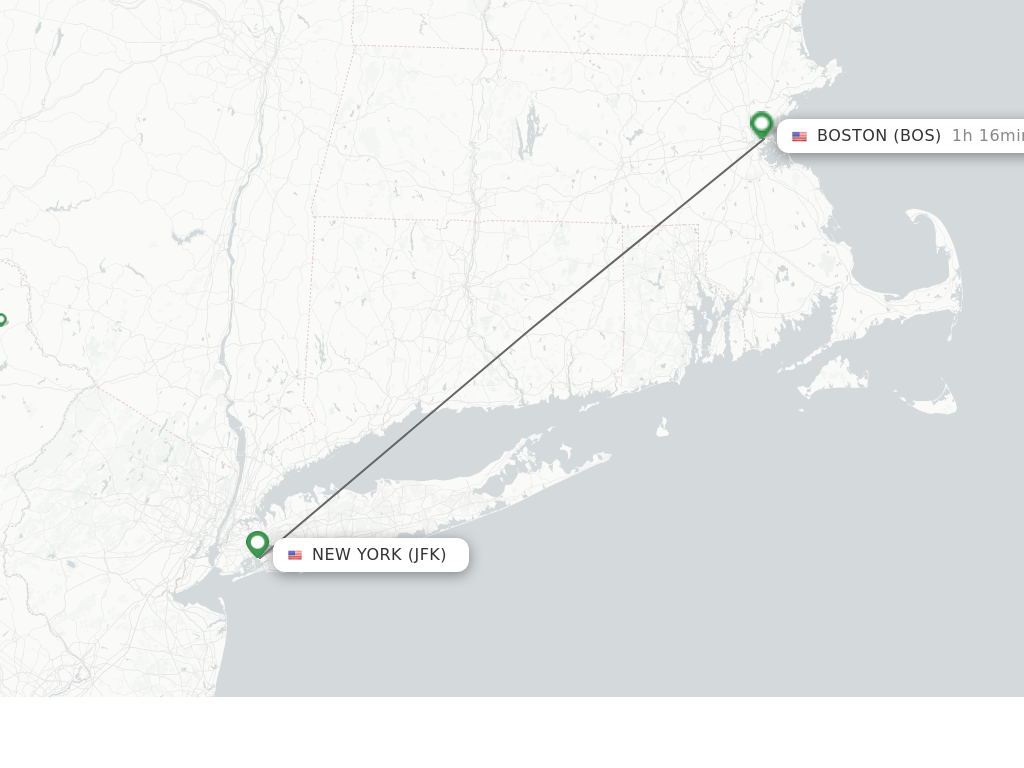
When people ask “how long is the flight?”, they typically refer to the airborne duration. For the route between New York and Boston, this is remarkably brief. A direct flight, often referred to as a “shuttle” service due to its frequency and short duration, typically lasts between 55 minutes and 1 hour 15 minutes. This makes it one of the shortest commercial flight routes in the United States.
Several major airlines operate this route with high frequency, including Delta, American Airlines, JetBlue, and Spirit Airlines. Flights depart from New York City’s three primary airports: John F. Kennedy International Airport (JFK), LaGuardia Airport (LGA), and Newark Liberty International Airport (EWR) in New Jersey, all serving New York City. All inbound flights arrive at Boston Logan International Airport (BOS) in Massachusetts.
The actual flight duration can be influenced by several factors. Headwinds or tailwinds, common across the Northeast Corridor, can slightly shorten or extend the journey. Air traffic control, especially around heavily congested airspaces like New York, can also lead to minor delays in takeoff or landing sequences. However, for a route this short, these variations are usually minimal, often adding no more than 10-15 minutes to the scheduled flight time.
Beyond Airtime: The Full Journey Duration
While the in-air component is brief, a realistic assessment of travel time from New York to Boston by air must account for the entire door-to-door experience. This often amounts to significantly more than the one-hour flight time, making it crucial for travelers to factor in all stages of the journey.
Navigating New York City’s Airports
Getting to and through New York City’s airports can be the most time-consuming part of the trip. The journey from Manhattan or other boroughs to JFK, LGA, or EWR can vary wildly depending on traffic, time of day, and chosen mode of transport.
- To JFK: Located in Queens, JFK is typically 45-75 minutes from Midtown Manhattan by taxi or ride-share, often longer during peak hours. Public transport via the MTA subway and AirTrain JFK can take 60-90 minutes.
- To LGA: Also in Queens, LGA is generally closer to Manhattan, with taxi or ride-share times ranging from 30-60 minutes. Public transport (subway + bus) can take 45-75 minutes.
- To EWR: Situated in New Jersey, EWR requires crossing state lines. Travel from Midtown Manhattan by NJ Transit train and AirTrain is usually 45-60 minutes. A taxi or ride-share can take 45-75 minutes, heavily dependent on traffic through the Lincoln Tunnel or Holland Tunnel.
Once at the airport, travelers must allocate time for check-in, security screening, and boarding. For domestic flights, it’s generally recommended to arrive 1.5 to 2 hours before scheduled departure. During peak travel seasons or holidays, this buffer should be extended.
Combining these elements, the pre-flight phase alone can easily consume 2 to 3.5 hours, depending on your starting point in New York City and chosen airport.
Arrival and Departure at Boston Logan International Airport
Upon landing at BOS, the process is generally more streamlined than departing New York. Disembarkation, especially for a short flight, is quick. If you have checked luggage, factor in 15-30 minutes for baggage claim.
Getting from BOS to downtown Boston is relatively efficient.
- Public Transit: The MBTA Silver Line (SL1 bus) offers free transfers from all terminals to South Station, a major transportation hub in Boston. This journey takes approximately 15-20 minutes. From South Station, connections to the subway (the “T”) provide access throughout the city.
- Water Taxi: A unique and scenic option, water taxis connect BOS to various points along Boston’s waterfront, taking about 10-20 minutes.
- Taxi/Ride-Share: A taxi or ride-share to downtown Boston typically takes 15-25 minutes, though traffic can extend this during peak times.
The post-flight journey in Boston usually adds another 30-60 minutes to your total travel time. Therefore, the actual door-to-door air travel time from your starting point in New York to your final destination in Boston often ranges from 3.5 to 5 hours, despite the short flight.
Factors Influencing Total Travel Time
Several external and logistical factors can further influence the overall duration of your journey between these two major cities. Being aware of these can help in better planning and setting realistic expectations.

Peak Travel Times and Seasonality
Travel demand between New York and Boston is consistently high. Peak travel times, such as morning and evening rush hours on weekdays, as well as holidays and long weekends, inevitably lead to increased congestion. This impacts everything from ground transport to the airports, security lines, and even potential air traffic delays. During these periods, adding an extra 30-60 minutes to your estimated travel time for each leg of the journey (to airport, through security, from airport) is a prudent measure. Seasonality also plays a role, with summer and major holidays like Thanksgiving or Christmas seeing a surge in travelers.
Airline Choice and Airport Efficiency
While the major airlines operating this route offer similar flight times, there can be subtle differences in their terminal locations, check-in processes, and gate efficiency. For instance, some terminals might be more modern or offer faster security lines. For this short flight, choosing an airline that consistently departs on time and has a good track record for the New York to Boston route can shave off minor delays. Additionally, connecting flights, although rare for this direct route, would significantly extend travel time and are generally avoided by travelers focused on speed for this particular journey.
Weather Conditions
The Northeast is known for its variable weather, which can have a substantial impact on air travel. Snowstorms, heavy fog, thunderstorms, or even strong winds can lead to flight delays, cancellations, or rerouting. During winter months, travelers should monitor weather forecasts closely and consider booking flexible tickets or having contingency plans. Even minor weather events can create a domino effect across the busy New York airspace, causing delays that propagate throughout the day.
Alternatives to Flying: Exploring Other Travel Modes
Given the relatively short distance and the complexities of airport travel, many choose alternative modes of transportation for the New York to Boston route. These options can sometimes offer comparable door-to-door times, often with less stress and potentially lower costs.
High-Speed Rail: The Acela Express Experience
Amtrak’s Acela Express is a popular choice for business and leisure travelers alike, offering a comfortable and efficient journey. The Acela Express typically takes approximately 3 hours 30 minutes to 3 hours 45 minutes from New York City’s Penn Station to Boston South Station. This direct station-to-station travel often negates the need for extensive airport transfers, check-ins, or security lines, making the overall door-to-door time highly competitive with flying, especially for those located near the city centers. Standard Amtrak regional trains are also available, taking closer to 4 to 5 hours but generally at a lower cost.
The train offers amenities like Wi-Fi, power outlets, spacious seating, and the ability to work or relax without interruption. The convenience of departing and arriving at centrally located stations is a significant draw, often eliminating much of the pre- and post-journey stress associated with air travel.
Bus Travel: An Economical Choice
For budget-conscious travelers or those who prefer ground travel, intercity bus services offer the most economical option. Companies like Greyhound, Peter Pan Bus Lines, and FlixBus operate frequent services between New York City’s Port Authority Bus Terminal and Boston South Station or other bus terminals.
The bus journey typically takes between 4 hours 30 minutes and 5 hours 30 minutes, heavily dependent on traffic conditions, particularly in and around New York City and Boston. While generally longer than flying or taking the Acela Express, the significant cost savings can make it an attractive option for many. Buses also offer amenities like Wi-Fi and power outlets, and like trains, they operate from central locations, simplifying the city-to-city transfer.
Driving: Freedom and Flexibility
Driving between New York and Boston offers the ultimate flexibility, allowing travelers to set their own schedule and make stops along the way. The typical driving time, covering approximately 215 miles, ranges from 3 hours 30 minutes to 4 hours 30 minutes under ideal conditions.
However, traffic can dramatically increase this duration. The primary route, I-95, is notorious for congestion, especially during rush hours, weekends, and holiday periods. Travelers should also factor in gas costs, tolls (which can be substantial along the Northeast Corridor), and parking fees in both cities. While driving allows for more luggage and direct access to specific destinations, it often ends up being the most unpredictable in terms of total time and can be physically tiring.
Making the Best Travel Decision for Your New York to Boston Journey
The “best” way to travel between New York and Boston largely depends on individual priorities, whether it’s speed, cost, convenience, or comfort.
- For pure speed (door-to-door): The Acela Express often rivals, if not surpasses, the total travel time of flying, especially for those whose origins and destinations are near city centers. Flying involves significant airport overhead that eats into the short flight time.
- For cost-effectiveness: Bus travel is typically the most budget-friendly option, though it requires the most time.
- For convenience and predictability: The train offers a good balance, avoiding airport hassles and generally adhering to schedules better than road transport, particularly during peak hours.
- For flexibility and scenic routes: Driving gives you control, but requires careful planning around traffic and additional costs for gas and tolls.
Ultimately, while the flight itself from New York to Boston is indeed short, clocking in at around an hour, the comprehensive travel experience typically demands 3.5 to 5 hours. Considering all available options and their respective advantages and disadvantages will enable you to choose the most suitable mode of transport for your specific travel needs, ensuring a smooth and efficient journey between these two historic Northeast hubs.
LifeOutOfTheBox is a participant in the Amazon Services LLC Associates Program, an affiliate advertising program designed to provide a means for sites to earn advertising fees by advertising and linking to Amazon.com. Amazon, the Amazon logo, AmazonSupply, and the AmazonSupply logo are trademarks of Amazon.com, Inc. or its affiliates. As an Amazon Associate we earn affiliate commissions from qualifying purchases.