
For travelers planning a journey from the bustling metropolis of New York to the vibrant, sun-drenched landscapes of Brazil, understanding the logistics of flight duration is the first step toward a seamless vacation. Stretching across vast equatorial distances, this South American giant offers a diverse array of experiences, from the rhythmic pulse of Rio de Janeiro to the sophisticated urban sprawl of São Paulo. Whether you are a business traveler or a vacationer seeking the warmth of the Southern Hemisphere, knowing how long you will spend in the air is essential for planning your transit and adjusting to the local rhythm upon arrival.

Understanding Flight Durations and Logistics
The flight time from New York City to Brazil varies significantly depending on your specific destination, the availability of non-stop routes, and the prevailing wind patterns. Generally, travelers can expect a journey ranging from 9 to 12 hours for direct flights. While New York serves as a major international hub with numerous departure options from John F. Kennedy International Airport, the sheer size of the South American continent means that a flight to the northern city of Fortaleza will differ in time from a trip to the southern capital of Porto Alegre.
Direct Versus Connecting Flights
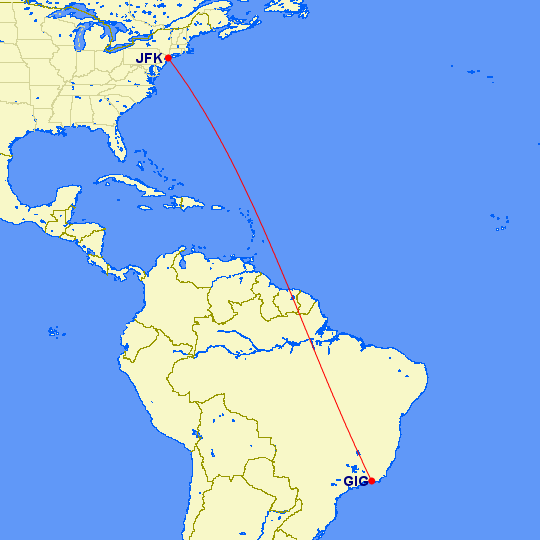
For those who prioritize speed and efficiency, non-stop service is the gold standard. Airlines such as LATAM Airlines, Delta Air Lines, and American Airlines operate primary routes that connect major hubs. A non-stop flight from John F. Kennedy International Airport to Guarulhos International Airport in São Paulo typically clocks in at approximately 9.5 to 10.5 hours.
Conversely, connecting flights often include layovers in cities such as Miami, Bogota, or Panama City. While these routes can be more cost-effective, they extend the total travel time significantly—often adding 3 to 6 hours or more to your itinerary. For travelers coming from Newark Liberty International Airport, connections are often necessary to reach smaller regional airports across Brazil, which requires careful planning of layover windows to ensure a stress-free transition.
Geographic Considerations and Regional Destinations
Brazil is massive, spanning roughly half of the South American landmass. When you are looking at your ticket, the geographical location of your destination city dictates the “air time.”
Traveling to the Southeast
The southeast region is the primary entry point for international travelers. Flights to Rio de Janeiro and São Paulo are the most frequent. You will find that these flights take you over the Caribbean Sea, across the Amazon Rainforest, and down the Atlantic coast. The consistent flight duration to this region is a result of the steady flight paths that have been perfected over decades of commercial aviation between North America and South America.

Traveling to the Northeast and North
If your destination is Salvador or Recife, you might find the flight time slightly shorter than to São Paulo due to the proximity of the northern coastline to the United States. However, because there are fewer direct flights to these northern hubs from New York, the “real-world” travel time is often longer due to required layovers in Brasilia or São Paulo.
Tips for Maximizing Comfort on Long-Haul Flights
A flight exceeding nine hours requires a strategy to ensure you arrive refreshed and ready to explore. Whether you are traveling for business to São Paulo or heading to the Iguazu Falls for an adventure, the following practices are recommended for long-distance air travel.
Selecting Your Seat
On flights from New York to Brazil, aircraft typically feature wide-body configurations. Investing in premium economy or business class can make a substantial difference in sleep quality. If you are flying economy, choosing an aisle seat provides the flexibility to stretch your legs without disturbing your neighbor, which is crucial during a 10-hour flight.
Hydration and Nutrition
The cabin environment of a commercial jet is notoriously dry. Consuming ample water and avoiding excessive caffeine or alcohol will help mitigate the effects of jet lag. Additionally, many travelers prefer to eat light meals before boarding at John F. Kennedy International Airport, opting to hydrate throughout the flight rather than consuming heavy in-flight meals that can cause bloating or sluggishness upon arrival in South America.
Preparing for the Time Zone Shift
New York and the primary cities in Brazil share similar time zones—usually only a one to three-hour difference depending on the time of year and Daylight Saving Time. This is a significant advantage for travelers, as it minimizes the severe jet lag often associated with intercontinental flights. Upon departure, set your watch to the time in Brazil immediately, and try to adjust your sleep schedule accordingly to align with the arrival time.
Navigating Arrival Logistics
Once your flight touches down, the final leg of your journey involves clearing immigration and customs. Whether you land at Galeão International Airport in Rio de Janeiro or Guarulhos International Airport, being prepared is key.
Immigration and Documentation
Ensure you have your passport and any required visas ready before you reach the front of the line. The process in Brazil has become increasingly streamlined, but queues can still be long, especially if multiple international flights land simultaneously. Having your travel documents organized will expedite your transition from the aircraft to the vibrant streets of your destination.
Ground Transportation
After a long flight, the last thing you want is uncertainty regarding your ground transport. In major Brazilian cities, it is recommended to pre-arrange airport transfers or use official, marked taxi services located within the airport terminals. Whether you are heading to a hotel in Copacabana or a meeting center in São Paulo, having your destination address clearly written in Portuguese is a small but helpful detail that can prevent confusion.
By understanding the flight dynamics between New York and Brazil, you can transform a long travel day into a productive, comfortable experience. The journey is the prologue to your adventure in a country defined by its warmth, culture, and geographic grandeur. Once you land, the minor fatigue of the flight quickly fades, replaced by the excitement of discovering the wonders that await you in every corner of this magnificent nation.
LifeOutOfTheBox is a participant in the Amazon Services LLC Associates Program, an affiliate advertising program designed to provide a means for sites to earn advertising fees by advertising and linking to Amazon.com. Amazon, the Amazon logo, AmazonSupply, and the AmazonSupply logo are trademarks of Amazon.com, Inc. or its affiliates. As an Amazon Associate we earn affiliate commissions from qualifying purchases.