
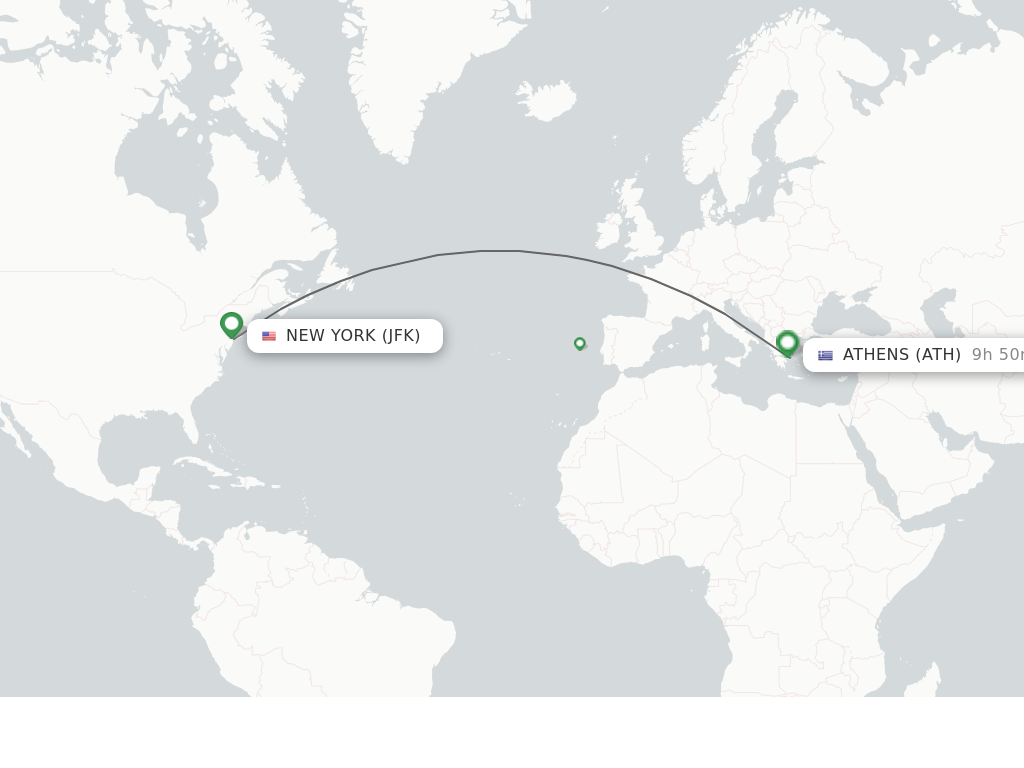
Embarking on a journey from the bustling metropolis of New York to the ancient lands of Greece is an adventure that many dream of. Whether you’re planning a cultural immersion in Athens, a romantic escape to Santorini, or an island-hopping escapade, understanding the logistics of your flight is the first step. The flight duration from New York to Greece can vary significantly depending on several factors, including whether you opt for a direct flight or one with layovers, the specific departure and arrival airports, and even the airline you choose. Typically, a direct flight will span approximately 9 to 10 hours, but connecting flights can extend this travel time considerably, often ranging from 12 to 18 hours or even more, making careful planning essential for a smooth and enjoyable trip.
This guide aims to demystify the journey, offering insights into flight durations, popular routes, major airports, and valuable tips to enhance your overall travel experience. From securing the best deals on flights to choosing the perfect accommodation and exploring the rich tapestry of Greek culture, we’ll cover everything you need to know to make your trip unforgettable. Greece, with its millennia of history, breathtaking landscapes, and warm hospitality, promises a truly unique escape.
Understanding the Flight Duration
The transatlantic journey from the USA’s East Coast to Southern Europe is a significant one. While the concept of a “direct” flight might seem straightforward, it’s important to differentiate between non-stop and direct flights, although for this route, most “direct” offerings tend to be non-stop. A non-stop flight means the aircraft flies directly from the departure airport to the destination airport without any scheduled stops. A direct flight, conversely, might have one or more stops but uses the same flight number and does not require passengers to change planes. For the New York to Greece route, particularly to major hubs like Athens, non-stop options are available, especially during peak travel seasons.
Direct vs. Connecting Flights
When considering a flight from New York to Greece, your primary choice will be between a direct (non-stop) flight and a connecting flight.
- Non-Stop Flights: These are the quickest way to reach your destination. From major New York area airports like JFK Airport (John F. Kennedy International Airport) or Newark Liberty International Airport, a non-stop flight to Eleftherios Venizelos International Airport (ATH) in Athens typically takes between 9 hours and 10 hours and 30 minutes. The advantage here is clear: minimal travel time, no layover stress, and a quicker start to your Greek adventure. However, non-stop flights often come at a premium price, especially during high demand periods like summer. Airlines such as Delta Air Lines, United Airlines, and American Airlines frequently offer seasonal or year-round non-stop services on this route.
- Connecting Flights: These flights involve at least one stop, usually in a major European hub city. Popular layover cities include London (Heathrow or Gatwick), Paris (Charles de Gaulle), Frankfurt, Munich, Amsterdam, Rome, Istanbul, or even sometimes Dublin. While connecting flights can significantly extend your travel time — often ranging from 12 to 18 hours, and sometimes even longer depending on the layover duration — they are typically more affordable than non-stop options. They also offer the opportunity to break up a long journey or even explore another city for a few hours if the layover is extensive. Airlines like Lufthansa, Air France, British Airways, Turkish Airlines, and Emirates are common carriers for connecting flights.
The choice between direct and connecting flights often boils down to a trade-off between cost and convenience. For budget travelers or those not in a hurry, connecting flights can offer substantial savings. For business travelers or those with limited vacation time, the extra cost of a non-stop flight might be a worthwhile investment for the saved hours.
Major Airports and Airlines
When flying from New York to Greece, your journey will typically originate from one of the three major airports serving the New York metropolitan area:
- JFK Airport: Located in Queens, JFK is the busiest international gateway to the USA. It offers numerous options for flights to Greece, including non-stop services during peak season. Its vast network means more airline choices and potentially more competitive pricing.
- Newark Liberty International Airport (EWR): Situated in New Jersey, EWR is another major hub with strong international connections. United Airlines often operates direct flights from EWR to Athens, particularly in the summer.
- LaGuardia Airport (LGA): Primarily serving domestic routes, LGA is unlikely to be your departure point for an international flight to Greece, though you might use it for a domestic connecting flight if flying from another US city to catch a transatlantic flight from JFK or EWR.
Upon arrival in Greece, the main international gateway is:
- Eleftherios Venizelos International Airport (ATH): Located approximately 33 kilometers (20 miles) southeast of downtown Athens, ATH is the busiest and largest airport in Greece. It serves as a crucial hub for flights to other Greek islands and cities like Thessaloniki, Crete, Mykonos, and Santorini. If your final destination isn’t Athens, you’ll likely take a domestic flight or ferry from ATH to reach it.
Major airlines offering routes from New York to Greece include:
- Delta Air Lines
- United Airlines
- American Airlines
- Lufthansa
- Air France
- British Airways
- KLM Royal Dutch Airlines
- Turkish Airlines
- Swiss International Air Lines
- Emirates
When booking, it’s wise to compare prices and schedules across different carriers and online travel agencies to find the most suitable option for your travel style and budget.
Factors Influencing Flight Time
Beyond the obvious distinction between direct and connecting flights, several other elements can impact the total duration of your journey:
- Wind Conditions: Jet streams, strong winds at high altitudes, can significantly affect flight times. A tailwind can shorten the eastbound journey to Greece, sometimes by as much as an hour or more. Conversely, a headwind can prolong the flight.
- Air Traffic Control (ATC) Delays: Congestion in airspace, particularly around busy international airports like JFK or Athens, can lead to ground delays or holding patterns in the air, adding minutes to the overall travel time.
- Aircraft Type and Speed: Different aircraft models have varying cruising speeds. While the difference might be marginal over such a long distance, it can contribute to slight variations in quoted flight times. Modern long-haul jets like the Boeing 787 Dreamliner or Airbus A350 are designed for efficiency and speed.
- Route Optimization: Airlines constantly optimize their flight paths based on weather, air traffic, and geopolitical considerations to find the most efficient route, which can slightly alter flight duration.
- Seasonality: During peak travel seasons, there might be more direct flights, potentially offering slightly faster options, though also at higher prices. Off-peak travel might see fewer direct options and more connecting routes.
Taking these factors into account will help you understand why estimated flight times can sometimes differ from the actual journey. Always factor in buffer time, especially if you have tight connections or specific appointments upon arrival.
Planning Your Greek Adventure
Once you’ve nailed down your flight logistics, the exciting part begins: planning your itinerary in Greece. This land of ancient myths and sun-drenched islands offers an unparalleled wealth of experiences for every type of traveler. From exploring ancient ruins to lounging on pristine beaches, the possibilities are endless.

Popular Greek Destinations and Their Allure
Greece boasts an array of captivating destinations, each with its unique charm:
- Athens: The capital city is a must-visit for history buffs. Home to iconic landmarks like the Acropolis and the Parthenon, the Acropolis Museum, and the ancient Agora, Athens offers a deep dive into antiquity. Beyond its historical treasures, the city pulses with vibrant modern life, featuring lively neighborhoods like Plaka and Monastiraki, world-class cuisine, and an exciting nightlife.
- Santorini: Perhaps the most famous of the Greek islands, Santorini is renowned for its stunning caldera views, white-washed villages perched on cliffs, and legendary sunsets. Oia and Fira are the main towns, offering luxurious accommodation, exquisite dining, and endless photographic opportunities. It’s an ideal destination for honeymooners and those seeking a romantic escape.
- Mykonos: Known for its glamorous party scene, beautiful beaches, and chic boutiques, Mykonos attracts a jet-setting crowd. Beyond the vibrant nightlife, the island offers charming Cycladic architecture in Mykonos Town (Chora), iconic windmills, and serene beaches for relaxation.
- Crete: Greece’s largest island, Crete, is a diverse landscape of rugged mountains, ancient ruins (like the Knossos Palace), charming Venetian harbors in Chania and Rethymno, and stunning beaches. It’s perfect for adventurers, foodies, and those seeking a blend of culture and natural beauty.
- Rhodes: A Dodecanese island famous for its medieval Old Town, a UNESCO World Heritage site, Rhodes offers a rich historical tapestry alongside beautiful beaches and vibrant resorts. The Palace of the Grand Master of the Knights is a highlight.
- Corfu: Located in the Ionian Sea, Corfu stands out with its Venetian, French, and British influences, evident in its elegant architecture and lush green landscapes. The Old Town of Corfu is another UNESCO site, and the island is dotted with picturesque beaches and olive groves.
When planning your trip, consider island hopping if time allows. Ferries and domestic flights connect many of the islands, allowing you to experience the diverse beauty of the Aegean Sea and Mediterranean Sea.
Best Time to Visit Greece
The ideal time to visit Greece largely depends on your priorities:
- Spring (April to May): This is arguably the best time to visit. The weather is pleasant, temperatures are mild (perfect for sightseeing and hiking), the landscapes are green and blooming, and tourist crowds are thinner than in summer. Prices for flights and accommodation are also more reasonable.
- Summer (June to August): This is peak season. Expect hot weather, bustling crowds, and higher prices, especially on popular islands like Santorini and Mykonos. However, it’s the best time for swimming, sunbathing, and enjoying the vibrant nightlife. Book everything well in advance if traveling during these months.
- Autumn (September to October): Similar to spring, autumn offers excellent weather conditions with warm seas, making it ideal for swimming and water sports. The crowds begin to thin out, and the grape harvest season adds another layer of cultural experience. Prices start to drop, making it a great time for budget-conscious travelers.
- Winter (November to March): While many islands quiet down, mainland Greece, particularly Athens and Thessaloniki, remains active. Temperatures are cooler, and some services on the islands may be limited, but you’ll experience a more authentic side of Greek life without the tourist rush. It’s also the cheapest time to visit.
For those interested in exploring historical sites and enjoying outdoor activities without extreme heat, spring and autumn are highly recommended. For a classic Greek island experience with plenty of sun and vibrant energy, summer is the time, provided you plan accordingly.
Enhancing Your Travel Experience: Accommodation and Lifestyle
Beyond flights and destinations, the quality of your accommodation and the lifestyle choices you make significantly shape your travel experience. Greece caters to every preference, from opulent resorts to charming boutique hotels and budget-friendly guesthouses.
Choosing Your Greek Stay: From Luxury to Budget
Accommodation in Greece is as diverse as its landscapes:
- Luxury Hotels and Resorts: On islands like Santorini and Mykonos, you’ll find world-class resorts offering infinity pools, private villas, and unparalleled service. Brands like Four Seasons, Ritz-Carlton, and independent luxury boutiques provide an indulgent experience. In Athens, grand hotels often boast Acropolis views.
- Boutique Hotels: These offer unique charm and personalized service, often reflecting local architectural styles and cultural elements. They can be found across the mainland and islands, providing a more intimate and authentic stay.
- Apartments and Villas: For families, groups, or those seeking a longer stay, renting a private villa or apartment through platforms like Airbnb or local agencies is an excellent option. This offers more space, privacy, and the flexibility of self-catering.
- Budget Hotels and Guesthouses: Affordable options are plentiful, especially in less touristy areas or during the off-season. Many family-run guesthouses offer comfortable stays with warm hospitality at competitive prices.
- Hostels: For solo travelers or backpackers, hostels provide a social and cost-effective way to experience Greece. They are predominantly found in major cities and popular islands.
When booking your accommodation, consider its proximity to attractions, transport links, and local amenities. Reading reviews and comparing prices on various booking platforms is always recommended. For a truly immersive experience, seek out stays that offer unique cultural elements, such as traditional cave hotels in Santorini or historic guesthouses in the Plaka district of Athens.
Immersing in Greek Culture and Cuisine
A trip to Greece is incomplete without diving into its rich culture and savoring its world-renowned cuisine.
- Local Culture: Greeks are known for their hospitality, or “philoxenia.” Embrace the relaxed pace of life, particularly on the islands. Participate in local festivals, visit traditional villages, and engage with locals. Learning a few basic Greek phrases like “kalimera” (good morning) or “efharisto” (thank you) can enhance your interactions. Exploring historical landmarks and museums offers a profound understanding of Greece’s ancient heritage and its lasting impact on Western civilization.
- Food and Drink: Greek cuisine is a highlight of any visit. It’s characterized by fresh, seasonal ingredients, olive oil, and aromatic herbs. Must-try dishes include:
- Moussaka: A delicious baked dish with layers of eggplant, minced meat, and béchamel sauce.
- Souvlaki/Gyros: Iconic fast food, typically grilled meat (pork, chicken, or lamb) served in pita bread with tzatziki, tomatoes, and onions.
- Greek Salad (Horiatiki): Fresh tomatoes, cucumbers, bell peppers, red onion, Kalamata olives, and a slab of feta cheese, drizzled with olive oil and oregano.
- Seafood: Freshly grilled fish and octopus are specialties, especially on the islands.
- Desserts: Baklava, loukoumades (honey donuts), and traditional yogurts with honey.
- Drinks: Sample local wines (Assyrtiko from Santorini is famous), ouzo (an anise-flavored aperitif), and traditional Greek coffee.
Consider taking a cooking class to learn the secrets of Greek culinary traditions, or join a food tour to discover hidden gastronomic gems. Dining is a social event in Greece, often lasting for hours, so relax and savor the experience.
Whether your lifestyle is one of luxury travel or budget travel, Greece offers ways to indulge in its beauty and charm. From opulent villas with private chefs to cozy guesthouses near local tavernas, tailoring your trip to your preferences is easily achievable.

Essential Tips for Your Journey
To ensure a seamless and enjoyable journey from New York to Greece, keep these practical tips in mind:
- Book in Advance: Especially for non-stop flights and popular accommodation during peak season (June-August), booking several months ahead can secure better prices and availability. Last-minute deals are rare on this popular route.
- Consider Travel Insurance: Comprehensive travel insurance is highly recommended. It can cover unexpected events such as flight delays, cancellations, lost luggage, or medical emergencies, providing peace of mind.
- Visa Requirements: For US citizens, a visa is generally not required for stays up to 90 days within any 180-day period in the Schengen Area, which includes Greece. However, always check the latest entry requirements before your trip.
- Currency and Payments: The currency in Greece is the Euro (€). Credit and debit cards are widely accepted in cities and larger towns, but it’s always wise to carry some cash for smaller purchases, local markets, or establishments on remote islands. Inform your bank of your travel plans to avoid card issues.
- Language Barrier: While English is widely spoken in tourist areas, especially by younger generations and those working in tourism, learning a few basic Greek phrases will be appreciated and can enhance your interactions with locals.
- Stay Hydrated and Sun Protected: Greece, particularly in summer, can be very hot. Drink plenty of water, wear sunscreen, a hat, and sunglasses, and seek shade during the hottest parts of the day.
- Respect Local Customs: Dress modestly when visiting churches and monasteries. Be mindful of local traditions and customs, especially in smaller villages.
- Transportation within Greece: For inter-island travel, ferries are a popular and scenic option, ranging from fast hydrofoils to slower car ferries. Domestic flights are also available for quicker transfers, especially between Athens and the major islands. Within cities, public transport (metro, buses, trams) is efficient, and taxis are readily available. Rental cars are recommended for exploring the mainland or larger islands like Crete.
- Pack Smart: Given the varied activities, pack comfortable walking shoes for exploring ancient sites, swimwear for the beaches, and light layers for evenings. If traveling with only carry-on luggage, remember airline restrictions.
A flight from New York to Greece is a relatively long journey, but with careful planning and an understanding of what to expect, it can be a comfortable and exciting prelude to an incredible adventure. Greece awaits with its timeless beauty, rich history, and vibrant culture, promising an experience that will linger in your memories long after you return home.
LifeOutOfTheBox is a participant in the Amazon Services LLC Associates Program, an affiliate advertising program designed to provide a means for sites to earn advertising fees by advertising and linking to Amazon.com. Amazon, the Amazon logo, AmazonSupply, and the AmazonSupply logo are trademarks of Amazon.com, Inc. or its affiliates. As an Amazon Associate we earn affiliate commissions from qualifying purchases.