
Embarking on a journey from the bustling metropolis of New York to the captivating landscapes and rich cultural tapestry of Italy is an exciting prospect for many travelers. Understanding the duration of the flight is a fundamental aspect of planning this trans-Atlantic adventure, impacting everything from packing strategies to the overall itinerary. While the exact flight time can fluctuate based on a variety of factors, this guide aims to provide a comprehensive overview of what to expect, delving into the variables that influence flight durations and offering insights into making your journey as comfortable and efficient as possible.
Understanding Trans-Atlantic Flight Durations
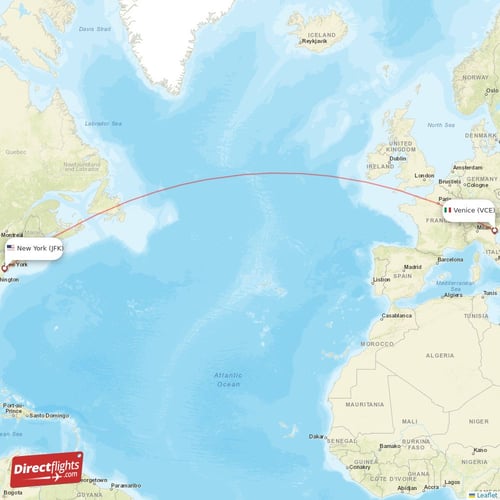
The sheer distance between New York and Italy is considerable, spanning the vast expanse of the Atlantic Ocean. Non-stop flights are the most efficient way to bridge this gap, and their durations are largely dictated by prevailing wind patterns, aircraft type, and the specific routing taken by the airline.
The Average Non-Stop Flight Time
Generally, a direct flight from New York to a major Italian city like Rome or Milan will typically range between 7.5 to 9 hours. This figure represents the scheduled flight time, which is the time the aircraft is expected to be in the air from departure to arrival. Airlines base these estimates on historical data and anticipated conditions. For instance, a flight departing from John F. Kennedy International Airport (JFK) to Leonardo da Vinci–Fiumicino Airport (FCO) in Rome might be scheduled for around 8 hours. Similarly, a flight to Malpensa Airport (MXP) near Milan could fall within a similar timeframe.
It’s crucial to note that this is the airborne time. The total travel time will, of course, be longer when you factor in travel to and from the airports, check-in procedures, security checks, boarding, and baggage claim.
Factors Influencing Flight Duration
Several elements can cause the actual flight time to deviate from the scheduled duration:
- Jet Streams: These high-altitude, fast-flowing air currents play a significant role in trans-Atlantic flights. Flying eastward from New York to Italy often allows aircraft to benefit from the powerful jet stream, which can significantly reduce flight times. Conversely, flying westward, against the jet stream, will lengthen the journey. This is why the return flight from Italy to New York is typically longer, often by an hour or more.
- Aircraft Type and Speed: Different aircraft models have varying cruising speeds. Modern, wide-body jets commonly used for long-haul international routes, such as the Boeing 777 or Airbus A330, are designed for efficiency and speed over long distances.
- Specific Routing and Air Traffic Control: Airlines and air traffic control agencies constantly optimize flight paths to ensure safety and efficiency. This can involve slight detours to avoid weather systems, navigate around congested airspace, or take advantage of favorable wind conditions. The specific route determined by air traffic control can subtly alter the flight duration.
- Weather Conditions: While jet streams are a primary wind influence, localized weather phenomena like thunderstorms or strong headwinds/tailwinds can also impact flight times. Airlines monitor weather patterns meticulously and may adjust routes accordingly.
Connecting Flights: An Extended Journey
While non-stop flights offer the most direct route, many travelers opt for flights with one or more layovers, often due to cost savings or to visit multiple destinations. Flights with connections will, by necessity, be significantly longer than direct flights.
The Impact of Layover Cities
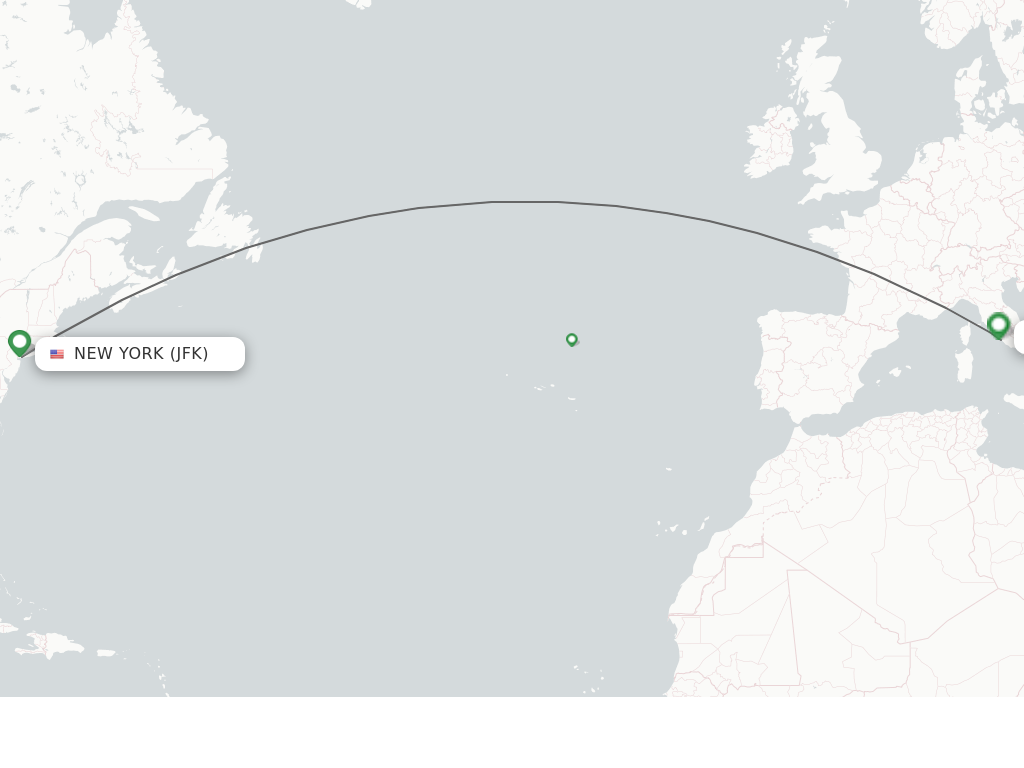
The duration of a connecting flight from New York to Italy is highly variable, depending on the layover city and the length of the layover itself. Common layover hubs for flights from the United States to Europe include cities like London, Amsterdam, or Paris.
A typical connecting flight itinerary might involve:
- A flight from New York to the layover city (e.g., 6-8 hours).
- A layover period in the connecting airport (ranging from a couple of hours to overnight).
- A second flight from the layover city to your final destination in Italy (e.g., 1.5-3 hours).
When you add these components together, the total travel time can easily extend to 12 to 20 hours or even more, depending on the efficiency of the connection and the length of the stopover. This extended duration necessitates more careful planning regarding comfort, entertainment, and potential jet lag management.
Strategic Layover Planning
Choosing a connecting flight requires strategic planning. While shorter layovers might seem appealing to minimize total travel time, they carry the risk of missing your connecting flight if the first leg is delayed. Conversely, excessively long layovers can lead to fatigue and may require overnight accommodation. Many travelers find a layover of 2-4 hours to be a reasonable balance for international connections, allowing ample time to disembark, navigate the airport, and board the next flight without undue rush. Some travelers even view longer layovers as an opportunity to briefly explore the layover city, turning a necessity into a mini-trip.
Preparing for Your Italian Adventure: Beyond Flight Times
While knowing the flight duration is essential for logistical planning, a successful trip to Italy involves more than just mastering the travel time. Understanding the nuances of the journey can help you arrive feeling refreshed and ready to explore.
Navigating Time Zone Differences
Upon arrival in Italy, travelers will experience a significant time difference from New York. Italy observes Central European Time (CET), which is typically 6 hours ahead of Eastern Standard Time (EST) and 5 hours ahead of Eastern Daylight Time (EDT). This difference is a major contributor to jet lag, the feeling of fatigue and disorientation that can occur after long-distance travel across multiple time zones.
Strategies for Mitigating Jet Lag
To combat jet lag and maximize your enjoyment of Italy’s wonders, consider these strategies:
- Adjust Your Sleep Schedule Before Departure: In the days leading up to your flight, gradually shift your sleep and wake times closer to the destination’s time zone.
- Stay Hydrated on the Plane: Dehydration can exacerbate jet lag symptoms. Drink plenty of water throughout your flight and avoid excessive alcohol and caffeine.
- Embrace Local Time Upon Arrival: As soon as you land in Italy, try to adjust to the local schedule. Eat meals at appropriate times and expose yourself to natural daylight.
- Light Exercise: Gentle physical activity upon arrival can help your body adjust. A leisurely walk through Rome or along the canals of Venice can be both therapeutic and a wonderful introduction to your surroundings.
- Consider Melatonin: Some travelers find that melatonin supplements, taken at appropriate times, can help regulate sleep patterns. Consult with your doctor before using any supplements.
By anticipating the flight duration and implementing effective strategies for managing jet lag, your journey from the energetic streets of New York to the timeless beauty of Italy can be a smooth and enjoyable prelude to an unforgettable travel experience. Whether you’re drawn to the ancient ruins of Rome, the artistic masterpieces of Florence, or the romantic waterways of Venice, understanding the flight time is the first step in planning your perfect Italian escape.
LifeOutOfTheBox is a participant in the Amazon Services LLC Associates Program, an affiliate advertising program designed to provide a means for sites to earn advertising fees by advertising and linking to Amazon.com. Amazon, the Amazon logo, AmazonSupply, and the AmazonSupply logo are trademarks of Amazon.com, Inc. or its affiliates. As an Amazon Associate we earn affiliate commissions from qualifying purchases.