
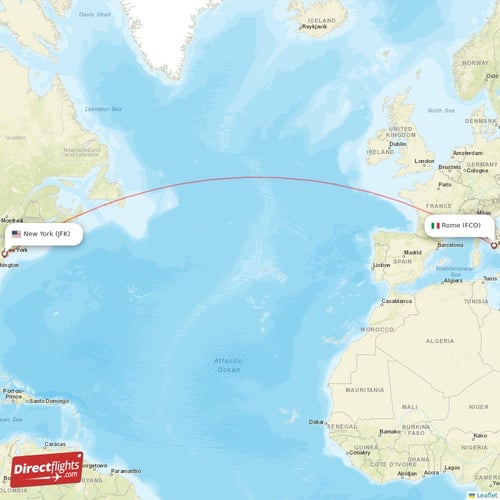
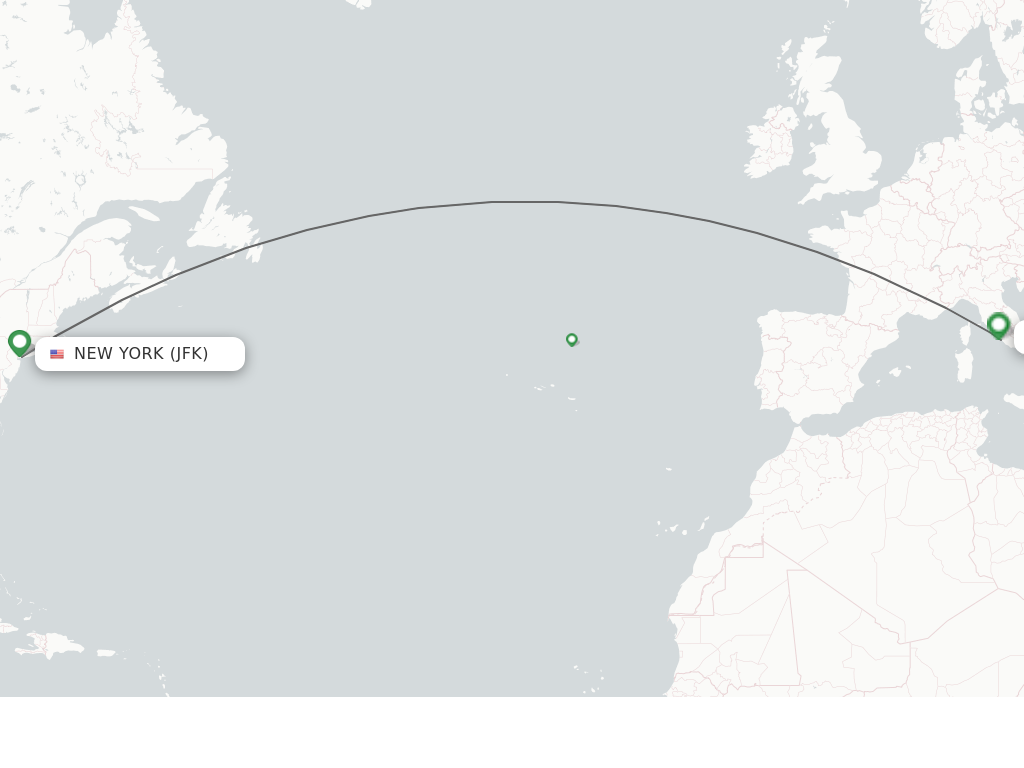
Embarking on a journey from the bustling streets of New York to the ancient wonders of Rome is an exciting prospect, bridging two of the world’s most iconic cities. Whether you’re planning a romantic getaway, a family vacation, or a business trip, understanding the flight duration is crucial for seamless travel planning. The transatlantic flight from the United States to Italy is a significant undertaking, and several factors can influence the time you spend in the air. Typically, a direct flight from New York to Rome will span approximately 8 to 9 hours. However, this is just the beginning of the story. From layovers and airline choices to weather patterns and aircraft types, the total travel time can vary considerably, transforming the journey itself into a key part of your adventure.
Understanding Flight Durations: Factors Affecting Your Journey
The seemingly straightforward question of “how long is the flight?” opens up a complex web of considerations when traversing continents. A non-stop flight provides the most direct answer, but the reality of international air travel often involves more variables. Understanding these can help you choose the best itinerary for your specific needs, balancing speed, cost, and comfort.
Direct Flights: The Non-Stop Experience
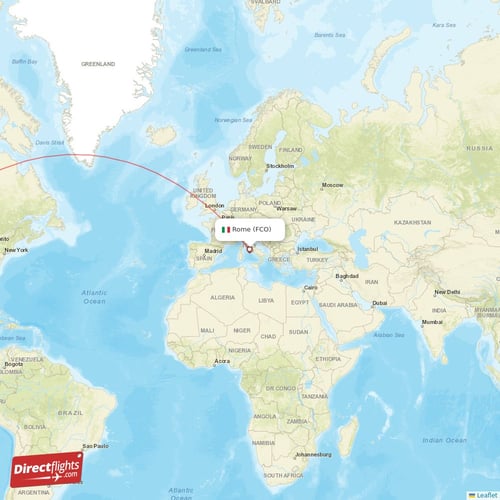
For many travelers, the appeal of a direct flight is undeniable. It minimizes travel time, eliminates the stress of transfers, and gets you to your destination quicker. From New York, direct flights typically depart from JFK (John F. Kennedy International Airport) or Newark Liberty International Airport, heading straight to Rome’s Fiumicino Airport (Leonardo da Vinci International Airport).
- Average Duration: A direct flight usually takes between 8 hours and 15 minutes to 9 hours and 30 minutes.
- Factors Influencing Direct Flight Times: Even non-stop flights can have slight variations. The exact flight path, which can be influenced by air traffic control and weather systems like the jet stream over the Atlantic Ocean, can shave off or add a few minutes to the journey. For instance, eastbound flights often benefit from the jet stream, making them slightly faster than westbound return flights.
- Airlines Offering Direct Routes: Several major carriers offer direct connections. Key players include Delta Air Lines, United Airlines, American Airlines, and ITA Airways (Italy’s national carrier). These airlines often utilize wide-body aircraft designed for long-haul international travel, offering amenities that enhance the flying experience.
Choosing a direct flight often comes with a premium price tag, but for many, the saved time and reduced hassle are well worth the investment, particularly for shorter trips or those traveling with children.
Connecting Flights: Exploring More, Extending Travel
While direct flights are ideal for speed, connecting flights offer flexibility and can sometimes be more budget-friendly. They also provide an opportunity to break up the journey, perhaps even allowing for a brief stopover in another city.
- Layover Locations: Common layover cities for flights from New York to Rome include major European hubs like Heathrow Airport in London, Charles de Gaulle Airport in Paris, Frankfurt Airport in Germany, or Dublin Airport in Ireland.
- Total Travel Time: A connecting flight can significantly extend your overall travel time, ranging anywhere from 11 to 20+ hours, depending on the layover duration and the number of connections. A typical one-stop flight with a reasonable layover (2-4 hours) might bring the total travel time to around 12-14 hours. Longer layovers, while increasing travel time, can sometimes allow for a quick exploration of the layover city, adding an extra dimension to your trip.
- Airlines Operating Connecting Routes: Beyond the direct carriers, airlines like Virgin Atlantic, Lufthansa, and Air France are popular choices for connecting routes, offering extensive networks across Europe.
- Advantages of Connecting Flights: These flights can be a good option for budget-conscious travelers or those who prefer to stretch their legs and explore another airport or city briefly. They also offer more scheduling options, which can be beneficial during peak travel seasons. When considering a connecting flight, it’s essential to evaluate the length of the layover and ensure sufficient time for transfers, especially in large, busy airports.
Major Airlines and Aircraft Types
The choice of airline and the type of aircraft can subtly influence your flight experience and, in some cases, the duration.
- Airlines: Carriers like Delta Air Lines, United Airlines, American Airlines, and ITA Airways are mainstays on the New York to Rome route. Each offers different service levels, from economy to business and first class, impacting comfort.
- Aircraft: Long-haul flights typically use wide-body jets such as the Boeing 777, Boeing 787 Dreamliner, Airbus A330, or Airbus A350. These aircraft are designed for extended periods in the air, offering features like advanced cabin pressurization, improved air filtration, and larger entertainment screens. While the inherent speed differences between these modern aircraft are marginal, the overall comfort can significantly affect how “long” the flight feels. Newer aircraft often provide a more comfortable cabin environment, which can make those 8-9 hours fly by more pleasantly.
Preparing for Your Transatlantic Journey: Tips for a Comfortable Flight
A long-haul flight requires a bit more preparation than a short hop. From managing jet lag to packing smart, a few proactive steps can make your journey from New York to Rome much more enjoyable, ensuring you arrive refreshed and ready to explore.
Pre-Flight Essentials: Booking and Packing
Successful travel begins long before you reach the airport. Thoughtful planning can mitigate many common travel stressors.
- Booking Strategically: When booking your flight, consider the time of day. An overnight flight (red-eye) from New York means you’ll arrive in Rome in the morning, giving you the full day to begin adapting to the new time zone. This can be beneficial for jump-starting your adjustment to local time. Look for flights that offer sufficient layover time if connecting, allowing for potential delays and stress-free transfers.
- Smart Packing for Comfort: Your carry-on bag should be an arsenal of comfort. Pack essentials like a neck pillow, eye mask, earplugs or noise-canceling headphones, and a comfortable blanket or large scarf. Hydration is key, so an empty reusable water bottle to fill after security is a must. Don’t forget essential medications, toiletries, and a change of clothes in case your checked luggage is delayed. Layers of clothing are advisable, as cabin temperatures can fluctuate.
- Entertainment: While in-flight entertainment systems are standard, having your own loaded tablet or e-reader with movies, TV shows, books, or podcasts can be a lifesaver, especially if you have specific preferences or if the airline’s system isn’t to your liking.
In-Flight Comfort Strategies
Once on board, there are several ways to make the most of your 8-9 hours in the sky.
- Hydration: Airplane cabins are notoriously dry. Drink plenty of water throughout the flight and limit caffeine and alcohol, which can exacerbate dehydration and jet lag.
- Movement: Periodically get up and walk around the cabin, stretch your legs, and perform simple in-seat exercises to promote circulation and prevent stiffness or deep vein thrombosis (DVT). Many airlines provide guides for these exercises in their in-flight magazines.
- Comfortable Attire: Wear loose-fitting, breathable clothing. Compression socks can also be beneficial for preventing swelling in your legs and feet.
- Sleep Strategy: If you plan to sleep, try to align your sleep schedule with Rome’s time zone as much as possible. Use your eye mask and earplugs to create a dark, quiet environment.
Conquering Jet Lag: Before, During, and After
Jet lag is almost inevitable when crossing multiple time zones, but its effects can be minimized with proactive measures.
- Before the Flight: Gradually shift your sleep schedule a few days before departure. If flying east to Rome, try to go to bed an hour or two earlier than usual. Adjust your watch to Rome time as soon as you board the plane.
- During the Flight: Try to sleep on the plane during what would be nighttime in Rome. Avoid heavy meals and stimulants.
- Upon Arrival: The most critical step is to expose yourself to natural light as soon as you arrive in Rome. Stay awake until local bedtime, even if you’re exhausted. Resist the urge to nap for too long, or at least keep naps short (20-30 minutes) if necessary. Engage in light physical activity, and maintain good hydration. Adjust your meal times to local schedules immediately.
Arriving in Rome: Your Gateway to the Eternal City
After your transatlantic flight, the moment of arrival in Rome is filled with anticipation. Stepping off the plane at Fiumicino Airport marks the beginning of your Italyan adventure. Knowing what to expect and how to navigate your first hours can make the transition smooth and enjoyable.
Fiumicino Airport and Getting to the City Center
Fiumicino Airport (formally Leonardo da Vinci International Airport) is Rome’s main international gateway, located approximately 30 kilometers (18.6 miles) southwest of the city center. It’s well-connected, offering several convenient options to reach your accommodation.
- Leonardo Express: The most popular and efficient option for many travelers. This non-stop train service runs every 15-30 minutes and takes about 32 minutes to reach Termini Station, Rome’s central railway hub. From Termini Station, you can easily connect to the metro, buses, or taxis to reach your final destination.
- Regional Trains: Slower but more budget-friendly, regional FL1 trains connect Fiumicino Airport to various stations in Rome, including Trastevere, Ostiense, and Tiburtina, but they do not stop at Termini Station.
- Terravision Bus and Other Shuttle Services: Several bus companies offer direct routes from the airport to Termini Station, taking about 45-60 minutes, depending on traffic. These are often the cheapest option.
- Taxis: Official white taxis are available outside the arrivals area. Always ensure you take an authorized taxi and confirm the fixed rate to the city center (usually around €50-€60), to avoid overcharging.
- Private Transfers: For ultimate convenience, especially for families or those with a lot of luggage, pre-booking a private transfer or car service is an excellent option, though more expensive.
Settling In: Choosing Your Accommodation in Rome
Rome offers a vast array of accommodation options to suit every taste and budget, from opulent luxury hotels to charming boutique apartments and budget-friendly hostels. Choosing where to stay can significantly impact your experience of the city.
- Luxury Hotels: For those seeking an indulgent experience, Rome boasts world-class establishments. The Grand Hotel de la Minerve, near the Pantheon, offers historical grandeur, while The St. Regis Rome provides exquisite service and elegant interiors. These hotels often feature amenities like Michelin-starred restaurants, spas, and concierge services that can arrange exclusive tours.
- Boutique and Mid-Range Hotels: Options like Hotel Indigo Rome – St. George near Piazza Navona offer a blend of comfort, style, and excellent locations, providing a more personalized experience. These hotels are often found in historic buildings, blending modern amenities with traditional Romean charm.
- Apartments and Villas: For longer stays, family trips, or those desiring a more local feel, renting an apartment through services like Airbnb or local agencies is a popular choice. This offers the flexibility of self-catering and a chance to immerse yourself in neighborhoods like Trastevere or Monti.
- Budget Accommodation: Hostels and guesthouses provide affordable options, especially for solo travelers or those on a tighter budget, often concentrated near Termini Station or student areas.
Consider your priorities: proximity to major landmarks, nightlife, quietness, or specific amenities, when making your choice. Booking in advance, especially during peak season, is always recommended.
First Impressions: Must-See Landmarks and Culinary Delights
Once you’ve settled into your accommodation, Rome’s unparalleled history and vibrant culture await. Even on your first day, you can begin to soak in the atmosphere of the Eternal City.
- Iconic Landmarks: Start with the obvious and awe-inspiring. A walk around the Colosseum and the Roman Forum will transport you back to ancient times. Venture into Vatican City to marvel at St. Peter’s Basilica and, if time permits, the Sistine Chapel. Don’t forget to toss a coin into the Trevi Fountain to ensure your return to Rome, admire the engineering marvel of the Pantheon, and climb the Spanish Steps for panoramic views.
- Culinary Immersion: Rome is a paradise for food lovers. Your first meal should definitely be traditional Romean fare. Seek out a trattoria in Trastevere for authentic Cacio e Pepe, Amatriciana, or Carbonara. Enjoy a gelato from a local shop, sip on an espresso at a charming café, and indulge in fresh pasta and locally sourced ingredients. Explore local markets for fresh produce and artisanal goods, offering a true taste of Italy.
- Cultural Activities: Beyond the major sites, simply wandering through Piazza Navona or the narrow streets of the city center, soaking in the ambiance, is an experience in itself. Consider an evening stroll when the ancient monuments are beautifully illuminated, offering a magical perspective. A visit to a museum like the Borghese Gallery and Museum can also enrich your understanding of Rome’s artistic heritage.
Your first day in Rome should be about gentle exploration and embracing the local pace. Don’t try to see everything at once; allow yourself to get lost in the city’s charm.
The flight from New York to Rome is more than just a duration; it’s the bridge between two worlds, offering a journey filled with anticipation and preparation. Whether you opt for a swift direct flight or a journey broken up by a European layover, the planning and execution of your travel can significantly enhance the overall experience. By understanding the factors influencing flight times, implementing smart comfort strategies, and preparing for your arrival in the Eternal City, you ensure that your transatlantic adventure is not just about getting there, but enjoying every moment along the way. Rome awaits, ready to enchant you with its timeless beauty and vibrant spirit, making every hour of your journey worthwhile.
LifeOutOfTheBox is a participant in the Amazon Services LLC Associates Program, an affiliate advertising program designed to provide a means for sites to earn advertising fees by advertising and linking to Amazon.com. Amazon, the Amazon logo, AmazonSupply, and the AmazonSupply logo are trademarks of Amazon.com, Inc. or its affiliates. As an Amazon Associate we earn affiliate commissions from qualifying purchases.