
The journey from the vibrant shores of San Francisco to the electrifying metropolis of Tokyo is a significant transpacific undertaking. Understanding the duration of this flight is crucial for planning any trip, whether for leisure, business, or an extended cultural immersion. This guide delves into the factors influencing flight times, typical durations, and what to expect as you traverse the vast expanse of the Pacific Ocean.
Understanding Transpacific Flight Dynamics
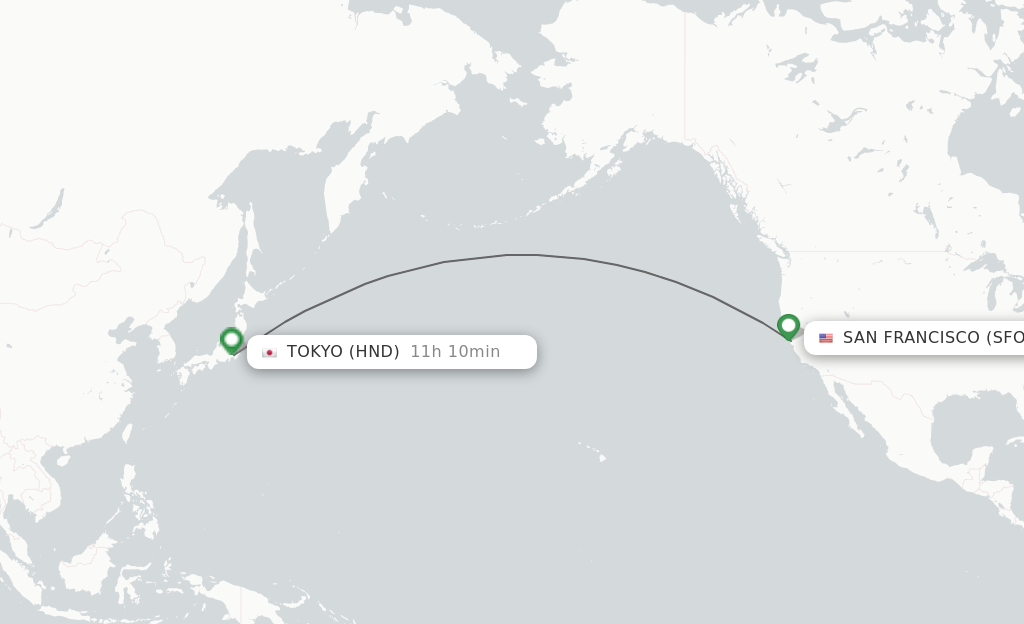
The flight from San Francisco to Tokyo traverses approximately 4,500 miles (about 7,242 kilometers). This considerable distance, coupled with the Earth’s rotation and prevailing wind patterns, plays a significant role in determining the actual flight time.
The Impact of Jet Streams and Air Currents
One of the most influential factors dictating flight duration on this route is the presence and strength of the jet streams. These high-altitude, fast-flowing air currents can either assist or hinder an aircraft’s progress.
- Tailwinds: When flying eastward from Tokyo to San Francisco, aircraft often benefit from strong tailwinds provided by the prevailing jet streams. This can significantly shorten the flight duration.
- Headwinds: Conversely, when flying westward from San Francisco to Tokyo, aircraft may encounter headwinds. These opposing air currents can increase the flight time, as the aircraft has to work harder against them.
Airline dispatchers meticulously study meteorological data to leverage these wind patterns. They select flight paths that maximize tailwinds and minimize headwinds whenever possible, a process known as “great circle routing” combined with wind optimization.
Aircraft Type and Speed
While less variable than atmospheric conditions, the specific aircraft model and its cruising speed can also contribute to slight differences in flight times. Modern wide-body jets used for long-haul international flights, such as the Boeing 777, Boeing 787 Dreamliner, or the Airbus A350, are designed for efficiency and speed over long distances. Their cruising speeds typically range from Mach 0.80 to Mach 0.85 (approximately 530 to 570 miles per hour or 850 to 920 kilometers per hour).
Air Traffic Control and Flight Path Variations
While the Great Circle route is the most direct path, actual flight paths can vary due to air traffic control considerations, weather avoidance, and the need to navigate around restricted airspace. These deviations, though usually minor, can add a few minutes to the overall journey.
Typical Flight Durations
The most common query regarding the flight from San Francisco to Tokyo is about its duration. It’s important to distinguish between non-stop flights and those with layovers.
Non-Stop Flights: The Direct Approach
For travelers prioritizing speed and convenience, non-stop flights are the ideal choice. These flights eliminate the need for transfers and minimize travel time.
- San Francisco (SFO) to Tokyo (NRT/HND): The typical non-stop flight time from San Francisco International Airport (SFO) to either Narita International Airport (NRT) or Haneda Airport (HND) in Tokyo generally falls within a range of 9.5 to 11 hours.
- Westbound (San Francisco to Tokyo): Flights heading west are typically at the longer end of this spectrum, often around 10.5 to 11 hours, due to prevailing headwinds.
- Eastbound (Tokyo to San Francisco): Flights heading east, benefiting from tailwinds, can be shorter, often averaging 9.5 to 10 hours.
These times are estimates provided by airlines and can fluctuate slightly based on the factors mentioned previously. For example, a particularly strong headwind might push a westbound flight closer to 11.5 hours, while a favorable tailwind could shave off 30 minutes from an eastbound journey.
Flights with Layover: The Extended Journey
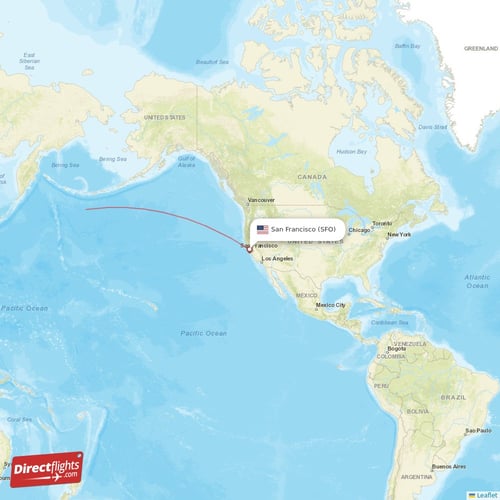
While non-stop options are plentiful, some travelers opt for flights with layovers, either for cost savings or to visit another city en route. These flights significantly increase the total travel time.
- Typical Layover Destinations: Common layover points for flights between San Francisco and Tokyo include cities on the West Coast of North America like Seattle, Vancouver, or even further afield like Honolulu or Los Angeles. Some itineraries might involve layovers in other major Asian hubs before reaching Tokyo.
- Total Travel Time: When factoring in the flight segments and the layover duration, a flight with one or more stops can easily take anywhere from 14 hours to 24 hours or more. The length of the layover is the most significant variable, with some being as short as 2-3 hours and others spanning overnight.
When booking flights, always pay close attention to the “total travel time” displayed by the airline or booking platform, as this will encompass all flight legs and layovers.
Planning Your Transpacific Travel
Understanding flight durations is fundamental to effective travel planning. It impacts everything from your packing strategy to your itinerary upon arrival.
Jet Lag and Time Zone Adjustments
The flight from San Francisco to Tokyo involves crossing the International Date Line, meaning you will lose a calendar day when traveling west. This, combined with the significant time zone difference (typically 16 hours ahead of San Francisco), contributes to jet lag.
- Westbound Travel (SFO to Tokyo): Departing San Francisco in the afternoon or evening, you will typically arrive in Tokyo in the late afternoon or evening of the next day. The flight itself is quite long, and your body will be experiencing a significant shift in its circadian rhythm.
- Eastbound Travel (Tokyo to SFO): Departing Tokyo in the late afternoon or evening, you will arrive in San Francisco on the same calendar day, usually in the morning or early afternoon. This can sometimes make the eastbound journey feel slightly less disorienting initially, as you “gain” a day back, though the internal clock will still be significantly off.
Maximizing Comfort on Long Flights
Given the duration of these flights, comfort is paramount.
- Choosing Airlines and Seats: Airlines like Japan Airlines (JAL) and All Nippon Airways (ANA) are known for their excellent service on transpacific routes, offering comfortable seating and high-quality in-flight amenities. Consider booking seats with extra legroom or in premium cabins if your budget allows.
- In-Flight Entertainment and Connectivity: Most long-haul flights offer extensive in-flight entertainment systems with movies, TV shows, and music. Wi-Fi may also be available for an additional fee, allowing you to stay connected or productive.
- Practicalities: Pack essentials in your carry-on bag, including comfortable clothing, sleep aids (neck pillow, eye mask, earplugs), entertainment, and any personal medications. Staying hydrated and moving around the cabin periodically can also help mitigate the effects of prolonged sitting.
Connecting Flights and Beyond
While non-stop flights are the quickest way to reach Tokyo from San Francisco, understanding layover options can be beneficial for various travel preferences.
Exploring Layover Options Strategically
If you choose a flight with a layover, consider its purpose.
- Short Layover: Aim for a layover of 2-4 hours to comfortably make your connection without excessive waiting.
- Long Layover/Stopover: If you intend to explore the layover city, book a stopover of at least 24 hours. This allows sufficient time for sightseeing, dining, and experiencing a new destination before continuing your journey to Tokyo. Popular stopover cities can offer unique cultural experiences, from the natural beauty of Vancouver to the urban allure of Los Angeles.
Arrival in Tokyo: Navigating Airports and Cities
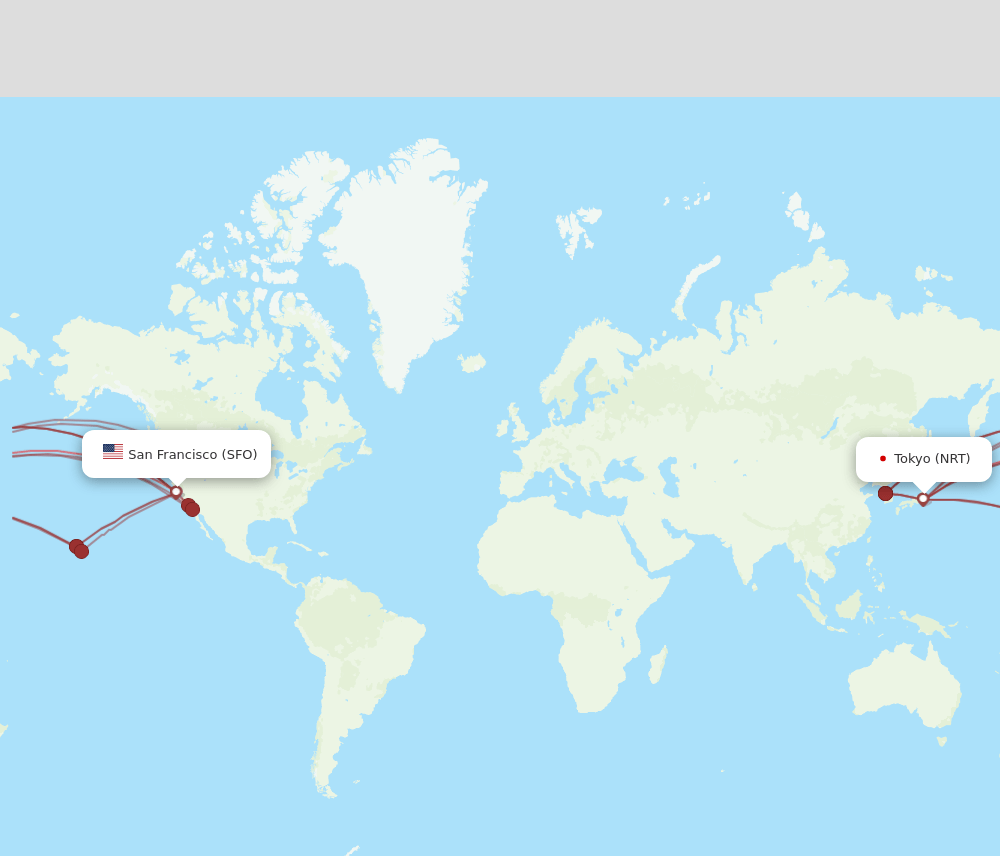
Upon arrival in Tokyo, you will likely land at either Narita International Airport (NRT) or Haneda Airport (HND).
- Narita International Airport (NRT): Located about 60 kilometers (37 miles) northeast of central Tokyo, NRT is a major international gateway. Transportation options to the city include the Narita Express train, limousine buses, and taxis. The journey to central Tokyo typically takes 1 to 1.5 hours.
- Haneda Airport (HND): Situated much closer to central Tokyo, HND is a more convenient option for many travelers. It offers excellent access via the Keikyu Line, Tokyo Monorail, and express buses, with travel times to central areas often under 30-45 minutes.
Understanding these arrival logistics is the final piece of the puzzle in planning your journey from San Francisco to the vibrant heart of Japan. Whether you opt for the speed of a non-stop flight or the adventure of a layover, preparation is key to a smooth and enjoyable transpacific experience.
LifeOutOfTheBox is a participant in the Amazon Services LLC Associates Program, an affiliate advertising program designed to provide a means for sites to earn advertising fees by advertising and linking to Amazon.com. Amazon, the Amazon logo, AmazonSupply, and the AmazonSupply logo are trademarks of Amazon.com, Inc. or its affiliates. As an Amazon Associate we earn affiliate commissions from qualifying purchases.