
Embarking on a journey from the rainy charm of Seattle to the sun-kissed shores of Hawaii is a dream for many. This iconic route connects the bustling Pacific Northwest with the serene beauty of the mid-Pacific Ocean, offering a gateway to an unforgettable island escape. As you plan your tropical getaway, one of the most pressing questions is often: “How long is the flight?”
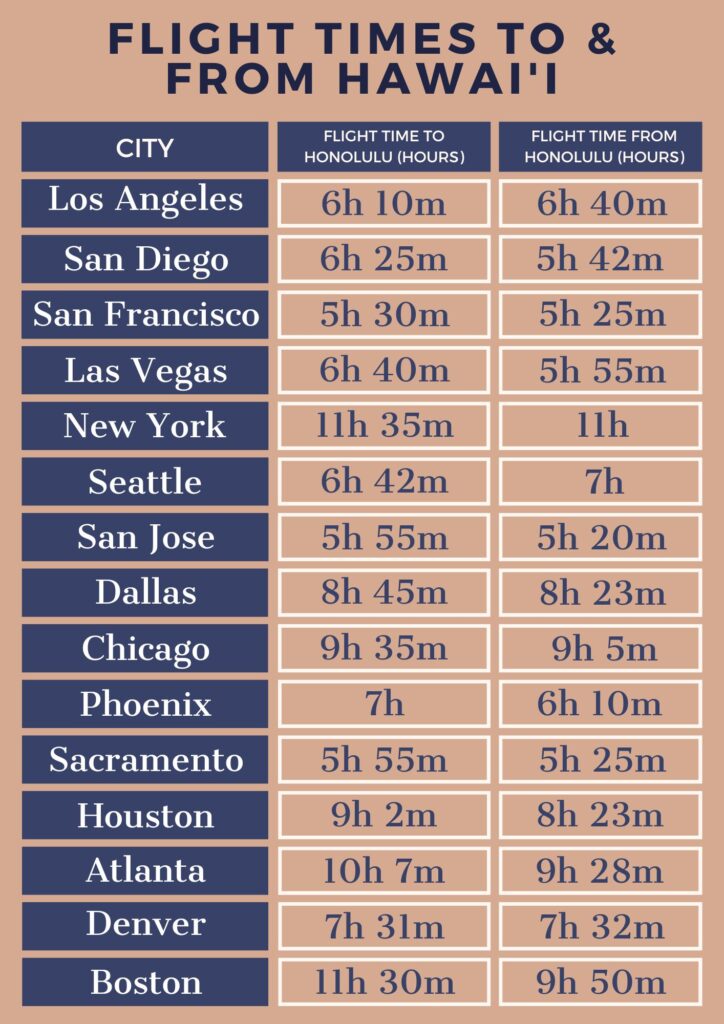
The direct flight from Seattle-Tacoma International Airport (SEA) to various Hawaiian islands typically ranges from around 5 hours and 40 minutes to 6 hours and 30 minutes. However, this is a broad estimate, and several factors can influence the exact duration of your travel time. From the specific island you’re flying to, to the type of aircraft and even prevailing winds, understanding these variables can help you better prepare for your journey to paradise. This article will delve into the intricacies of this popular flight path, offering insights into what to expect, how to make your journey comfortable, and what awaits you upon arrival in the Aloha State.

Unpacking the Journey: What Dictates Flight Time?
The duration of a flight is rarely a fixed number. While airlines publish scheduled flight times, the actual time spent in the air can fluctuate. For a significant trans-oceanic route like Seattle to Hawaii, these variables become even more pronounced. Understanding them helps in setting realistic expectations for your travel day.
The Specific Island Destination
Hawaii is an archipelago, meaning it’s composed of multiple islands, each with its own major airport. The distance from Seattle varies slightly depending on which island you choose as your final destination.
- To Oahu (Honolulu): As the most populous island and home to the capital, Honolulu, this is the most common destination. Daniel K. Inouye International Airport (HNL) serves as the primary gateway. Being the closest major island to the North American mainland, flights here are generally the shortest.
- To Maui (Kahului): Known as the “Valley Isle,” Maui is another incredibly popular choice. Flights to Kahului Airport (OGG) are marginally longer than those to Oahu, given its slightly more southerly and easterly position.
- To the Big Island (Kona/Hilo): The largest of the Hawaiian islands, the Big Island offers diverse landscapes. Flights to Kona International Airport (KOA) on the west side are a bit further, while Hilo International Airport (ITO) on the east side is similar in distance.
- To Kauai (Lihue): The “Garden Isle” of Kauai is the furthest north-westerly of the main islands. Flights to Lihue Airport (LIH) tend to be on the longer end of the spectrum, though still within a similar range.
Non-Stop vs. Connecting Flights
The vast majority of travelers from Seattle opt for direct, non-stop flights to Hawaii to minimize travel time and maximize vacation enjoyment. However, sometimes connecting flights are available, often at a lower cost or when direct options are fully booked. A connecting flight will significantly extend your overall travel time, adding layover durations and the time taken for additional takeoffs and landings. While the actual airtime might be similar, the door-to-door journey can easily double. When considering accommodation, always factor in the total transit time to ensure you arrive refreshed.
Aircraft Type and Airspace Considerations
Modern commercial aircraft, such as the Boeing 737, Boeing 787 Dreamliner, or Airbus A320 series, are designed for efficiency and speed. While there isn’t a massive difference in cruising speed between common models used on this route, newer aircraft can sometimes shave off a few minutes. Additionally, air traffic control and congestion around both Seattle and Hawaiian airports can lead to minor delays on the ground or in the air, impacting the precise flight duration.
Weather Patterns and Jet Streams
One of the most significant natural factors influencing flight time across the Pacific is the wind. Flights from Seattle to Hawaii often contend with prevailing headwinds or benefit from tailwinds, depending on the season and specific atmospheric conditions. A strong tailwind can significantly reduce flight time by 20-30 minutes or more, essentially pushing the aircraft along. Conversely, strong headwinds can increase flight time by a similar margin. Pilots and flight planners constantly monitor these jet streams to determine the most efficient and safest flight path, which can vary day by day.
Direct Flight Durations to Hawaii’s Main Gateways from Seattle
For most travelers, the convenience of a direct flight from Seattle to Hawaii is paramount. Several major airlines offer non-stop services, and understanding the typical duration to each island can help you choose your ideal destination. These times represent the average block time (from pushback to gate arrival) for a direct flight.
To Honolulu, Oahu (HNL): The Most Common Route
Typical Flight Time: 5 hours 40 minutes – 6 hours 10 minutes
Flights from Seattle to Honolulu (Daniel K. Inouye International Airport) are usually the shortest and most frequent. This route connects a major United States mainland hub with the most active airport in Hawaii. Airlines like Alaska Airlines, Delta Air Lines, Hawaiian Airlines, United Airlines, and Southwest Airlines all provide direct service. Oahu is famous for its vibrant Waikiki Beach, historic Pearl Harbor National Memorial, and the iconic Diamond Head crater, making it a popular choice for first-time visitors and those seeking a blend of city life and natural beauty.
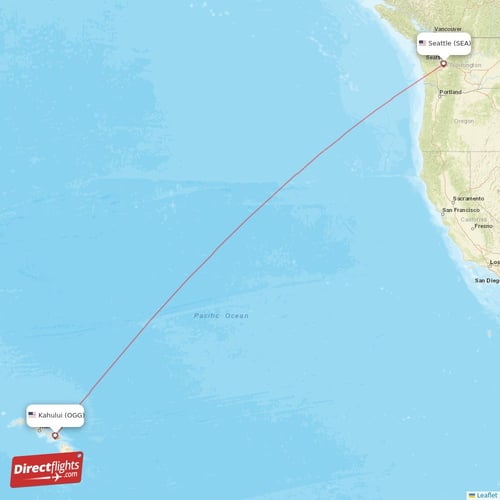
To Maui (Kahului, OGG): A Popular Island Escape
Typical Flight Time: 6 hours 00 minutes – 6 hours 30 minutes
Traveling to Maui generally adds a slight increment to your flight duration compared to Oahu. Kahului Airport serves as the main entry point for those eager to explore Maui’s stunning beaches, the scenic Road to Hana, and the majestic sunrise from Haleakala National Park. Direct flights are readily available from carriers such as Alaska Airlines, Delta Air Lines, and Hawaiian Airlines, making it a convenient choice for those seeking luxury resorts and breathtaking natural landscapes.
To the Big Island (Kona/Hilo, KOA/ITO): Volcanic Wonders Await
Typical Flight Time: 6 hours 10 minutes – 6 hours 40 minutes
The Big Island is a fascinating destination, home to the active volcanoes of Hawaii Volcanoes National Park. Flights from Seattle typically land at Kona International Airport (KOA) on the drier west side or less frequently at Hilo International Airport (ITO) on the lush east side. The flight duration to the Big Island is often the longest among the primary islands due to its position furthest south-east. Direct flights are offered by airlines like Alaska Airlines and Hawaiian Airlines.
To Kauai (Lihue, LIH): The Garden Isle’s Allure
Typical Flight Time: 6 hours 00 minutes – 6 hours 30 minutes
Kauai, often called the “Garden Isle,” is renowned for its dramatic cliffs, lush rainforests, and stunning Na Pali Coast State Park. Direct flights from Seattle land at Lihue Airport. Despite being the furthest north-west, its flight time is comparable to Maui. Alaska Airlines and Delta Air Lines are among the carriers offering non-stop service to this verdant paradise.
Maximizing Comfort on Your Journey to Paradise
A six-hour flight is long enough to warrant some planning for comfort and enjoyment. Preparing for the journey can significantly enhance your overall travel experience, ensuring you arrive in Hawaii feeling refreshed and ready to begin your vacation.
Choosing Your Airline and Class
The airline you choose can impact your in-flight experience. Major carriers operating this route, such as Alaska Airlines, Delta Air Lines, and Hawaiian Airlines, offer varying levels of service, seat pitch, and amenities.
- Economy Class: While the most budget-friendly, consider airlines known for slightly better legroom or booking an exit row/extra legroom seat for a small premium.
- Premium Economy/Comfort+: Many airlines offer an intermediate class with more legroom, recline, and often enhanced meal service and priority boarding. This can be a worthwhile upgrade for a longer flight.
- First Class/Business Class: For the ultimate comfort, these classes offer lie-flat seats (on some wide-body aircraft), gourmet meals, and dedicated service, turning the journey into part of the luxury travel experience.
- Amenities: Check what in-flight entertainment, Wi-Fi, and meal services are included, especially if you have specific dietary needs.
In-Flight Essentials for a Smooth Experience
To ensure a comfortable flight, pack a small carry-on bag with these essentials:
- Hydration: The dry cabin air can be dehydrating. Bring a reusable water bottle to fill after security, and avoid excessive alcohol or caffeine.
- Comfort Items: A neck pillow, eye mask, and earplugs or noise-canceling headphones are invaluable for rest. Wear loose, comfortable clothing and layers, as cabin temperatures can fluctuate.
- Entertainment: While in-flight entertainment systems are common, having your own loaded tablet, e-reader, or book provides a personalized escape.
- Snacks: Pack some healthy snacks to avoid reliance on airline offerings and to save money.
- Personal Hygiene: A small travel-sized toothbrush, toothpaste, and face wipes can help you feel refreshed before landing.
- Chargers/Power Bank: Keep your devices charged, especially if you plan to use them for entertainment.
Conquering Time Zones: Adjusting to Hawaiian Time
Flying from Seattle to Hawaii involves crossing several time zones. Seattle operates on Pacific Standard Time (PST) or Pacific Daylight Time (PDT), while Hawaii observes Hawaii Standard Time (HST) year-round. There is a 2-hour difference during daylight saving time (PDT) and a 3-hour difference during standard time (PST). This means if you leave Seattle at 10:00 AM PST, you’ll arrive in Hawaii around 1:40 PM HST (factoring in the 3-hour difference and 5h 40m flight). The journey effectively gains you hours in the day upon arrival, which can be disorienting.
To combat jet lag, try to adjust your sleep schedule a few days before your trip. Hydrate well, try to sleep on the plane, and expose yourself to natural light upon arrival to help reset your internal clock. Immediately adjust your watch to Hawaiian Time as you board the plane.
Beyond the Flight: Crafting Your Dream Hawaiian Itinerary
The flight is merely the prelude to the incredible experiences that await you in Hawaii. Leveraging the island’s diverse offerings, from natural landmarks to vibrant local culture, is key to an unforgettable trip. This is where the true essence of travel and tourism comes alive.
Iconic Landmarks and Must-See Attractions
Each Hawaiian island boasts unique attractions that cater to different interests, from adventure seekers to those looking for serene relaxation.
- Oahu: Beyond Waikiki Beach and Pearl Harbor National Memorial, hike up Diamond Head for panoramic views, visit the historic Iolani Palace, or catch a surf lesson on the North Shore.
- Maui: Witness a spectacular sunrise or sunset from the summit of Haleakala National Park, drive the winding Road to Hana to discover hidden waterfalls, or simply relax on the golden sands of Ka’anapali Beach.
- Big Island: Explore the dramatic landscapes of Hawaii Volcanoes National Park, snorkel with manta rays off Kona, or marvel at the black sand beaches of Punalu’u.
- Kauai: Take a boat tour or helicopter ride along the breathtaking Na Pali Coast State Park, explore the “Grand Canyon of the Pacific” at Waimea Canyon State Park, or unwind at Hanalei Bay.
Finding Your Perfect Hawaiian Accommodation
Hawaii offers a vast array of accommodation options to suit every budget and travel style, from luxurious resorts to quaint vacation rentals.
- Luxury Resorts: Indulge in unparalleled service and amenities at places like The Royal Hawaiian in Waikiki, the Four Seasons Resort Maui at Wailea, The Ritz-Carlton, Kapalua on Maui, or Princeville Resort Kauai. These often feature opulent suites, world-class dining, and stunning ocean views.
- Family-Friendly Options: Resorts like Hilton Hawaiian Village Waikiki Beach Resort on Oahu or Aulani, A Disney Resort & Spa offer kid-friendly pools, activities, and spacious accommodations.
- Boutique Hotels & Guesthouses: For a more intimate and local experience, consider smaller hotels or bed-and-breakfasts that often provide unique charm and personalized service.
- Vacation Rentals (Apartments/Villas): Ideal for longer stays, families, or budget-conscious travelers, platforms offer everything from cozy apartments to sprawling villas, providing kitchens and more living space. This option often provides a glimpse into local lifestyle.
When booking, consider the amenities crucial to your trip – whether it’s a beachfront location, a pool, a full kitchen, or proximity to specific attractions. Reading reviews and comparing options is essential for finding the perfect “home away from home.”
Immersing in Local Culture and Culinary Delights
Hawaii’s rich Polynesian culture is a significant part of its appeal. Don’t miss the opportunity to engage with local traditions and savor authentic Hawaiian cuisine.
- Luaus: Attend a traditional luau to experience hula dancing, ancient storytelling, and a feast featuring kalua pig, poke, and haupia.
- Food Scene: Indulge in fresh seafood, especially poke bowls, which have become globally popular. Sample local fruits, shave ice, and explore farmer’s markets for unique treats.
- Activities: Try surfing lessons, go snorkeling or scuba diving in vibrant coral reefs, hike through lush rainforests, or simply relax on a pristine beach. Consider budget travel tips to enjoy these activities without breaking the bank.
- Respectful Tourism: Learn about Hawaiian customs (“Aloha Spirit”) and respect the ‘aina (land) and kai (ocean) during your visit. This contributes to sustainable tourism and a deeper, more meaningful experience.
The lifestyle of Hawaii is one of relaxation, adventure, and deep connection to nature. Whether you’re planning a luxury travel escape, a budget-friendly family trip, or even a business stay with some leisure time, the islands offer a backdrop unlike any other.
In conclusion, the flight from Seattle to Hawaii is a journey of approximately 5 hours and 40 minutes to 6 hours and 30 minutes, a relatively brief passage across the vast Pacific to reach a world of tropical splendor. While the duration is manageable, planning for comfort and engaging with the vibrant offerings of the islands—from iconic landmarks and diverse accommodations to rich local culture—will ensure your Hawaiian adventure is truly unforgettable. Prepare for your flight, embrace the Aloha Spirit, and get ready to create lasting memories in paradise.
LifeOutOfTheBox is a participant in the Amazon Services LLC Associates Program, an affiliate advertising program designed to provide a means for sites to earn advertising fees by advertising and linking to Amazon.com. Amazon, the Amazon logo, AmazonSupply, and the AmazonSupply logo are trademarks of Amazon.com, Inc. or its affiliates. As an Amazon Associate we earn affiliate commissions from qualifying purchases.