
Traveling from the lush, evergreen landscapes of the Pacific Northwest to the vibrant, neon-lit corridors of the Mojave Desert is one of the most popular west-coast routes in the United States. Whether you are heading to Las Vegas for a high-stakes weekend, a world-class convention, or a gateway to the natural wonders of Nevada, understanding the logistics of your journey is the first step toward a seamless trip. While the distance between Seattle and the “Entertainment Capital of the World” spans roughly 860 miles, the actual time spent in the air is surprisingly brief, making it an ideal destination for both quick getaways and extended vacations.
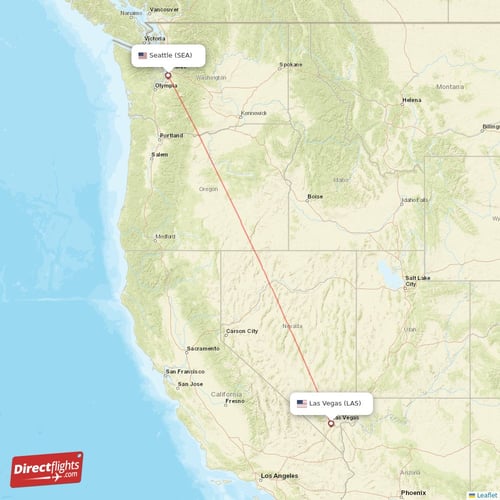
Understanding the Flight Duration Between Seattle and Las Vegas
When booking a trip from Seattle, the most common question travelers ask is exactly how much time they will spend in their seats. The flight duration is influenced by several factors, ranging from the specific airline’s flight path to the prevailing wind conditions over the western United States.
Direct Flight Times and Average Durations
For those flying non-stop, the flight from Seattle-Tacoma International Airport to Harry Reid International Airport typically lasts between 2 hours and 20 minutes and 2 hours and 45 minutes. Southbound flights often benefit from certain atmospheric conditions, though the return trip to Washington can sometimes take a few minutes longer due to head-winds. When you factor in taxiing time on the runway and the initial ascent, most airlines schedule the block time at approximately 2 hours and 35 minutes to ensure on-time arrivals.
Factors Influencing Your Time in the Air
While the physical distance remains constant, atmospheric variables play a significant role. The jet stream, a high-altitude air current, generally flows from west to east. Because the flight path from Seattle to Las Vegas moves primarily southward with a slight eastern tilt, the impact of the jet stream is less pronounced than on transcontinental routes. However, seasonal weather patterns in the Pacific Northwest, such as heavy fog or winter storms, can occasionally delay departures, even if the flight time itself remains short.
Comparing Non-Stop vs. Connecting Flights
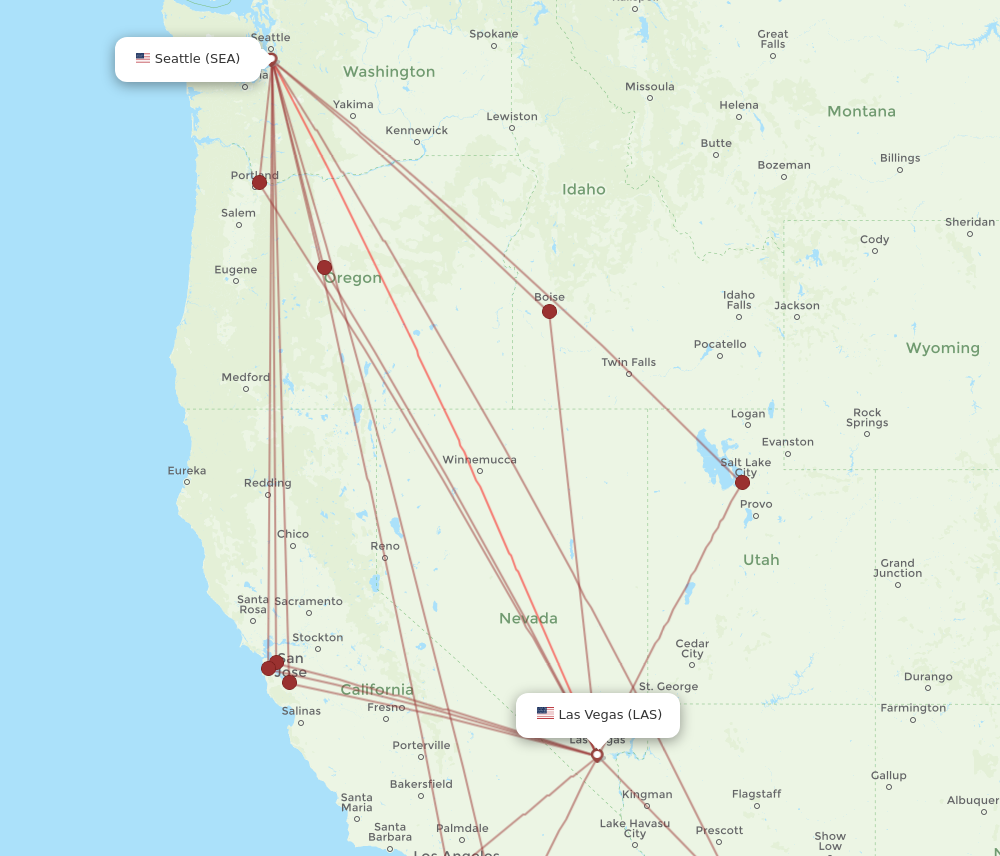
While the majority of travelers opt for direct service, some may choose connecting flights to save on costs or to earn miles with specific loyalty programs. Common layover cities for this route include Portland, Salt Lake City, or San Francisco. Choosing a connection can extend your total travel time to anywhere from 4 to 7 hours. Unless there is a significant price discrepancy or a desire to visit a second city, the efficiency of a non-stop flight is generally the preferred choice for this regional hop.
Navigating the Departure: Seattle-Tacoma International Airport
Your journey begins at Seattle-Tacoma International Airport, commonly referred to as Sea-Tac. As one of the busiest hubs in the nation, navigating this facility requires a bit of foresight to ensure you make it to your gate with time to spare.
Check-in and Security Protocols at Sea-Tac
Seattle-Tacoma International Airport has implemented several technological advancements to streamline the traveler experience. For those flying to Las Vegas, it is highly recommended to use the SEA Spot Saver, a digital reservation system for security screening that allows passengers to bypass the standard long lines. Given the popularity of the Las Vegas route, morning and Friday afternoon flights can see a surge in passenger volume. Arriving at least two hours before your scheduled departure remains the gold standard for a stress-free experience.
Amenities and Lounges for a Pre-Flight Refresh
Before boarding your flight, Seattle-Tacoma International Airport offers a variety of Pacific Northwest-inspired amenities. You can enjoy a coffee from a local roaster or visit the Sub Pop record store to soak in the local music culture. For travelers with lounge access, the Alaska Airlines Lounge or the Delta Sky Club provide quiet environments to work or relax. The airport also features impressive views of Mount Rainier on clear days, providing a majestic backdrop as you wait for your departure to the desert.
Major Carriers Serving the Seattle to Las Vegas Route

The competitive nature of the Seattle to Las Vegas route means that travelers have a wealth of options, ranging from full-service legacy carriers to low-cost regional favorites.
Alaska Airlines: The PNW Connection
As the primary carrier based in Seattle, Alaska Airlines offers the highest frequency of daily flights to Las Vegas. Known for their consistent service and extensive route network within the west coast, they are a favorite for business travelers and vacationers alike. Their flights typically depart from the North Satellite or C Gates, and they often provide the most flexible scheduling options, with departures spaced throughout the morning, afternoon, and evening.
Southwest Airlines and Budget Alternatives
Southwest Airlines is another major player on this route, often operating out of the B Gates at Seattle-Tacoma International Airport. Their unique boarding process and “bags fly free” policy make them an attractive option for those planning to bring extra luggage for a long stay in Nevada. For those seeking the absolute lowest fares, ultra-low-cost carriers like Spirit Airlines and Frontier Airlines also frequent this path, providing no-frills service that is perfectly suited for a flight under three hours.
Delta Air Lines and Premium Services
Delta Air Lines maintains a significant hub in Seattle, offering several daily non-stop flights to Las Vegas. Travelers looking for a more premium experience may prefer Delta Air Lines for their Comfort+ and First Class seating options, which provide extra legroom and enhanced snack services. Their integration with the SkyMiles program makes this route a frequent choice for loyalists looking to maintain their elite status while traveling within the United States.
Arriving in the Silver State: Harry Reid International Airport
Upon descent into the Las Vegas Valley, the scenery shifts dramatically from the evergreen forests of Washington to the rugged, red-rock beauty of the Red Rock Canyon. Landing at Harry Reid International Airport is an experience in itself, as the aircraft often flies parallel to the Las Vegas Strip, offering a bird’s-eye view of the iconic skyline.
Landing at Terminal 1 vs. Terminal 3
Harry Reid International Airport is divided into two main terminal buildings that are not physically connected. Southwest Airlines, Delta Air Lines, and American Airlines generally operate out of Terminal 1. Conversely, Alaska Airlines and United Airlines, along with most international carriers, utilize Terminal 3. Understanding which terminal you arrive at is crucial for coordinating ground transportation or meeting fellow travelers. Both terminals feature the ubiquitous slot machines that signal your official arrival in the gambling capital.
Transportation from the Airport to the Las Vegas Strip
One of the greatest advantages of Harry Reid International Airport is its proximity to the city center. The airport is located just a few miles from the Las Vegas Strip, meaning your vacation truly begins within minutes of deplaning. Ride-share services like Uber and Lyft have designated pickup zones in the parking garages of both terminals. Alternatively, many travelers choose to rent a car from the McCarran Rent-A-Car Center, which is accessible via a short shuttle ride, allowing for easy excursions to Hoover Dam or Lake Mead.
Maximizing Your Travel Experience
To make the most of the flight from Seattle to Las Vegas, a little preparation goes a long way. This route is a favorite for many, but the contrast between the two cities requires some adjustment.
Best Times of the Year to Fly
While Las Vegas is a year-round destination, the flight prices and airport crowds can fluctuate. Mid-week flights in the spring and fall often provide the best balance of affordable airfare and pleasant weather in Nevada. If you are flying during the winter months, you might leave a rainy Seattle and land in a surprisingly chilly desert evening, so checking the forecast for both locations is essential. For those looking for the ultimate Las Vegas experience, flying in for major events like the Life Is Beautiful Festival or New Year’s Eve requires booking months in advance.
Packing Essentials for the Transition from Rain to Desert Heat
The climate shift between Washington and Nevada is one of the most extreme in the country. When departing Seattle, you are likely dressed for moisture and cooler temperatures. However, Las Vegas is characterized by its intense dry heat and high UV index. It is wise to pack layers; the air conditioning in Las Vegas casinos and resorts can be quite cold, contrasting sharply with the outdoor heat. Don’t forget to hydrate immediately upon landing, as the change from the humidity of the Puget Sound to the arid desert air can be taxing on the body.
In conclusion, the flight from Seattle to Las Vegas is a brief yet transformative journey. In under three hours, you can travel from the tech-driven, coffee-loving atmosphere of the Northwest to the high-energy, sun-drenched playground of the Southwest. By choosing the right airline, navigating the airports efficiently, and preparing for the climate change, you can ensure that your travel experience is as enjoyable as the destination itself.
LifeOutOfTheBox is a participant in the Amazon Services LLC Associates Program, an affiliate advertising program designed to provide a means for sites to earn advertising fees by advertising and linking to Amazon.com. Amazon, the Amazon logo, AmazonSupply, and the AmazonSupply logo are trademarks of Amazon.com, Inc. or its affiliates. As an Amazon Associate we earn affiliate commissions from qualifying purchases.