
Understanding the flight duration between two geographically distant yet popular travel destinations like Texas and Florida is crucial for efficient travel planning. This journey, bridging two significant Southern states, can vary considerably due to a multitude of factors. Whether you’re heading to the theme parks of Orlando, the beaches of Miami, or the vibrant cultural hubs of Houston or Dallas, knowing the approximate flight time will help you book the right flights, pack appropriately, and manage your expectations for your travel day. This guide delves into the typical flight durations, the variables that influence them, and provides practical advice for making your trip between these two states as smooth as possible.

Factors Influencing Flight Time
The seemingly simple question of “how long is the flight” between Texas and Florida is, in reality, influenced by a complex interplay of geographical, meteorological, and operational elements. Recognizing these variables is key to understanding why flight schedules can differ and how to best anticipate your travel time.
Geographical Distance and Flight Paths
The sheer size of Texas means that departure and arrival points significantly impact flight duration. A flight originating from El Paso in West Texas will inherently take longer to reach Florida than a flight from Houston or Dallas in East Texas. Similarly, the specific destination within Florida plays a role. A flight to Pensacola in the Panhandle is geographically closer to East Texas than a flight to Miami in South Florida.
Air traffic control also dictates flight paths. Aircraft don’t fly in perfectly straight lines between two points. Instead, they follow established aerial highways, or airways, which are influenced by weather patterns, restricted airspace, and the positioning of other aircraft. These airways can add miles and, consequently, minutes to the total flight time. The specific route programmed by the flight management system of the aircraft is a critical determinant of the actual flight path.
Direct vs. Connecting Flights
One of the most significant factors affecting your total travel time is whether you opt for a direct flight or a connecting flight.
Direct Flights
Direct flights, also known as non-stop flights, offer the shortest travel time between Texas and Florida. These flights depart from a Texas airport and land at a Florida airport without any intermediate stops.
- Typical Duration: For direct flights, the actual airborne time from major Texas cities like Dallas/Fort Worth International Airport (DFW) or Houston George Bush Intercontinental Airport (IAH) to popular Florida destinations such as Orlando International Airport (MCO) or Miami International Airport (MIA) typically ranges from 2.5 to 3.5 hours. Flights from the western parts of Texas like San Antonio International Airport (SAT) or Austin-Bergstrom International Airport (AUS) might be slightly longer, pushing towards the 3 to 4-hour mark depending on the specific Florida destination.
Connecting Flights
Connecting flights involve a stopover at an intermediate airport, where passengers deplane and then re-board a different aircraft to reach their final destination. While sometimes cheaper, connecting flights significantly increase the overall travel time.
- Total Travel Time: The duration of a connecting flight can range from 4 hours to over 8 hours, or even more, depending on the length of the layover, the location of the connecting airport, and the time required to switch planes. Common connecting hubs for this route might include cities like Atlanta, Charlotte, or even other airports within Texas or Florida.
Aircraft Type and Speed
While less impactful for passengers than other factors, the specific type of aircraft used by the airline can subtly influence flight duration. Different aircraft models have varying cruising speeds. Modern jets are generally faster than older models, and certain aircraft are designed for longer-haul efficiency, which might translate to slightly quicker flights. Airlines also optimize their flight plans for fuel efficiency and speed, balancing these factors based on prevailing conditions and operational policies.
Weather Conditions
Weather plays a critical role in air travel, affecting flight times in several ways.
Tailwinds and Headwinds
Flights are subject to atmospheric currents. A tailwind pushes the aircraft forward, reducing flight time, while a headwind opposes its motion, increasing it. These winds are particularly prevalent at cruising altitudes and can significantly alter the perceived speed of the aircraft over the ground. For eastbound flights from Texas to Florida, favorable tailwinds are often encountered, which can shorten the flight. Conversely, headwinds will lengthen it.
Severe Weather
Major weather events, such as thunderstorms, hurricanes, or significant fog, can cause delays, diversions, or require aircraft to take different, longer routes to avoid turbulent areas. While the actual flight time might be slightly extended due to detours, the primary impact of severe weather is often seen in pre-flight delays and cancellations rather than a marginal increase in airborne time.
Air Traffic Control and Airport Operations
The efficiency of air traffic control (ATC) and the operational capacity of airports can also influence flight times. Congestion at busy airports, both at departure and arrival, can lead to taxi delays on the ground, holding patterns in the air, and longer times to deplane. Airlines and ATC work together to manage this congestion, but during peak travel times, these factors can add to the overall duration of the travel experience.
Typical Flight Durations: Texas to Florida
To provide a clearer picture, let’s break down the typical flight times from major Texas airports to key destinations in Florida, focusing on direct flights as they represent the most common and efficient travel method for this route.
From Major Texas Hubs

Texas boasts several major international airports, each serving as a gateway to numerous domestic and international destinations. The most common departure points for flights to Florida are:
-
Dallas/Fort Worth International Airport (DFW): As one of the busiest airports in the world, DFW offers extensive flight options to Florida.
- To Orlando (MCO): Approximately 2 hours and 45 minutes to 3 hours and 15 minutes.
- To Miami (MIA): Approximately 3 hours to 3 hours and 30 minutes.
- To Tampa (TPA): Approximately 2 hours and 50 minutes to 3 hours and 20 minutes.
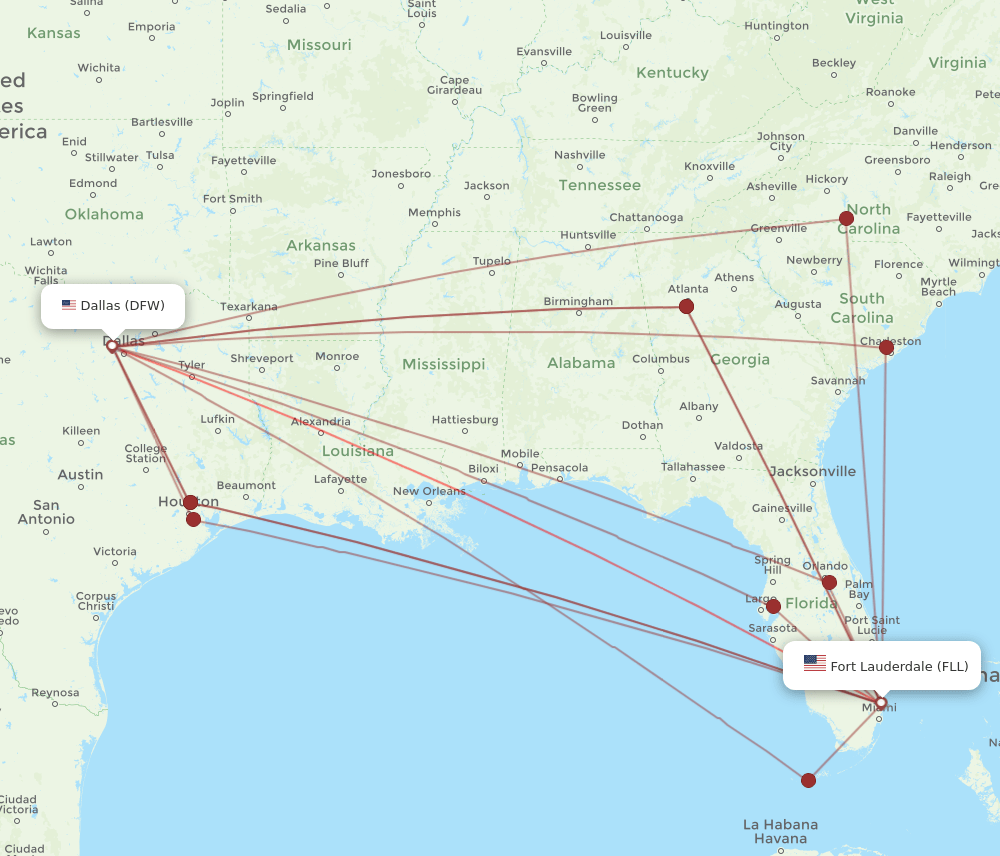
- To Fort Lauderdale (FLL): Approximately 2 hours and 55 minutes to 3 hours and 25 minutes.
-
Houston George Bush Intercontinental Airport (IAH): Another major gateway, IAH provides numerous direct flights to Florida.
- To Orlando (MCO): Approximately 2 hours and 50 minutes to 3 hours and 20 minutes.
- To Miami (MIA): Approximately 3 hours and 10 minutes to 3 hours and 40 minutes.
- To Tampa (TPA): Approximately 3 hours to 3 hours and 30 minutes.
-
Austin-Bergstrom International Airport (AUS): While smaller than DFW or IAH, AUS still has a good selection of direct flights to popular Florida cities.
- To Orlando (MCO): Approximately 2 hours and 55 minutes to 3 hours and 25 minutes.
- To Miami (MIA): Approximately 3 hours and 15 minutes to 3 hours and 45 minutes.
- To Tampa (TPA): Approximately 3 hours and 5 minutes to 3 hours and 35 minutes.
-
San Antonio International Airport (SAT): Flights from SAT tend to be similar in duration to those from Austin.
- To Orlando (MCO): Approximately 2 hours and 55 minutes to 3 hours and 25 minutes.
- To Miami (MIA): Approximately 3 hours and 15 minutes to 3 hours and 45 minutes.
To Key Florida Destinations
Florida is a large state with multiple international airports that serve as popular entry points for travelers. The most common destinations from Texas include:
-
Orlando International Airport (MCO): Known for its world-renowned theme parks like Walt Disney World Resort and Universal Orlando Resort, Orlando is a primary destination for many Texans.
- From Dallas/Fort Worth: ~2h 45m to 3h 15m
- From Houston: ~2h 50m to 3h 20m
- From Austin/San Antonio: ~2h 55m to 3h 25m
-
Miami International Airport (MIA): Serving South Florida and its vibrant beaches, nightlife, and cultural attractions.
- From Dallas/Fort Worth: ~3h to 3h 30m
- From Houston: ~3h 10m to 3h 40m
- From Austin/San Antonio: ~3h 15m to 3h 45m
-
Tampa International Airport (TPA): A gateway to the Tampa Bay area, including St. Petersburg and the famous Clearwater Beach.
- From Dallas/Fort Worth: ~2h 50m to 3h 20m
- From Houston: ~3h to 3h 30m
- From Austin/San Antonio: ~3h 5m to 3h 35m
-
Fort Lauderdale-Hollywood International Airport (FLL): Serving the Fort Lauderdale area, a popular destination for beaches and cruises.
- From Dallas/Fort Worth: ~2h 55m to 3h 25m
- From Houston: ~3h 5m to 3h 35m
- From Austin/San Antonio: ~3h 10m to 3h 40m
-
Jacksonville International Airport (JAX): Located in Northeast Florida, serving the Jacksonville area.
- From Dallas/Fort Worth: ~2h 30m to 3h
- From Houston: ~2h 40m to 3h 10m
It is important to note that these are approximate flight times. The actual duration can vary based on the specific airline, the exact flight path taken, and prevailing atmospheric conditions.
Planning Your Trip: Maximizing Efficiency
When planning a trip from Texas to Florida, understanding the flight duration is just one piece of the puzzle. Maximizing efficiency involves a holistic approach to travel planning.
Choosing the Right Flights
The first step to an efficient journey is selecting the right flight.
- Prioritize Direct Flights: For minimizing travel time, non-stop flights are always the best option. While they may sometimes be more expensive, the time saved, especially on shorter routes like this one, often justifies the cost. Compare prices across different airlines, but keep the total travel time in mind.
- Consider Departure and Arrival Airports: Think strategically about which airports in Texas and Florida are most convenient for your origin and destination. For example, if you are visiting Walt Disney World Resort, flying into Orlando International Airport (MCO) is more efficient than flying into Miami and driving several hours north.
- Flight Times: Early morning or late evening flights can sometimes be less congested, potentially leading to smoother boarding and taxiing processes. However, consider your personal preference for travel times to avoid overtiredness.
Packing and Preparation
Efficient travel also extends to your preparation before and during the flight.
- Carry-On Essentials: Pack all necessary items in your carry-on luggage, including travel documents, medications, entertainment, snacks, and a change of clothes. This saves time waiting at baggage claim upon arrival, especially if you are in a hurry.
- Online Check-In: Most airlines allow you to check in online 24 hours before your flight. This allows you to select your seat, get your boarding pass, and proceed directly to security, saving significant time at the airport.
- Travel Documents Ready: Ensure your ID and boarding pass are easily accessible to expedite the security screening process.
Navigating Airports
Efficient airport navigation can significantly reduce stress and save time.
- Arrive Early: While modern airports are designed for efficiency, it’s always wise to arrive at least two hours before a domestic flight. This buffer allows for unexpected queues at check-in, security, or with parking.
- Familiarize Yourself with the Airport Layout: If you are flying out of a Texas airport you are not familiar with, such as Dallas Love Field (DAL) or if you are arriving at a Florida airport like Southwest Florida International Airport (RSW), check the airport’s website beforehand for maps, terminal information, and available amenities.
- Utilize Airport Resources: Many airports offer services like mobile apps with real-time flight information, gate assignments, and even navigation assistance.
Post-Flight Logistics
Once you land, your travel day isn’t over. Efficiently managing your arrival will ensure a smooth transition to your Florida vacation or business trip.
- Ground Transportation: Pre-booking your rental car, ride-share service, or airport shuttle can save time upon arrival. Many Florida destinations, particularly those away from major city centers, require personal transportation or pre-arranged services.
- Baggage Claim Efficiency: If you checked a bag, know your airline’s baggage claim carousel number in advance. Some airports have screens near the arrival gates indicating this information. If your aim is speed, packing light with only a carry-on is the most effective strategy.
By considering these factors, travelers can gain a comprehensive understanding of how long their flight from Texas to Florida will likely take, and how to make the entire travel process as seamless and efficient as possible, ensuring you spend less time in transit and more time enjoying your destination.
LifeOutOfTheBox is a participant in the Amazon Services LLC Associates Program, an affiliate advertising program designed to provide a means for sites to earn advertising fees by advertising and linking to Amazon.com. Amazon, the Amazon logo, AmazonSupply, and the AmazonSupply logo are trademarks of Amazon.com, Inc. or its affiliates. As an Amazon Associate we earn affiliate commissions from qualifying purchases.