
Embarking on a journey from the vast plains of Texas to the idyllic shores of Hawaii is a dream for many, promising an escape to paradise. While the allure of volcanic landscapes, pristine beaches, and vibrant culture is undeniable, a significant part of the travel planning revolves around understanding the journey itself, particularly the flight duration. For travelers in Texas, the distance to Hawaii is substantial, spanning thousands of miles across the Pacific Ocean. This article delves into the specifics of flight times, the factors that influence them, and what you can expect when making the transatlantic voyage to America’s 50th state. We’ll provide an insightful guide to ensure you’re well-prepared for the journey, making the transition from the heartland to the islands as smooth as possible.
Understanding the Route: Texas to Hawaii
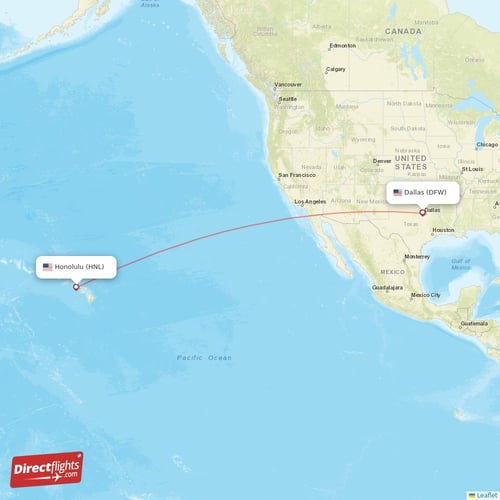
The immense geographic separation between Texas and Hawaii is the primary determinant of flight length. Situated in the South Central United States, Texas is nearly 4,000 miles away from the Hawaiian archipelago, which lies in the central Pacific. This considerable distance necessitates a journey that, while long, is an integral part of the adventure.
Geographic Considerations
Texas is geographically diverse, but all major departure points share the commonality of being located firmly within the continental United States, far from the Pacific coastline. Hawaii, on the other hand, is an isolated island chain, meaning there are no shorter overland routes or ferry options. The flight path almost exclusively traverses the open ocean, making it a direct and sustained journey over water once the mainland is left behind. This vast expanse translates directly into the hours spent airborne. The specific flight path can vary slightly depending on factors like air traffic control directives and prevailing winds, but the core distance remains constant.
Major Departure Cities in Texas
Travelers from Texas typically depart from one of its major metropolitan hubs, each offering varying flight options and frequencies to Hawaii.
- Houston: As the largest city in Texas, Houston is a significant gateway. Flights usually depart from George Bush Intercontinental Airport (IAH).
- Dallas/Fort Worth: The Dallas/Fort Worth metroplex is another major travel hub, with flights primarily operating out of Dallas/Fort Worth International Airport (DFW).
- Austin: The state capital offers direct and connecting flights from Austin-Bergstrom International Airport (AUS).
- San Antonio: Travelers from San Antonio will typically fly from San Antonio International Airport (SAT), often with connections through larger hubs.
The choice of departure city primarily impacts the initial leg of the journey and the availability of direct flights, which can significantly influence total travel time.
Common Arrival Airports in Hawaii
Upon reaching Hawaii, visitors usually land at one of several international airports, depending on their ultimate island destination.
- Daniel K. Inouye International Airport (HNL) in Honolulu, Oahu: This is the busiest airport in Hawaii and the primary gateway for most international and mainland flights. Many direct flights from Texas land here.
- Kahului Airport (OGG) in Maui: Popular for those heading directly to Maui.
- Kona International Airport (KOA) on the Big Island: Serves the west side of the Big Island.
- Lihue Airport (LIH) in Kauai: The main airport for the garden island.
While Honolulu is the most common arrival point, some airlines offer direct flights from Texas to Maui or the Big Island, which can save time compared to connecting in Honolulu for an inter-island flight.
Direct vs. Connecting Flights: The Time Factor
The most significant differentiator in flight duration from Texas to Hawaii is whether you opt for a non-stop journey or one with layovers. The convenience and time-saving aspects of direct flights are substantial.
Non-Stop Flight Durations
For travelers prioritizing efficiency, non-stop flights are the ideal choice. These flights eliminate the delays associated with layovers, making for the fastest possible travel time.
- From Houston (IAH) to Honolulu (HNL): A direct flight typically ranges from 7 hours and 45 minutes to 8 hours and 30 minutes.
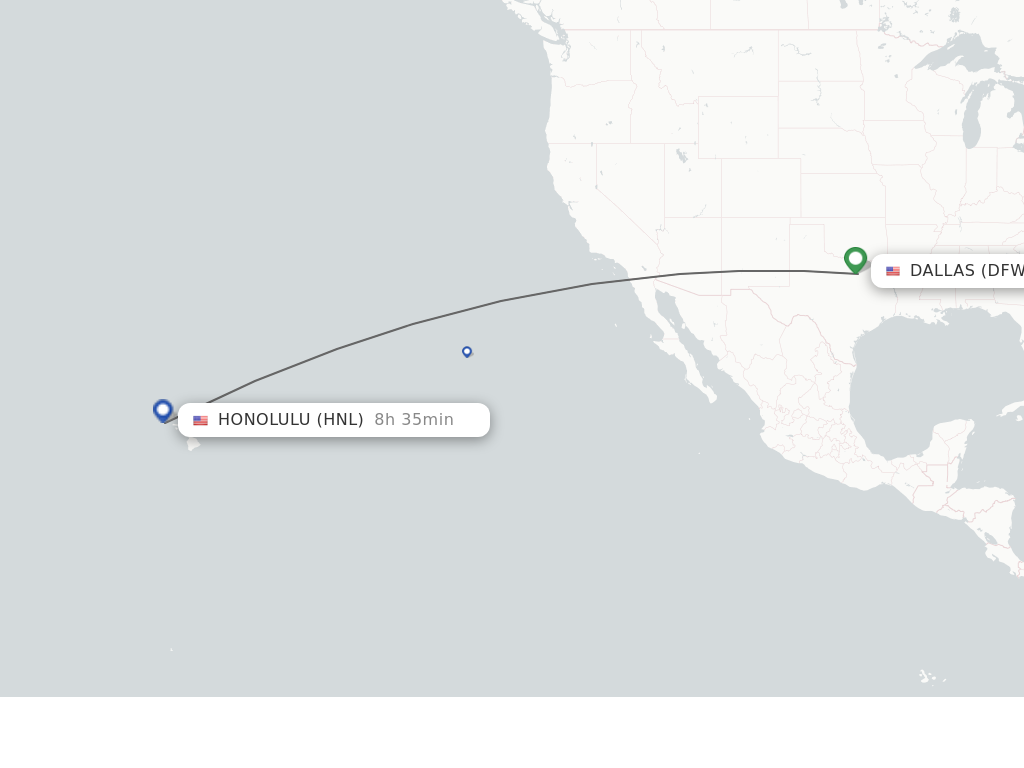
- From Dallas/Fort Worth (DFW) to Honolulu (HNL): Similar to Houston, expect around 8 hours to 8 hours and 45 minutes for a non-stop journey.
- To other Hawaiian islands (e.g., Maui, Big Island): Direct flights from Texas to these islands are less common but might be slightly longer or shorter depending on the exact route, generally staying within the 8 to 9-hour range.
These times represent the actual airborne duration, excluding boarding, taxiing, and deplaning.
Impact of Connecting Flights
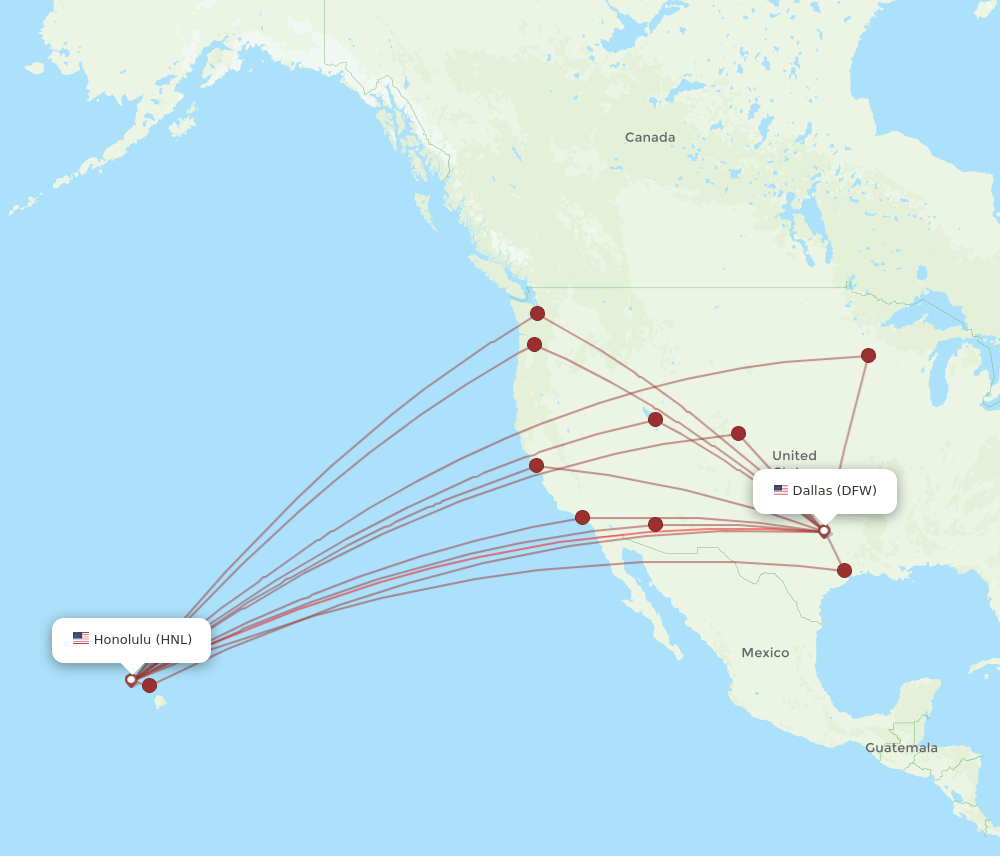
While direct flights are the quickest, they may not always be available or fit every budget. Connecting flights involve one or more layovers, predominantly on the West Coast of the United States. Common connection points include:
- Los Angeles (LAX)
- San Francisco (SFO)
- Phoenix (PHX)
- Seattle (SEA)
A connecting flight can extend your total travel time significantly. Even with efficient layovers, you should factor in an additional 2 to 5 hours, bringing the total journey time from Texas to Hawaii to anywhere between 10 to 15 hours or more. This includes the flight segments, time spent between flights, and potential delays. While often more affordable, the trade-off is a longer and potentially more tiring travel day.
Time Zones and Their Effect
Another critical aspect to consider is the substantial time zone difference. Texas primarily operates in the Central Time Zone (CT), which is UTC-6. Hawaii, on the other hand, observes Hawaii Standard Time (HST), which is UTC-10. This creates a 4-hour difference during standard time (when Texas is not observing Daylight Saving Time) and a 5-hour difference when Texas is on Daylight Saving Time (as Hawaii does not observe DST).
When you fly from Texas to Hawaii, you are effectively “gaining” 4 or 5 hours. This means that if you depart Texas at 9 AM CT on an 8-hour flight, you would land around 5 PM CT, but locally in Hawaii, it would only be 12 PM or 1 PM HST. While this can feel like you’ve arrived early in the day, the internal clock of your body will register it as much later, contributing to jet lag upon arrival.
Factors Influencing Flight Duration
Beyond the obvious distance, several other variables can subtly, or sometimes significantly, impact how long your flight from Texas to Hawaii actually takes. Understanding these factors can help in managing expectations and planning.
Aircraft Type and Speed
Modern commercial aircraft, such as Boeing 787 Dreamliners or Airbus A330s, are designed for long-haul routes and boast impressive cruising speeds. These newer, more fuel-efficient planes can sometimes shave a few minutes off a journey compared to older models, operating at higher altitudes and optimized speeds. However, the differences are usually marginal, perhaps 15-30 minutes, rather than hours. The primary impact of aircraft type is more on passenger comfort and amenities rather than drastic changes in flight time.
Wind Conditions (Jet Stream)
One of the most impactful natural phenomena affecting flight duration is the jet stream. These high-altitude, fast-moving air currents typically flow from west to east across the Pacific.
- Westbound Flights (to Hawaii): Flights traveling westward often encounter headwinds, which are winds blowing against the direction of travel. This resistance can slow the aircraft down, adding anywhere from 30 minutes to over an hour to the typical flight time.
- Eastbound Flights (from Hawaii to Texas): Conversely, eastbound flights often benefit from tailwinds, where the jet stream pushes the aircraft forward. This can significantly reduce flight times, often by 30 minutes to an hour or more, making the return journey typically shorter than the outbound flight.
Airlines carefully monitor these conditions and adjust flight plans and estimated arrival times accordingly, but unexpected shifts can still occur.
Air Traffic Control and Delays
While less about the direct flight time itself, air traffic control (ATC) can contribute to the overall duration of your journey. Delays can occur at any stage:
- Departure Delays: Congestion at busy airports in Texas, weather systems, or operational issues can lead to aircraft waiting on the tarmac before takeoff.
- In-Flight Rerouting: ATC might direct planes to alter their flight paths to avoid severe weather, military airspace, or congested corridors.
- Arrival Delays: Congestion around Hawaiian airports, particularly Daniel K. Inouye International Airport, can sometimes lead to holding patterns or slower approach speeds.
While airlines build buffer time into their schedules to account for some minor delays, significant unforeseen events can always extend the total travel experience.
Preparing for Your Long-Haul Journey
A flight of 8+ hours requires a bit more preparation than a short domestic hop. Ensuring comfort and managing expectations can make a significant difference to your overall experience.
What to Expect Onboard
Airlines operating long-haul routes from Texas to Hawaii typically use wide-body aircraft designed for extended travel. These usually offer:
- In-flight Entertainment: Personal seatback screens with a selection of movies, TV shows, music, and games are standard.
- Meal Service: At least one main meal will be served, often accompanied by snacks and beverages. Special meals can usually be pre-ordered.
- Comfort: While economy seats are still compact, the aircraft configuration often allows for slightly more space than a typical short-haul plane. Many airlines also offer premium economy, business, or first-class options for enhanced comfort.
- Connectivity: Wi-Fi is increasingly available on long-haul flights, often for a fee, allowing you to stay connected (albeit at varying speeds).
Tips for a Comfortable Flight
Making an 8-hour flight enjoyable comes down to proactive planning:
- Hydrate: Drink plenty of water before and during your flight to combat dehydration in the dry cabin air. Avoid excessive alcohol and caffeine.
- Move Regularly: Get up and walk around the cabin every couple of hours if possible. Perform simple in-seat stretches to promote circulation and prevent stiffness.
- Wear Comfortable Clothing: Loose-fitting layers are ideal, as cabin temperatures can fluctuate.
- Bring Entertainment: While in-flight options are available, having your own loaded tablet, book, or podcast can be a lifesaver if you don’t find the airline’s selection appealing.
- Noise-Canceling Headphones: These are invaluable for blocking out engine noise and other cabin disturbances, allowing for better sleep or concentration.
- Sleep Aids: An eye mask, neck pillow, and earplugs can significantly improve your ability to rest.
- Snacks: Pack some healthy snacks in case airline meal times don’t align with your hunger or if you have dietary preferences.
Managing Jet Lag
The 4-5 hour time difference will likely result in some degree of jet lag. Here’s how to minimize its impact:
- Adjust Before You Go: A few days before your trip, try to gradually shift your sleep schedule towards Hawaii’s time zone.
- Hydrate and Avoid Alcohol/Caffeine: As mentioned, this helps your body adjust.
- Embrace the Light: Upon arrival, expose yourself to natural light during Hawaii’s daytime hours, even if you feel tired. This helps reset your circadian rhythm.
- Stay Active: Gentle activity can help you feel more alert and less groggy.
- Avoid Napping for Too Long: While a short power nap can be helpful, avoid long naps that interfere with your ability to sleep at your destination’s nighttime. Try to stay awake until Hawaii’s bedtime.
Beyond Flight Time: Total Travel Experience
While the airborne segment is the core of the journey, the overall travel experience from Texas to Hawaii encompasses much more than just the hours spent in the air.
Airport Procedures
The entire process, from leaving your home to arriving at your Hawaiian accommodation, involves several stages:
- Check-in and Security: Arrive at your Texas departure airport well in advance (typically 2-3 hours for domestic long-haul flights) to allow ample time for baggage check-in and security screening, especially if traveling during peak periods.
- Boarding: The boarding process itself can take 30-45 minutes.
- Baggage Claim and Customs (if applicable): Once you land in Hawaii, you’ll need to retrieve your luggage. While Hawaii is a U.S. state, there are agricultural inspection requirements for all arriving passengers due to the unique ecosystem, though this typically doesn’t add significant delay for domestic travelers.
Factoring in these pre- and post-flight procedures, your total airport time on both ends can easily add another 3-5 hours to your journey.
Ground Transportation in Hawaii
Once you’ve landed and collected your bags, you’ll need to arrange transportation from the airport to your hotel or resort. This could involve rental cars, shuttle services, taxis, or ride-sharing apps. Depending on your destination island and specific accommodation, this can range from a quick 20-minute drive to an hour or more, particularly in congested areas like Honolulu.
The Reward
Ultimately, the journey to Hawaii is a significant undertaking, but the reward far outweighs the travel time. The islands offer unparalleled natural beauty, from the volcanic landscapes of the Big Island to the lush cliffs of Kauai, the stunning beaches of Maui, and the vibrant city life of Honolulu on Oahu. The rich Hawaiian culture, the warmth of its people, and the endless opportunities for relaxation and adventure make every hour of the flight worthwhile.
In conclusion, a direct flight from Texas to Hawaii will typically span 7.5 to 9 hours in the air. However, when considering connections, time zone changes, and airport processes, the total door-to-door travel time can easily extend to 10-15 hours or more. Thorough preparation, understanding the logistics, and embracing the adventure will ensure your journey from the Lone Star State to the Aloha State is as pleasant as the destination itself. Safe travels!
LifeOutOfTheBox is a participant in the Amazon Services LLC Associates Program, an affiliate advertising program designed to provide a means for sites to earn advertising fees by advertising and linking to Amazon.com. Amazon, the Amazon logo, AmazonSupply, and the AmazonSupply logo are trademarks of Amazon.com, Inc. or its affiliates. As an Amazon Associate we earn affiliate commissions from qualifying purchases.