
Planning a trip from the entertainment capital of the world, Las Vegas, to the architectural marvel that is Chicago, naturally raises questions about travel logistics, with flight duration being paramount. Understanding the typical flight time is crucial for scheduling, connections, and simply preparing for your journey. While the direct flight is relatively straightforward, several factors can influence the exact duration, making it wise to consider more than just the advertised time.
Understanding the Direct Flight Duration
A direct flight from Las Vegas to Chicago typically spans a period of 3 hours and 30 minutes to 4 hours. This estimate represents the actual airborne time, often referred to as block time, which includes taxiing to and from the gate but primarily focuses on the time spent in the air. The distance covered is approximately 1,500 to 1,600 statute miles, traversing the American heartland from the deserts of Nevada to the bustling urban landscape of Illinois.
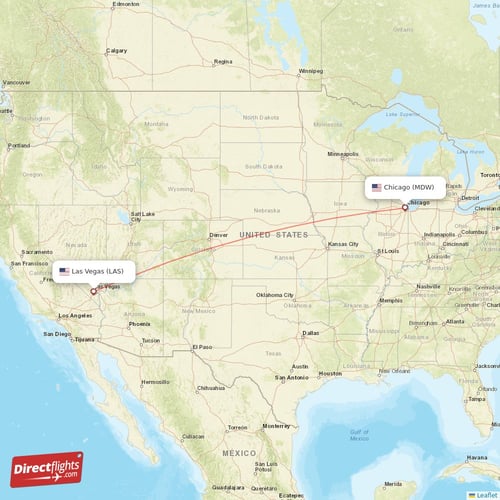
Departing from Harry Reid International Airport (LAS) in Las Vegas, travelers have two primary arrival points in Chicago: O’Hare International Airport (ORD) and Midway International Airport (MDW). While the distance to both is similar, slight variations in air traffic control patterns and runway availability can sometimes lead to marginal differences in flight times, often by just a few minutes. Both airports serve as major hubs, offering extensive connectivity and services for arriving passengers.
Factors Influencing Flight Times
While the average flight time provides a solid baseline, several dynamic elements can cause deviations. These factors are integral to the aviation industry and are constantly monitored by airlines and Air Traffic Control to ensure safety and efficiency.
Aircraft Type and Speed
The type of aircraft employed for the route plays a role in flight duration, albeit often a minor one for routes of this distance. Most commercial flights between Las Vegas and Chicago utilize narrow-body jets such as the Boeing 737 or Airbus A320 series. These aircraft cruise at similar speeds, generally around 500-550 miles per hour. While newer generation aircraft might offer marginal fuel efficiency improvements or slightly higher cruise speeds, the overall impact on a sub-4-hour flight is often less significant than other operational factors. Airlines select aircraft based on passenger capacity, operational costs, and fleet availability, rather than minute speed differences for this particular route.
Weather Conditions and Air Traffic Control
Weather is arguably the most influential factor in determining real-time flight duration. The primary consideration for transcontinental flights across the United States is the jet stream. Flying eastbound from Las Vegas to Chicago, aircraft often benefit from tailwinds provided by the jet stream, which can significantly reduce flight times. Strong tailwinds can shave 15-30 minutes off a typical flight, potentially bringing the duration closer to the 3-hour mark. Conversely, if the jet stream shifts or if pilots encounter headwinds, the flight can extend beyond the average, sometimes by 15 minutes or more.
Beyond high-altitude winds, ground-level weather at either Harry Reid International Airport or the Chicago airports (O’Hare or Midway) can impact the entire travel process. Delays due to thunderstorms, heavy snowfall, or fog can lead to rerouting, holding patterns, or extended taxi times, all of which add to the total journey duration. O’Hare International Airport, being one of the world’s busiest airports, is particularly susceptible to Air Traffic Control congestion, which can mandate longer holding patterns or slower approaches, even in clear weather.
Route Optimization and Airspace
The exact flight path from Las Vegas to Chicago is determined by Air Traffic Control based on real-time conditions. While airlines file preferred flight plans aiming for the most direct “great-circle” route, deviations are common. These detours might be necessary to avoid adverse weather, steer clear of restricted military airspace, or manage traffic flow at busy points along the route. For instance, flights might slightly alter their trajectory over the Rockies or the plains states to find optimal wind conditions or bypass areas of turbulence. Each deviation, however slight, can add a few minutes to the overall flight time.
Navigating Time Zones and Travel Logistics
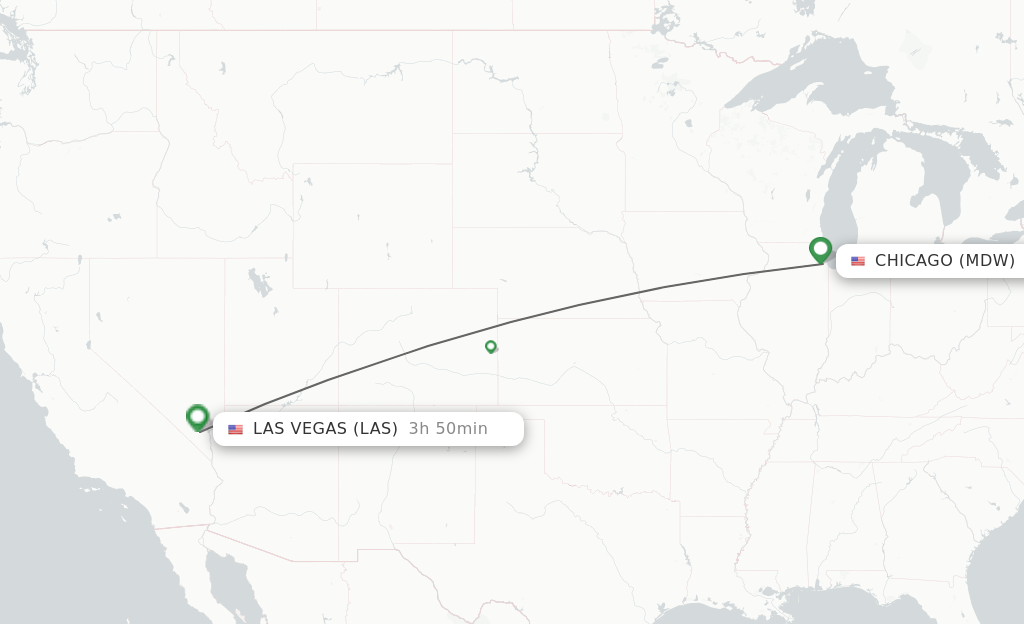
Understanding the actual flight duration is just one piece of the puzzle. The time zone difference between Las Vegas and Chicago significantly impacts your perceived arrival time and subsequent planning.
Time Zone Impact on Arrival
Las Vegas operates on the Pacific Time Zone (PT), while Chicago is in the Central Time Zone (CT). This means there is a two-hour difference, with Chicago being two hours ahead. For example, a flight departing Las Vegas at 10:00 AM PT and lasting 3 hours and 45 minutes will arrive in Chicago at approximately 3:45 PM CT (10:00 AM PT + 3h 45m flight + 2h time zone shift). This time jump can often feel like a longer journey than the actual airborne duration, especially for those who are not accustomed to rapid time zone changes. It’s crucial to factor this into your plans for meetings, hotel check-ins, or connecting transportation.
Airport Experience: LAS, ORD, and MDW
The choice of arrival airport in Chicago can also subtly influence the total travel time from gate to ground transportation.
- Harry Reid International Airport (LAS): Known for its proximity to the famous Las Vegas Strip and relatively efficient operations, departing from LAS is generally a smooth experience. Its compact design often means shorter taxi times compared to larger hubs.
- O’Hare International Airport (ORD): As one of the world’s busiest airports, O’Hare can be associated with longer taxi times upon arrival due to its extensive runway system and high volume of traffic. Deplaning and navigating the terminals, while efficient for its size, can take longer than at smaller airports. Ground transportation from O’Hare to downtown Chicago typically takes 45 minutes to an hour, depending on traffic.
- Midway International Airport (MDW): Often preferred by travelers heading to downtown Chicago due to its closer proximity. Midway generally offers quicker taxi times and a more streamlined experience, especially for domestic flights. Ground transportation from Midway to the city center is usually 25-40 minutes.
When factoring in the total travel time from your starting point in Las Vegas to your final destination in Chicago, remember to add at least 2-3 hours before departure for check-in and security, plus 1-2 hours after landing for deplaning, baggage claim, and ground transportation. This comprehensive view helps manage expectations for the entire journey.
Major Airlines Operating the Route
The Las Vegas to Chicago route is highly competitive, with numerous airlines offering direct flights. This competition generally translates to frequent departures and a range of pricing options.
- Southwest Airlines: A major player on this route, Southwest primarily operates out of Midway International Airport (MDW) in Chicago, known for its customer-friendly policies and frequent flights.
- United Airlines: As a significant hub carrier at O’Hare International Airport (ORD), United Airlines offers a high frequency of direct flights, catering to both leisure and business travelers.
- American Airlines: Also a major presence at O’Hare International Airport, American Airlines provides numerous daily options, integrating this route into its extensive domestic network.
- Spirit Airlines: Known for its ultra-low-cost model, Spirit Airlines offers direct flights to both O’Hare and Midway, appealing to budget-conscious travelers.
- Frontier Airlines: Another low-cost carrier, Frontier Airlines also provides direct service, often with competitive fares, typically to O’Hare International Airport.
- Delta Air Lines: While not a hub carrier in Chicago, Delta Air Lines still offers direct flights to O’Hare International Airport, leveraging its strong overall network.
The availability of multiple airlines ensures a broad spectrum of departure times throughout the day, allowing travelers to choose flights that best fit their schedule and preferences. It’s always advisable to compare prices and flight times across different carriers before booking.
Tips for a Smoother Travel Experience
To ensure your journey from Las Vegas to Chicago is as comfortable and efficient as possible, consider these practical tips:
- Book in Advance: Especially for peak travel seasons or specific days of the week, securing your flight early can often lead to better fares and more desirable flight times.
- Consider Time of Day: Early morning flights are often less prone to delays caused by accumulating air traffic or weather issues throughout the day. Red-eye flights (late-night departures) can maximize your time in Las Vegas but require planning for rest upon arrival in Chicago.
- Check Baggage Policies: Low-cost carriers like Spirit Airlines and Frontier Airlines often charge for carry-on and checked bags, which can add significantly to the total cost if not accounted for.
- Utilize Airport Apps: Download the apps for Harry Reid International Airport and your Chicago arrival airport (O’Hare or Midway) as well as your airline’s app. These provide real-time updates on gate changes, delays, and baggage claim information.
- Pre-book Ground Transportation: Whether it’s a rental car, ride-share, or public transit, having your post-arrival transportation sorted in advance, especially from the expansive O’Hare International Airport, can save time and reduce stress.
- Dress Comfortably and Stay Hydrated: For a nearly four-hour flight, comfort is key. Wear loose clothing and bring a water bottle to stay hydrated, especially given the dry desert climate of Las Vegas.
In conclusion, a direct flight from Las Vegas to Chicago typically ranges from 3.5 to 4 hours in the air. While this provides a clear expectation, understanding the influence of factors like weather, Air Traffic Control, and time zone differences is essential for comprehensive trip planning. By considering these elements, travelers can optimize their journey and ensure a pleasant transition from the vibrant Nevada desert to the dynamic city on Lake Michigan.
LifeOutOfTheBox is a participant in the Amazon Services LLC Associates Program, an affiliate advertising program designed to provide a means for sites to earn advertising fees by advertising and linking to Amazon.com. Amazon, the Amazon logo, AmazonSupply, and the AmazonSupply logo are trademarks of Amazon.com, Inc. or its affiliates. As an Amazon Associate we earn affiliate commissions from qualifying purchases.