
Embarking on a journey from the bustling metropolis of New York to the historic charm of London is a classic transatlantic experience, connecting two of the world’s most influential cities. For many travelers, the immediate question that springs to mind is often, “How long will I actually be in the air?” While the direct flight duration offers a straightforward answer, understanding the full scope of your travel time – from stepping out your front door to arriving at your hotel – involves much more than just the hours spent cruising above the Atlantic Ocean. This comprehensive guide delves into the nuances of this iconic journey, exploring flight times, influencing factors, and crucial tips to ensure a smooth and enjoyable trip, whether you’re traveling for leisure, business, or family adventures.
Unpacking the Flight Duration: Averages, Variables, and What to Expect
The core of your journey between New York and London is the flight itself, a marvel of modern aviation that bridges continents in a matter of hours. However, this seemingly simple calculation is influenced by a range of factors that can add minutes, or even hours, to your travel time.
The Core Flight Time
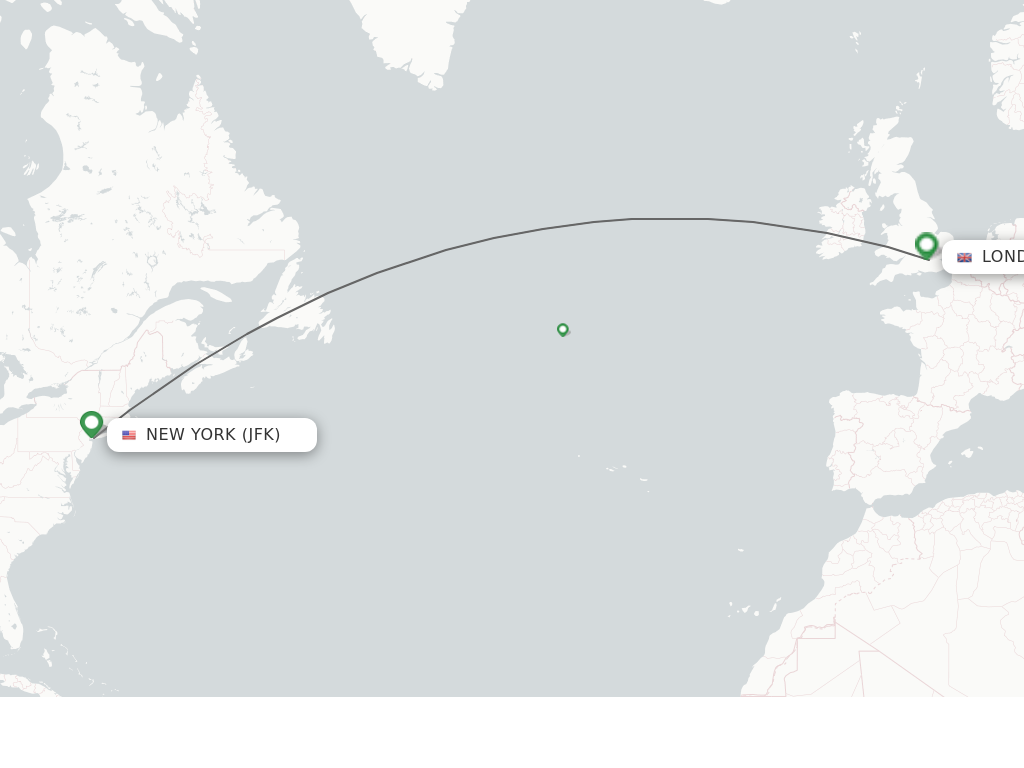
When considering a direct flight from New York to London, the average flight time for the eastbound journey is typically between 6.5 to 7.5 hours. This makes it one of the faster long-haul routes, primarily due to the prevailing atmospheric conditions. Most major airlines, including British Airways, Virgin Atlantic, Delta Air Lines, American Airlines, and JetBlue, offer multiple daily direct flights, providing flexibility for travelers.
Conversely, the westbound flight, from London back to New York, often takes longer, typically ranging from 7.5 to 8.5 hours. This difference is a significant detail for return journey planning and is largely attributable to the powerful natural forces at play.
Connecting flights, while sometimes more economical, will naturally extend your travel time significantly. A layover in a city like Dublin, Amsterdam, Paris, or Frankfurt could add anywhere from 3 to 10 hours or more to your total journey, depending on the length of the stopover. While this might be an option for budget travelers or those wishing to visit an additional destination, for a straightforward trip, direct flights are overwhelmingly preferred for their efficiency.
Factors Influencing Flight Length
Several elements contribute to the exact duration of your transatlantic flight, making each journey subtly unique.
- The Jet Stream: This is arguably the most significant factor. The jet stream is a strong, narrow current of air flowing from west to east at high altitudes. Eastbound flights from North America to Europe often benefit from these powerful tailwinds, essentially getting a ‘push’ that shortens the flight time. Conversely, westbound flights from Europe to North America have to contend with these same headwinds, which can slow the aircraft down and increase the flight duration. The strength and position of the jet stream vary daily, leading to slight fluctuations in published flight times.
- Aircraft Type: Modern aircraft like the Boeing 787 Dreamliner or the Airbus A350 are designed for efficiency and speed over long distances. Their advanced aerodynamics and powerful engines can slightly reduce flight times compared to older models. Airlines invest in these state-of-the-art planes not only for passenger comfort but also for operational efficiency.
- Airline and Route Optimization: While the general flight path between New York and London is similar for all carriers, airlines may have minor variations in their preferred routes. These adjustments can be made based on real-time weather, air traffic control directives, or even specific agreements with countries overflying their airspace. Every effort is made to find the most fuel-efficient and timely path.
- Air Traffic Control (ATC) and Delays: Before even taking off, air traffic control can play a role. Ground delays at busy airports like JFK Airport or Heathrow Airport can mean a longer taxi time or a wait for takeoff clearance. Similarly, once in the air, minor deviations or holding patterns might be necessary due to congested airspace or weather conditions near the destination airport.
- Weather Conditions: Beyond the jet stream, other weather phenomena can impact flight duration. Strong headwinds or tailwinds not associated with the jet stream, thunderstorms, or severe turbulence can lead to pilots adjusting speed or altitude, potentially affecting the overall travel time.
The Time Zone Tango: Landing Ahead of Schedule (Local Time)
One of the most intriguing aspects of flying from New York to London is the significant time difference. London operates on Greenwich Mean Time (GMT) or British Summer Time (BST), which is typically five hours ahead of Eastern Standard Time (EST) in New York.
This means that if you depart New York at 7:00 PM EST on a 7-hour flight, you will arrive in London at approximately 7:00 AM BST the following morning. While you’ve spent 7 hours in the air, the clock in London will have advanced by 12 hours. This phenomenon often gives travelers the unique sensation of “losing a day” and arriving much later than their actual flight time might suggest. This is a crucial element in planning your arrival day activities and managing potential jet lag.
Beyond the Air: Total Travel Time from Door to Destination
While the flight duration is the core component, it’s only one piece of the puzzle. A truly comprehensive understanding of your journey from New York to London must account for the time spent on the ground, before and after your flight. These elements significantly contribute to your total travel time and are crucial for stress-free planning.
Pre-Flight Essentials
Your journey truly begins long before boarding. Preparing for an international flight involves several stages, each requiring ample time.
- Getting to the Airport: New York is served by three major international airports: JFK Airport in Queens, Newark Liberty International Airport in New Jersey, and LaGuardia Airport (though less common for direct London flights). Depending on your starting point in the New York metropolitan area and traffic conditions, reaching any of these airports can take anywhere from 45 minutes to 2 hours or more. Utilize public transport options like the AirTrain, express buses, or consider pre-booked car services to minimize stress.
- Check-in and Security: For international flights, airlines typically recommend arriving at the airport at least 3 hours prior to your scheduled departure. This allows sufficient time for check-in (even if you’ve checked in online, you might need to drop off luggage), going through security screening, and navigating to your gate. Security lines can be unpredictable, especially during peak travel seasons or at major hubs. Having TSA PreCheck or Global Entry can expedite the process in the United States, but you still need to factor in buffer time.
- Boarding Process: Airlines begin the boarding process well before the stated departure time, typically 30-60 minutes before takeoff. This involves passengers showing their boarding passes, finding their seats, and stowing carry-on luggage. The gate officially closes around 10-15 minutes before departure, and missing this deadline means missing your flight.
Adding these pre-flight stages, you should realistically budget an additional 4-5 hours to your air travel time.
In-Flight Experience and Comfort
While technically part of the “flight duration,” how you experience those hours can make a significant difference. Modern aircraft are designed to offer a comfortable experience, even in Economy class, for long-haul journeys.
- Entertainment and Amenities: Virtually all transatlantic flights offer extensive in-flight entertainment systems with movies, TV shows, music, and games. Many airlines also provide Wi-Fi access (often for a fee). Comfort amenities like blankets, pillows, and earplugs are standard, especially on overnight flights.
- Meals and Beverages: Expect at least two meal services (dinner and breakfast on an overnight flight) along with complimentary beverages. Special meal requests (vegetarian, vegan, gluten-free, etc.) should be made in advance during booking.
- Sleeping and Hydration: Overnight flights are often challenging for sleep. Consider bringing an eye mask, noise-canceling headphones, and a travel pillow. Staying hydrated by drinking plenty of water and avoiding excessive alcohol or caffeine is crucial for combating fatigue and jet lag.
- Choosing Your Seat: For those valuing extra comfort, considering Premium Economy, Business Class, or First Class can significantly enhance the experience with more legroom, reclinable seats, enhanced meal service, and dedicated cabin crew. Even in Economy, selecting a window or aisle seat based on your preference for views or easy access can impact your comfort.
Post-Arrival Procedures
Once your plane touches down at one of London’s major airports – most commonly Heathrow Airport, Gatwick Airport, or sometimes London City Airport – your journey is still not complete.
- Immigration and Customs: Upon arrival in the United Kingdom, all international passengers must go through immigration control. Wait times can vary greatly, from a swift 15 minutes to over an hour or more during peak times. United States citizens can often use eGates if eligible, which can speed up the process. After immigration, you’ll pass through customs, which is usually a quick formality unless you have goods to declare.
- Baggage Claim: If you checked luggage, you’ll need to wait for your bags at the carousel. This can add another 20-45 minutes to your post-arrival time, depending on the airport’s efficiency.
- Transportation from Airport: London’s airports are well-connected to the city center.
- From Heathrow Airport, the Heathrow Express offers a direct 15-minute train ride to Paddington Station, while the London Underground (Piccadilly Line) provides a more economical, though longer (45-60 minutes), option to various parts of the city.
- From Gatwick Airport, the Gatwick Express takes about 30 minutes to Victoria Station.
- London City Airport, being closer to the financial district, offers quick DLR (Docklands Light Railway) connections.
- Taxis and ride-sharing services are also available but can be more expensive and subject to traffic delays.
- Reaching Your Accommodation: Finally, getting from your arrival station or airport to your specific hotel – whether it’s a luxury stay like The Ritz London or The Savoy, a charming boutique hotel in Kensington or Covent Garden, or a budget-friendly hostel – will take additional time depending on public transport links or traffic.
Factoring in these post-arrival steps, you should anticipate another 2-3 hours before you are truly settled at your destination. Therefore, the total door-to-door travel time from New York to London can easily stretch to 12-15 hours, even with a direct flight.
Maximizing Your Transatlantic Journey: Tips for a Seamless Trip
A journey between New York and London is more than just the flight; it’s an experience that begins with careful planning and thoughtful preparation. To make the most of your adventure, consider these tips designed to enhance comfort, manage logistics, and dive into the vibrant cultures awaiting you.
Smart Booking Strategies
Planning your trip strategically can save both time and money.
- Best Time to Buy Tickets: Airfare often fluctuates, but generally, booking 2-4 months in advance tends to yield better prices for transatlantic flights. Mid-week departures and returns are often cheaper than weekend travel. Using flight comparison websites and setting price alerts can help you snag a deal.
- Choosing Direct Flights: While connecting flights can be cheaper, the significant increase in total travel time and potential for missed connections usually makes direct flights the preferred option for a route like New York to London.
- Considering Different Airports: While JFK Airport and Heathrow Airport are the primary hubs, sometimes flying from Newark Liberty International Airport or into Gatwick Airport might offer better prices or more convenient times, depending on your final destination in either city.
- Travel Classes: Decide on the class of service that fits your budget and comfort needs. Economy is standard, but Premium Economy offers more space and upgraded service without the full price tag of Business Class or First Class. For business travelers or those seeking ultimate luxury travel, Business Class with lie-flat seats can make a huge difference in arriving refreshed.
Preparing for Jet Lag
The 5-hour time difference between New York and London can lead to noticeable jet lag, especially on eastbound flights. Proactive steps can mitigate its effects.
- Adjusting Sleep Cycles: A few days before your departure, try to shift your sleep schedule closer to London time. Go to bed an hour or two earlier than usual and wake up earlier.
- Hydration and Moderation: Drink plenty of water throughout your flight and avoid excessive alcohol and caffeine, which can exacerbate dehydration and disrupt sleep patterns.
- Utilizing Natural Light: Upon arrival, expose yourself to natural light as much as possible. This helps reset your body’s internal clock. A light walk in Hyde Park or along the Thames can work wonders.
- Strategic Napping: If you must nap, keep it short (20-30 minutes) and avoid napping too late in the afternoon, as this can interfere with nighttime sleep.
Making the Most of Your Time in London (and New York)
Once you’ve successfully navigated the journey, it’s time to immerse yourself in the rich experiences both cities offer.
- London Landmarks and Culture: London is a treasure trove of history and culture. Don’t miss iconic sights like Buckingham Palace, the Tower of London, the British Museum, Westminster Abbey, the London Eye, and of course, Big Ben. Explore diverse neighborhoods like Chelsea, Soho, and the vibrant West End for theatre and dining. Indulge in local food, from traditional fish and chips to diverse international cuisine.
- New York Landmarks and Lifestyle: If you’re departing from New York or staying a few days before your flight, take advantage of its endless attractions. See the Statue of Liberty, ascend the Empire State Building, stroll through Times Square, relax in Central Park, or visit the Metropolitan Museum of Art. The lifestyle in Manhattan offers everything from high-end dining to budget travel options, making it accessible for various preferences, be it family trips or business stays. Catch a show on Broadway, experience the vibrant local culture, and savor diverse food experiences.
- Accommodation Choices: Both cities offer a vast array of accommodation options. From luxury resorts and boutique hotels that cater to opulent tastes to comfortable apartments for extended stays, or cost-effective hostels for budget travel, there’s something for every traveler. Early booking, especially for popular areas or events, is always recommended.
In conclusion, while the direct flight from New York to London typically spans 6.5 to 7.5 hours, the complete travel experience is a multi-faceted journey. By understanding the variables that influence flight duration, preparing for ground logistics, and embracing strategies to combat jet lag, you can transform a long transatlantic crossing into a seamless and enjoyable part of your unforgettable adventure between these two iconic global destinations.
LifeOutOfTheBox is a participant in the Amazon Services LLC Associates Program, an affiliate advertising program designed to provide a means for sites to earn advertising fees by advertising and linking to Amazon.com. Amazon, the Amazon logo, AmazonSupply, and the AmazonSupply logo are trademarks of Amazon.com, Inc. or its affiliates. As an Amazon Associate we earn affiliate commissions from qualifying purchases.