
California, the Golden State, beckons with its diverse landscapes, vibrant cities, and iconic attractions. From the sun-kissed beaches of the south to the majestic redwoods of the north, and from the bustling urban centers to serene wine valleys, it’s a dream destination for millions worldwide. However, before you can dive into the California lifestyle, one crucial question often arises for travelers: “How long is the flight to California?” The answer, as you might expect, isn’t a simple one-size-fits-all duration. It’s a complex equation influenced by numerous factors, ranging from your departure point to the specific airport you choose for arrival, and even the type of flight you book. Understanding these variables is key to planning your journey efficiently and ensuring a smooth, enjoyable travel experience. This comprehensive guide will break down typical flight durations, explain the elements that affect them, and offer tips to make your journey to the West Coast as comfortable as possible.
Factors Influencing Flight Duration to California
The journey to California can range from a quick hop to an epic transcontinental or even trans-oceanic voyage. Several critical factors converge to determine just how long you’ll spend in the air and at airports.
Your Departure City
The most significant determinant of your flight time is your origin. Naturally, the closer you are to California, the shorter your flight will be.
- Within the United States:
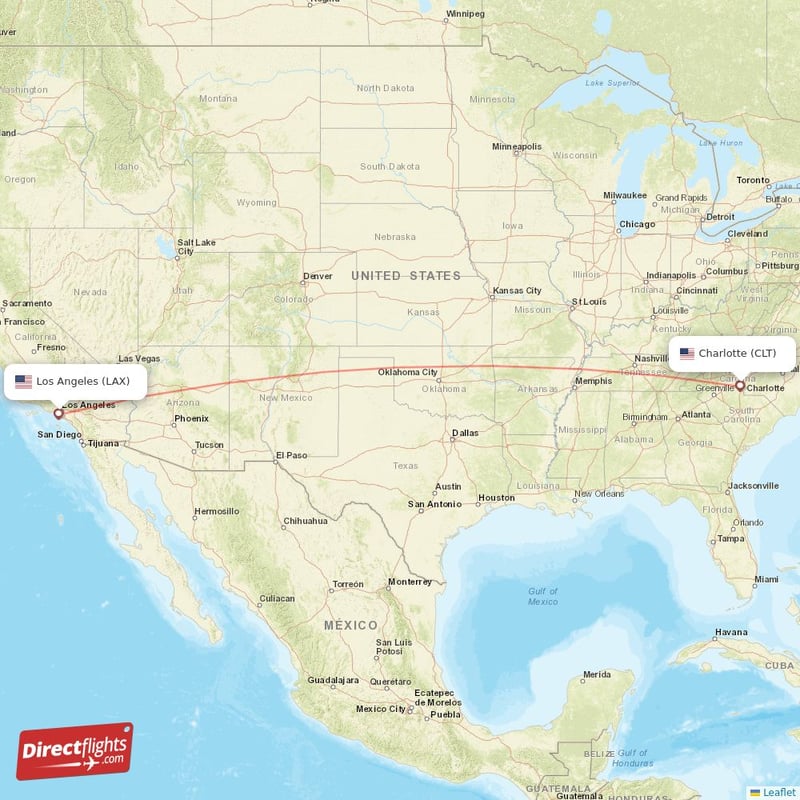
- East Coast: Travelers departing from major cities like New York City, Miami, Boston, or Orlando can expect non-stop flights to California to last anywhere from 5 to 6.5 hours. This is a considerable journey across the continental United States, crossing multiple time zones.
- Midwest: Flights from hubs such as Chicago or Dallas will typically be shorter, usually falling in the 3 to 4.5-hour range for direct routes.
- Mountain West/Southwest: If you’re coming from nearby states like Nevada (Las Vegas) or Arizona (Phoenix), your flight could be as brief as 1 to 2 hours.
- International Departures:
- Europe: A direct flight from major European cities like London, Paris, or Frankfurt to California typically clocks in at 10 to 12 hours.
- Asia: From major Asian hubs such as Tokyo, Seoul, or Shanghai, you’re looking at a similar flight duration, approximately 9 to 12 hours.
- Australia: Journeys from Australia, specifically Sydney or Melbourne, represent some of the longest direct flights, often around 13 to 15 hours.
- South America: Flights from South American cities like Santiago or Sao Paulo are generally 10-12 hours, though direct routes can be less common, often involving a layover.
Specific California Destination
California is a vast state, and where you land within it also affects your total travel time. The primary international and domestic gateways are:
- Los Angeles International Airport (LAX): The busiest airport on the West Coast, serving Los Angeles and surrounding areas.
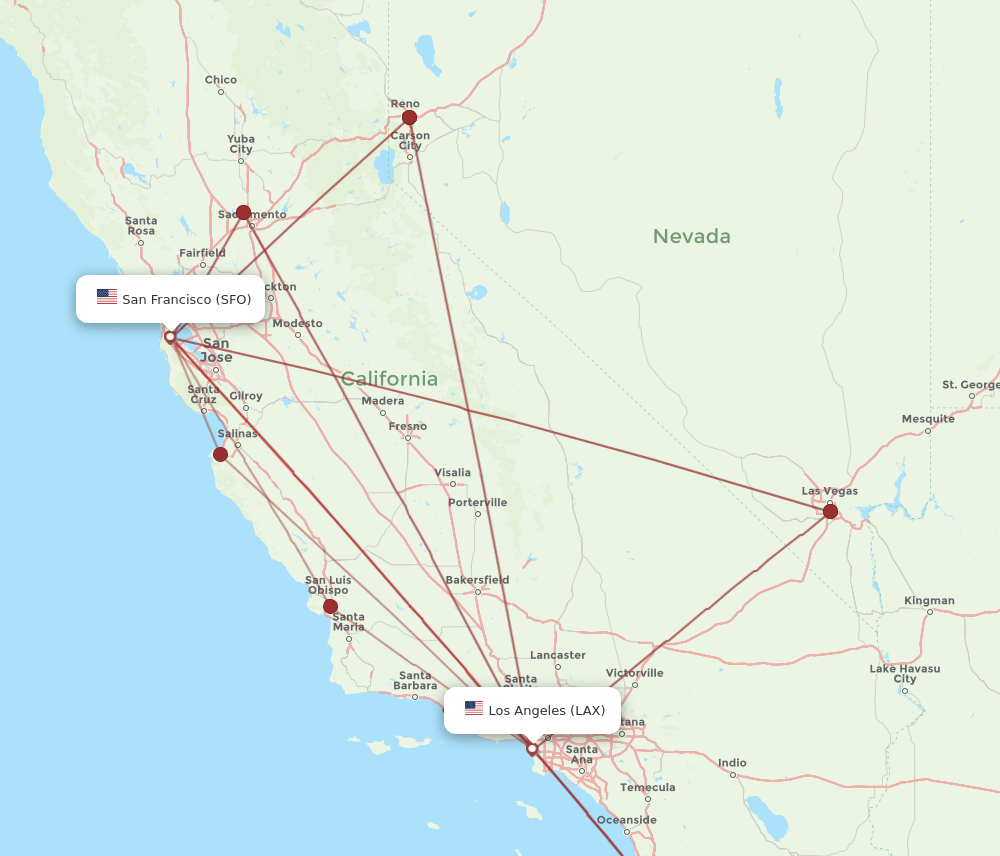
- San Francisco International Airport (SFO): A major hub for Northern California, serving San Francisco and the Bay Area.
- San Diego International Airport (SAN): Serving San Diego and Southern California near the Mexican border.
- Other significant airports: Oakland International Airport (OAK) and San Jose International Airport (SJC) in the Bay Area also serve many routes, particularly domestic ones.
While the difference in flight time between, say, LAX and SFO might only be 30-45 minutes from an East Coast city, it can become more pronounced for international flights or those with tight connections.
Direct vs. Connecting Flights
This is perhaps the second most impactful factor after your departure city.
- Direct (Non-Stop) Flights: These are the quickest way to get from point A to point B, as they involve no stops. The flight duration given by airlines for direct flights represents the actual time spent in the air.
- Connecting Flights: While often more affordable, connecting flights significantly extend your total travel time. You must account for the duration of each flight segment plus the layover time at the connecting airport. Common layover hubs for flights to California include Denver, Phoenix, Dallas, and Atlanta. A short layover might add 2-3 hours to your trip, while a longer one could easily add 6-10 hours, or even require an overnight stay.
Airline and Aircraft Type
While less impactful than distance or connections, the airline you choose and the aircraft type can subtly influence flight duration. Some airlines might fly slightly different routes optimized for speed or fuel efficiency. Newer aircraft are often more efficient and can sometimes maintain higher cruising speeds, though the difference is usually negligible for passengers over the course of a single flight. However, the comfort and amenities offered by airlines like United Airlines, Delta Air Lines, American Airlines, or Southwest Airlines can significantly impact your perception of a long flight.
Weather Conditions and Air Traffic
Unpredictable elements like strong headwinds can increase flight times by 30 minutes to an hour on longer routes, while tailwinds can shorten them. Air traffic control delays, especially around busy hubs like LAX or SFO, can also lead to holding patterns or delayed takeoffs, adding to your overall travel time.
Typical Flight Durations to California
To give you a clearer picture, here’s a breakdown of common flight durations from various parts of the world to major California airports, assuming direct flights unless otherwise specified.
Domestic Flights to California
For travelers within the United States, the flight to California is usually a manageable experience, though time zones can still present a challenge.
- From the East Coast:
- New York City (JFK or EWR) to LAX or SFO: Approximately 5 hours 30 minutes to 6 hours.
- Boston (BOS) to LAX or SFO: Around 6 hours.
- Miami (MIA) to LAX or SFO: About 5 hours 30 minutes to 6 hours.
- From the Midwest:
- Chicago (ORD) to LAX or SFO: Roughly 4 hours to 4 hours 30 minutes.
- Dallas (DFW) to LAX or SFO: Approximately 3 hours 30 minutes.
- From the Mountain West / Southwest:
- Denver (DEN) to LAX or SFO: Around 2 hours 30 minutes.
- Phoenix (PHX) to LAX or SFO: As short as 1 hour to 1 hour 30 minutes.
- Las Vegas (LAS) to LAX: Only about 1 hour to 1 hour 15 minutes.
International Flights to California
International travel to California involves considerably longer flights, often requiring careful planning for comfort and jet lag management.
- From Europe:
- London (LHR) to LAX or SFO: 10 hours to 11 hours.
- Paris (CDG) to LAX or SFO: 10 hours 30 minutes to 11 hours 30 minutes.
- Frankfurt (FRA) to LAX or SFO: 11 hours to 12 hours.
- From Asia:
- Tokyo (NRT or HND) to LAX or SFO: 9 hours 30 minutes to 10 hours 30 minutes.
- Seoul (ICN) to LAX or SFO: 10 hours to 11 hours.
- Shanghai (PVG) to LAX or SFO: 11 hours to 12 hours.
- From Australia:
- Sydney (SYD) to LAX: 13 hours to 14 hours.
- Melbourne (MEL) to LAX: 14 hours to 15 hours.
- From South America:
- Santiago (SCL) to LAX: Approximately 10 hours 30 minutes (often with a stop).
- Sao Paulo (GRU) to LAX: Around 12 hours (often with a stop).
Remember that these are approximate times for direct flights. Any connecting flights will add several hours to your total journey, depending on the layover duration.
Maximizing Your Flight Experience to California
Regardless of whether your flight is a short hop or a long-haul epic, making the most of your time in the air can significantly impact your overall travel satisfaction. This is particularly true for longer journeys to California, where comfort and preparation are key.
Choosing Your Seating
For longer flights, your seat choice isn’t just about the view; it’s about comfort and well-being.
- Economy Class: While budget-friendly, consider aisle seats for easier access to the lavatory and stretching opportunities. Window seats offer a view and a wall to lean on for sleeping.
- Premium Economy: A popular choice for a balance of cost and comfort, offering more legroom, wider seats, and enhanced service compared to standard economy. This can be a game-changer for transcontinental or international flights.
- Business/First Class: For the ultimate in luxury travel, these cabins provide lie-flat beds, gourmet meals, and dedicated service, turning a long flight into a comfortable retreat. While a splurge, for extended travel, it can be a wise investment for arriving refreshed.
In-Flight Entertainment and Comfort
Modern aircraft are typically equipped with personal entertainment systems offering a vast library of movies, TV shows, and music. Make sure to download your own content on tablets or smartphones as a backup. Don’t forget essentials like:
- Noise-canceling headphones: Crucial for blocking out engine hum and cabin noise.
- Neck pillow and eye mask: Essential for quality sleep, especially on red-eye flights.
- Comfortable clothing: Loose layers are best for adjusting to cabin temperature changes.
Staying Hydrated and Moving
Cabin air is notoriously dry. To combat dehydration and fatigue:
- Drink plenty of water: Avoid excessive alcohol and caffeine, which can dehydrate you and disrupt sleep.
- Move regularly: Stand up, stretch, and walk around the cabin every couple of hours to improve circulation and prevent deep vein thrombosis (DVT), especially on flights over 4 hours. Simple leg and ankle exercises can also be done in your seat.
Dealing with Jet Lag
Crossing multiple time zones to reach California means jet lag is almost inevitable for many. Prepare by:
- Adjusting sleep patterns: A few days before your trip, try to shift your sleep schedule closer to California’s time zone.
- Hydration: As mentioned, staying hydrated helps mitigate symptoms.
- Sunlight exposure: Upon arrival, expose yourself to natural light during the day and avoid bright lights at night to help reset your body clock.
- Eating wisely: Try to eat meals at times aligned with your destination’s schedule.
Booking Smart
Finding the best flight involves more than just duration; it’s also about value.
- Book in advance: Generally, booking several months ahead (especially for international travel) yields better prices.
- Be flexible with dates: Flying on weekdays or during off-peak seasons can significantly reduce costs.
- Use flight comparison sites: Websites like Skyscanner, Google Flights, and Kayak can help you find the best deals across various airlines.
- Consider budget airlines: For domestic flights within the US, carriers like Southwest Airlines can offer competitive prices, though they might have different baggage policies or fewer amenities.
Arrival in California: What Awaits You?
Once your flight to California lands, a world of experiences awaits. The journey is just the beginning; the real adventure starts on the ground, exploring the Golden State’s myriad attractions, savoring its cuisine, and immersing yourself in its unique culture.
Major California Destinations
California’s appeal lies in its incredible diversity. Your destination within the state will dictate the type of adventure you embark on.
- Los Angeles: The entertainment capital of the world, Los Angeles offers everything from the glittering stars on the Hollywood Walk of Fame to thrilling rides at Universal Studios Hollywood. Don’t miss the magic of Disneyland Park in nearby Anaheim, or the vibrant beach scene around Santa Monica Pier.
- San Francisco: This iconic city is famous for its rolling hills, cable cars, and the majestic Golden Gate Bridge. Explore the historic Alcatraz Island, sample fresh seafood at Fisherman’s Wharf, or marvel at the winding Lombard Street.
- San Diego: Known for its pristine beaches and laid-back atmosphere, San Diego boasts attractions like the expansive Balboa Park, home to the world-renowned San Diego Zoo, and the bustling nightlife of the Gaslamp Quarter.
- Beyond the Cities: California also offers breathtaking natural wonders such as the granite cliffs and giant sequoias of Yosemite National Park, the stunning alpine beauty of Lake Tahoe, and the rolling vineyards of Napa Valley for wine enthusiasts.
Choosing Your Accommodation
California offers an enormous range of accommodation options to suit every budget and travel style.
- Luxury Resorts: Indulge in opulence at world-class resorts, such as the Beverly Wilshire, A Four Seasons Hotel in Beverly Hills, offering unparalleled service and amenities.
- Boutique Hotels: Discover unique charm and personalized experiences at boutique properties often found in trendy neighborhoods.
- Budget-Friendly Options: Numerous hotels, motels, and hostels provide comfortable stays without breaking the bank.
- Apartments and Villas: For longer stays or family trips, renting an apartment or a villa can offer more space, privacy, and local immersion.
When booking, always check reviews, compare prices across different platforms, and consider the proximity to your planned activities.

Embracing the California Lifestyle
The true essence of California lies in its distinctive lifestyle.
- Food Culture: From farm-to-table dining experiences in Napa Valley to diverse ethnic cuisines in Los Angeles and San Francisco, California is a culinary paradise. Don’t miss out on fresh seafood, innovative fusion dishes, and the thriving vegetarian and vegan scenes.
- Activities: Whether you’re into surfing, hiking, wine tasting, exploring art museums, or experiencing world-class theme parks, there’s an activity for everyone. The state’s natural beauty encourages outdoor adventures year-round.
- Local Culture: Immerse yourself in the laid-back yet innovative spirit of California. Engage with local communities, visit farmers’ markets, and embrace the state’s pioneering spirit in technology, arts, and environmental consciousness.
In conclusion, the length of your flight to California is a multifaceted calculation, but with a bit of planning and knowledge, you can optimize your travel time and ensure your journey is as enjoyable as your destination. From understanding the nuances of flight durations to preparing for a comfortable experience and knowing what awaits you upon arrival, every detail contributes to a memorable trip to the Golden State. Safe travels!