
Embarking on a transcontinental journey from the bustling metropolises of New York to the sun-kissed shores of California is a quintessential American travel experience. Whether you’re chasing the glamour of Hollywood, the tech innovation of Silicon Valley, the natural beauty of Yosemite National Park, or the vibrant culture of San Francisco, the first question on many travelers’ minds is often: “How long is the flight?” This isn’t merely a matter of hours in the air; it’s a gateway to understanding the entire travel experience, from planning your itinerary to choosing the best accommodation and preparing for potential jet lag.

The continental United States stretches over 2,800 miles from the East Coast to the West Coast, making the flight a significant undertaking. While the actual time spent airborne can be surprisingly consistent for non-stop services, numerous factors can influence your total travel duration, including the specific airports, airline choice, weather conditions, and whether you opt for a direct flight or one with layovers. Understanding these variables is key to a smooth and enjoyable journey across the country, transforming a long flight into an exciting part of your travel story. From selecting the ideal flight to planning your arrival and exploring diverse destinations, this guide will illuminate everything you need to know about flying from New York to California.
The Non-Stop Journey: Speed and Efficiency Across the U.S.
For most travelers, a non-stop flight represents the pinnacle of efficiency and convenience for such a long-haul domestic route. Cutting straight across the country, these direct services minimize travel time, making them ideal for business travelers, those on tight schedules, or anyone simply wishing to arrive at their California destination as quickly as possible.
Typical Flight Duration for Direct Flights
On average, a direct flight from major New York area airports to prominent California hubs will take approximately 5.5 to 6.5 hours. This estimate applies broadly to routes connecting:
- New York (JFK, LGA, or EWR) to Los Angeles (LAX): Typically around 5 hours and 45 minutes to 6 hours and 15 minutes.
- New York (JFK, EWR) to San Francisco (SFO): Usually in the range of 6 hours to 6 hours and 30 minutes.
- New York (JFK, EWR) to San Diego (SAN): Expect approximately 6 hours to 6 hours and 30 minutes.
It’s important to note that westbound flights (heading towards California) tend to be slightly longer than eastbound flights (returning to New York). This phenomenon is due to prevailing tailwinds that generally push aircraft eastward, aiding their speed. Conversely, these same winds create headwinds for westbound flights, subtly increasing their duration. Factors such as aircraft type, cruising altitude, and specific flight paths also contribute to minor variations in these times, but the given ranges provide a reliable estimate for planning purposes.
Key Airports and Airlines Servicing the Route
The corridor between New York and California is one of the busiest air routes in the world, served by a multitude of major carriers and airports.
Departure Airports in New York Area:
- John F. Kennedy International Airport (JFK): The busiest international gateway to New York City, offering a vast array of domestic and international flights.
- Newark Liberty International Airport (EWR): Located in New Jersey, EWR is a major hub, particularly for United Airlines, providing convenient access for travelers across the greater New York metropolitan area.
- LaGuardia Airport (LGA): Primarily serving domestic routes, LGA has undergone significant modernization, offering a more streamlined experience, though its direct flight options to California are generally fewer than JFK or EWR.
Arrival Airports in California:
- Los Angeles International Airport (LAX): A mega-hub on the West Coast, LAX is a primary gateway to Southern California, including destinations like Hollywood, Disneyland Resort, and the beaches of Santa Monica.
- San Francisco International Airport (SFO): Serving the Bay Area, SFO is ideal for those visiting San Francisco, Silicon Valley, or wine regions like Napa Valley.
- San Diego International Airport (SAN): The gateway to San Diego’s vibrant culture, beautiful beaches, and family attractions.
- Oakland International Airport (OAK): A convenient alternative to SFO for travelers heading to the East Bay and offering good connections, especially for budget-conscious travelers.
- Mineta San Jose International Airport (SJC): Another excellent option for Silicon Valley and the southern Bay Area, often less crowded than SFO.
Major Airlines Operating Non-Stop:
Almost all major U.S. carriers offer direct flights on these popular routes, including:
- United Airlines
- American Airlines
- Delta Air Lines
- JetBlue
- Alaska Airlines
- Southwest Airlines
When booking, consider the specific airline’s amenities, seat pitch, in-flight entertainment, and any loyalty programs, especially for a several-hour journey. For those seeking a touch of luxury travel, many of these airlines offer premium economy, business, or first-class cabins, providing enhanced comfort, gourmet dining, and more spacious seating, transforming the flight itself into an indulgent experience.
Navigating Connecting Flights: Extended Journeys and Budget Travel
While direct flights are the quickest way to get from New York to California, they are not always the most practical or economical choice. Connecting flights, though longer, can offer significant cost savings and greater flexibility, especially if your final destination is not one of the major airport hubs.
Understanding the Impact of Layovers on Travel Time
A connecting flight inherently extends your total travel time. This duration depends heavily on the layover city and the length of your stop.
- Short Layovers (1-2 hours): While seemingly efficient, short layovers carry a higher risk of missed connections if your initial flight is delayed. If all goes smoothly, total travel time for a connecting flight with a short layover could range from 8 to 10 hours.
- Moderate Layovers (3-5 hours): These offer a comfortable buffer, allowing you to deplane, stretch, grab a meal, and find your next gate without feeling rushed. Total travel time typically falls within 10 to 12 hours.
- Long Layovers (5+ hours): Sometimes unavoidable or even intentionally chosen for significant cost savings, long layovers can push your total travel time to 12-15 hours or more. Some travelers strategically plan very long layovers (often overnight) to allow for a brief exploration of the layover city, effectively getting two destinations in one trip. This can be a fascinating way to experience a bit of local culture or tourism in a different part of the United States.
Popular Layover Cities
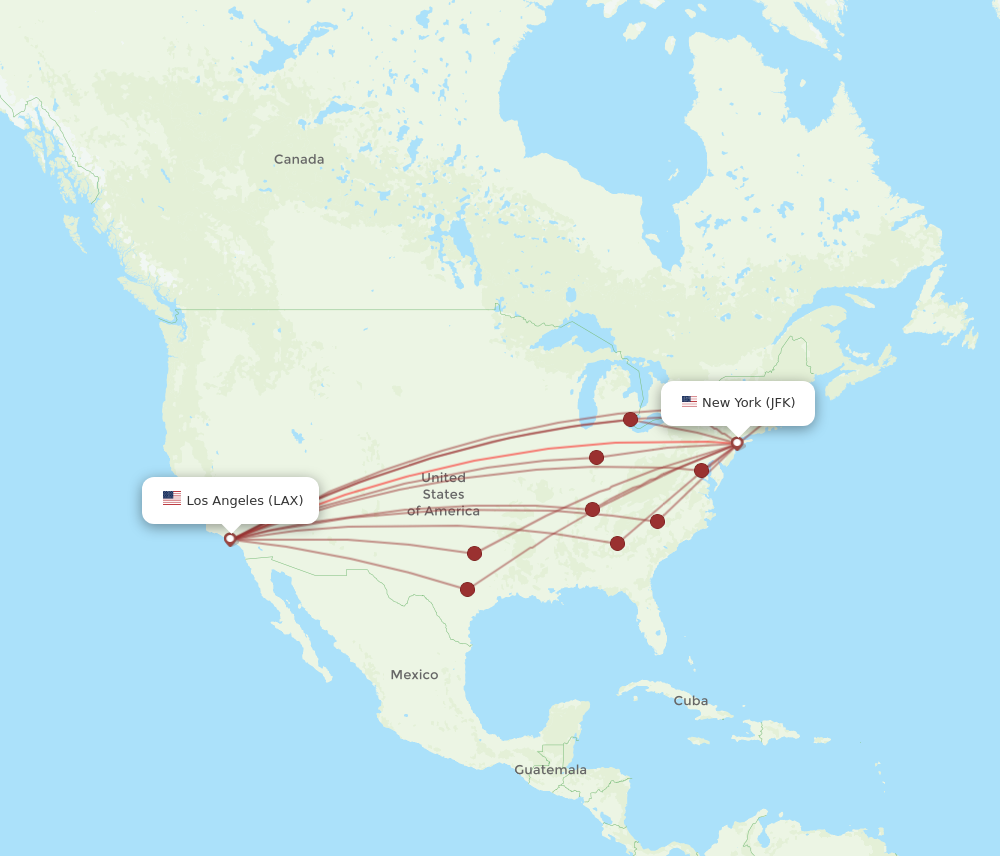
Flights from the East Coast to the West Coast frequently route through major airline hubs in the central United States. Common layover cities include:
- Chicago (ORD): A massive hub for United Airlines and American Airlines, offering countless connections.
- Denver (DEN): A key United Airlines hub, known for its modern facilities and proximity to the Rocky Mountains.
- Dallas/Fort Worth (DFW): A major American Airlines stronghold, serving as a gateway to the Southwest.
- Houston (IAH): Another significant United Airlines hub, often connecting flights from the East Coast to points further west.
- Atlanta (ATL): The world’s busiest airport and Delta Air Lines’ primary hub, offering extensive domestic connections.
Choosing a connecting flight can be a strategic move for budget travel, allowing you to save money that can then be spent on better accommodation, local cuisine, or exciting attractions upon arrival in California. When booking, carefully review the layover times and consider the reputation of the connecting airport for efficiency and amenities. Some airports offer fantastic dining and shopping options, while others might provide quiet lounges for relaxation during longer waits.
Preparing for Your Transcontinental Flight: Tips for a Smooth Journey
A journey of 5 to 15 hours across the country requires a bit of preparation to ensure comfort and minimize the stresses of travel. From managing jet lag to packing essentials, a well-thought-out plan can significantly enhance your experience.
Maximizing Comfort and Well-being Onboard
Long flights, even in economy, don’t have to be arduous. Prioritizing comfort is key:
- Hydration: Airplane cabins are notoriously dry. Drink plenty of water before, during, and after your flight to combat dehydration. Avoid excessive alcohol and caffeine, which can exacerbate dehydration and disrupt sleep patterns.
- Movement: To prevent stiffness and promote circulation, get up and walk around the cabin periodically if safe to do so. Perform simple stretches in your seat, focusing on your neck, shoulders, and legs.
- Comfortable Attire: Dress in loose, breathable layers. Compression socks can be beneficial for preventing swelling in your lower legs.
- Entertainment: Load up your tablet or smartphone with movies, TV shows, e-books, podcasts, or music. While most airlines offer in-flight entertainment, having your own backup ensures you’re never bored. Don’t forget noise-canceling headphones for a peaceful escape.
- Sleep Aids: A neck pillow, eye mask, and earplugs can be invaluable for catching some rest, especially if you’re attempting to adjust to the new time zone mid-flight.
- Snacks: While airlines offer meals or snacks, having your favorite healthy options on hand can be a lifesaver, especially if you have dietary restrictions or simply prefer your own choices.
For those opting for luxury travel, amenities like fully reclining seats, curated meal services, and private suites in first or business class elevate these comfort considerations to an entirely new level, making the flight an integral part of the premium travel experience.
Tackling Time Zones and Jet Lag
Flying from New York to California involves crossing three time zones (Eastern, Central, Mountain, and Pacific). This means that if you depart at 9 AM Eastern Time, you’ll land around 2:30 PM to 3:30 PM Pacific Time on a direct flight. While a three-hour time difference is manageable, it can still cause mild jet lag.
- Pre-Flight Adjustment: A few days before your trip, try to shift your sleep schedule by an hour or so towards Pacific Time.
- Onboard Strategy: Set your watch to California time as soon as you board. Try to sleep on the plane if it aligns with the local California night, or stay awake if it’s daytime.
- Upon Arrival: The most effective way to combat jet lag is to immediately adopt the local time zone. Spend time outdoors in natural light, especially in the morning, to help reset your circadian rhythm. Avoid napping for too long, and try to stay awake until the local bedtime.
- Stay Active: Gentle exercise, like a walk around your Los Angeles neighborhood or along a San Diego beach, can help you feel more alert and tired at the appropriate times.
Booking Your Flight and Accommodation
Booking your flight strategically can save both time and money.
- Best Time to Book: Generally, booking 2-3 months in advance yields the best prices, especially for peak seasons like summer or holidays. Using flight comparison websites can help identify the cheapest days to fly, which are often Tuesdays and Wednesdays.
- Direct vs. Connecting: Weigh the cost savings of a connecting flight against the value of your time and the desire for a quicker journey. For business stays, direct flights are almost always preferred.
- Airline Choice: Consider not just price, but also baggage policies, seat comfort, and in-flight services. If you’re traveling with family, look for airlines known for their family-friendly policies.
- Accommodation in California: Once your flight is secured, focus on booking your stay. California offers an incredible range of accommodation, from luxury resorts in Beverly Hills and boutique hotels in San Francisco to budget-friendly apartments in Oakland and charming villas in Napa Valley. Utilize accommodation booking platforms to compare reviews, amenities (suites, pools, pet-friendly options), and prices. For longer stays or a more local experience, consider furnished apartments or vacation rentals.
Arriving in California: Beyond the Airport Gates
Once your flight has safely landed, the real adventure in California truly begins. The state is a vast and diverse wonderland, offering an unparalleled array of destinations, attractions, and experiences.
Post-Arrival Logistics and Transportation
Upon landing at LAX, SFO, or any other California airport, you’ll need to navigate your way to your chosen destination.
- Airport Transfers: Major airports offer a variety of options, including shared ride vans, airport shuttles to rental car centers, public transportation (like the BART from SFO or FlyAway Bus from LAX), taxis, and rideshare services like Uber or Lyft.
- Rental Cars: For exploring California’s scenic drives like Highway 1 along Big Sur, a rental car is often essential. Book in advance, especially during peak travel seasons, to secure the best rates and vehicle availability.
- Public Transportation: While not as extensive as New York City’s subway, cities like Los Angeles and San Francisco have growing public transit networks that can be useful for urban exploration.
Exploring California’s Diverse Attractions
From the moment you step off the plane, California promises a wealth of experiences.
- Iconic Landmarks: Marvel at the Golden Gate Bridge in San Francisco, hike to the Hollywood Sign in Los Angeles, or explore the natural grandeur of Yosemite National Park.
- Local Culture and Cuisine: Dive into the diverse culinary scene, from farm-to-table restaurants in Napa Valley to street tacos in San Diego and gourmet experiences in Los Angeles. Explore local markets, art districts, and vibrant neighborhoods to truly immerse yourself in the tourism experiences.
- Beaches and Outdoor Adventures: With hundreds of miles of coastline along the Pacific Ocean, California offers endless opportunities for surfing, sunbathing, and whale watching. Inland, explore national parks, desert landscapes, and ski resorts.
- Accommodation Choices: Your choice of accommodation can significantly shape your experience. Whether you’re seeking a high-end suite in a Malibu resort, a charming bed and breakfast in Wine Country, or a budget-friendly hotel for a family trip, California caters to every lifestyle and preference. Many hotels offer unique amenities, from infinity pools overlooking the ocean to luxury spas and personalized concierge services, ensuring your stay is as memorable as your adventures.
The journey from New York to California is more than just a flight; it’s a transition from one vibrant world to another. By understanding the flight durations, preparing for the journey, and planning for your arrival, you can ensure that your transcontinental adventure is as enjoyable and seamless as possible, setting the stage for an unforgettable California experience.
LifeOutOfTheBox is a participant in the Amazon Services LLC Associates Program, an affiliate advertising program designed to provide a means for sites to earn advertising fees by advertising and linking to Amazon.com. Amazon, the Amazon logo, AmazonSupply, and the AmazonSupply logo are trademarks of Amazon.com, Inc. or its affiliates. As an Amazon Associate we earn affiliate commissions from qualifying purchases.