
Embarking on a journey to the vibrant Mile High City of Denver, Colorado often begins with a fundamental question: how long will it take to get there? As a premier hub in the central United States and a gateway to the majestic Rocky Mountains, Denver attracts millions of travelers annually, both domestically and internationally. The duration of your flight to Denver International Airport (DIA), the city’s main airport, can vary significantly depending on your departure point, whether you’re taking a direct flight or have layovers, and even atmospheric conditions. This comprehensive guide will navigate the typical flight durations from key cities around the globe and illuminate the various factors that influence your travel time to Denver.
Understanding Flight Durations to Denver
The journey to Denver is a dynamic experience, with flight times reflecting a blend of geography, aviation technology, and operational logistics. At its core, the flight duration is the actual time an aircraft spends in the air, from takeoff to landing. However, total travel time for passengers must also account for check-in procedures, security screenings, boarding, deplaning, and customs for international arrivals. Denver International Airport (DIA) is one of the busiest airports in the world, serving as a major hub for several airlines, which means it boasts extensive connectivity. This connectivity translates into numerous direct flight options from many major cities, which are generally the quickest way to reach the destination. Connecting flights, while sometimes more economical, inherently extend the total travel time due to layovers.
Navigating Flight Times from Major U.S. Cities
For most domestic travelers, reaching Denver is a relatively straightforward affair, with direct flights available from nearly every major metropolitan area across the United States.
East Coast Departures
Travelers originating from the East Coast will typically experience flights ranging from approximately 3.5 to 5 hours for direct services. The exact time can vary based on the specific city and the prevailing winds.
- New York Area (e.g., JFK, LaGuardia, Newark Liberty International Airport): Direct flights usually range from 3 hours and 45 minutes to 4 hours and 30 minutes. The slight variation is often due to departure airport efficiency and flight path.
- Boston: A direct flight from Boston’s Logan International Airport typically takes between 4 hours and 5 minutes and 4 hours and 30 minutes.
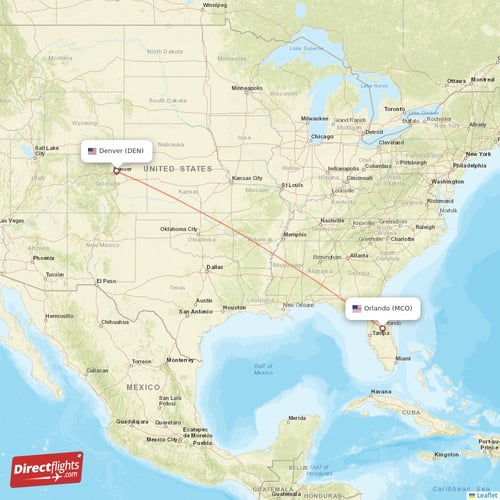
- Miami: From Miami International Airport, expect a direct flight to be in the range of 4 hours and 30 minutes to 5 hours, covering a significant distance across the continent.
- Washington D.C. Area (e.g., Dulles, Reagan National): Flights from the nation’s capital region are generally 3 hours and 30 minutes to 4 hours direct.
Central U.S. Departures
Given Denver’s central location, flights from other mid-continental cities are naturally shorter.
- Chicago Area (e.g., O’Hare, Midway): This is one of the shortest major routes, with direct flights typically lasting between 2 hours and 5 minutes and 2 hours and 30 minutes.
- Dallas Area (e.g., DFW, Dallas Love Field): Similarly quick, flights from Dallas usually take about 2 hours to 2 hours and 30 minutes direct.
- Houston Area (e.g., IAH, Hobby): Direct flights from Houston are typically in the 2 hours and 30 minutes to 3-hour range.
- Minneapolis: A direct flight from Minneapolis is generally around 2 hours to 2 hours and 15 minutes.
West Coast Departures
Despite the perception of distance, flights from the West Coast to Denver are remarkably efficient due to favorable air routes and powerful jet stream assistance on eastbound flights.
- Los Angeles (LAX): Direct flights are usually 2 hours to 2 hours and 30 minutes.
- San Francisco (SFO): Expect a direct flight duration of 2 hours to 2 hours and 30 minutes.
- Seattle (SEA): Flights from the Pacific Northwest generally take between 2 hours and 30 minutes and 3 hours direct.
- Phoenix: One of the shortest routes, direct flights from Phoenix can be as quick as 1 hour and 30 minutes to 2 hours.
International Perspectives: Longer Journeys to Denver
For international travelers, reaching Denver often involves longer flight times, and sometimes connecting flights, depending on the origin. Denver International Airport has expanded its international routes over the years, but many distant destinations will still require a stop.

Flights from Europe
Direct flights from major European hubs are common and generally fall into a similar time bracket.
- London (Heathrow): A direct flight from London typically takes 9 hours to 9 hours and 30 minutes.
- Frankfurt: Direct service from Frankfurt often lasts 9 hours and 30 minutes to 10 hours.
- Paris: From Paris, expect a direct flight of around 9 hours and 45 minutes to 10 hours and 15 minutes.
Flights from Asia and Australia
Travelers from Asia and Australia will almost always need at least one connecting flight, usually through a major West Coast U.S. airport or an Asian hub.
- Tokyo (Narita or Haneda): With one stop, total travel time can range from 14 to 18 hours or more.
- Sydney: From Sydney, a journey to Denver will likely involve one or two stops, leading to a total travel time of 18 to 24 hours, or even longer.
Flights from Canada and Mexico
Neighboring countries enjoy relatively short and direct flights to Denver.
- Toronto: Direct flights from Toronto typically take 3 hours and 30 minutes to 4 hours.
- Vancouver: From Vancouver, expect a direct flight of 2 hours and 30 minutes to 3 hours.
- Mexico City: Direct service from Mexico City is generally 3 hours and 30 minutes to 4 hours.
Factors That Influence Your Flight Time to Denver
While the estimated times provide a solid baseline, several variables can subtly or dramatically impact the actual duration of your flight to Denver. Understanding these can help you anticipate potential changes and manage expectations.
- Aircraft Speed and Type: Different aircraft models have varying cruising speeds and operational efficiencies. Newer, more advanced jets designed for long-haul travel can often maintain higher speeds and fly more direct routes than smaller regional aircraft. The type of plane used for a particular route can, therefore, shave off or add a few minutes to an hour to the journey.
- Headwinds and Tailwinds: This is arguably one of the most significant natural factors. When flying eastward (e.g., from California to Denver), aircraft often benefit from the jet stream, which provides a strong tailwind, significantly reducing flight duration. Conversely, flying westward (e.g., from Denver to the West Coast) often means flying against powerful headwinds, which can extend flight times by 30 minutes to an hour or more. This phenomenon explains why a flight from Los Angeles to Denver might be shorter than the return journey.
- Air Traffic Control (ATC) and Delays: Modern aviation operates under strict Air Traffic Control guidance. Congestion in the skies, particularly around busy hubs like DIA, can lead to holding patterns or rerouting. Ground delays, such as waiting for a runway to clear or for de-icing procedures during winter, also add to the overall travel time, even if they don’t count as “flight time.”
- Direct vs. Connecting Flights: While direct flights offer the most efficient route, connecting flights inherently increase total travel time. The layover duration, which can range from a quick 30 minutes to several hours, dramatically extends the journey. Travelers should also factor in potential delays at the connecting airport, which could cause missed connections and further lengthen the trip.
- Route Optimality: Airlines plan their flight paths to be as efficient as possible, considering factors like fuel consumption, air traffic corridors, and political airspace restrictions. Small adjustments to these routes, based on real-time weather or ATC instructions, can slightly alter the expected flight time.
- Time Zones: While not affecting the actual flight duration, the change in time zones is crucial for travelers to consider. Denver operates on Mountain Time (MT), which is two hours behind the East Coast and one hour ahead of the West Coast. International travelers will experience even more significant time shifts, requiring careful adjustment to avoid jet lag.
Optimizing Your Travel Experience to Denver
To ensure a smooth and enjoyable journey to Denver, consider these tips for optimizing your flight experience:
- Book Direct Flights When Possible: If time is of the essence, prioritize direct flights. They eliminate the uncertainties of layovers and are generally the quickest way to your destination.
- Strategize Connecting Flights: If a connecting flight is unavoidable, choose layover times wisely. Allow enough time for transfers, especially in large airports, but avoid excessively long waits that can make the journey feel interminable. Generally, 1.5 to 2 hours is a good minimum for domestic connections, while international transfers might require more.
- Check Airline Reliability: Researching airlines’ on-time performance records can give you an idea of their punctuality. Opting for carriers known for reliability can reduce the likelihood of unexpected delays.
- Book in Advance: Early booking often provides a wider selection of flight times and routes, potentially allowing you to secure the most convenient and efficient options.
- Prepare for Your Flight: For longer flights, having entertainment, comfortable attire, snacks, and staying hydrated are crucial. Bring a good book, download movies, or prepare a playlist to pass the time.
- Understand Denver’s Altitude: Upon arrival, remember that Denver is a “Mile High City.” Travelers, especially those coming from sea level, may need a day or two to adjust. Staying hydrated and avoiding strenuous activity immediately after arrival can help.
Your Arrival at Denver International Airport (DIA)
Upon landing at Denver International Airport, you’ll find a modern and efficient facility designed to welcome millions of passengers. DIA serves as a critical gateway to the Rocky Mountains and the broader Colorado region. Ground transportation options are plentiful and easily accessible. The RTD Light Rail A-Line offers a convenient and affordable connection directly to Union Station in downtown Denver, typically taking about 37 minutes. Shuttles, taxis, and rideshare services are also readily available, ensuring a smooth transition from your flight to your final destination in the city or beyond.
In conclusion, while a direct flight from Los Angeles to Denver might be a swift two-hour hop, a journey from Sydney could encompass an entire day of travel. By understanding the average flight durations and the factors that influence them, you can better plan your trip to Denver, ensuring a comfortable and well-informed travel experience.
LifeOutOfTheBox is a participant in the Amazon Services LLC Associates Program, an affiliate advertising program designed to provide a means for sites to earn advertising fees by advertising and linking to Amazon.com. Amazon, the Amazon logo, AmazonSupply, and the AmazonSupply logo are trademarks of Amazon.com, Inc. or its affiliates. As an Amazon Associate we earn affiliate commissions from qualifying purchases.