
Embarking on a journey from the vibrant cityscape of Chicago to the dazzling metropolis of Dubai is a significant undertaking, a transcontinental adventure spanning thousands of miles and multiple time zones. Understanding the duration of this flight is a crucial first step in planning your trip, impacting everything from packing strategies to the booking of accommodation and the scheduling of your initial activities upon arrival. While a single, definitive answer can be elusive due to various influencing factors, this guide will delve into the typical flight times, explore the elements that cause them to fluctuate, and offer insights to help you prepare for this long-haul voyage.

Understanding Direct vs. Connecting Flights
The most significant determinant of your flight’s duration from Chicago to Dubai is whether you opt for a direct flight or one with layovers. Each option presents distinct advantages and disadvantages, primarily revolving around time, cost, and convenience.
The Efficiency of Direct Flights
Direct flights, as the name suggests, involve a single journey from Chicago O’Hare International Airport (ORD) or Midway International Airport (MDW) to Dubai International Airport (DXB). These flights are the most time-efficient option, eliminating the need to disembark, navigate unfamiliar terminals, and wait for a connecting flight. For travelers prioritizing speed and minimizing travel time, a direct flight is the undisputed choice.
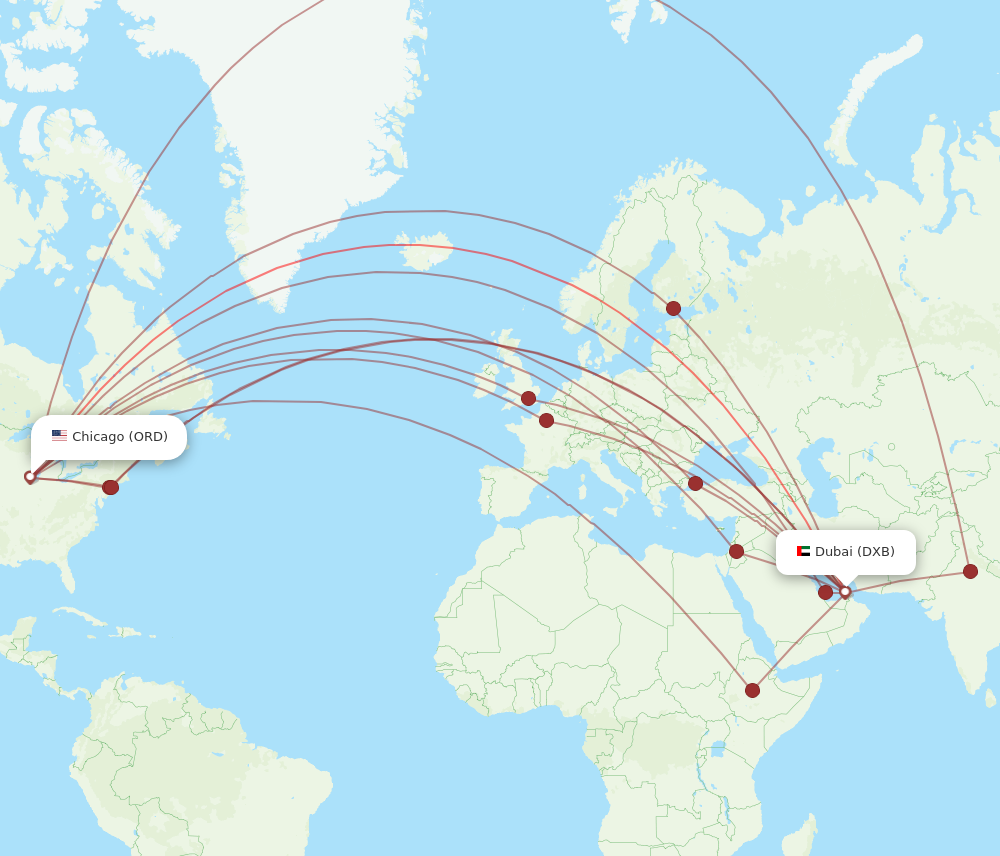
Typical Duration: Non-stop flights from Chicago to Dubai generally take between 13 to 15 hours. This duration can vary slightly based on prevailing wind conditions, the specific aircraft used, and the flight path taken by the airline. Airlines like Emirates often operate these direct services, providing a seamless travel experience.
The Compromise of Connecting Flights
Connecting flights involve at least one stopover at an intermediate airport before reaching Dubai. While typically less expensive, these flights significantly extend the overall travel time. The duration of a connecting flight is not simply the sum of the flight legs; it also includes the time spent on the ground during the layover.
Factors Influencing Connecting Flight Duration:
- Number of Layover Stops: Flights with one layover will be shorter than those with two or more.
- Layover Location: The geographical position of the layover airport relative to Chicago and Dubai plays a crucial role. Common layover hubs might include cities in Europe (e.g., London, Frankfurt, Amsterdam) or other major international transit points.
- Layover Duration: This is the most variable component. Layovers can range from a brief hour or two to a substantial period of several hours, or even an overnight stay. Airlines schedule these to facilitate passenger transfers, but the time allocated can significantly impact your total travel time.
- Total Travel Time: Connecting flights can range anywhere from 17 hours to over 30 hours, sometimes even longer, depending on the factors mentioned above.
When considering a connecting flight, it is essential to meticulously examine the total travel time, not just the flight segments. A seemingly cheaper fare might come at the cost of an entire extra day spent in transit.
Factors Affecting Flight Duration
Beyond the direct versus connecting flight dichotomy, several other elements contribute to the variability in flight times between Chicago and Dubai. Understanding these can help you better interpret flight schedules and manage your expectations.
Aircraft Type and Speed
Different aircraft models have varying cruising speeds. Larger, long-haul aircraft capable of carrying more passengers and cargo often have slightly different optimal cruising speeds. While the difference might be marginal on shorter flights, over the immense distance between Chicago and Dubai, it can contribute to minor variations in flight duration. Modern jetliners are engineered for efficiency and speed, but subtle differences exist.
Jet Streams and Wind Patterns
The Earth’s atmosphere is characterized by powerful air currents known as jet streams. These high-altitude winds can significantly impact flight times. Flying with a tailwind (a jet stream flowing in the same direction as the aircraft) can reduce flight duration, while flying against a headwind will increase it. Pilots and airlines strategically plan flight paths to take advantage of favorable winds when possible, but these patterns can change. The prevailing winds between North America and the Middle East can influence the eastbound journey from Chicago to Dubai.
Flight Path and Air Traffic Control
While there are established air corridors for long-haul flights, the precise route taken can be influenced by air traffic control, weather conditions along the path, and restrictions in certain airspace. Air traffic control plays a vital role in ensuring the safety and efficiency of air travel. Deviations from the most direct route, even minor ones, can add to the flight time. Airlines constantly work with air traffic control to optimize routes for speed and fuel efficiency.
Airline Scheduling and Turnaround Times
Airlines schedule their flights with built-in buffers for various operational factors. This can include slight variations in taxiing times, boarding processes, and potential delays. While these are generally minor, they are factored into the published flight durations. The efficiency of ground operations at both departure and arrival airports also plays a role in the overall journey time, particularly for connecting flights.
Preparing for Your Long-Haul Flight
A flight of 13-15 hours (or longer with connections) requires preparation to ensure comfort and well-being. Proactive planning can transform a potentially arduous journey into a more manageable and even enjoyable experience.
Booking Your Flight Strategically
- Direct vs. Connecting: As discussed, weigh the time savings of a direct flight against the potential cost savings of a connecting flight. If choosing a connection, scrutinize the total travel time and the length of the layover. A layover of 2-4 hours is often ideal for most travelers, offering sufficient time without excessive waiting.
- Airline Choice: Research airlines that frequently operate the Chicago to Dubai route and compare their offerings regarding seat comfort, in-flight entertainment, and service.
- Time of Day: Consider the departure and arrival times. An overnight flight from Chicago might allow you to sleep for a significant portion of the journey, arriving in Dubai in the morning, ready to start your day after a brief rest.
In-Flight Comfort and Well-being
- Seating: If your budget allows, consider upgrading to premium economy or business class for increased legroom, wider seats, and enhanced service. If booking economy, try to select your seat in advance, opting for an aisle seat for easier movement or a window seat for views.
- Comfort Items: Pack essential comfort items such as a neck pillow, a comfortable blanket, eye mask, and earplugs. Noise-canceling headphones are invaluable for blocking out cabin noise.
- Hydration and Nutrition: The dry air in aircraft cabins can lead to dehydration. Drink plenty of water throughout the flight. Avoid excessive caffeine and alcohol, which can exacerbate dehydration. Pack healthy, non-salty snacks to avoid relying solely on airline meals.
- Movement: To combat the effects of prolonged sitting and reduce the risk of deep vein thrombosis (DVT), make an effort to move around the cabin regularly. Do simple in-seat exercises, such as flexing your ankles and calves, and walk to the lavatory or galley area whenever possible.
- Entertainment: Load your devices with books, movies, music, and podcasts. Most long-haul flights offer extensive in-flight entertainment systems, but having your own backups is always wise.
Navigating Time Zone Changes
The flight from Chicago to Dubai involves a significant time difference. Dubai is typically 9 or 10 hours ahead of Chicago, depending on daylight saving time in the United States. Adjusting to this time difference (jet lag) is a common challenge.
- Pre-flight Adjustment: A few days before your flight, try to gradually shift your sleep schedule closer to your destination’s time zone.
- In-flight Adjustment: Set your watch to Dubai time as soon as you board the plane. Try to eat and sleep according to the local time in Dubai.
- Upon Arrival: Expose yourself to natural daylight, stay active, and avoid long naps during the day to help reset your body clock.
By understanding the typical flight durations and the factors that influence them, and by implementing these preparation strategies, you can ensure a smoother and more enjoyable journey from the heart of the American Midwest to the opulent allure of Dubai. Your adventure begins the moment you book your ticket, and a well-planned flight is the first step towards experiencing all that this remarkable destination has to offer.
LifeOutOfTheBox is a participant in the Amazon Services LLC Associates Program, an affiliate advertising program designed to provide a means for sites to earn advertising fees by advertising and linking to Amazon.com. Amazon, the Amazon logo, AmazonSupply, and the AmazonSupply logo are trademarks of Amazon.com, Inc. or its affiliates. As an Amazon Associate we earn affiliate commissions from qualifying purchases.