
Dreaming of escaping to the sun-drenched shores, volcanic landscapes, and vibrant culture of the Hawaiian Islands? Many a San Diegan, with the Pacific Ocean lapping at their feet, has pondered the logistics of a Hawaiian getaway. Central to this planning is the question: “How long is the flight to Hawaii from San Diego?” While the answer isn’t a single, definitive number due to a multitude of factors, understanding these variables will help you accurately gauge your travel time and prepare for your island adventure.
This comprehensive guide delves into the intricacies of flight durations from San Diego to Hawaii, exploring the key elements that influence your journey, the different island destinations you might be heading to, and what you can expect once you land. Whether you’re envisioning a romantic escape to Maui, an adventurous trek on the Big Island, or a lively experience in Oahu, knowing your flight time is the first step in making that dream a reality.
Understanding the Flight Duration: Key Factors
The flight from San Diego to Hawaii is a significant journey across a vast expanse of the Pacific Ocean. While direct flights offer the most straightforward travel, the total time can fluctuate. Several critical factors contribute to the overall duration of your trip:
Direct vs. Connecting Flights
The most significant determinant of your flight duration is whether you opt for a direct flight or one with layovers.
Direct Flights: The Fastest Route
Direct flights from San Diego International Airport (SAN) to Hawaii are the most time-efficient option. These flights bypass any stops, taking you directly to your chosen island destination.
-
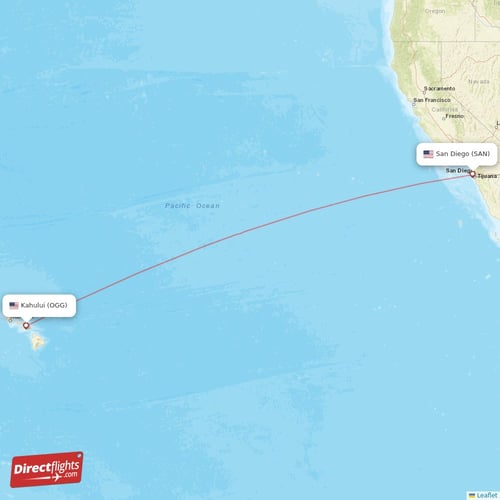
Typical Duration: For direct flights to the major islands like Honolulu on Oahu or Kahului on Maui, you can expect the flight time to be approximately five to six hours. This is the base time for cruising through the air.
-
Factors Affecting Direct Flight Time: Even with direct flights, minor variations can occur. These include:
- Wind Patterns: The prevailing winds over the Pacific can either assist or hinder aircraft speed. Tailwinds can shorten flight times, while headwinds will lengthen them.
- Aircraft Type: Different aircraft have varying cruising speeds, though the impact is generally less significant than other factors.
- Flight Path: While direct, the exact flight path can be adjusted slightly by air traffic control for optimal conditions and safety.
Connecting Flights: The Trade-off for Potentially Lower Fares
Connecting flights, while often a way to secure more budget-friendly fares, invariably add considerable time to your journey. These flights involve a stopover in another city before continuing to your Hawaiian destination.
- Common Layover Cities: Popular layover points for flights from the West Coast of the United States to Hawaii often include cities on the mainland, such as Los Angeles, San Francisco, or even further afield depending on the airline and route.
- Total Travel Time: The total travel time for a connecting flight can range anywhere from eight to twelve hours, or even more. This includes:
- Flight Time to Layover City: The initial flight from San Diego to your connecting city.
- Layover Duration: The time spent on the ground at the connecting airport. This can vary significantly, from a quick 45-minute change to several hours.
- Flight Time from Layover City to Hawaii: The subsequent flight to your Hawaiian island.
- Deplaning and Re-boarding: The process of getting off one plane and onto another.
Recommendation: If your primary goal is to maximize your time in Hawaii and minimize travel fatigue, investing in a direct flight is highly recommended. However, if budget is a significant concern, carefully examine the total travel time and the length of layovers when booking connecting flights. A long layover can sometimes be an opportunity to explore a new city briefly, but it also adds to the overall exhaustion of travel.
Choosing Your Island Destination
Hawaii is not a single entity but an archipelago of diverse islands, each offering a unique experience. The specific island you choose to fly into can also subtly influence your flight duration, particularly if you’re looking at smaller, less frequented airports.
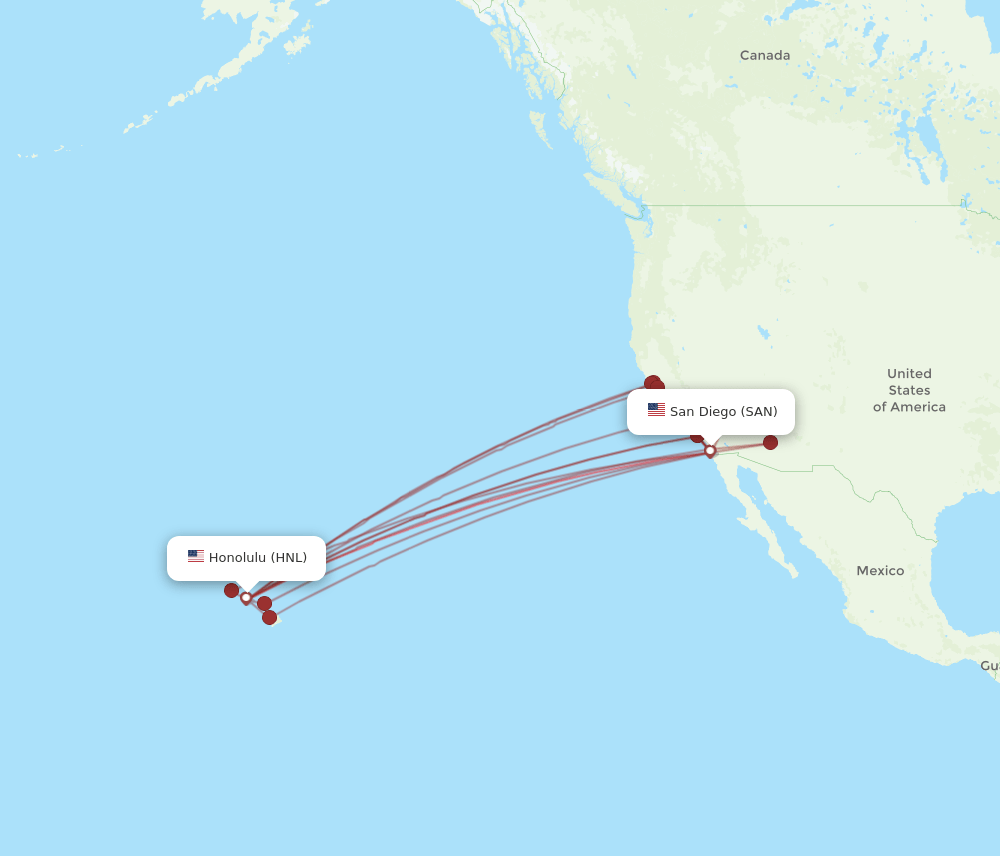
- Oahu: As the most populous island and home to the main international gateway, Honolulu International Airport (HNL), flights to Oahu are generally the most frequent and often the shortest direct option from San Diego. This is where most major airlines operate their direct routes.
- Maui: Flights to Kahului Airport (OGG) on Maui are also very common and usually have similar direct flight times to Oahu, around the five to six-hour mark.
- Kauai: Known as the “Garden Isle,” Kauai is typically accessed via Lihue Airport (LIH). Direct flights to Lihue are available, with durations comparable to those for Oahu and Maui.
- Big Island (Island of Hawaii): The largest island, the Big Island, has two primary airports: Kona International Airport (KOA) on the west coast and Hilo International Airport (ITO) on the east coast. Direct flights from San Diego to KOA are common, with flight times similar to other major islands. Direct flights to ITO are less frequent and might be more likely to involve a connection.
- Smaller Islands: For islands like Lanai or Molokai, you will almost certainly need to take a connecting flight, typically from Honolulu or Maui. This will add significant travel time.
In summary, for direct flights from San Diego, the flight time to any of the main Hawaiian islands (Oahu, Maui, Kauai, or the Big Island’s Kona coast) will generally fall between 5 and 6 hours.
Time of Day and Day of the Week
While less impactful on the raw flight duration itself, the time of day and day of the week you choose to fly can influence your overall travel experience and perceived duration.
- Overnight Flights: Some airlines may offer overnight flights from the West Coast to Hawaii. While the flight time in the air remains similar, flying at night can make the journey feel longer or shorter depending on your sleep patterns. Arriving in Hawaii in the morning after an overnight flight can allow you to maximize your first day.
- Peak Travel Days: Flying on weekends or holidays might mean busier airports and potentially longer times for check-in, security, and boarding, thus extending your overall airport experience. Mid-week travel can sometimes be smoother.
Preparing for Your Hawaiian Flight from San Diego
Beyond just the flight duration, successful travel planning involves understanding the entire journey, from leaving San Diego to arriving in paradise.
Airport Procedures and Travel Time
Factor in ample time for airport procedures at San Diego International Airport.
- Arrival Time: It’s generally recommended to arrive at the airport at least two hours before a domestic flight, and three hours for international flights. For a flight to Hawaii, which is considered domestic, two hours is a good benchmark. This allows for parking or drop-off, check-in, baggage drop, and security screening.
- Security Lines: San Diego International Airport can experience busy periods, especially during peak travel times. The TSA PreCheck program can significantly expedite your security experience if you are eligible.
- Boarding Process: Boarding typically begins 30-45 minutes before departure. Make sure you are at the gate well before this time.
In-Flight Experience and Comfort
A five-to-six-hour flight is manageable, but comfort is key to making it fly by.
- What to Pack in Your Carry-On:
- Entertainment: Books, magazines, downloaded movies or music, or a tablet.
- Comfort Items: A neck pillow, blanket, and eye mask can greatly improve sleep quality.
- Snacks and Water: While airlines provide meals on longer flights, having your preferred snacks can be a lifesaver. Remember to empty your water bottle before going through security and refill it afterward.
- Chargers: Ensure all your electronic devices are fully charged, and consider bringing a portable power bank.
- Medication: Any necessary personal medications.
- Comfortable Clothing: Opt for loose-fitting, breathable clothing. Layers are always a good idea as cabin temperatures can fluctuate.
- Staying Hydrated: The air in an airplane cabin is very dry. Drink plenty of water to combat dehydration.
- Movement: Get up and walk the aisle periodically to improve circulation and prevent stiffness.
Arrival in Hawaii: What to Expect
Upon landing in Hawaii, you’ll experience the Aloha spirit immediately.
- Deplaning and Baggage Claim: The time it takes to deplane and collect your luggage will vary depending on the airport size and your seating location.
- Ground Transportation: Once you have your bags, you’ll need to arrange for transportation to your accommodation. Options typically include rental cars, ride-sharing services, taxis, or shuttle services. Booking a rental car in advance is highly recommended, especially for popular islands like Maui or Oahu, as they can sell out.
- Time Zone Difference: Remember that Hawaii observes Hawaii Standard Time (HST), which is three hours behind Pacific Standard Time (PST) and three hours behind Pacific Daylight Time (PDT) observed in California. This means when it’s noon in San Diego, it’s only 9 AM in Hawaii. This time difference can impact your initial day, making you feel tired due to the perceived early hour.
Maximizing Your Hawaiian Experience: Beyond the Flight
The flight is just the beginning of your adventure. To truly immerse yourself in the magic of the islands, consider these aspects related to travel, accommodation, and tourism.
Choosing the Perfect Accommodation
Your choice of accommodation plays a vital role in your overall experience and can influence your travel decisions. From luxurious resorts to cozy apartments, Hawaii offers a wide spectrum.
- Resorts: Many visitors opt for beachfront resorts, offering amenities like swimming pools, on-site dining, spa services, and direct access to beaches. Popular choices include the Grand Wailea Resort on Maui or the Halekulani Hotel on Oahu.
- Vacation Rentals and Apartments: For longer stays or families, vacation rentals or apartments can provide more space and the option for self-catering, saving on dining costs. Websites like Airbnb and VRBO are popular platforms for finding these.
- Boutique Hotels and Villas: For a more intimate or exclusive experience, boutique hotels or private villas offer unique charm and personalized service.
- Location, Location, Location: Consider the proximity to attractions, beaches, and dining. Staying near Waikiki Beach on Oahu puts you in the heart of the action, while a secluded villa on the North Shore offers tranquility.
Exploring the Wonders of the Islands: Tourism and Activities
Once you’ve settled into your accommodation, the real adventure begins. Each island boasts unique landmarks, cultural experiences, and activities.
- Oahu: Home to the iconic Pearl Harbor National Memorial, the vibrant city of Honolulu, and world-renowned surf spots on the North Shore. Don’t miss a visit to the Diamond Head crater for panoramic views.
- Maui: Famous for the breathtaking scenic drive along the Road to Hana, the majestic sunrise at Haleakalā National Park, and the beautiful beaches of Ka’anapali.
- Kauai: The “Garden Isle” captivates with the dramatic cliffs of the Nā Pali Coast, the stunning Waimea Canyon, and lush rainforests.
- Big Island: Witness the raw power of nature at Hawaiʻi Volcanoes National Park, explore black sand beaches, and experience manta ray night dives.

Lifestyle Considerations for Your Trip
Whether you’re traveling on a shoestring budget or indulging in a luxury escape, Hawaii caters to all.
- Luxury Travel: Indulge in five-star resorts, fine dining, and private tours. Experience exclusive amenities and impeccable service.
- Budget Travel: Embrace local eateries, explore free natural attractions, utilize public transportation where available, and consider staying in hostels or more economical guesthouses.
- Family Trips: Many resorts offer family-friendly amenities, kids’ clubs, and activities suitable for all ages. Planning educational excursions to historical sites or natural wonders can be a rewarding experience.
- Business Stays: Hawaii also attracts business travelers, with ample conference facilities and hotels equipped for business needs. Combining business with leisure is often an attractive proposition.
In conclusion, the flight time from San Diego to Hawaii is typically between five to six hours for direct flights. By understanding the factors influencing this duration and preparing adequately for your journey, you can ensure a smooth and enjoyable transition from the mainland to the enchanting Hawaiian Islands, ready to embrace the spirit of Aloha.