
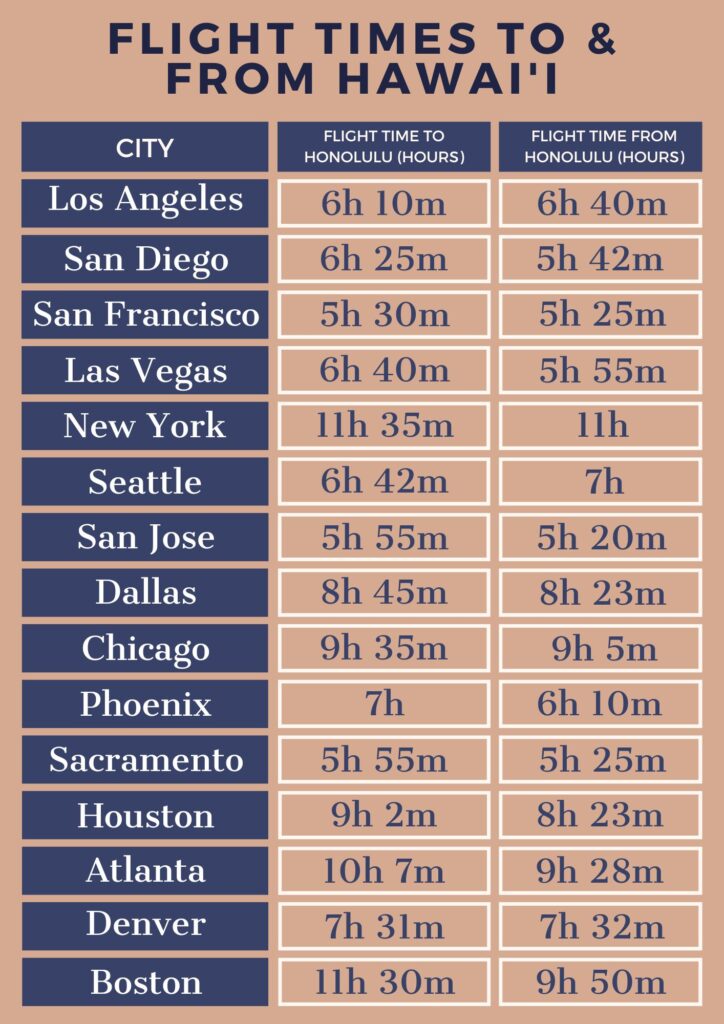
Embarking on a journey from the rainy yet vibrant Seattle to the sun-drenched shores of Hawaii is a dream for many travelers seeking an escape to paradise. While the thought of tropical beaches, volcanic landscapes, and the warm embrace of the Aloha State might instantly transport you, a practical question often arises: “How long is the flight?” For those departing from Seattle, the direct flight to the main islands of Hawaii typically ranges from 5 hours and 45 minutes to 6 hours and 15 minutes. This duration covers the vast expanse of the Pacific Ocean between the Pacific Northwest and the archipelago, offering a relatively quick transition from cityscapes to island serenity.

This article delves into the specifics of this trans-Pacific journey, from the factors influencing flight times to what you can expect during the flight and, crucially, how to make the most of your arrival in one of the world’s most captivating destinations. Whether you’re planning a luxurious honeymoon, a budget-friendly family adventure, or a solo exploration of local culture and landmarks, understanding the journey is the first step toward an unforgettable Hawaiian experience.
Unpacking the Flight Details: What to Expect in the Air
A direct flight from Seattle to Hawaii is a gateway to a completely different world. It’s an ideal travel solution, bypassing the need for layovers and reducing overall travel time. However, a few variables can slightly alter your airborne hours.
Average Flight Times and Factors Influencing Duration
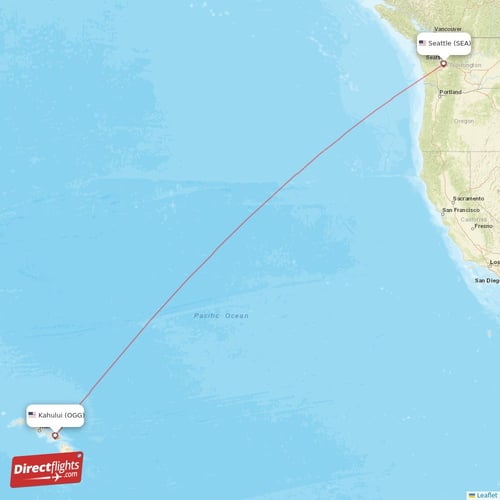
The most common destination for flights from Seattle is Honolulu on the island of Oahu. Flights to Daniel K. Inouye International Airport (HNL) in Honolulu usually clock in at approximately 5 hours and 50 minutes to 6 hours. If your destination is Maui (specifically Kahului Airport (OGG)), the flight time is very similar, often around 5 hours and 45 minutes to 6 hours and 5 minutes. For travelers heading to the Big Island (Ellison Onizuka Kona International Airport at Keahole (KOA) or Hilo International Airport (ITO)) or Kauai (Lihue Airport (LIH)), the duration remains in the same ballpark, usually not exceeding 6 hours and 15 minutes for direct services.
Several factors contribute to these slight variations:
- Aircraft Type: Larger, more modern aircraft like the Boeing 787 or Airbus A330, often used by major carriers for these routes, tend to be more fuel-efficient and can maintain higher cruising speeds than smaller planes like a Boeing 737 or Airbus A321 (though these are also frequently used for the route).
- Wind Conditions: The Pacific Ocean is known for its dynamic weather patterns. Strong headwinds can add 15-30 minutes (or sometimes more) to the journey, while tailwinds can shave off a similar amount of time. Flights heading west to Hawaii generally face more headwind challenges than return flights heading east to the mainland United States.
- Specific Departure and Arrival Airports: While all flights depart from Seattle-Tacoma International Airport (SEA), the exact arrival airport in Hawaii can lead to minor differences. For instance, Honolulu is slightly further west than Kahului, which accounts for fractional differences.
- Air Traffic Control: Like any busy air corridor, air traffic control routing and congestion, particularly around major hubs like Seattle or Honolulu, can also cause minor delays in departure or holding patterns on arrival.
Major airlines offering direct flights from Seattle to Hawaii include Alaska Airlines, Delta Air Lines, Hawaiian Airlines, United Airlines, and Southwest Airlines. Each offers a slightly different experience, but the core flight duration remains consistent across carriers.
The Journey Itself: Comfort and Amenities on Your Hawaii-Bound Flight
A 6-hour flight is long enough to require some comfort considerations, especially for families or those seeking a relaxing start to their vacation. Most airlines operating the Seattle-Hawaii route understand this and provide a range of amenities.
- Seating: Expect standard economy seating, with options to upgrade to premium economy, comfort-plus, or first/business class for more legroom, wider seats, and enhanced service. Given the duration, investing in an upgrade can significantly improve the start of your trip, allowing you to arrive more refreshed.
- In-Flight Entertainment: Most modern aircraft on this route are equipped with seat-back screens offering a selection of movies, TV shows, music, and games. Many also provide Wi-Fi access (often for a fee), allowing you to stay connected or stream your own content. It’s always a good idea to download movies, books, or podcasts onto your devices beforehand as a backup.
- Food and Beverage: Service varies by airline and class of service. Economy passengers on some carriers may receive complimentary snacks and beverages, while others might offer a buy-on-board menu. First and business class passengers typically enjoy full meal services. Hawaiian Airlines, for example, is known for its complimentary meal service in economy on long-haul flights, adding a touch of the island experience even before arrival.
- Time Zone Change: Be prepared for a significant time zone adjustment. Hawaii observes Hawaii Standard Time (HST), which is 3 hours behind Pacific Daylight Time (PDT) during summer and 2 hours behind Pacific Standard Time (PST) during winter, as Hawaii does not observe daylight saving. This means if you depart Seattle at noon PDT, you’ll arrive in Hawaii around 3 PM HST (6 PM PDT equivalent), giving you the afternoon and evening to settle in. Managing jet lag by adjusting your sleep schedule a few days before departure, staying hydrated, and avoiding excessive caffeine or alcohol on the flight can make a big difference.
Preparing for Paradise: Planning Your Trip to the Aloha State
Beyond the flight, successful travel to Hawaii requires careful planning to ensure a seamless and enriching experience. Considering the diverse offerings of the islands, your choice of destination and pre-trip preparations are key.
Choosing Your Hawaiian Island Destination
Hawaii isn’t just one destination; it’s a collection of unique islands, each with its own charm and appeal. Deciding which island (or islands) to visit depends on your travel style and what you hope to experience.
- Oahu: The Gathering Place
- Highlights: Waikiki Beach, Pearl Harbor, Diamond Head, Polynesian Cultural Center, surfing on the North Shore, snorkeling at Hanauma Bay, shopping at Ala Moana Center, adventures at Kualoa Ranch.
- Appeal: Best for first-time visitors, those seeking a blend of city amenities and natural beauty, vibrant nightlife, historical sites, and family-friendly activities.
- Maui: The Valley Isle
- Highlights: The scenic Road to Hana, sunrise at Haleakala National Park, beautiful beaches like Kaanapali Beach, whale watching (seasonal), snorkeling at Molokini Crater, the charming town of Lahaina, Iao Valley State Monument.
- Appeal: Ideal for romantic getaways, luxury travel, outdoor adventurers, and those looking for a mix of relaxation and exploration.
- Big Island (Hawaii Island): The Orchid Isle / Volcano Island
- Highlights: Hawaii Volcanoes National Park (home to Kilauea volcano), snorkeling and diving in Kailua-Kona, black sand beaches, stargazing on Mauna Kea, lush botanical gardens in Hilo, Puuhonua o Honaunau National Historical Park, green sand beach at Papakolea Beach, dramatic Waipio Valley.
- Appeal: Perfect for nature lovers, adventurers, geology enthusiasts, and those seeking unique landscapes and fewer crowds.
- Kauai: The Garden Isle
- Highlights: The majestic Na Pali Coast (best seen by boat, helicopter, or hiking the Kalalau Trail), the “Grand Canyon of the Pacific” – Waimea Canyon, stunning Hanalei Bay, lush rainforests, and vibrant local coffee plantations like Kauai Coffee Company.
- Appeal: Suited for eco-tourists, hikers, honeymooners, and anyone desiring lush, untouched natural beauty and outdoor activities.
Many travelers choose to “island hop,” especially if they have more than a week. Inter-island flights are short (20-45 minutes) and frequent, making it relatively easy to experience the distinct personalities of multiple islands.
Essential Pre-Flight Preparations and Travel Tips
Once you’ve chosen your island (or islands), a few practical steps will ensure a smooth journey.
- Booking Flights and Accommodation: Aim to book your flights and accommodation well in advance, especially during peak seasons (winter holidays, spring break, summer). This is particularly true for popular resorts and hotels. Websites like lifeoutofthebox.com offer comprehensive guides for booking, reviews, and comparisons, helping you find everything from luxury suites to budget-friendly apartments.
- Best Time to Visit: Generally, the shoulder seasons (April-May and September-November) offer pleasant weather, fewer crowds, and often better deals on flights and hotels. The peak season runs from December to March (winter escapees) and June to August (summer vacationers), leading to higher prices and busier attractions.
- Packing Essentials: Beyond your swimwear and tropical attire, remember:
- Sun Protection: High SPF sunscreen (reef-safe varieties are strongly encouraged and sometimes mandated), hats, and sunglasses are non-negotiable.
- Comfortable Footwear: Sandals are great for the beach, but walking shoes or hiking sandals are essential for exploring towns, trails, and landmarks.
- Light Layers: Evenings can be cooler, especially at higher elevations or near the ocean. A light jacket or sweater is useful.
- Reusable Water Bottle: Stay hydrated and help reduce plastic waste.
- Backpack/Daypack: Handy for excursions, carrying snacks, water, and camera gear.
- Rental Car: Renting a car is highly recommended on most islands (especially Maui, Big Island, and Kauai) to fully explore at your own pace. Book this in advance, as popular models can sell out quickly, particularly during peak times. Oahu has a robust public transport system in Honolulu, but a car is still beneficial for exploring beyond the city.
- Local Culture and Etiquette: Learn a few basic Hawaiian phrases (Aloha for hello/goodbye/love, Mahalo for thank you) and respect local customs. Remember that Hawaii is a unique blend of American and Polynesian cultures, and appreciating its heritage enriches your travel experience.
Beyond the Runway: Experiencing Hawaii from Seattle
Once your flight from Seattle lands, the real adventure begins. Hawaii offers a spectrum of experiences, from luxurious indulgence to rugged exploration, catering to every lifestyle and budget.
Accommodation Choices: From Luxury Resorts to Budget-Friendly Stays
Hawaii’s accommodation landscape is as diverse as its scenery. Whether you’re planning a lavish escape or a more modest adventure, you’ll find options to suit your needs.
- Luxury Resorts: For those seeking unparalleled comfort and amenities, Hawaii boasts world-class resorts. On Maui, consider the Four Seasons Resort Maui at Wailea, The Ritz-Carlton, Kapalua, Grand Wailea, A Waldorf Astoria Resort, or the Hyatt Regency Maui Resort and Spa. Oahu offers iconic options like The Royal Hawaiian, A Luxury Collection Resort (the “Pink Palace of the Pacific”), Moana Surfrider, A Westin Resort & Spa, and the sprawling Hilton Hawaiian Village Waikiki Beach Resort. The Big Island features gems such as Mauna Lani, Auberge Resorts Collection and Fairmont Orchid, Hawaii, while Kauai offers the Princeville Resort Kauai and Grand Hyatt Kauai Resort & Spa. These properties often feature multiple pools, fine dining, spa services, and direct beach access.
- Boutique Hotels and Mid-Range Options: For a balance of comfort and local charm, many boutique hotels offer unique experiences. Oahu’s Kaimana Beach Hotel provides a more intimate Waikiki experience, for instance. Mid-range hotels are plentiful across all islands, providing comfortable stays without the premium price tag of luxury resorts.
- Vacation Rentals: Platforms like Airbnb and VRBO are popular choices, especially for families or groups. They offer a range of options from private homes with kitchens to condos within resort complexes, providing more space and flexibility. This is often an excellent choice for a long-term stay, offering a taste of local life.
- Budget Accommodations: Hostels, smaller guesthouses, and camping (with permits) are available, particularly on Oahu and the Big Island, for travelers looking to minimize accommodation costs.
Must-See Landmarks and Activities Across the Islands
Hawaii is a playground for all interests, blending natural wonders with cultural richness.
- Historical and Cultural Immersion: Pearl Harbor on Oahu is a profound historical site, essential for understanding modern American history. The Polynesian Cultural Center, also on Oahu, offers an engaging look at the traditions of various Pacific island nations. Across all islands, visit ancient heiau (temples), attend a luau to experience traditional Hawaiian food and entertainment, and engage with local artists and craftspeople.
- Natural Wonders and Outdoor Adventures:
- Beaches: From the iconic sands of Waikiki Beach and the calm waters of Hanauma Bay (for snorkeling) on Oahu, to the golden stretch of Kaanapali Beach on Maui (often with vibrant shopping nearby at Whalers Village) and the remote beauty of Papakolea Beach (Green Sand Beach) on the Big Island, the options are endless.
- Hiking: Summit Diamond Head for panoramic views of Waikiki, traverse parts of the Kalalau Trail for a glimpse of the Na Pali Coast, or explore the otherworldly landscapes within Hawaii Volcanoes National Park.
- Volcanic Landscapes: Witness the raw power of nature at Haleakala National Park on Maui or the active Kilauea volcano on the Big Island.
- Scenic Drives: The Road to Hana on Maui is legendary for its waterfalls and lush rainforest, while driving around Kauai offers dramatic coastal views and access to Waimea Canyon. The journey to Waipio Valley on the Big Island is another breathtaking experience.
- Water Activities: Snorkeling, scuba diving, surfing (lessons available for all skill levels), paddleboarding, kayaking, and catamaran cruises are ubiquitous. Winter months (November-May) are prime for whale watching, especially off the coast of Maui.
- Food and Drink: Indulge in fresh poke, kalua pig, loco moco, and delicious shave ice. Explore farmers’ markets for local produce and visit coffee plantations (especially on the Big Island and Kauai) and breweries.
From the moment you board your flight in Seattle until you dip your toes in the warm Hawaiian sands, the journey is an integral part of the adventure. The relatively short direct flight time makes this incredible destination accessible, allowing you to quickly transition from the urban energy of the Pacific Northwest to the serene beauty and vibrant culture of the Aloha State. By planning wisely and embracing the spirit of aloha, your trip from Seattle to Hawaii will undoubtedly be a cherished memory, filled with stunning landscapes, unforgettable experiences, and the unparalleled warmth of island hospitality.
LifeOutOfTheBox is a participant in the Amazon Services LLC Associates Program, an affiliate advertising program designed to provide a means for sites to earn advertising fees by advertising and linking to Amazon.com. Amazon, the Amazon logo, AmazonSupply, and the AmazonSupply logo are trademarks of Amazon.com, Inc. or its affiliates. As an Amazon Associate we earn affiliate commissions from qualifying purchases.