
Embarking on a transatlantic journey from the vibrant city of Boston to the historic and culturally rich landscapes of Italy is an exciting prospect for any traveler. One of the most common and crucial questions when planning such a trip revolves around the duration of the flight. Understanding the various factors that influence travel time, from direct routes to layovers and even the specific Italian destination, is essential for a well-prepared and enjoyable experience. This guide will meticulously break down what you can expect in terms of flight length, helping you strategize your travel plans with precision.
Understanding Direct Flight Durations from Boston to Italy
For travelers prioritizing efficiency, direct flights offer the quickest way to bridge the distance between Logan International Airport (BOS) in Boston and major Italian gateways. While direct services may not be available daily or to every Italian city, when they are, they represent the shortest possible travel time.
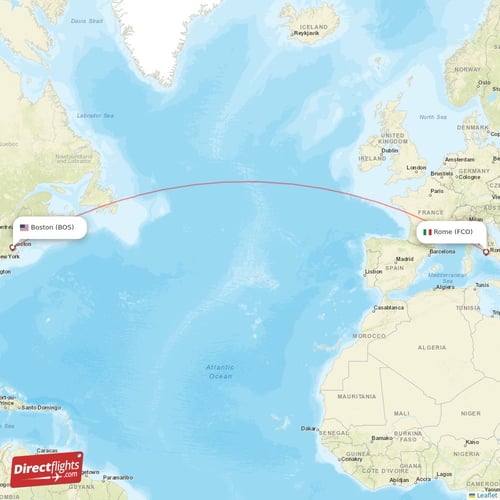
A direct flight from Boston to a primary Italian hub like Rome’s Leonardo da Vinci–Fiumicino Airport (FCO) typically spans approximately 7 hours and 30 minutes to 8 hours. Similarly, a direct flight to Milan’s Malpensa Airport (MXP) can be in a comparable range, often slightly shorter, around 7 hours to 7 hours and 30 minutes. These times represent the airborne duration, not including the time spent at the airport for check-in, security, or boarding.
It’s important to note that direct flights are typically offered by a limited number of carriers, such as ITA Airways or Delta Air Lines, and their availability can fluctuate seasonally. Opting for a direct flight not only saves time but also reduces the potential for delays associated with connections and generally offers a more seamless start to your Italian adventure.
Factors Influencing Your Transatlantic Journey Time
While direct flight times provide a solid baseline, several variables can subtly or significantly alter the actual duration of your journey from Boston to Italy. Understanding these factors allows for more realistic travel planning.
Aircraft Type and Speed
Modern long-haul aircraft are designed for efficiency and speed. Planes like the Boeing 787 Dreamliner or the Airbus A330 are commonly used on transatlantic routes and can maintain consistent cruising speeds. Slight differences in aircraft models, however, can lead to minor variations in flight duration. Newer, more fuel-efficient planes might sometimes optimize routes for slightly faster travel times, though the impact is usually marginal.
Wind Patterns Across the North Atlantic Ocean
One of the most significant natural factors influencing flight times across the North Atlantic Ocean is the jet stream. This fast-moving current of air can act as either a tailwind or a headwind. Flights heading eastbound from Boston towards Italy often benefit from the jet stream, which pushes the aircraft along, potentially shaving 30 minutes to an hour off the flight time. Conversely, westbound flights (from Europe back to Boston) frequently encounter headwinds, which can extend the journey by a similar margin. These atmospheric conditions are unpredictable well in advance but are a routine part of long-haul flight planning.
Specific Destination Within Italy
While Rome and Milan are the primary gateways, Italy extends far to the south. Flying to a city like Naples or even further south to Sicily or Sardinia will naturally add to your overall travel time, even if the international segment of the flight ends in Rome with a subsequent domestic connection. A flight from Boston to Rome, followed by a short domestic hop to Palermo, will be longer than a direct flight to Milan. These internal connections typically add 1.5 to 3 hours, not including layover time.
Navigating Flights with Layovers: The Realistic Travel Time
While direct flights are ideal for speed, they are not always available, nor are they always the most cost-effective option. Flights with one or more layovers are a common choice for travelers from Boston to Italy and significantly impact the total travel duration.
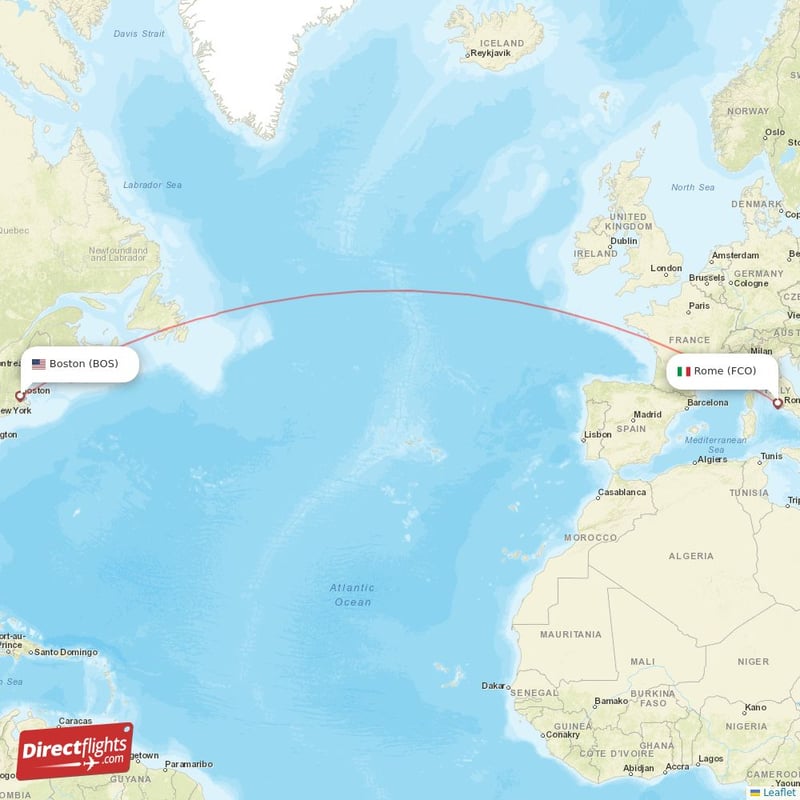
When choosing a connecting flight, your total travel time can range widely, typically from 10 hours to 15 hours or more, depending on the layover city, the duration of the stop, and the efficiency of the connection.
Common Layover Hubs
Many transatlantic flights from Boston to Italy involve a stop in a major European city. Popular hubs include:
- London (Heathrow – LHR) with British Airways
- Frankfurt (FRA) with Lufthansa
- Paris (Charles de Gaulle – CDG) with Air France
- Amsterdam (Schiphol – AMS) with KLM Royal Dutch Airlines
- Dublin (DUB) with Aer Lingus
- Madrid (Barajas – MAD) with Iberia
- Lisbon (LIS) with TAP Air Portugal
Airlines like United Airlines or Delta Air Lines may also offer routes connecting through their major US hubs before crossing the Atlantic, adding another layer of complexity and potential time.
The Impact of Layover Duration
The length of your layover is the primary determinant of total travel time for connecting flights.
- Short Layovers (1-3 hours): These are efficient but can be stressful if your inbound flight is delayed, potentially leading to missed connections. The total travel time will likely be in the 10-12 hour range.
- Medium Layovers (4-6 hours): These provide a comfortable buffer, allowing enough time to decompress, grab a meal, and easily make your next flight. Total travel time typically falls into the 12-15 hour bracket.
- Long Layovers (7+ hours or overnight): While extending your travel day significantly, very long layovers can sometimes be utilized for a quick exploration of the layover city, effectively breaking up the journey. However, for sheer travel time, they push the total well beyond 15 hours.
When booking, carefully consider the layover length. A slightly longer layover might offer peace of mind, especially when traveling internationally with customs and immigration procedures to navigate in Europe before your final segment to Italy.
Preparing for Your Long-Haul Flight to Italy
Regardless of whether you choose a direct flight or one with a layover, the journey from Boston to Italy is a significant commitment. Preparing adequately can make the experience far more comfortable and help mitigate the effects of jet lag.
Essential Packing and Comfort
- Hydration: Long flights can be dehydrating. Drink plenty of water before, during, and after your flight. Carry a reusable water bottle to refill.
- Snacks: While airlines provide meals, having your preferred snacks can be a lifesaver, especially with dietary restrictions or unexpected delays.
- Entertainment: Load up your devices with movies, TV shows, podcasts, or e-books. Noise-canceling headphones are invaluable for blocking out cabin noise.
- Comfort Items: A neck pillow, eye mask, and earplugs can significantly improve your ability to rest. Wear comfortable, loose clothing and layers, as cabin temperatures can fluctuate.
- Walking Shoes: For flights with layovers, comfortable shoes are crucial for navigating large airports.
Managing Jet Lag
Flying eastbound across multiple time zones almost guarantees some degree of jet lag upon arrival in Italy.
- Adjust Before You Go: A few days before your trip, gradually shift your sleep schedule closer to Italy’s time zone.
- Hydrate and Avoid Alcohol/Caffeine: These can exacerbate dehydration and disrupt sleep patterns.
- Move Around: During the flight, get up and stretch regularly to promote circulation.
- Adjust Immediately: Upon arrival, try to immerse yourself in the local time. If it’s daytime, seek sunlight and stay active. If it’s evening, try to wind down and sleep.
Choosing Your Italian Gateway: Rome, Milan, or Beyond?
The specific city you choose to fly into in Italy can influence your flight options and total travel time, especially if you’re looking for direct connections.
Major International Airports
- Rome (Leonardo da Vinci–Fiumicino Airport, FCO): As Italy’s largest and busiest airport, Rome generally offers the most direct flights and connections from international destinations like Boston. It’s an ideal entry point for exploring central and southern Italy, including cities like Florence, Naples, and the Amalfi Coast.
- Milan (Malpensa Airport, MXP): Serving the northern regions, Milan is another significant international hub. Direct flights from Boston might also be available here, making it a convenient choice for travelers heading to Venice, Bologna, or the Italian Lakes District. Its proximity to neighboring Switzerland also makes it an excellent gateway for multi-country European itineraries.

Regional Airports and Domestic Connections
For destinations like Venice (VCE), Florence (FLR), Pisa (PSA), or points further south in Sicily or Sardinia, you will almost certainly require a connecting flight within Italy after arriving at Rome or Milan. These domestic flights are generally short (1-2 hours) but add to your overall travel time, typically extending your journey by an additional 3-5 hours when considering the layover.
When planning your trip to Italy from Boston, the flight duration is a critical element. While a direct flight can take as little as 7 hours and 30 minutes, most travelers should anticipate a total journey time ranging from 10 to 15 hours due to layovers and connecting flights. By understanding these durations and planning for the various factors that influence them, you can ensure a smoother and more enjoyable start to your unforgettable Italian adventure.
LifeOutOfTheBox is a participant in the Amazon Services LLC Associates Program, an affiliate advertising program designed to provide a means for sites to earn advertising fees by advertising and linking to Amazon.com. Amazon, the Amazon logo, AmazonSupply, and the AmazonSupply logo are trademarks of Amazon.com, Inc. or its affiliates. As an Amazon Associate we earn affiliate commissions from qualifying purchases.