
The allure of Japan — a captivating blend of ancient traditions and futuristic innovation — beckons travelers from around the globe, especially those on the west coast of the United States. For residents of California, embarking on an adventure to the Land of the Rising Sun is a popular choice, but a frequently asked question precedes the excitement of planning: “How long is the flight to Japan from California?” While a definitive single answer is elusive due to various factors, understanding these elements can help prospective travelers plan their journey more effectively. Typically, a direct flight across the vast Pacific Ocean from major California cities to Japan ranges from 9 to 12 hours. This guide delves into the specifics, offering insights into what influences flight duration and how to make your long-haul travel as comfortable and enjoyable as possible, paving the way for an unforgettable Japanese experience.
Understanding the Factors Influencing Flight Duration
Several key elements play a significant role in determining the exact flight time from California to Japan. From your departure point to the type of aircraft, each factor contributes to the overall length of your journey.
Departure and Arrival Airports
The geographical distance between your specific departure city in California and your arrival city in Japan is arguably the most critical factor.
- California Departure Hubs: The primary international gateways in California offering direct flights to Japan are Los Angeles International Airport (LAX), San Francisco International Airport (SFO), and sometimes San Diego International Airport (SAN), though direct options from San Diego are less frequent. Los Angeles and San Francisco are positioned slightly differently relative to Japan, with San Francisco being marginally closer in terms of great circle distance to some Japanese destinations.
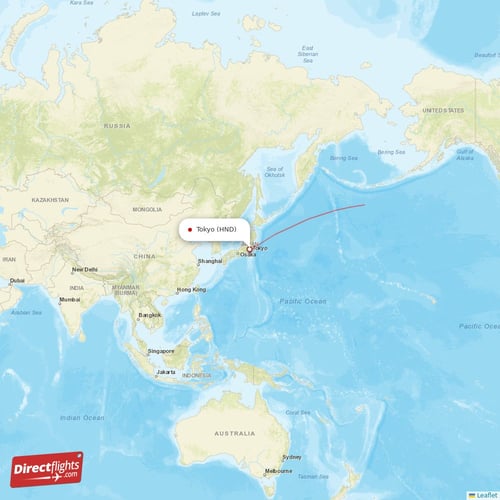
- Japanese Arrival Hubs: Most international flights from California land in Tokyo, utilizing either Narita International Airport (NRT) or Haneda Airport (HND). Narita is historically the main international hub, located further outside the city center, while Haneda is closer to downtown Tokyo and has increasingly expanded its international routes. Some flights also connect directly to Kansai International Airport (KIX) near Osaka, particularly for travelers planning to explore the Kansai region first, which includes popular destinations like Kyoto and Nara. Flights to Osaka may be slightly longer than those to Tokyo from California.
Direct vs. Connecting Flights
The choice between a direct flight and one with layovers dramatically impacts the total travel time.
- Direct Flights: As the name suggests, these flights take you straight from your California departure city to your Japanese destination without any stops. These are the quickest options in terms of actual flight time.
- Connecting Flights: While often more budget-friendly, connecting flights add several hours to your journey. Layover times can range from a quick 1-2 hours to extensive waits of 8 hours or more, sometimes requiring an overnight stay. Popular connecting hubs for flights to Japan might include other major US cities like Seattle or Portland, or even Honolulu in Hawaii if flying with Hawaiian Airlines. Some Asian airlines, such as Korean Air or Cathay Pacific, might offer competitive prices with connections through their home hubs like Seoul or Hong Kong. While longer, connecting flights can sometimes be an opportunity to break up the journey or save money, aligning with different lifestyle preferences like budget travel.
Aircraft Type and Wind Patterns
Modern aircraft, such as the Boeing 787 Dreamliner or Airbus A350, are designed for long-haul efficiency and comfort, often enabling slightly faster cruising speeds and more direct routes. Furthermore, trans-Pacific flights are significantly influenced by the jet stream, a fast-flowing, narrow air current. Flying east to west (to Japan) typically means flying against the jet stream, which can add an hour or more to the flight time compared to the return journey flying with the jet stream. This is why the return flight from Japan to California is almost always shorter.
Typical Direct Flight Durations from California to Japan
To give you a clearer picture, here are typical direct flight durations from California’s major international airports to Japan’s main hubs:
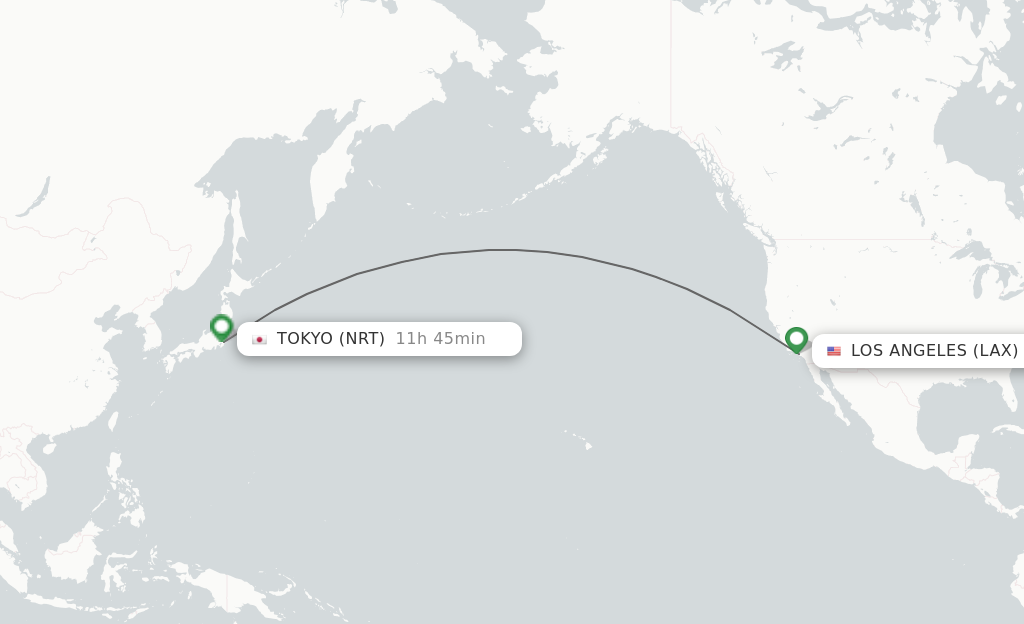
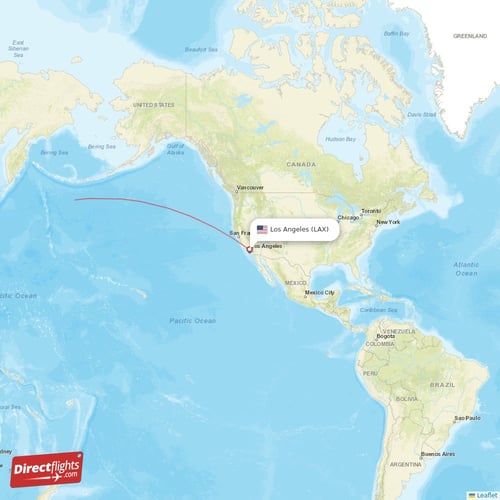
- From Los Angeles (LAX) to Tokyo (NRT/HND):
- Departure: Los Angeles International Airport (LAX)
- Arrival: Narita International Airport (NRT) or Haneda Airport (HND)
- Average Flight Time: 10.5 to 11.5 hours
- Airlines: Japan Airlines (JAL), All Nippon Airways (ANA), United Airlines, Delta Air Lines, American Airlines, Singapore Airlines.
- From San Francisco (SFO) to Tokyo (NRT/HND):
- Departure: San Francisco International Airport (SFO)
- Arrival: Narita International Airport (NRT) or Haneda Airport (HND)
- Average Flight Time: 9.5 to 10.5 hours
- Airlines: Japan Airlines (JAL), All Nippon Airways (ANA), United Airlines, Delta Air Lines, Singapore Airlines.
- From Los Angeles (LAX) to Osaka (KIX):
- Departure: Los Angeles International Airport (LAX)
- Arrival: Kansai International Airport (KIX)
- Average Flight Time: 11 to 12 hours
- Airlines: Japan Airlines (JAL), All Nippon Airways (ANA), United Airlines.
- From San Francisco (SFO) to Osaka (KIX):
- Departure: San Francisco International Airport (SFO)
- Arrival: Kansai International Airport (KIX)
- Average Flight Time: 10 to 11 hours
- Airlines: Japan Airlines (JAL), All Nippon Airways (ANA), United Airlines.
Remember that these are averages for direct flights. Always check with specific airlines and flight booking platforms for the most current and accurate flight durations, as schedules can change.
Preparing for Your Long-Haul Flight to Japan
A journey of 9-12 hours can seem daunting, but with the right preparation, it can be a comfortable and even enjoyable part of your travel experience.
Choosing Your Flight and Airline Wisely
When booking your flight, consider more than just the shortest duration or lowest price. The airline and cabin class can significantly impact your comfort.
- Airline Reputation: Japanese carriers like Japan Airlines (JAL) and All Nippon Airways (ANA) are renowned for their exceptional service, comfortable seating, and excellent in-flight entertainment and cuisine, even in economy class. US carriers like United Airlines and Delta Air Lines also offer competitive services on their Japan routes.
- Cabin Class: If your lifestyle allows for luxury travel, upgrading to Premium Economy, Business Class, or First Class offers significantly more space, recline, enhanced meal service, and amenities, making the journey much more restful. Even in economy, look for airlines that offer slightly more legroom or wider seats.
- Seat Selection: If possible, select your seat in advance. Aisle seats offer more freedom to move, while window seats provide a view and a wall to lean against. Emergency exit rows often have extra legroom but come with restrictions.
Essential Packing and In-Flight Comfort Tips
A long flight requires thoughtful packing and a strategy for comfort.
- Comfortable Clothing: Wear loose, breathable layers. Compression socks can help prevent swelling and reduce the risk of deep vein thrombosis.
- Entertainment: While in-flight entertainment systems are standard, having your own loaded tablet with movies, TV shows, music, or e-books is a great backup. Noise-canceling headphones are a game-changer for blocking out engine hum and cabin noise.
- Hydration and Snacks: Drink plenty of water before and during the flight to combat dehydration. Bring your own reusable water bottle to refill after security. Pack healthy snacks like nuts, fruit, or energy bars, as airline meal times might not align with your preferences.
- Sleep Aids: An eye mask, earplugs, and a comfortable neck pillow are crucial for getting some rest. Consider a travel blanket if you tend to get cold.
- Personal Care: A small bag with travel-sized toiletries (toothbrush, toothpaste, moisturizer, lip balm) can help you feel refreshed.
- Movement: Get up and walk around the cabin every couple of hours to stretch your legs. Perform simple seated exercises to maintain circulation.
Beating Jet Lag
Traveling across multiple time zones, particularly to the east, almost guarantees some level of jet lag.
- Adjust Before You Go: A few days before your flight, gradually shift your sleep schedule closer to Japan’s time zone (which is 16 hours ahead of California’s Pacific Daylight Time).
- Onboard Strategy: Try to sleep on the plane during Japan’s nighttime hours and stay awake during its daytime hours.
- Upon Arrival: Immediately immerse yourself in the local time. Go outside to expose yourself to natural light, which helps reset your circadian rhythm. Avoid long naps on your first day; instead, push through until the local bedtime. Stay hydrated and eat regular meals.
Maximizing Your Japan Experience: Beyond the Flight
Once your long flight is over, the real adventure begins. Japan offers an incredibly rich tapestry of tourism experiences, from bustling metropolises to serene natural landmarks and deep cultural immersion.
Iconic Destinations and Must-See Landmarks
- Tokyo: As the vibrant capital, Tokyo is a city of endless discovery. Visit the iconic Shibuya Crossing, marvel at the panoramic views from the Tokyo Skytree, explore the historic Senso-ji Temple in Asakusa, or find tranquility amidst the Imperial Palace East Garden. For entertainment, Tokyo Disney Resort is a global favorite.
- Kyoto: The ancient capital, Kyoto, is synonymous with traditional Japan. Wander through the stunning Arashiyama Bamboo Grove, admire the golden pavilion of Kinkaku-ji, or explore the mesmerizing torii gates of Fushimi Inari-taisha. The Gion District offers a glimpse into the world of geishas.
- Osaka: Known for its lively food scene and friendly locals, Osaka is a gastronomic paradise. Explore Osaka Castle, visit Universal Studios Japan, and indulge in street food at Dotonbori.
- Beyond the Cities: Consider a trip to see the majestic Mount Fuji from the Fuji Five Lakes region, or reflect on history at Hiroshima Peace Memorial Park.
Accommodation Options and Lifestyle Choices
Japan offers an incredible array of accommodation options to suit every lifestyle and budget, from traditional to ultra-modern.
- Traditional Ryokans: For an authentic Japanese experience, stay in a ryokan, a traditional inn, often featuring tatami mat rooms, futon beds, and onsen (hot spring baths). Many offer exquisite multi-course kaiseki dinners. This is a must for cultural immersion.
- Modern Hotels: Major cities boast world-class hotels ranging from mid-range to luxury resorts. Options like the Park Hyatt Tokyo (famous from “Lost in Translation”), Ritz-Carlton Kyoto, Mandarin Oriental Tokyo, or the unique Hotel Gajoen Tokyo offer unparalleled service and amenities. Even Hoshinoya Tokyo offers a luxury ryokan experience within the city.
- Apartments and Budget Stays: For budget travel or long-term stays, consider booking apartments through platforms like Airbnb, or opt for hostels and business hotels which are often clean, efficient, and well-located.
- Family and Business Travel: Japan is incredibly accommodating for both family trips and business stays. Many hotels offer family rooms or connecting options, and major cities have excellent facilities for conferences and corporate travelers.
Cultural Immersion and Culinary Delights
Japanese culture is rich and diverse, offering countless opportunities for engagement.
- Food: Don’t miss the chance to savor authentic sushi, ramen, tempura, and yakitori. Explore bustling food markets like Tsukiji Outer Market in Tokyo or Kuromon Ichiba Market in Osaka.
- Traditions: Participate in a traditional tea ceremony, learn about ikebana (flower arranging), or witness sumo wrestling. Visit serene temples and shrines, respecting local customs.
- Nature: Beyond the cities, Japan’s natural beauty is stunning, from cherry blossoms in spring to vibrant autumn foliage. Explore national parks or relax in an onsen town.
Conclusion
While the flight from California to Japan is a significant journey, typically ranging from 9 to 12 hours for direct routes, it is a small investment of time for the incredible experiences that await. By understanding the factors that affect flight duration, choosing your airline and class wisely, and preparing for the long-haul, you can ensure a comfortable and smooth journey. Once you land, the rich cultural tapestry, modern marvels, and breathtaking natural beauty of Japan will undoubtedly make every moment of your adventure worthwhile. Whether you’re planning a bustling city break, a tranquil cultural immersion, or an adventurous exploration, Japan promises a journey of a lifetime.
LifeOutOfTheBox is a participant in the Amazon Services LLC Associates Program, an affiliate advertising program designed to provide a means for sites to earn advertising fees by advertising and linking to Amazon.com. Amazon, the Amazon logo, AmazonSupply, and the AmazonSupply logo are trademarks of Amazon.com, Inc. or its affiliates. As an Amazon Associate we earn affiliate commissions from qualifying purchases.