
Embarking on a journey from the vibrant sprawl of Los Angeles to the captivating allure of Japan is an adventure that many travelers dream of. This trans-Pacific voyage bridges two distinct worlds, offering a gateway from the West Coast of the United States to the ancient traditions and futuristic innovations of East Asia. One of the most common questions for prospective travelers, understandably, revolves around the flight duration. Understanding how long you’ll be in the air, along with factors that can influence your travel time and how to make the journey comfortable, is crucial for planning an unforgettable trip. This comprehensive guide delves into the specifics of flight times, offers insights into optimizing your travel experience, and even provides a glimpse into the incredible destinations awaiting you in the Land of the Rising Sun.
The Direct Answer: Flight Duration Explained
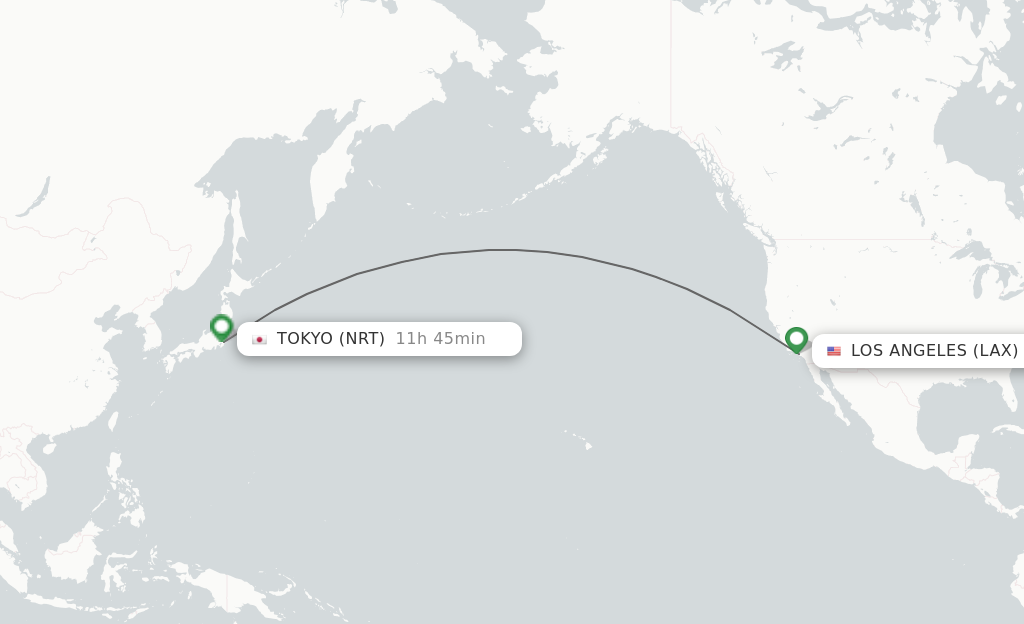
When planning your escape to Japan, the first consideration is often the flight duration itself. The distance between Los Angeles and major Japanese cities like Tokyo is vast, spanning approximately 5,500 miles (8,850 kilometers). This significant distance translates into a substantial amount of time spent in the air, making it one of the longer non-stop international flights available.
Non-Stop Flights: Expecting the Optimal Journey
For travelers prioritizing speed and convenience, non-stop flights are the preferred option. A direct flight from Los Angeles International Airport (LAX) to either Narita International Airport (NRT) or Haneda Airport (HND) in Tokyo typically ranges between 10 to 12 hours. This duration can fluctuate slightly based on several variables, including the specific airline, the aircraft model, and prevailing winds. For instance, flights often benefit from tailwinds when traveling westbound (from LAX to Tokyo), potentially shortening the journey, while eastbound flights (back to LAX) might experience headwinds, extending the flight time by an hour or more. Airlines like Japan Airlines, All Nippon Airways, United Airlines, and Delta Air Lines frequently operate these non-stop routes, offering multiple daily options for travelers. Opting for a non-stop flight minimizes the overall travel time, reduces the chances of missed connections, and provides a smoother, more streamlined experience, allowing you to begin your Japanese adventure sooner.
Layover Flights: Balancing Cost and Time
While non-stop flights offer the quickest route, they can sometimes come at a premium price. For budget-conscious travelers or those who prefer to break up the long journey, flights with layovers are a viable alternative. The total travel time for a flight with one or more layovers can vary significantly, usually ranging from 14 to 20+ hours, depending on the length of the stopover and the efficiency of the connecting flights. Common layover cities for flights between Los Angeles and Japan include major West Coast hubs like San Francisco or Seattle, or even international destinations like Honolulu. While these flights might be more economical, it’s crucial to factor in the additional time spent at airports, the potential for delays, and the impact on your energy levels upon arrival. When considering a layover, look for options that provide a reasonable connection time – enough to comfortably transfer, but not so long that it unnecessarily extends your journey. Some travelers even intentionally plan longer layovers to explore an additional city for a few hours, turning a simple stopover into a mini-adventure, further enriching their overall travel experience.
Factors Influencing Your Journey to the Land of the Rising Sun
Beyond the basic non-stop versus layover distinction, several intricate factors play a role in shaping your actual flight experience and duration from Los Angeles to Japan. Understanding these elements can help you make more informed decisions when booking your flight and preparing for your trip.
Airline Choice and Aircraft Type
The choice of airline and the specific aircraft model it operates can noticeably influence your flight time and overall comfort. Major carriers such as Japan Airlines and All Nippon Airways are renowned for their direct routes and often utilize modern, fuel-efficient wide-body jets like the Boeing 787 Dreamliner or the Airbus A350. These aircraft are designed for long-haul travel, offering better cruising speeds and enhanced passenger comfort features. Other international airlines, including United Airlines and Delta Air Lines, also provide excellent service on this route, often employing Boeing 777 or similar large aircraft. While flight durations may not vary drastically between these carriers on a non-stop route, minor differences in their flight paths, operational efficiency, and the specific model of aircraft can lead to variations of 30 minutes to an hour. Beyond just speed, the aircraft type also impacts your in-flight experience, from seat pitch and cabin pressurization to entertainment systems, all contributing to how you perceive the journey’s length.
Departure and Arrival Airports
Your specific departure and arrival airports also play a role. From Los Angeles, virtually all international flights to Japan depart from Los Angeles International Airport (LAX), one of the busiest airports in the world. In Japan, the primary gateways are Tokyo’s two major international airports: Narita International Airport (NRT) and Haneda Airport (HND). While both serve the greater Tokyo metropolitan area, Haneda is generally closer to the city center, making onward travel quicker. Some flights also land at Kansai International Airport (KIX), serving Osaka and the Kansai region. While the flight time to Kansai might be marginally longer than to Tokyo due to the increased distance, the difference is usually minimal, often within 30 minutes. What truly impacts your overall travel duration is the time it takes to clear immigration, collect luggage, and travel from the airport to your final destination within Japan. Choosing Haneda over Narita for a Tokyo stay, for example, can save you a significant amount of ground travel time, despite a similar flight duration.
Time Zones and Jet Lag Management
One of the most impactful aspects of flying from Los Angeles to Japan isn’t the flight duration itself, but the drastic time difference and the inevitable jet lag it causes. Japan operates on Japan Standard Time (JST), which is 16 hours ahead of Pacific Standard Time (PST) in Los Angeles during standard time, and 17 hours during Daylight Saving Time. This means when it’s 10 AM on Monday in Los Angeles, it’s 2 AM on Tuesday in Tokyo. This significant leap forward in time can severely disrupt your body’s natural circadian rhythm, leading to symptoms like fatigue, disorientation, and difficulty sleeping. To combat jet lag, it’s advisable to start adjusting your sleep schedule a few days before departure, hydrate well during the flight, avoid excessive alcohol and caffeine, and try to expose yourself to natural light upon arrival in Japan. Immediately try to adapt to the local time, even if it means pushing through initial tiredness. Strategic planning around your arrival time can also help; arriving in the late afternoon allows you to settle in and aim for a full night’s sleep, easing the transition into the local time zone.
Optimizing Your Trans-Pacific Flight Experience
A long-haul flight to Japan doesn’t have to be daunting. With the right strategies, you can transform the journey into a comfortable and even enjoyable part of your adventure. From smart booking tactics to in-flight comfort tips and seamless arrival preparations, optimizing your trans-Pacific flight experience is key to starting your Japanese exploration refreshed and ready.
Booking Strategies for the Best Value
Securing the best flight deal involves a blend of timing, flexibility, and research. Flights to Japan from Los Angeles can fluctuate significantly in price depending on the season, how far in advance you book, and current demand. Generally, booking 2-4 months ahead of your desired travel date often yields the most competitive prices. Utilizing flight comparison websites and setting price alerts can help you monitor fare changes and snatch up deals. Consider traveling during the shoulder seasons (spring or fall) to avoid peak summer crowds and potentially lower airfares and accommodation costs. Flexibility with your travel dates, even by a day or two, can also unlock substantial savings. Furthermore, evaluating different fare classes—Economy, Premium Economy, Business, or First Class—can impact both the cost and your comfort level. While Economy is the most budget-friendly, Premium Economy offers more legroom and enhanced services for a relatively modest price increase, often proving to be a worthwhile investment for such a long flight. For luxury travelers, Business or First Class provides unparalleled comfort, lie-flat seats, and gourmet dining, turning the journey itself into a luxurious experience.
In-Flight Comfort and Amenities
Making a 10-12 hour flight tolerable, or even pleasant, hinges on maximizing your in-flight comfort. Modern long-haul aircraft are typically equipped with personal entertainment systems offering a vast selection of movies, TV shows, music, and games. Make use of these to pass the time. Most airlines also provide complimentary meals, snacks, and beverages, but consider packing your own favorite non-liquid snacks for variety. Staying hydrated is paramount; drink plenty of water and avoid excessive alcohol and caffeine, which can exacerbate dehydration and jet lag. Invest in a good neck pillow, eye mask, and earplugs or noise-canceling headphones to aid sleep and block out disturbances. Compression socks are also highly recommended to promote circulation and prevent swelling on long flights. Dress in comfortable, loose-fitting layers, allowing you to adjust to temperature changes in the cabin. Regularly get up and walk around the cabin, or perform simple stretches in your seat, to prevent stiffness and improve blood flow. Many airlines now offer Wi-Fi access (for a fee), which can be useful for staying connected, working, or simply browsing during your journey, though it might be a good idea to disconnect and relax.
Preparing for Arrival in Japan
A smooth arrival in Japan starts with preparation before you even depart Los Angeles. Ensure all necessary travel documents are in order, including your passport (with at least six months validity), and any required visa or entry documentation. While Japan offers visa-free entry for tourists from many countries, including the United States, always check the latest requirements. Upon landing at Narita or Haneda, you’ll navigate immigration and customs. Having your accommodation details and return flight information readily accessible can expedite this process. For onward travel from the airport, familiarize yourself with Japan’s efficient public transportation system. From Narita, options include the Narita Express (N’EX) train or various Limousine Bus services directly to major Tokyo stations and hotels. From Haneda, the Keikyu Line or Tokyo Monorail offers quick access to the city. Consider purchasing a Japan Rail Pass if you plan extensive train travel across the country, as it offers significant savings. Additionally, pre-booking a pocket Wi-Fi device or a local SIM card for seamless connectivity upon arrival is highly recommended, making navigation and communication much easier as you begin your exploration of Japan.
Beyond the Flight: Planning Your Japanese Adventure
Once you’ve mastered the journey, the true reward awaits: immersing yourself in the rich tapestry of Japan. This incredible country offers a kaleidoscope of experiences, from ancient traditions to cutting-edge modernity, diverse landscapes, and unparalleled hospitality. Planning your itinerary around its iconic destinations, unique culture, and varied accommodation options will ensure a truly memorable trip.
Iconic Destinations and Experiences
Japan is a treasure trove of landmarks and experiences. Tokyo, the bustling capital, is a must-visit, offering sights like the famous Shibuya Crossing, the panoramic views from Tokyo Skytree, the serene grounds of the Imperial Palace, and the vibrant districts of Shinjuku, Ginza, and Akihabara. Venture to Kyoto, the former imperial capital, to discover thousands of temples and shrines, including the stunning vermillion gates of Fushimi Inari-taisha and the gleaming Kinkaku-ji (Golden Pavilion). Explore the enchanting Arashiyama Bamboo Grove and experience a traditional tea ceremony in the geisha district of Gion. Osaka beckons with its vibrant food scene, epitomized by the lively Dotonbori district and attractions like Universal Studios Japan. For a profound historical experience, a visit to Hiroshima and its Peace Memorial Park is highly recommended, alongside a trip to the nearby sacred Miyajima Island with its iconic floating torii gate. No trip to Japan would be complete without witnessing the majestic beauty of Mount Fuji, either from afar or by climbing its trails during the summer season. Beyond these major hubs on Honshu Island, consider exploring the snowy landscapes of Hokkaido, the tropical beaches of Okinawa, or the diverse cultures of Kyushu and Shikoku islands for a more diverse experience. Embrace local culture by participating in traditional activities, savoring authentic Japanese cuisine like sushi, ramen, and tempura, and unwinding in an onsen (hot spring).
Accommodation Choices
Japan offers an incredibly diverse range of accommodation options to suit every preference and budget. For those seeking luxury travel experiences, world-renowned hotel brands like The Ritz-Carlton, Four Seasons, and Mandarin Oriental offer exquisite suites, unparalleled service, and stunning city views in major metropolitan areas. Boutique hotels provide a more intimate and design-focused stay, often reflecting local aesthetics. For a truly authentic Japanese experience, consider staying in a traditional ryokan, particularly in scenic areas like Hakone or Kyoto. Ryokans typically feature tatami mat rooms, futon beds, hot spring baths, and elaborate multi-course meals (kaiseki), offering a deep dive into local culture. Budget travelers will find a plethora of options, including modern hostels, capsule hotels (a unique Japanese innovation), and business hotels that offer clean, compact rooms at reasonable prices. For family trips or longer stays, serviced apartments and vacation rentals provide more space and the convenience of a kitchen. Regardless of your choice, it is highly recommended to book your accommodation well in advance, especially during peak travel seasons, as popular options fill up quickly. Many hotels also offer excellent amenities, from relaxing spas and fitness centers to fine dining restaurants, ensuring your stay is as comfortable as it is culturally enriching.
Tailoring Your Trip: Lifestyle Travel
Japan caters to every travel lifestyle. Luxury travelers can indulge in Michelin-starred dining, private guided tours of historical sites, stays at exclusive resorts with personal onsen, and shopping for high-end fashion and traditional crafts. Imagine a stay at a lavish ryokan near Mount Fuji or a sleek penthouse suite overlooking Tokyo Bay. Budget travelers can explore Japan without breaking the bank by utilizing the excellent JR Pass for cost-effective long-distance travel on the Shinkansen (bullet train), opting for hostel accommodations or capsule hotels, enjoying delicious and affordable street food, and visiting many free attractions like temples and parks. Family trips can be magical, with attractions like Tokyo Disneyland and Tokyo DisneySea, interactive museums, and child-friendly traditional experiences. Japan’s safety and efficiency make it an ideal destination for families. For business stays, major cities offer state-of-the-art convention centers, a wide selection of business hotels with excellent connectivity, and efficient transportation networks, allowing for productive trips. Whether you’re seeking cultural immersion, gastronomic delights, outdoor adventures, or urban exploration, Japan can be tailored to fulfill your specific travel desires. Planning your trip with a focus on your preferred lifestyle will ensure every aspect of your journey, from the moment you leave Los Angeles, aligns with your expectations for an extraordinary adventure.
The flight from Los Angeles to Japan is a journey of approximately 10 to 12 hours on a non-stop route. While this duration may seem significant, it is a relatively small investment of time for the incredible rewards that await you in the Land of the Rising Sun. By understanding the factors influencing your travel, optimizing your in-flight comfort, and preparing meticulously for your arrival, you can ensure a smooth transition to your Japanese adventure. From the bustling streets of Tokyo to the serene temples of Kyoto, and every unique experience in between, Japan promises a journey of discovery and wonder. So, start planning, pack your bags, and prepare for an unforgettable voyage across the Pacific Ocean to one of the world’s most fascinating destinations.
LifeOutOfTheBox is a participant in the Amazon Services LLC Associates Program, an affiliate advertising program designed to provide a means for sites to earn advertising fees by advertising and linking to Amazon.com. Amazon, the Amazon logo, AmazonSupply, and the AmazonSupply logo are trademarks of Amazon.com, Inc. or its affiliates. As an Amazon Associate we earn affiliate commissions from qualifying purchases.