
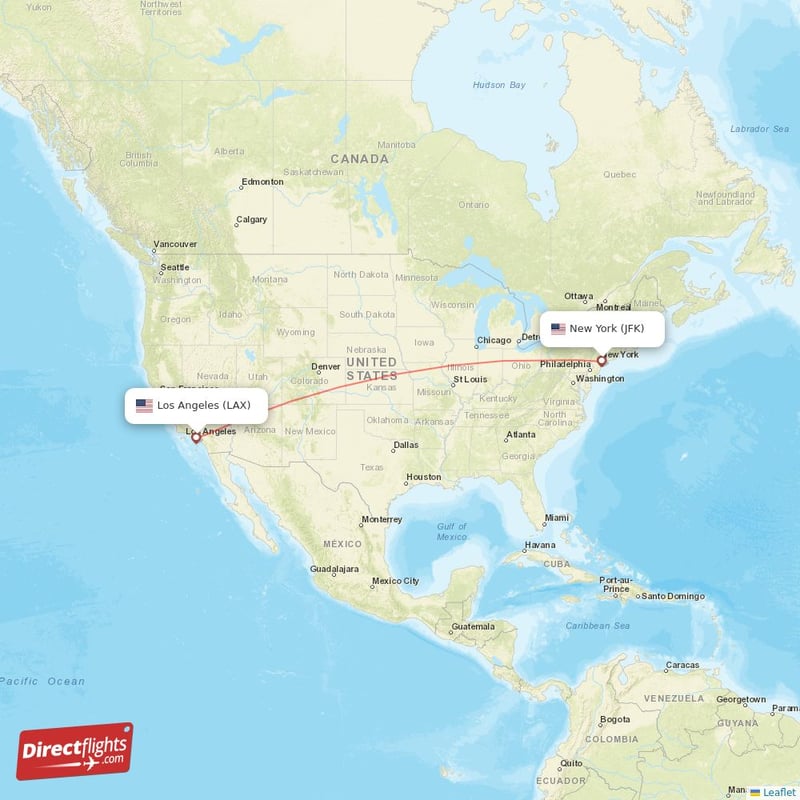
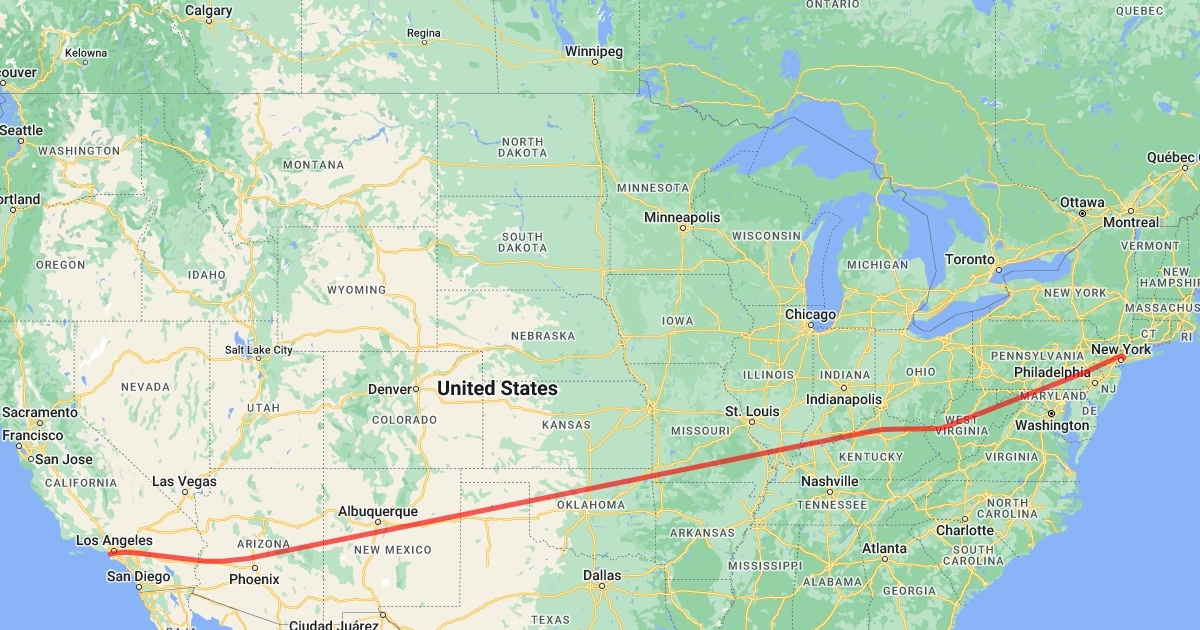
Embarking on a journey from the sun-drenched beaches of California to the bustling metropolis of New York is a quintessential American travel experience, bridging two distinct cultural and geographical landscapes. While the allure of the East Coast draws countless visitors, a primary concern for many travelers is the duration of the flight. Spanning roughly 2,500 miles (4,000 kilometers) across the continental United States, this transcontinental trip can vary significantly in length, influenced by a multitude of factors from the type of flight chosen to the specific airports involved. Understanding these variables is key to planning an efficient and comfortable travel itinerary.
Understanding Flight Durations: The West Coast to East Coast Journey
The vast expanse separating California and New York necessitates a significant amount of air travel. While the journey might seem daunting, modern aviation has streamlined the process, making it a routine route for millions. The average flight time is a blend of actual airborne hours, taxiing, and potential layovers, each contributing to the overall travel experience.
Direct Flights: The Fastest Path
For those prioritizing speed and convenience, a direct flight is the undisputed champion. These non-stop services eliminate the need for transfers, reducing both travel time and the potential for delays.
Typically, a direct flight from a major California airport to one of New York’s primary hubs will range from approximately 5.5 to 6.5 hours in the air.
- Flights from Los Angeles International Airport (LAX) to John F. Kennedy International Airport (JFK) or Newark Liberty International Airport (EWR) typically fall into the 5 hours 45 minutes to 6 hours 15 minutes range.
- From San Francisco International Airport (SFO), flights tend to be slightly longer, often closer to 6 hours to 6 hours 30 minutes, given San Francisco’s slightly more northerly position.
- Flights to LaGuardia Airport (LGA), while closer to Manhattan, generally have similar flight times to JFK and EWR from the West Coast.
It’s important to note that westbound flights (from New York to California) often take longer, usually between 6 to 7 hours, due to prevailing headwind conditions, especially the strong jet stream that generally blows from west to east.
Connecting Flights: Factors and Variations
While direct flights are ideal, connecting flights offer flexibility in terms of pricing and scheduling, often at a lower cost. However, this comes at the expense of increased travel time. The total duration for a connecting flight can range anywhere from 8 to 12+ hours, depending on several critical factors:
- Number of Layovers: Most connecting flights will have one layover, but some budget options might include two, significantly extending the journey.
- Layover Duration: The time spent at a connecting airport can range from a swift 45 minutes (which can be risky for tight connections) to several hours, or even overnight stays. Ideally, a layover of 1.5 to 2 hours provides ample time for transfer without excessive waiting.
- Connecting Airport: Major hubs across the United States like Chicago O’Hare, Dallas/Fort Worth, Denver International, or Atlanta Hartsfield-Jackson are common connection points. The efficiency of these airports and potential for delays can impact overall travel time.
Major Departure Hubs in California and Arrival Gates in New York
The specific airports you fly from and to play a crucial role in determining both the flight duration and the overall travel experience. Both California and New York are home to some of the busiest airports in the world, offering a wide array of flight options.
Key California Airports
California boasts several major international airports that serve as primary departure points for transcontinental flights:
- Los Angeles International Airport (LAX): As one of the busiest airports globally, LAX offers the most frequent direct flights to New York and typically has the most competitive pricing due to high competition among airlines. Its central location in Southern California makes it accessible to a large population.
- San Francisco International Airport (SFO): Serving the San Francisco Bay Area, SFO is another significant hub with numerous direct flights to the East Coast. Flights from SFO are generally slightly longer than those from LAX.
- San Diego International Airport (SAN): While smaller than LAX or SFO, San Diego offers a respectable number of direct flights to New York, particularly to EWR and JFK.
- Other Regional Airports: Airports like Oakland International Airport (OAK) and San Jose International Airport (SJC) also offer direct or connecting services, though often with fewer daily frequencies compared to LAX and SFO.
Primary New York Area Airports
The New York metropolitan area is served by three major airports, each with its unique characteristics and accessibility:
- John F. Kennedy International Airport (JFK): The largest and busiest of the three, JFK is a major international gateway and offers the most extensive range of flights from California. It’s located in Queens, approximately 15 miles southeast of Manhattan.
- Newark Liberty International Airport (EWR): Located in New Jersey, EWR is often a popular choice for travelers heading to New York City due to its efficient public transport links, including NJ Transit and AirTrain Newark. Many airlines, particularly United Airlines, operate significant hubs here.
- LaGuardia Airport (LGA): Situated in Queens, LGA is the closest airport to Manhattan and is primarily focused on domestic flights. While it offers numerous flights from California, it recently underwent massive redevelopment, improving the traveler experience.
Factors Influencing Your Flight Time
Beyond the basic direct or connecting distinction, several intricate elements can subtly, or not so subtly, alter the actual time you spend in the air and the overall journey duration.
Aircraft Type and Air Speed
Modern commercial aircraft vary in their cruising speeds. Newer models like the Boeing 787 Dreamliner or the Airbus A350 are generally more fuel-efficient and can maintain higher average speeds than older models, potentially shaving a few minutes off the flight. While not a dramatic difference, it contributes to the overall flight plan. Different airlines might also prioritize fuel efficiency over speed or vice-versa, slightly adjusting their flight profiles.

Air Traffic Control and Route Optimization
The skies are a complex network managed by Air Traffic Control (ATC). Routes are constantly optimized to avoid crowded airspaces, severe weather, and military zones. A direct great-circle route might be the shortest distance, but ATC vectors or holding patterns near busy airports like JFK can add time. Delays on the ground at departure or arrival airports due to traffic congestion are also common contributors to extended travel times.
Weather Conditions and Jet Streams
Weather is a significant, often unpredictable, factor. Strong headwinds, particularly the powerful jet stream that generally flows from west to east across the United States, can considerably increase westbound flight times (California to New York). Conversely, eastbound flights often benefit from these tailwinds, reducing the journey. Adverse weather conditions at either end of the journey, or along the route, can also lead to reroutes, delays, or holding patterns, adding to the total duration. Turbulence, while not affecting flight time, can impact passenger comfort.
Time Zones and Perceived Duration
Traveling from California (Pacific Time Zone) to New York (Eastern Time Zone) involves a three-hour time difference. This means a flight departing at 9:00 AM PST will land around 6:00 PM EST if it’s a 6-hour flight. While the actual flight duration remains constant, the perceived length of the day and the impact on your body clock (jet lag) can make the journey feel longer, especially on arrival. Planning for this time zone shift is crucial for smooth adaptation upon landing.
Optimizing Your Travel Experience
Given the considerable length of a transcontinental flight, planning for comfort and efficiency is paramount to ensure a pleasant journey.
Choosing the Right Flight and Airline
Consider your priorities when booking. If time is critical, opt for a direct flight, even if it’s slightly more expensive. If budget is key, be prepared for a longer journey with layovers. Research airlines for their on-time performance, comfort levels, and in-flight amenities. Major carriers like American Airlines, Delta Air Lines, United Airlines, JetBlue Airways, Alaska Airlines, and Southwest Airlines all offer extensive services on this route. Look for flights departing during off-peak hours or days to potentially avoid congestion and secure better prices.
Pre-Flight Preparation and Airport Experience
Arrive at the airport with ample time, especially at busy hubs like LAX or JFK. Check-in online, utilize mobile boarding passes, and understand your airline’s baggage policies. Consider investing in TSA PreCheck or Global Entry to expedite security lines. Packing essentials like a neck pillow, eye mask, noise-canceling headphones, and entertainment can significantly enhance your comfort. Stay hydrated and dress in comfortable layers.
In-Flight Comfort Strategies
During the flight, stretching and walking periodically can help circulation, especially on longer journeys. Drink plenty of water and limit caffeine and alcohol. Utilize the in-flight entertainment or bring your own loaded devices. If you plan to work or sleep, choose a window or aisle seat accordingly. For overnight flights, try to align your sleep schedule with your destination’s time zone as much as possible.
Navigating Arrival and Minimizing Jet Lag
Upon arrival in New York, the time difference will be noticeable. Try to adjust to local time immediately. If you arrive in the afternoon or evening, try to stay awake until a reasonable bedtime. If you arrive in the morning, expose yourself to natural light and stay active. Hydration continues to be important. Familiarize yourself with ground transportation options from your arrival airport to your final destination in the city, whether it’s AirTrain to the subway or a taxi.
Beyond the Flight: Planning Your New York Adventure
Once you’ve successfully navigated the transcontinental journey, the vibrant energy of New York City awaits. The flight duration is just the first step in an unforgettable travel experience. From exploring iconic Manhattan landmarks like the Empire State Building and Central Park to immersing yourself in the diverse neighborhoods of Brooklyn or Queens, New York offers a wealth of destinations and experiences. Planning your ground transportation from the airport, your accommodation, and your itinerary in advance will ensure a seamless transition from airborne traveler to urban explorer. The journey from California is significant, but the destination makes every minute of the flight worthwhile.
LifeOutOfTheBox is a participant in the Amazon Services LLC Associates Program, an affiliate advertising program designed to provide a means for sites to earn advertising fees by advertising and linking to Amazon.com. Amazon, the Amazon logo, AmazonSupply, and the AmazonSupply logo are trademarks of Amazon.com, Inc. or its affiliates. As an Amazon Associate we earn affiliate commissions from qualifying purchases.