
Understanding the duration of a flight between two major hubs like Los Angeles International Airport (LAX) and New York City is crucial for any traveler. This cross-country journey, a staple for business, leisure, and visiting friends and family, can vary significantly. Factors such as wind speed, aircraft type, specific New York area airport, and even the time of day can influence the actual time spent airborne. This guide delves into the typical flight times, explores the variables that affect them, and offers insights into making the most of your transatlantic flight experience.
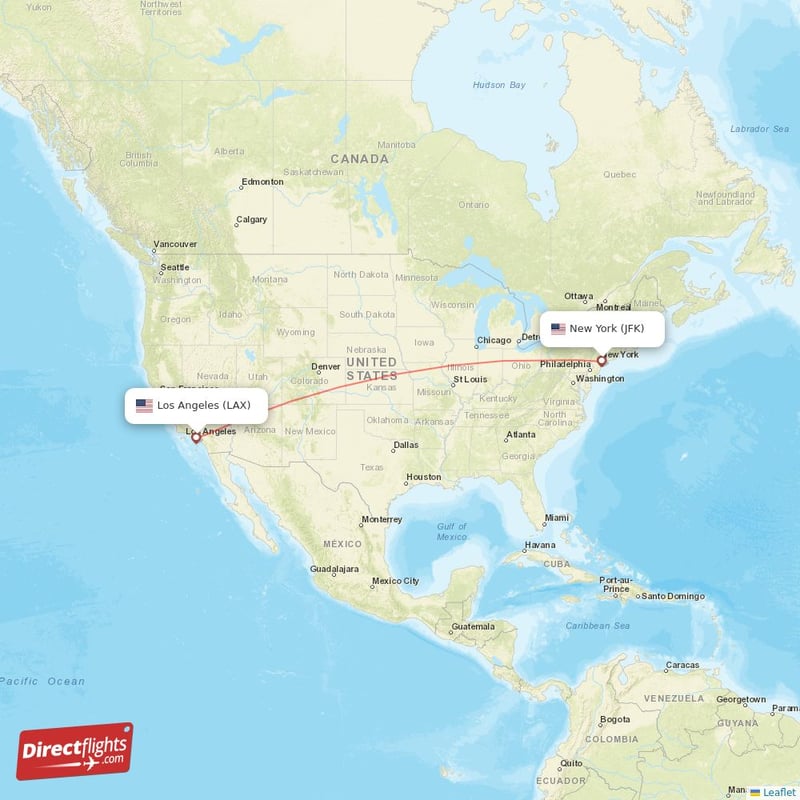
Typical Flight Durations: Direct vs. Connecting
The most straightforward answer to “How long is the flight to New York from LAX?” involves understanding the difference between direct and connecting flights. For most travelers, the ideal scenario is a non-stop flight, offering the quickest and most convenient way to reach their destination.
Non-Stop Flights: The Speedy Route
Direct flights from LAX to the New York metropolitan area typically range from 4 hours and 50 minutes to 5 hours and 30 minutes. This is the time spent in the air, from the moment the aircraft leaves the gate at LAX until it arrives at the gate in New York. Airlines operating these routes, such as United Airlines, American Airlines, and Delta Air Lines, aim for efficiency on this popular corridor.
It’s important to distinguish between airborne time and total travel time. The total travel time will include taxiing on the runway before takeoff, potential delays in air traffic control, and taxiing to the gate upon arrival. Therefore, while the flight itself might be around five hours, your entire journey from departing LAX to deplaning in New York could easily extend to six hours or more.
Connecting Flights: When Direct Isn’t an Option
Connecting flights, while often less desirable due to the added time and potential for missed connections, can sometimes be more economical or offer more schedule flexibility. A connecting flight from LAX to New York will significantly increase the overall travel time.
The duration of a connecting flight is highly variable and depends on:
- Layover Duration: This is the most significant factor. A short layover might be 45 minutes to an hour, while longer layovers can be several hours, or even overnight.
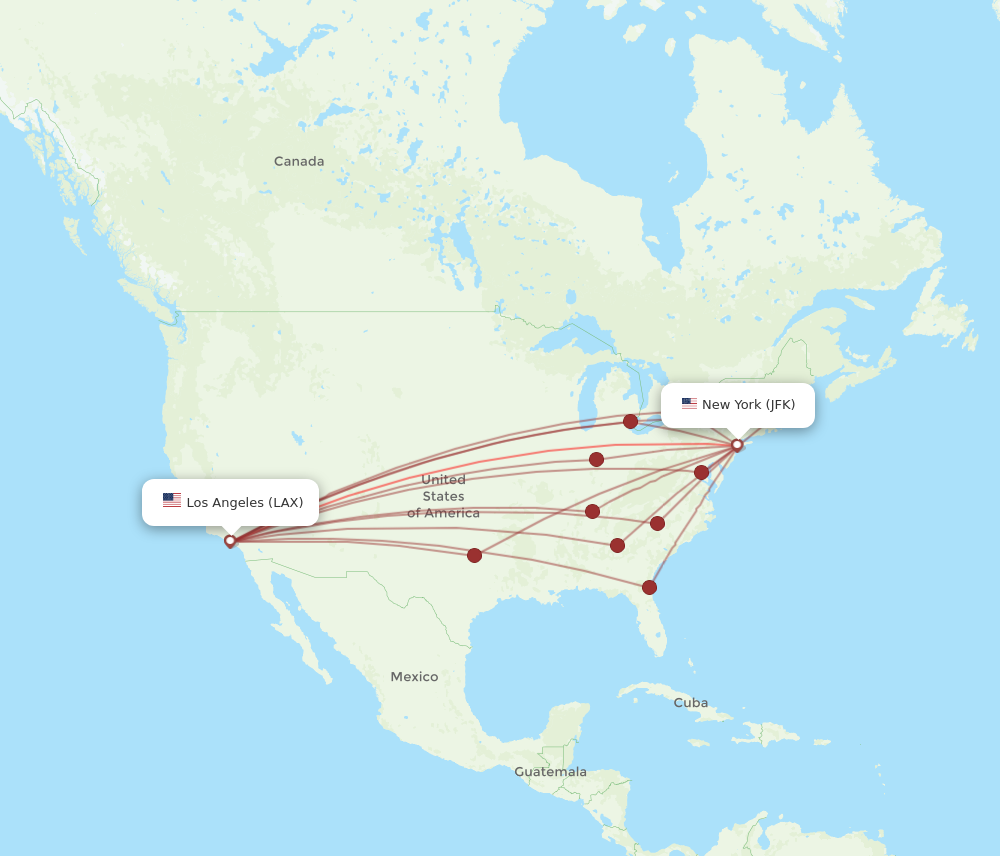
- Layover City: Flights often connect in hubs like Chicago, Dallas, or Denver. The geographical location of the layover city will influence the total flight path and thus the time spent in the air.
- Number of Connections: Flights with two or more connections will naturally take much longer than those with a single stop.
A typical connecting flight from LAX to New York can range anywhere from 7 hours to 12 hours or more, factoring in ground time at the connecting airport and the additional flight segments.
Factors Influencing Flight Time
Several dynamic elements can alter the flight duration from Los Angeles to New York, even on the same route with the same airline. Understanding these can help set realistic expectations and perhaps even explain why one flight might be longer or shorter than another.
Jet Streams and Wind Patterns
The most influential factor affecting flight times across the United States is the presence of jet streams. These are fast-flowing, narrow air currents in the Earth’s atmosphere, typically found at high altitudes.
- Westbound Flights (New York to LAX): Flights traveling west from New York to Los Angeles are generally slower. They are often flying against the prevailing jet stream, which acts like a headwind, increasing the flight time. This is why a flight from New York to LAX typically takes longer than the return journey.
- Eastbound Flights (LAX to New York): Flights traveling east from Los Angeles to New York benefit from the jet stream, which acts as a tailwind. This significantly reduces the flight time, pushing the aircraft along and contributing to the shorter duration of LAX to New York flights.
The strength of the jet stream can vary daily due to weather patterns. On days with a particularly strong jet stream, eastbound flights can be several minutes shorter, while westbound flights can be extended.

Aircraft Type and Performance
Different aircraft models have varying cruising speeds and fuel efficiencies. While most major airlines use similar wide-body or narrow-body jets on this popular route (such as the Boeing 737 or Airbus A320 families), subtle differences in their cruising speeds can contribute to minor variations in flight duration. Newer aircraft models often feature improved aerodynamics and more powerful engines, potentially leading to slightly faster transit times.
Specific New York Area Airport
The term “New York” for flight purposes encompasses several major airports, each serving the vast metropolitan area. The specific destination airport can subtly influence the flight time, particularly upon arrival.
- John F. Kennedy International Airport (JFK): Located in Queens, JFK is a primary international gateway and serves a high volume of long-haul and domestic flights.
- LaGuardia Airport (LGA): Also in Queens, LGA is primarily a domestic airport and is closer to Manhattan for some travelers.
- Newark Liberty International Airport (EWR): Located in Newark, New Jersey, EWR is another major hub serving the New York metropolitan area.
While the air routes to each of these airports are similar, slight variations in the approach and landing procedures, especially due to air traffic control patterns in the busy New York airspace, can add a few minutes to the overall journey. Airlines will schedule flights to each of these airports, and the chosen destination will be reflected in the flight itinerary.
Time of Day and Air Traffic Control
The time of day can indirectly affect flight duration due to air traffic congestion. Peak travel times, such as morning and evening rush hours, can lead to increased traffic volume at both LAX and the New York airports, potentially causing minor delays on the ground or requiring more time for air traffic control to sequence arrivals and departures. While airlines aim to maintain their schedules, these congestion periods can sometimes add a few minutes to the overall travel experience.
Planning Your Trip: Beyond the Flight Time
Knowing the approximate flight time is just one piece of the puzzle when planning a trip from LAX to New York. Here are some additional considerations for a smoother journey:
Booking Your Flight
When booking your flight, always pay close attention to the listed flight duration. Look for non-stop options first if speed is your priority. If considering a connecting flight, carefully examine the layover times and locations. Websites and apps from airlines like Southwest Airlines or travel aggregators can help you compare different options and durations.
Arrival and Departure Times
Remember that the listed flight time is typically the scheduled airborne duration. Always factor in time for:
- Getting to the airport: LAX is a massive airport, and traffic around it can be substantial. Allow ample time to arrive, park or be dropped off, and navigate to your terminal.
- Airport procedures: Security checks, baggage check-in, and reaching your gate can take longer than expected, especially during busy periods. Aim to arrive at LAX at least 2-3 hours before a domestic flight.
- Deplaning and baggage claim: Once you land in New York, it will take time to disembark and collect any checked luggage.
- Ground transportation: From your arrival airport to your final destination in New York City, you’ll need to account for travel time via taxi, ride-sharing, public transport (like the AirTrain), or a pre-booked car service.
Making the Most of Your Flight
A flight of around five hours offers an opportunity to be productive or simply relax.
- Work or entertainment: Many flights offer Wi-Fi, allowing you to catch up on emails or enjoy streaming services. Bringing a good book or downloading podcasts and movies beforehand is also a great strategy.
- Comfort: Dress comfortably for the flight, and consider bringing a neck pillow, eye mask, and earplugs for better rest. Staying hydrated is also key, so bring an empty water bottle to fill after security.
- Jet Lag: Be mindful of the three-hour time difference between Los Angeles (Pacific Time) and New York (Eastern Time). Upon arrival, try to adjust to the local time as quickly as possible by staying awake until local bedtime.
By considering these factors, your journey from the sunny skies of Los Angeles to the bustling metropolis of New York can be an efficient and enjoyable part of your overall travel experience.
LifeOutOfTheBox is a participant in the Amazon Services LLC Associates Program, an affiliate advertising program designed to provide a means for sites to earn advertising fees by advertising and linking to Amazon.com. Amazon, the Amazon logo, AmazonSupply, and the AmazonSupply logo are trademarks of Amazon.com, Inc. or its affiliates. As an Amazon Associate we earn affiliate commissions from qualifying purchases.