
New York City, often referred to as the “Big Apple,” stands as a beacon of culture, commerce, and innovation, drawing millions of visitors from every corner of the globe each year. From the iconic Statue of Liberty to the bustling energy of Times Square and the serene pathways of Central Park, the city offers an unparalleled array of attractions and experiences. For many, the dream of exploring its vibrant streets begins with a simple, yet crucial, question: “How long is the flight to New York?”
The answer, however, is far from straightforward. Flight duration is a dynamic variable, influenced by a multitude of factors ranging from your departure city and the type of aircraft to prevailing winds and Air Traffic Control considerations. Understanding these elements is key to planning a seamless journey and making the most of your trip. Whether you’re embarking on a quick business stay, a memorable family trip, or a leisurely exploration of local culture and food, knowing what to expect from your flight time is the first step in a well-orchestrated travel plan. This comprehensive guide delves into the specifics, offering insights into typical flight durations from major global hubs and providing valuable tips to optimize your journey to this magnificent metropolis.
Unpacking the Variables: What Influences Your Flight Duration to New York?
The time it takes to fly to New York can fluctuate dramatically, transforming a quick hop into a marathon journey depending on a range of interconnected variables. Beyond the sheer distance, several operational and environmental factors play a significant role in determining your actual time in the air and your overall travel experience.
Geographic Origin and Direct vs. Connecting Flights
The most obvious determinant of flight duration is your starting point. Flights originating from cities geographically closer to New York will naturally be shorter than those from distant continents. For instance, a flight from Boston or Washington D.C. to New York can be as brief as one hour in the air. Moving westward within North America, a direct flight from Chicago might take around two to three hours, while a cross-country journey from Los Angeles typically clocks in at five to six hours.
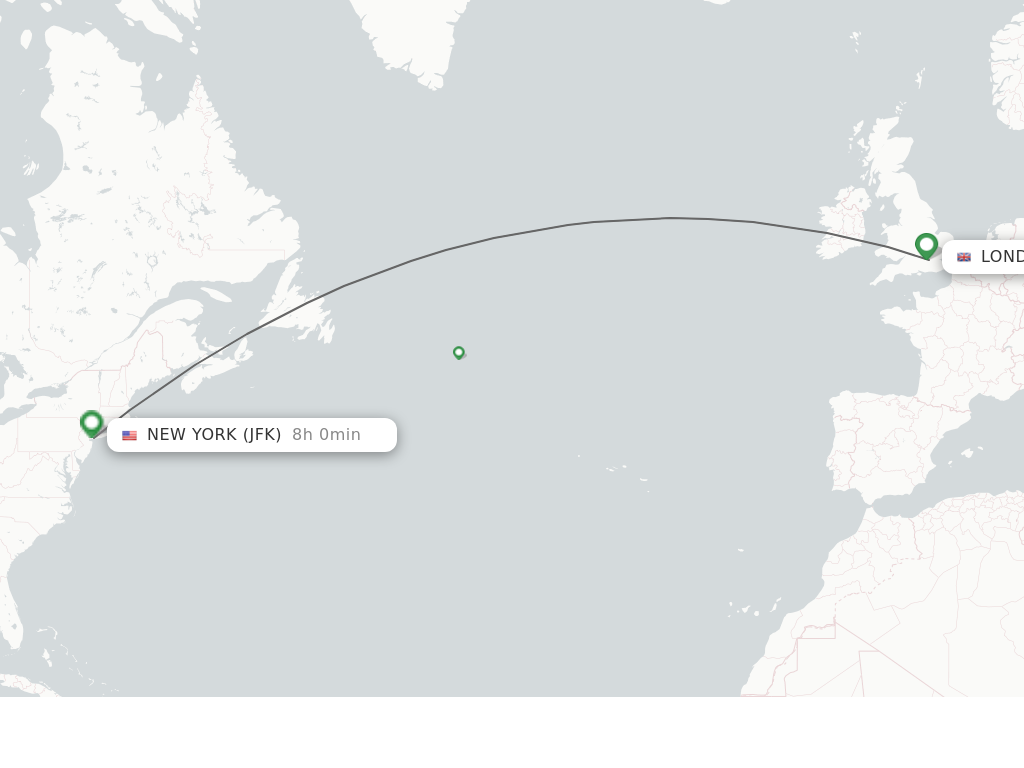
When venturing across oceans, the flight times extend considerably. A direct transatlantic flight from London or Paris to New York usually ranges from seven to eight hours. For those flying from even more remote locations like Tokyo or Dubai, a direct flight can stretch to 13-15 hours or more. The most significant factor impacting total travel time, however, is whether your flight is direct or involves one or more layovers. Connecting flights, while often more budget-friendly, can easily add several hours – or even a full day – to your journey, factoring in wait times between flights, potential delays, and the time required for deplaning and re-boarding. This is an important consideration when planning your accommodation upon arrival, as extended travel can lead to significant fatigue.
Aircraft Type and Air Traffic Control Dynamics
The type of aircraft also plays a subtle, yet crucial, role. Modern, wide-body jets like the Boeing 787 Dreamliner or the Airbus A350 are designed for long-haul efficiency, often flying at higher altitudes and speeds than older or smaller regional jets, potentially shaving minutes or even an hour off longer routes. Beyond the aircraft itself, environmental factors such as wind currents can significantly impact flight duration. The powerful jet stream over the Atlantic Ocean, for instance, can propel eastbound flights to Europe at much faster speeds, while westbound flights to New York often have to contend with headwinds, extending their journey. This is why a flight from New York to London might be shorter than the return leg.
Air Traffic Control (ATC) is another critical, often overlooked, variable. New York is served by three major airports – John F. Kennedy International Airport (JFK), LaGuardia Airport (LGA), and Newark Liberty International Airport (EWR) – all operating within one of the world’s busiest airspaces. Congestion, ground stops, holding patterns, and taxiing delays, particularly during peak hours or adverse weather conditions, can add significant time to your journey, even if the flight itself was on schedule. Such operational factors are often outside the airline’s control but are a reality of flying into a major global hub like New York.
Time Zones and Perceived Duration
While not affecting the actual airborne time, the impact of time zone differences profoundly influences the perceived duration of your journey and your post-arrival experience. Flying eastward to New York from locations like California or Europe means “losing” hours, often resulting in an arrival time that feels much later than your body clock expects. This is a primary contributor to jet lag, a common affliction for long-haul travelers. Westward flights from Europe to New York can be particularly jarring, as you might depart in the morning and arrive in New York in the afternoon on the same calendar day, despite having spent 7-8 hours in the air. Managing jet lag is a key part of ensuring a comfortable lifestyle during your stay, whether you’re on a business stay needing to be sharp for meetings or a family trip eager to explore. Proactive strategies like adjusting sleep patterns before departure, staying hydrated, and exposing yourself to natural light upon arrival are crucial for a smoother transition.
Typical Flight Durations to New York from Major Global Hubs
To provide a clearer picture, let’s break down estimated direct flight durations to New York from various key cities around the world. These times are averages and can vary slightly based on airline, specific route, and day of travel.
North American Journeys to the Big Apple
For travelers within North America, New York is a relatively accessible destination, with flight times generally ranging from under an hour to around six hours.
- From Boston (BOS) / Washington D.C. (DCA/IAD): A quick hop, typically 1 to 1.5 hours. These are some of the shortest commercial flights available.
- From Toronto (YYZ): Around 1.5 hours. Canada’s largest city offers frequent, short flights.
- From Chicago (ORD): Approximately 2 to 2.5 hours. A popular route connecting two major economic hubs.
- From Miami (MIA): About 3 hours. A straightforward journey from the sunny south.
- From Houston (IAH): Roughly 3.5 to 4 hours.
- From Denver (DEN): Around 4 hours.
- From Los Angeles (LAX) / San Francisco (SFO): Approximately 5 to 6 hours. These transcontinental flights cover a significant distance but are routine direct routes.
- From Vancouver (YVR): Around 5.5 to 6.5 hours.
These relatively short durations make New York an ideal destination for weekend getaways or even extended day trips for many North Americans.
Transatlantic Expeditions
Flights across the Atlantic represent a moderate-to-long-haul journey, typically ranging from 7 to 10 hours for direct routes. These are particularly popular with tourism from Europe.

- From London (LHR/LGW): 7 to 8 hours. One of the busiest international air routes in the world.
- From Dublin (DUB): Around 7 hours.
- From Paris (CDG): 7.5 to 8.5 hours.
- From Amsterdam (AMS) / Frankfurt (FRA): 8 to 9 hours.
- From Madrid (MAD) / Rome (FCO): 8.5 to 9.5 hours.
- From Lisbon (LIS): Around 7 hours.
- From Istanbul (IST): 10 to 11 hours. Bridging Europe and Asia.
For these longer flights, many travelers opt for comfort upgrades. Luxury travel experiences in Business Class or First Class can transform the journey, offering lie-flat seats, gourmet dining, and enhanced service, making the hours fly by.
Long-Haul Ventures from Asia, Africa, and Oceania
The longest flights to New York originate from distant continents, often pushing into the double-digit hours for direct connections or requiring significant multi-leg journeys.
- From Tokyo (NRT/HND) / Seoul (ICN): 13 to 14 hours. These routes are significant gateways from East Asia.
- From Beijing (PEK) / Shanghai (PVG): 14 to 15 hours.
- From Dubai (DXB) / Doha (DOH): 14 to 15 hours. Major hubs in the Middle East.
- From Johannesburg (JNB): 15 to 16 hours. One of the longest direct flights to New York.
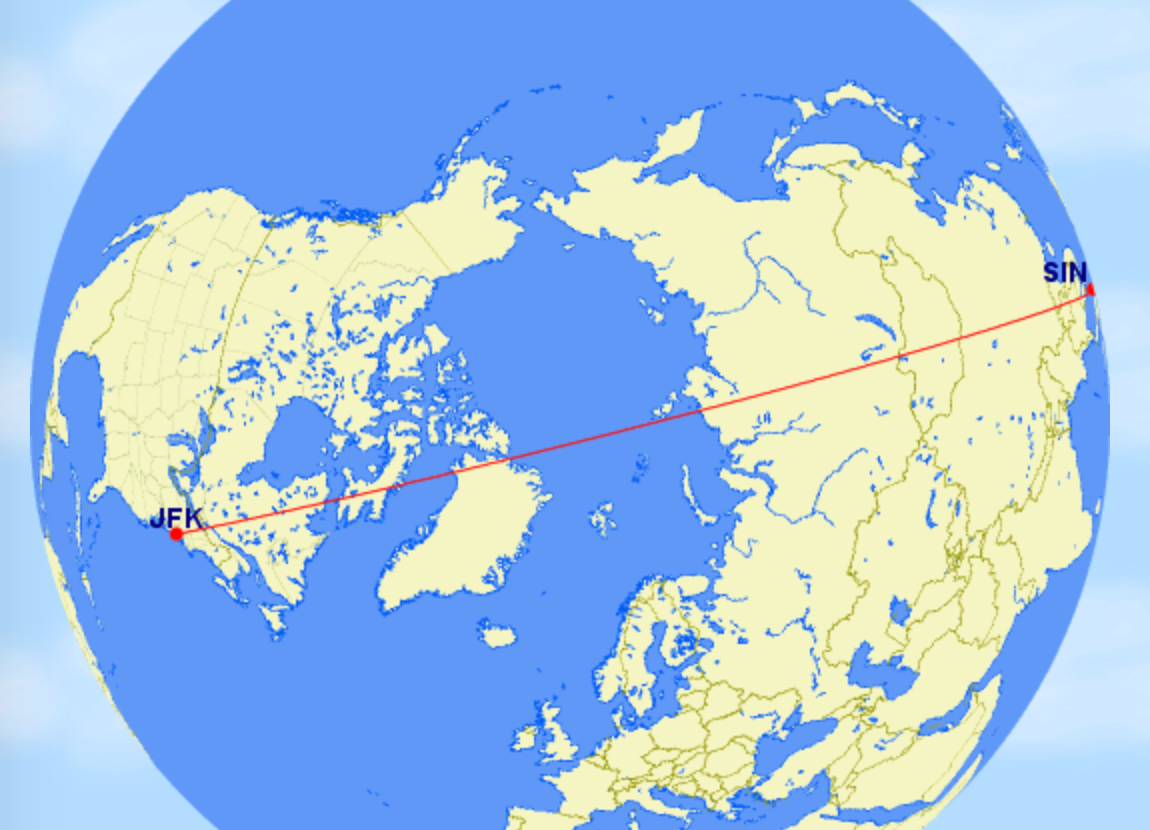
- From Sydney (SYD) / Melbourne (MEL): Currently, there are no direct flights from Australia to New York. A journey from Sydney would typically involve at least one stop (e.g., Los Angeles, Dallas, San Francisco) and total travel time could easily exceed 20-24 hours, including layovers.
For these ultra-long-haul trips, meticulous planning is essential. Considerations for long-term stay accommodation are vital, as you’ll want a comfortable base to recover and settle in before exploring New York’s incredible landmarks and tourism offerings. Many choose hotels or apartments that offer early check-in or have excellent amenities to ease the transition.
Optimizing Your New York Flight Experience
Regardless of where you’re flying from, there are numerous ways to enhance your journey to New York, turning what could be a tiring ordeal into a more pleasant part of your overall travel adventure. From smart booking strategies to in-flight comfort tips and seamless post-arrival transitions, a little foresight goes a long way.
Pre-Flight Preparations for a Smoother Journey
Your flight experience begins long before you reach the airport. Strategic planning can mitigate many common stressors. When considering your flight, weigh the trade-offs between direct and connecting flights. Direct flights, while often more expensive, save considerable time and reduce the risk of missed connections, making them ideal for business stays or short family trips where time is of the essence. For budget travel, connecting flights can offer significant savings.
The timing of your flight also matters. Red-eye flights (overnight) can allow you to sleep through a portion of the journey, arriving in New York refreshed and ready to start your day, particularly from West Coast USA or Europe. Booking during off-peak seasons (e.g., late winter, early fall) often means fewer crowds, potentially shorter queues at security, and more relaxed air travel.
Don’t underestimate the importance of seat selection. For longer flights, an aisle seat allows for easier movement, while a window seat offers views and a wall to lean on for sleep. Exit row seats provide extra legroom, a valuable commodity on any long-haul journey. Always check airline reviews and compare amenities through reputable platforms. Airlines catering to luxury travel in Business Class or First Class offer superior comfort, but even in Economy or Premium Economy, some airlines stand out for their service and seat comfort.
In-Flight Comfort and Productivity
Once aboard, focus on maintaining your well-being. Hydration is paramount; drink plenty of water and limit alcohol and caffeine, which can exacerbate jet lag. Regular movement is crucial, especially on flights over four hours. Get up, stretch, and walk the aisles when possible. Compression socks can help prevent swelling and improve circulation on extended journeys.
Entertainment can make hours fly by. Download movies, TV shows, podcasts, or audiobooks in advance. Bring a good book or use the flight time to catch up on work if you’re on a business stay. Noise-canceling headphones are a game-changer for creating a personal oasis amidst the cabin environment. For sleep, consider bringing an eye mask, earplugs, and a comfortable neck pillow. Try to adjust your sleep schedule to the New York time zone even before you land.
Post-Arrival: Seamless Transition to Your New York Adventure
Upon landing at JFK, LGA, or EWR, efficient onward travel to your accommodation is key. Each airport offers various transportation options, from airport express trains and shuttle buses to taxis and ride-sharing services. Researching these options beforehand will save you time and stress, especially if you’re heading directly into Manhattan or other specific boroughs.
Choosing the right accommodation is vital after a long flight. Look for hotels, suites, or apartments that match your lifestyle and needs – whether it’s a luxury hotel with excellent amenities for recovery, a family-friendly resort, or a cozy apartment for a long-term stay. Utilize platforms for hotel reviews and comparison to find the best fit. Once settled, prioritize acclimatization. Fresh air, a light meal, and a gentle walk can help combat jet lag and introduce you to New York’s vibrant energy. Begin your tourism adventure by exploring nearby landmarks, soaking in the unique local culture, and indulging in some delicious food, easing into the rhythm of this incredible city.
Conclusion
The question “How long is the flight to New York?” opens up a world of geographical, operational, and personal considerations. While a direct flight can range from a mere hour within the Northeast USA to a substantial 15+ hours from distant global hubs, the actual duration is a mosaic of factors including your origin, flight type, aircraft, and even the weather.
Ultimately, understanding these variables and preparing thoughtfully are the keys to a comfortable and enjoyable journey. By choosing appropriate flights, optimizing your in-flight comfort, and planning for a smooth post-arrival transition, you can minimize travel fatigue and maximize your time exploring New York’s incredible attractions and vibrant lifestyle. The journey itself, though sometimes long, is merely the prelude to the unforgettable experiences that await you in the city that never sleeps. Dive into our New York guides for more insights on hotels, tourism, and making the most of your adventure in the Big Apple.
LifeOutOfTheBox is a participant in the Amazon Services LLC Associates Program, an affiliate advertising program designed to provide a means for sites to earn advertising fees by advertising and linking to Amazon.com. Amazon, the Amazon logo, AmazonSupply, and the AmazonSupply logo are trademarks of Amazon.com, Inc. or its affiliates. As an Amazon Associate we earn affiliate commissions from qualifying purchases.