
Navigating the complexities of travel planning often begins with a fundamental question: how long will it take to reach your desired destination? For those dreaming of theme parks, sunshine, and the vibrant energy of Orlando, Florida, understanding flight durations is paramount. This guide delves into the factors influencing flight times to this popular tourist hub, offering insights for travelers departing from various regions across the globe.
Factors Influencing Flight Duration to Orlando
The perceived simplicity of “how long is the flight” belies a nuanced reality influenced by a multitude of variables. These elements, ranging from geographical distance to atmospheric conditions, collectively shape the total travel time to Orlando International Airport (MCO).
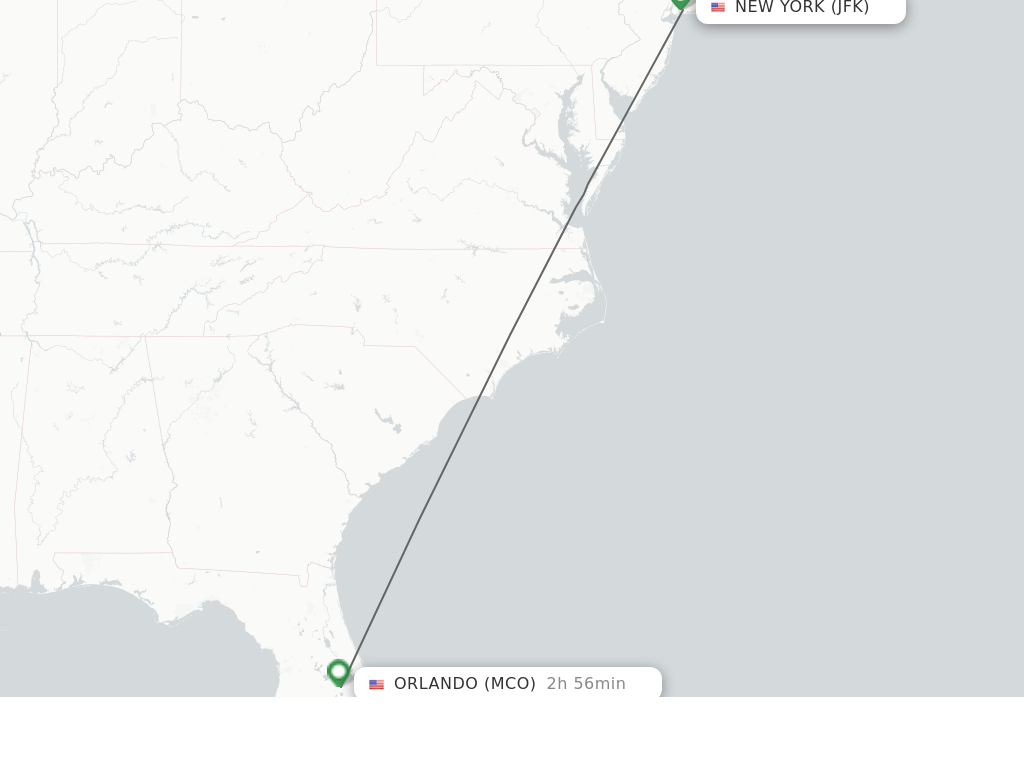
Distance and Departure Location
The most obvious determinant of flight length is the distance between your departure city and Orlando. Flights from the East Coast of the United States will naturally be shorter than those from the West Coast.
- Northeastern United States: Flights from cities like New York City, Boston, and Washington, D.C. typically range from 2.5 to 3.5 hours. These are often considered red-eye flights for some, offering a way to maximize daytime hours upon arrival.
- Midwestern United States: Journeys from cities such as Chicago, Detroit, and St. Louis usually fall between 3 to 4.5 hours. The slightly increased duration accounts for the greater westward trajectory.
- Southern United States: For travelers originating in states like Texas, Georgia, or Louisiana, flight times are generally between 2 to 3.5 hours, depending on the specific starting point. Many direct flights are available from major southern hubs.
- Western United States: Flights from cities like Los Angeles, San Francisco, and Seattle are significantly longer. Expect direct flight durations to be in the range of 5 to 6.5 hours. This westward-to-eastward transcontinental journey covers a substantial portion of the continent.
International Departures
For those traveling from outside the contiguous United States, flight times can vary dramatically.
- Canada: Flights from major Canadian cities like Toronto, Montreal, and Vancouver typically range from 3 to 5.5 hours. Flights from Eastern Canada are shorter, while those from the West Coast approach the durations seen from the US West Coast.
- Europe: Transatlantic flights from European capitals such as London, Paris, and Frankfurt generally take 8 to 10 hours. These are often overnight flights, allowing travelers to sleep and arrive in Orlando in the morning.
- South America: Flights from South American hubs like São Paulo, Buenos Aires, and Bogotá can range from 4.5 to 8 hours, depending on the proximity of the departure city to Florida.
- Asia and Oceania: These regions represent the longest travel times. Flights from major Asian cities like Tokyo or Singapore will involve at least one layover and typically exceed 20 hours of total travel time. Similarly, journeys from Australia will also involve significant layovers and extended durations, often in excess of 20-25 hours.
Direct vs. Connecting Flights
The presence or absence of a layover is a critical factor in determining your overall travel time. While direct flights offer the most straightforward and often shortest journey, connecting flights introduce additional variables.
- Direct Flights: These flights go from your departure airport to Orlando International Airport without any stops. The listed flight durations above primarily refer to direct flights. They are generally preferred for their convenience and time efficiency.
- Connecting Flights: These flights require you to change planes at an intermediate airport. The total travel time for a connecting flight includes the flight segments themselves, plus the layover duration. Layover times can range from under an hour to several hours. Common connection points for flights to Orlando include cities like Atlanta, Charlotte, Philadelphia, and Dallas. While sometimes offering lower fares, connecting flights can significantly extend your journey and increase the potential for travel disruptions.
Airline and Aircraft Type
While less impactful than distance or layovers, the specific airline and the type of aircraft used can contribute minor variations to flight times. Some aircraft are designed for higher cruising speeds, and airlines may sometimes choose slightly different flight paths based on their operational efficiencies. However, for most travelers, these differences are negligible compared to the major influencing factors.
Wind Speed and Weather Conditions
The prevailing winds play a significant role in air travel. Flights traveling eastbound generally benefit from tailwinds, which can shorten flight times. Conversely, westbound flights may encounter headwinds, extending their duration. These wind patterns are most pronounced at higher altitudes where commercial jets cruise. Severe weather conditions, such as thunderstorms or hurricanes, can also lead to flight delays or re-routings, thereby impacting the actual time spent in the air and on the ground.
Air Traffic Control and Airport Congestion
Air traffic control systems manage the flow of aircraft in and out of busy airspace. During peak travel times, aircraft may be required to circle before landing or experience delays on the tarmac due to congestion at Orlando International Airport or at their departure airport. This can add time to the overall journey, even if the in-air flight time is within the expected range.
Estimating Your Travel Time to Orlando

To accurately estimate your flight duration to Orlando, it’s essential to consider all the above factors. When booking your tickets, pay close attention to the advertised flight times and the details of any layovers.
Utilizing Online Flight Search Engines
Modern flight search engines are invaluable tools for determining flight durations. Websites and apps from airlines and aggregators allow you to input your departure city and desired destination, providing a list of available flights with their estimated durations.
- Filter by Direct Flights: If time is a critical factor, always filter your search results to show only direct flights.
- Review Total Travel Time: For connecting flights, ensure you understand the “total travel time,” which includes the layover period. This figure is often more crucial than the sum of individual flight segments for understanding your overall journey.
- Consider Time Zones: Remember to factor in time zone differences. While the flight may take X hours, you will arrive at a different local time due to these shifts. Orlando, Florida operates on Eastern Standard Time (EST) or Eastern Daylight Time (EDT).
Popular Departure Cities and Their Estimated Flight Times to Orlando
To provide a more tangible understanding, here are some estimated flight times from select major cities, assuming direct flights:
- New York City, NY to Orlando, FL: Approximately 2 hours 45 minutes to 3 hours 15 minutes.
- Los Angeles, CA to Orlando, FL: Approximately 5 hours to 5 hours 45 minutes.
- Chicago, IL to Orlando, FL: Approximately 3 hours 30 minutes to 4 hours.
- Toronto, ON to Orlando, FL: Approximately 3 hours to 3 hours 30 minutes.
- London, UK to Orlando, FL: Approximately 8 hours 30 minutes to 9 hours 30 minutes.
These are average times and can fluctuate based on the specific airline, route, and real-time conditions.
Preparing for Your Flight to Orlando
Once you have a clear understanding of your flight duration, you can better prepare for your journey.
Packing for the Flight
Consider the length of your flight when packing your carry-on bag. For longer flights, essentials like a neck pillow, entertainment (books, downloaded movies), snacks, and comfortable clothing are advisable. For shorter flights, these may be less critical but still contribute to a more pleasant experience.
Entertainment and Comfort
Whether it’s a short hop from the Northeast or a long haul from across the ocean, ensuring comfort is key. Many airlines offer in-flight entertainment systems, but it’s always wise to have your own backups. Noise-canceling headphones can be a lifesaver on longer journeys, helping you relax or sleep.
Jet Lag Considerations
For international travelers, especially those coming from Europe or further afield, jet lag can be a significant factor. Understanding the time difference and planning to adjust your sleep schedule upon arrival can mitigate its effects. Staying hydrated during the flight and getting some sunlight upon landing are common recommendations.
Arrival at Orlando International Airport
Upon arrival at MCO, remember to factor in time for deplaning, retrieving luggage (if applicable), and transportation to your final destination, whether it’s a hotel in the Disney World area, a resort on International Drive, or another Orlando attraction. Rental car facilities, shuttle services, and ride-sharing options are readily available.

Conclusion
The question of “How Long Is The Flight To Orlando, Florida?” is answered by a combination of geography, flight choices, and operational factors. By understanding these elements and utilizing available resources, travelers can accurately gauge their journey time and plan their magical trip to Orlando with confidence. Whether you’re flying from just a few states away or from halfway around the world, a little planning goes a long way in ensuring a smooth and enjoyable travel experience to the heart of Florida’s entertainment capital.
LifeOutOfTheBox is a participant in the Amazon Services LLC Associates Program, an affiliate advertising program designed to provide a means for sites to earn advertising fees by advertising and linking to Amazon.com. Amazon, the Amazon logo, AmazonSupply, and the AmazonSupply logo are trademarks of Amazon.com, Inc. or its affiliates. As an Amazon Associate we earn affiliate commissions from qualifying purchases.