
Embarking on a journey from the sun-drenched shores of Los Angeles to the vibrant metropolis of Tokyo is an adventure that spans continents and cultures. A common question that arises when planning this trans-Pacific voyage is, “How long is the flight to Tokyo from Los Angeles?” The answer, while seemingly straightforward, involves several nuances dependent on flight type, routing, and even the whims of atmospheric conditions. Generally, direct flights are the most sought-after for their efficiency, minimizing travel time and the hassle of layovers.
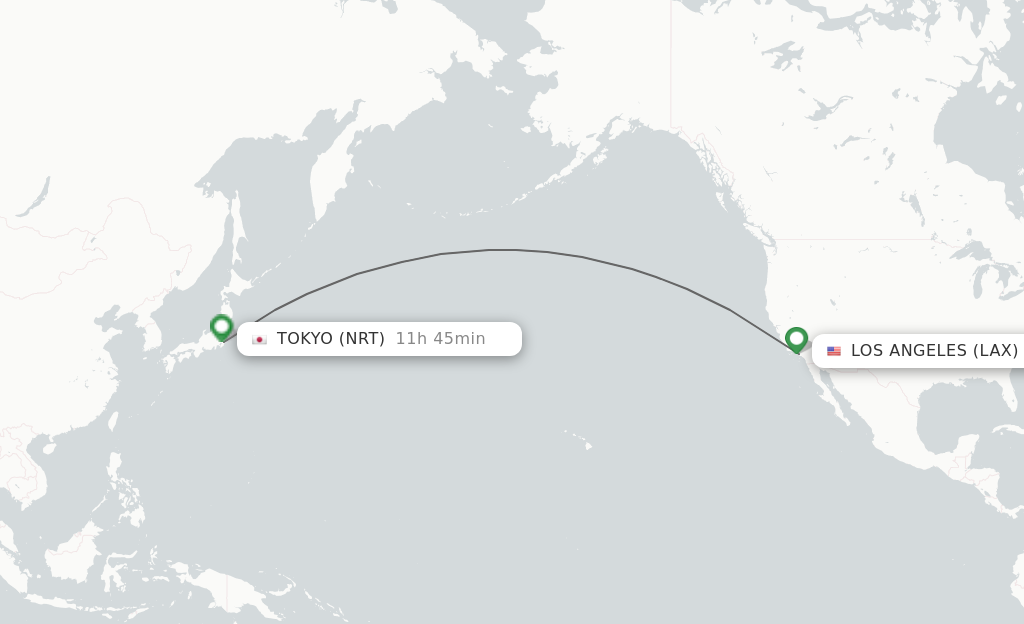
The typical duration for a non-stop flight from Los Angeles International Airport (LAX) to Tokyo Narita International Airport (NRT) or Tokyo Haneda Airport (HND) hovers between 10.5 and 12 hours. This timeframe can fluctuate slightly based on factors such as prevailing headwinds or tailwinds. For instance, a flight traveling eastward from Tokyo to Los Angeles is often shorter due to the influence of the jet stream. Conversely, the westward journey from Los Angeles to Tokyo can experience headwinds, extending the flight duration.
Understanding Flight Durations: Direct vs. Connecting Flights
While a direct flight offers the most expedient route, many travelers opt for connecting flights, often for cost savings or the opportunity to break up the long journey. These flights will invariably add significant time to your travel itinerary. A connecting flight typically involves one or more layovers in a third city, such as Seattle, San Francisco, Vancouver, or even cities on the eastern side of the United States or along the North American west coast.
The total travel time for a connecting flight can range dramatically, from a minimum of 14-15 hours to upwards of 24 hours or more. This significant difference is primarily due to the layover duration. A short layover might be as brief as two hours, while a longer one could be six, eight, or even twelve hours, allowing for a substantial pause between flights. The choice between a direct and connecting flight often comes down to a balance between time sensitivity and budget. For those prioritizing speed and convenience, direct flights are paramount. However, if budget is a primary concern, a connecting flight with a well-timed layover can offer considerable savings. It’s essential to carefully review the total travel time, including layovers, when comparing flight options to ensure it aligns with your expectations and schedule.
Factors Influencing Flight Time
Beyond the choice of a direct or connecting flight, several other factors can influence the actual time spent in the air. Understanding these can help set realistic expectations for your journey to the Land of the Rising Sun.
Jet Streams and Air Currents
The Earth’s atmosphere is in constant motion, with powerful air currents known as jet streams playing a significant role in flight times. These fast-flowing, narrow air currents are typically found at high altitudes. When a flight is traveling in the same direction as a jet stream (a tailwind), it can significantly reduce the flight duration as the aircraft effectively gets a “push.” Conversely, flying against a jet stream (a headwind) will increase the flight time as the aircraft has to work harder to make progress. The speed and position of these jet streams can vary seasonally and even daily, meaning that flight times on the same route can differ even on consecutive days. Airlines monitor these conditions closely and adjust flight paths to optimize for efficiency and safety.
Aircraft Type and Speed
While the difference might be marginal on such long-haul routes, the specific aircraft model utilized by an airline can also contribute to slight variations in flight time. Different aircraft have varying cruising speeds, though most modern wide-body jets used for trans-Pacific flights operate within a relatively similar speed range. Factors like fuel efficiency also play a role in how airlines choose to operate their aircraft on specific routes.
Air Traffic Control and Flight Path Optimization
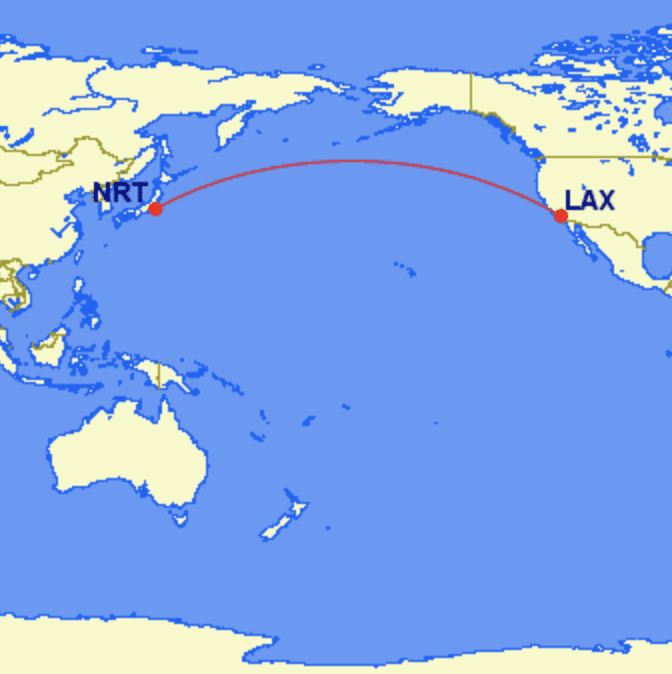
The skies are a complex network managed by air traffic control (ATC) systems worldwide. While the most direct route between Los Angeles and Tokyo is a great circle route, ATC might direct aircraft along slightly different paths due to traffic congestion, weather patterns, or restricted airspace. These deviations, though usually minor, can add a few minutes to the overall flight duration. Airlines and pilots constantly work with ATC to ensure the most efficient and safe flight path is maintained.
Time Zones and “Lost” Time
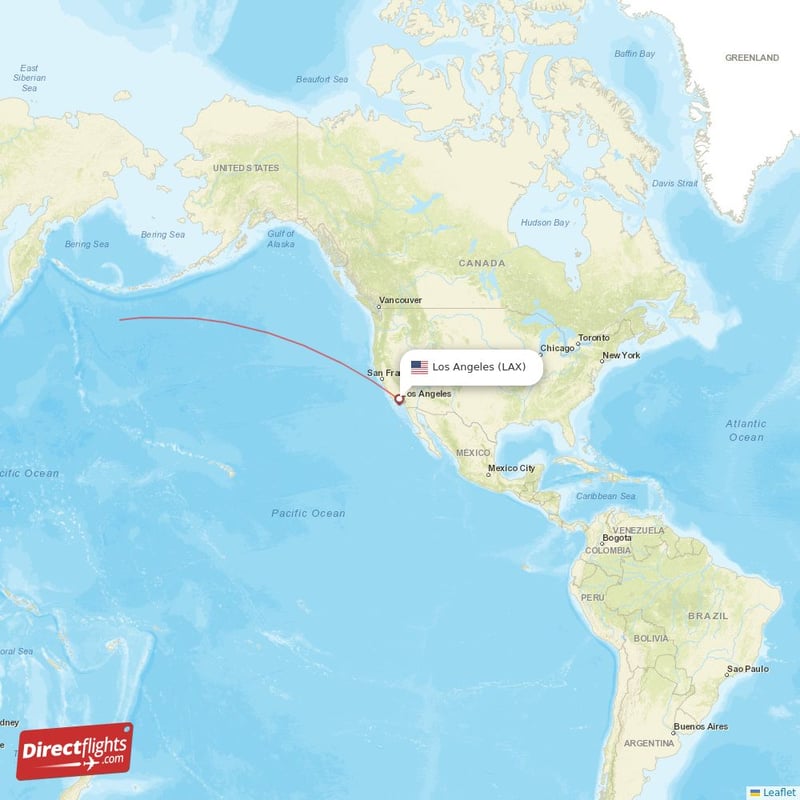
It’s crucial to remember that when you fly from Los Angeles to Tokyo, you are crossing the International Date Line. This means you will “lose” a day. For example, if you depart Los Angeles on a Monday, you will likely arrive in Tokyo on a Tuesday, despite the flight duration being less than 24 hours. This temporal shift is a consequence of traversing time zones and is an important consideration when planning arrival times and onward travel. The difference in time between Los Angeles (Pacific Time Zone) and Tokyo (Japan Standard Time) is 16 hours.
Preparing for Your Journey: Tips for a Comfortable Flight
A flight of 10-12 hours, or significantly longer with layovers, requires some preparation to ensure a comfortable and enjoyable experience. Considering the vast distance and the shift in time zones, arriving in Tokyo feeling refreshed is paramount to enjoying your initial explorations of this captivating city.
In-Flight Comfort and Entertainment
Most long-haul flights from Los Angeles to Tokyo are operated by wide-body aircraft that offer a range of amenities designed for passenger comfort. This typically includes in-flight entertainment systems with a wide selection of movies, TV shows, music, and games. It’s a good idea to download some personal entertainment onto your devices before you depart, just in case the onboard selection doesn’t suit your tastes or if you prefer your own content.
Comfort is key on such a lengthy journey. Wearing loose, comfortable clothing is highly recommended. Layers are also beneficial, as cabin temperatures can fluctuate. Bringing a neck pillow, an eye mask, and earplugs can significantly improve your ability to rest or sleep. Staying hydrated is crucial; drink plenty of water throughout the flight and limit your intake of alcohol and caffeine, which can contribute to dehydration. Many airlines provide blankets and pillows, but you might prefer bringing your own travel blanket for added warmth and comfort.
Navigating Time Zones and Jet Lag
The significant time difference between Los Angeles and Tokyo will inevitably lead to jet lag. This disruption to your body’s internal clock can manifest as fatigue, insomnia, digestive issues, and difficulty concentrating. To mitigate its effects, try to adjust your sleep schedule gradually in the days leading up to your flight. Once onboard, try to sync your sleep and wake cycles with Tokyo time as much as possible. If it’s nighttime in Tokyo, try to sleep on the plane; if it’s daytime, try to stay awake and engage in activities.
Upon arrival in Tokyo, expose yourself to natural sunlight, especially in the morning. Light is a powerful regulator of the circadian rhythm. Engage in light physical activity, avoid heavy meals close to bedtime, and try to stick to Tokyo mealtimes. While some travelers find melatonin supplements helpful, it’s advisable to consult with a healthcare professional before use. Patience and adherence to these strategies will help you adjust more quickly and enjoy your exploration of Japan, from its futuristic cityscapes to its serene temples.
Arrival in Tokyo: First Steps and Getting Around
Upon arrival at Tokyo Narita International Airport or Tokyo Haneda Airport, you’ll be stepping into a world of efficiency and meticulous organization. The airport facilities are modern and well-equipped, with clear signage in both Japanese and English to guide you through immigration, customs, and baggage claim.
Transportation from the Airport to the City Center
Several convenient options exist for traveling from the airport to your accommodation in Tokyo. For those heading to central Tokyo, the Narita Express train is a popular and comfortable choice, offering direct services to major stations like Tokyo Station, Shinjuku, and Shibuya. The journey typically takes between 60 to 90 minutes. Another efficient option from Narita is the Keisei Skyliner, which provides a faster, though slightly less direct, route to Ueno Station.
From Haneda Airport, which is closer to the city center, you have even more direct options. The Keikyu Line and Tokyo Monorail offer quick and easy access to various parts of the city, including Hamamatsucho and Shinagawa stations, from where you can connect to Tokyo’s extensive subway and train network. Taxis are also available, but they are considerably more expensive and can be subject to traffic delays. For those seeking a budget-friendly option, airport limousine buses serve many major hotels and areas within Tokyo.
Once you’ve reached your hotel or chosen accommodation, whether it’s a luxurious suite at a hotel like the Park Hyatt Tokyo, a charming boutique hotel in Asakusa, or a cozy apartment for a longer stay, you’ll be ready to begin your urban exploration. Remember to activate a Japan Rail Pass if you have one, or purchase a Suica or Pasmo card for seamless travel on public transport. The efficient public transportation system in Tokyo is one of its greatest assets, allowing you to navigate this sprawling metropolis with ease and discover its many wonders, from ancient landmarks to modern marvels.
LifeOutOfTheBox is a participant in the Amazon Services LLC Associates Program, an affiliate advertising program designed to provide a means for sites to earn advertising fees by advertising and linking to Amazon.com. Amazon, the Amazon logo, AmazonSupply, and the AmazonSupply logo are trademarks of Amazon.com, Inc. or its affiliates. As an Amazon Associate we earn affiliate commissions from qualifying purchases.