
The Los Angeles Marathon is more than just a race; it’s a vibrant celebration of fitness, community, and the iconic cityscape of Los Angeles. For many, the prospect of conquering 26.2 miles through the heart of Southern California is an aspirational goal, a personal Everest to scale. Understanding the length of this celebrated event is fundamental for participants, spectators, and anyone curious about the sheer scale of this athletic endeavor. While the official distance of a marathon is standardized globally, the specific course of the Los Angeles Marathon offers unique challenges and breathtaking views that contribute to its distinctive character.
Understanding Marathon Distances: A Global Standard
Before delving into the specifics of the Los Angeles Marathon, it’s crucial to establish the universal definition of a marathon. The standard marathon distance is 26 miles and 385 yards, which translates to approximately 42.195 kilometers. This precise measurement has a storied history, stemming from the 1908 Olympic Games in London. Legend has it that the race distance was extended so the royal family could have a clear view from Windsor Castle to the finish line at Wembley Stadium. Regardless of the exact origin, this distance has become the gold standard for marathon races worldwide, ensuring that every runner, from amateurs to elite athletes, is competing on the same, globally recognized course length.
The Significance of the Standardized Distance
The standardization of the marathon distance is vital for several reasons. It allows for:
- Fair Competition: Athletes can compare their performance against records and personal bests across different races and eras.
- Training Precision: Runners can meticulously plan their training regimens, knowing the exact mileage they need to cover.
- World Records: The establishment of official world records is only possible with a consistent and measured course.
- Global Recognition: It fosters a sense of unity among marathon runners, regardless of their geographical location.
Therefore, when asking “How long is the [Los Angeles Marathon]?”, the immediate answer is the universally accepted 26.2 miles. However, the experience of traversing that distance within the unique environment of Los Angeles is what truly defines this particular event.
The Los Angeles Marathon Course: A Journey Through the City of Angels
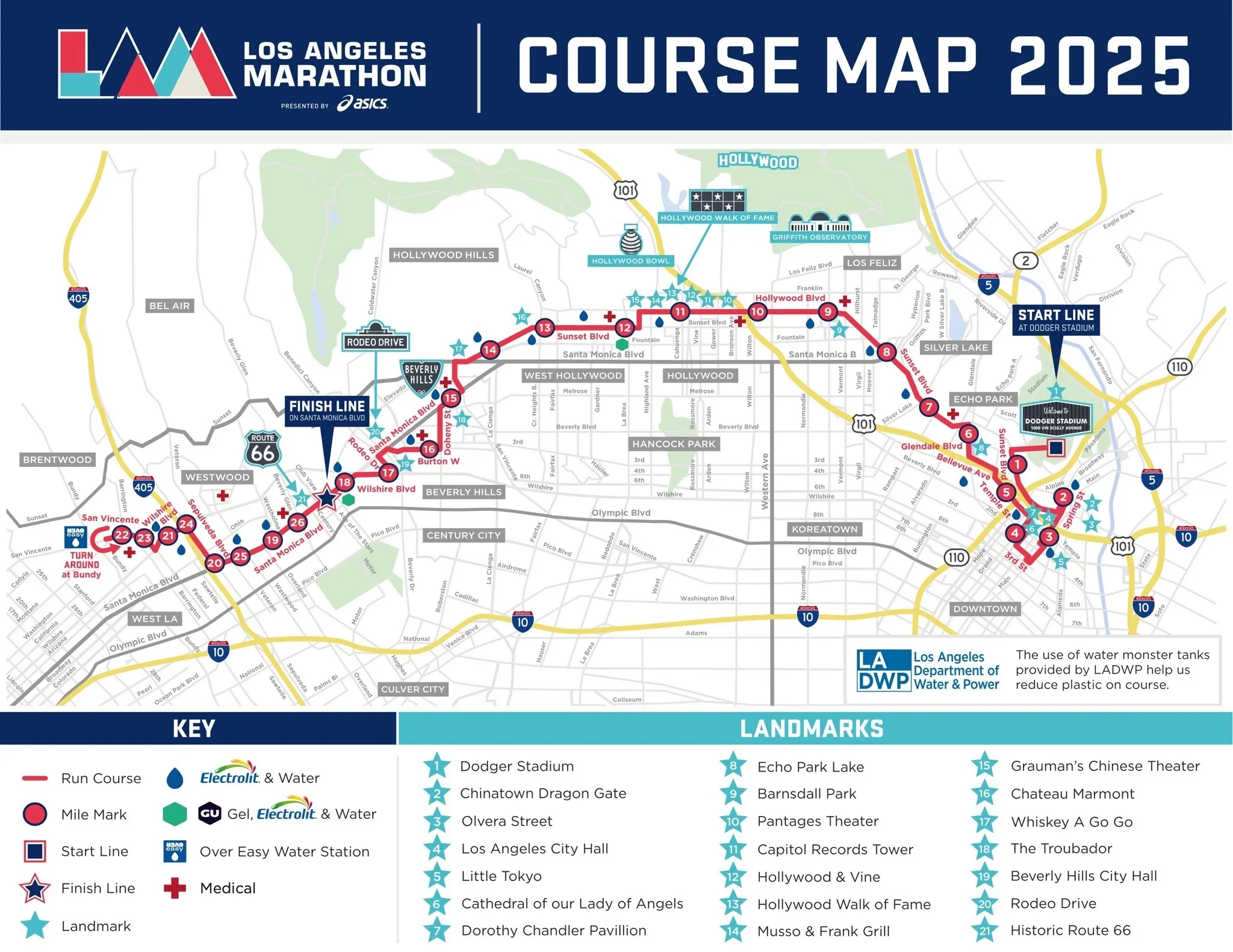
The Los Angeles Marathon is renowned for its scenic and diverse course, which typically winds its way from Dodger Stadium in Elysian Park to the iconic waterfront of Santa Monica. This journey covers the standard marathon distance of 26.2 miles, but the route itself is a significant part of the event’s appeal and challenge. Over the years, the course has seen minor adjustments, but its core elements have remained consistent, offering runners a captivating tour of Los Angeles landmarks and neighborhoods.
Key Stages of the Los Angeles Marathon Course:
The typical course presents a dynamic landscape, with varied terrains and elevations that test a runner’s endurance and adaptability.
The Start: Elysian Park and Dodger Stadium
The race usually kicks off in the picturesque surroundings of Elysian Park, near the historic Dodger Stadium. This starting point provides a dramatic backdrop, with early miles descending through the park and into the bustling streets of downtown Los Angeles. Runners often experience a net downhill for the first few miles, which can be deceptive, requiring careful pacing to avoid expending too much energy too early.
Through Downtown and Westward Bound
As runners leave the starting area, they are immediately immersed in the urban heart of Los Angeles. The course typically takes them past significant architectural landmarks and through diverse neighborhoods, showcasing the city’s dynamic blend of history and modernity. This stretch often involves more gradual inclines and declines, requiring a steady rhythm.

The Heart of the City: Hollywood and Beverly Hills
A celebrated section of the course often passes through the glitz and glamour of Hollywood and the affluent streets of Beverly Hills. Runners might catch glimpses of famous landmarks, and the energy of the crowds here is typically electric, providing a significant morale boost. This part of the race can present rolling hills, demanding mental fortitude and physical resilience.
The Westside and Towards the Finish
The latter stages of the Los Angeles Marathon involve traversing the Westside of the city. This section can include passages through areas like Westwood and Century City, often characterized by more sustained climbs and descents as the course navigates the varied topography. As the finish line approaches, the anticipation builds, with the Pacific Ocean coming into view.
The Finish Line: Santa Monica Beach
The culmination of the 26.2 miles is typically at the picturesque finish line near the Santa Monica Pier and the Pacific Ocean. Crossing this line signifies the completion of an epic journey, a testament to months of training and dedication. The salty air and the sound of the waves provide a fitting and triumphant end to the race.
Variations and Considerations
While the general route remains consistent, the exact placement of start and finish lines, as well as the specific streets used, can be subject to minor alterations year to year due to logistical considerations, city planning, or special events. It is always advisable for participants to consult the official race website for the most current and detailed course map. The elevation profile of the Los Angeles Marathon is often described as challenging, with significant inclines and declines throughout, making it a demanding test for even experienced runners.
Beyond the Miles: The Los Angeles Marathon as an Experience
The length of the Los Angeles Marathon – 26.2 miles – is a definitive measure, but the true essence of the event lies in the experience it offers. It’s a journey that connects participants with the vibrant spirit of Los Angeles, showcasing its diverse neighborhoods, iconic landmarks, and the unwavering enthusiasm of its residents. For runners, it’s an opportunity to push their physical and mental limits, to achieve a deeply personal goal amidst a spectacular urban backdrop.
Participant Perspectives
From the elite athletes striving for victory to the recreational runners crossing the finish line with pride, the Los Angeles Marathon provides a unique platform for achievement. The carefully designed course, stretching the standard marathon distance, ensures that runners experience a broad spectrum of the city. This journey is not just about covering ground; it’s about immersing oneself in the culture, the energy, and the sheer scale of one of America’s most dynamic metropolises.
Spectator Engagement
For those not running, the Los Angeles Marathon offers a fantastic opportunity to experience the city in a unique way. Spectators line the route, cheering on participants, creating an atmosphere of shared accomplishment and community spirit. The length of the race means there are countless vantage points to witness the event unfold, from the initial energy at the start to the triumphant finish. Many choose to follow specific sections, perhaps near landmarks like the Hollywood Walk of Fame or along the scenic coastal roads of Santa Monica, making the 26.2 miles a digestible and engaging spectacle.

Training and Preparation
The 26.2-mile distance of the Los Angeles Marathon necessitates rigorous training. Months of dedication, adherence to training plans, and mental preparation are crucial for success. Runners often incorporate runs through various terrains that mimic the challenges of the actual course, including hills and urban environments. Understanding the length and the demands of the route is the first step in a successful marathon journey.
In conclusion, the Los Angeles Marathon is exactly 26.2 miles long, a standard marathon distance. However, the true measure of this event is found not just in its mileage but in the unforgettable experience it provides, traversing the diverse and inspiring landscape of Los Angeles from start to triumphant finish.
LifeOutOfTheBox is a participant in the Amazon Services LLC Associates Program, an affiliate advertising program designed to provide a means for sites to earn advertising fees by advertising and linking to Amazon.com. Amazon, the Amazon logo, AmazonSupply, and the AmazonSupply logo are trademarks of Amazon.com, Inc. or its affiliates. As an Amazon Associate we earn affiliate commissions from qualifying purchases.