
The Mississippi River, a name that conjures images of Mark Twain, paddlewheel steamboats, and a sprawling, verdant landscape, is more than just a waterway; it’s the lifeblood of America and a legendary route steeped in history, culture, and natural beauty. For avid travelers, history buffs, and those seeking an authentic American experience, understanding the sheer scale of this iconic river is the first step in planning an unforgettable journey. But exactly how long is the Mississippi River? The answer, while seemingly straightforward, carries layers of geographical intrigue that only deepen its allure as a premier travel destination.

This article delves into the precise length of the Mississippi River, exploring its majestic course from its humble beginnings to its vast delta. Beyond the numbers, we’ll uncover the diverse landscapes, vibrant cities, and rich cultural tapestry woven along its banks, offering insights into why this river system remains a top choice for tourism, accommodation, and lifestyle experiences across ten different U.S. states. Whether you dream of a luxurious river cruise, a budget-friendly road trip, or a family adventure exploring historical landmarks, the Mississippi promises a journey unlike any other.
The Mighty Mississippi River: Unraveling Its True Length
Determining the exact length of a river can be surprisingly complex, subject to scientific measurement techniques and even a touch of historical debate. For the Mississippi River, the generally accepted length is 2,340 miles (3,766 kilometers). This measurement specifically refers to the distance from its official source at Lake Itasca in Minnesota to its mouth in the Gulf of Mexico.
Defining the Mississippi: From Source to Sea
The journey of the Mississippi begins as a modest stream trickling out of Lake Itasca, a small glacial lake situated in Itasca State Park, Minnesota. From this serene, wooded setting, the river embarks on a monumental southward trek, carving a path through the heartland of America before emptying into the Gulf of Mexico in Louisiana.
However, to fully appreciate the scale of the Mississippi River system, one must consider its largest tributary, the Missouri River. When combined, the Missouri-Mississippi River system becomes the longest river in North America and the fourth-longest in the world, stretching approximately 3,710 miles (5,970 kilometers) from the Missouri’s headwaters in Montana to the Gulf of Mexico. The confluence of the Missouri and Mississippi rivers just north of St. Louis, Missouri, is a powerful geographical landmark, dramatically increasing the volume and breadth of the mighty Mississippi as it continues its southern course. Another significant tributary, the Ohio River, joins further downstream near Cairo, Illinois, further amplifying its flow. This extensive network of rivers defines a significant portion of the United States geography and serves as a vital corridor for commerce, culture, and travel.
A Journey Through America’s Heartland: States and Major Cities
The Mississippi River flows through or borders ten U.S. states: Minnesota, Wisconsin, Iowa, Illinois, Missouri, Kentucky, Tennessee, Arkansas, Mississippi (the state), and Louisiana. Each state offers a unique perspective on the river, contributing to its diverse character and providing countless opportunities for exploration and cultural immersion.
The Upper Mississippi: From Wilderness to Urban Sprawl
Beginning in Minnesota, the Upper Mississippi section is characterized by its transformation from pristine wilderness to bustling urban centers. After departing from the tranquil Headwaters of the Mississippi at Lake Itasca, the river gradually widens as it flows past the vibrant Twin Cities of Minneapolis and St. Paul. Here, visitors can explore urban riverfront parks, historic bridges, and cultural attractions like the Mill City Museum.
Further south, the river forms the border between Minnesota and Wisconsin, then between Iowa and Illinois. This stretch is renowned for its scenic bluffs, charming river towns, and abundant wildlife. The Upper Mississippi River National Wildlife and Fish Refuge, stretching for hundreds of miles, offers incredible opportunities for birdwatching, fishing, and boating. Towns like Dubuque, Iowa, boast attractions such as the National Mississippi River Museum & Aquarium, making them perfect stops for family trips or educational excursions. Accommodation options here range from cozy bed and breakfasts overlooking the river to modern hotels in cities like Davenport, Iowa, catering to various budget and lifestyle preferences.
The Middle Mississippi: Confluence and Crossroads
As the Mississippi continues its journey, it enters the Middle Mississippi region, marked by its dramatic confluence with the Missouri River. This section traverses Missouri, Illinois, Kentucky, and Tennessee, defining a historical crossroads of trade, migration, and conflict.
The iconic city of St. Louis, Missouri, stands as a monumental landmark on the river, symbolized by the majestic Gateway Arch National Park. St. Louis offers a blend of historic architecture, diverse culinary scenes, and vibrant nightlife, making it an excellent stop for both luxury travelers and those on a budget. Further south, the river sweeps past Memphis, Tennessee, the birthplace of the blues and the home of rock and roll. Travelers can immerse themselves in the city’s rich musical heritage on Beale Street, visit Graceland, and savor world-famous barbecue. The city offers a wide array of hotels, from boutique properties in historic districts to large resorts, often with excellent reviews for service and amenities.
The Lower Mississippi: Southern Charms and Delta Rhythms
The Lower Mississippi is perhaps the most romanticized stretch of the river, flowing through Arkansas, Mississippi (state), and Louisiana. This is the land of the deep south, characterized by vast cotton fields, antebellum plantations, and the distinct rhythms of Cajun Country and the Mississippi Delta.
Historic towns like Vicksburg and Natchez in Mississippi offer a glimpse into the Civil War era and the opulent plantation lifestyle. Vicksburg National Military Park is a somber yet compelling landmark, while Natchez boasts some of the most beautifully preserved antebellum homes, many of which now operate as charming bed and breakfasts, offering unique accommodation experiences. The scenic Natchez Trace Parkway provides a picturesque alternative to driving directly along the river.

Finally, the river reaches its grand finale in Louisiana, passing through the state capital of Baton Rouge before culminating in the incomparable New Orleans. This vibrant city is a melting pot of French, Spanish, African, and American cultures, famous for its jazz music, Creole cuisine, and the festive atmosphere of the French Quarter and Garden District. From luxurious suites in historic hotels to charming guesthouses and budget-friendly apartments, New Orleans caters to every type of traveler looking for an authentic and unforgettable experience.
Experiences Along the River: Travel, Culture, and Adventure
Exploring the Mississippi River offers a tapestry of travel experiences, blending adventure with deep cultural immersion. The river is not just a geographical feature; it’s a living, breathing entity that shapes the lives, traditions, and economies of the regions it touches.
Cruises and Road Trips: Navigating the River’s Embrace
For those seeking a leisurely and comprehensive view of the river, a river cruise is an unparalleled option. Modern paddlewheel steamboats and luxury cruise lines offer multi-day journeys, providing comfortable accommodation, gourmet dining, and guided excursions to river towns and historic sites. These cruises cater to diverse preferences, from luxury travel with all-inclusive amenities to more focused cultural or historical tours. Imagine waking up to a different scenic view each day, with expert guides bringing the river’s history to life. This type of travel often receives glowing reviews for its unique perspective on America’s interior.
Alternatively, a road trip along the Great River Road offers immense flexibility and allows travelers to explore at their own pace. This scenic byway parallels the Mississippi for its entire length, providing access to charming small towns, state parks, and hidden gems. Whether you prefer luxury resorts for overnight stays or budget-friendly motels, the Great River Road accommodates all travel styles, making it ideal for family trips, solo adventurers, or couples seeking a romantic getaway. Self-driving allows for spontaneous detours to local attractions, enabling a deeper dive into local culture and cuisine.
Culinary Delights and Musical Traditions
The regions along the Mississippi are a culinary paradise. From the hearty, farm-to-table Midwestern fare in the Upper Mississippi to the smoky barbecue of Memphis and the spicy, aromatic flavors of Cajun and Creole cuisine in Louisiana, the river offers a gastronomic adventure. Food tours, cooking classes, and visits to local markets are popular activities that immerse travelers in the local food scene.
Musically, the Mississippi is the cradle of American music. The Delta blues originated here, giving rise to jazz in New Orleans and inspiring rock and roll in Memphis. Visitors can trace these musical roots by visiting legendary clubs, museums, and historical markers. Many towns host vibrant music festivals throughout the year, offering an authentic cultural experience that resonates with the rhythm of the river.
Planning Your Mississippi River Exploration: Accommodation and Tips
Embarking on a journey along the Mississippi River requires thoughtful planning, especially when it comes to accommodation and making the most of your travel budget.
Historic Stays and Modern Comforts
The variety of accommodation along the Mississippi River is as diverse as the river itself. In larger cities like Minneapolis, St. Louis, Memphis, and New Orleans, you’ll find everything from luxurious five-star resorts and boutique hotels offering top-tier amenities to globally recognized hotel chains and stylish serviced apartments. Many of these properties boast stunning river views or are located within historic districts, providing an immersive experience.
For a more intimate and unique experience, consider staying in charming bed and breakfasts, particularly in towns like Natchez or along the Upper Mississippi. These often come with rave reviews for their personalized service and local insights. Budget travelers will find plenty of affordable motels and campgrounds, especially when exploring the more rural stretches or taking advantage of long-term stay options in certain areas. Websites offering booking and comparison tools are invaluable for finding the best deals and reading reviews to ensure your chosen accommodation meets your expectations.
Essential Tips for River Travelers
- Best Time to Visit: Spring (April-May) and Fall (September-October) offer the most pleasant weather for river travel, avoiding the summer heat and humidity of the Southern United States and the winter chill of the upper river. These seasons also bring vibrant foliage or blooming wildflowers.
- Transportation: While driving the Great River Road is popular, consider mixing it with segments of river cruising, or even utilize Amtrak’s City of New Orleans train for a different perspective, connecting Chicago to New Orleans via several river towns.
- Activities: From fishing, kayaking, and hiking in state parks to visiting museums, historical sites, and attending live music performances, plan your activities based on your interests. Many cities offer excellent local culture tours and food experiences.
- Booking in Advance: Especially for popular river cruises, unique accommodations, or during peak festival seasons (like Mardi Gras in New Orleans), booking well in advance is highly recommended to secure your preferred options and potentially better rates.
Beyond the Miles: The Mississippi’s Enduring Legacy
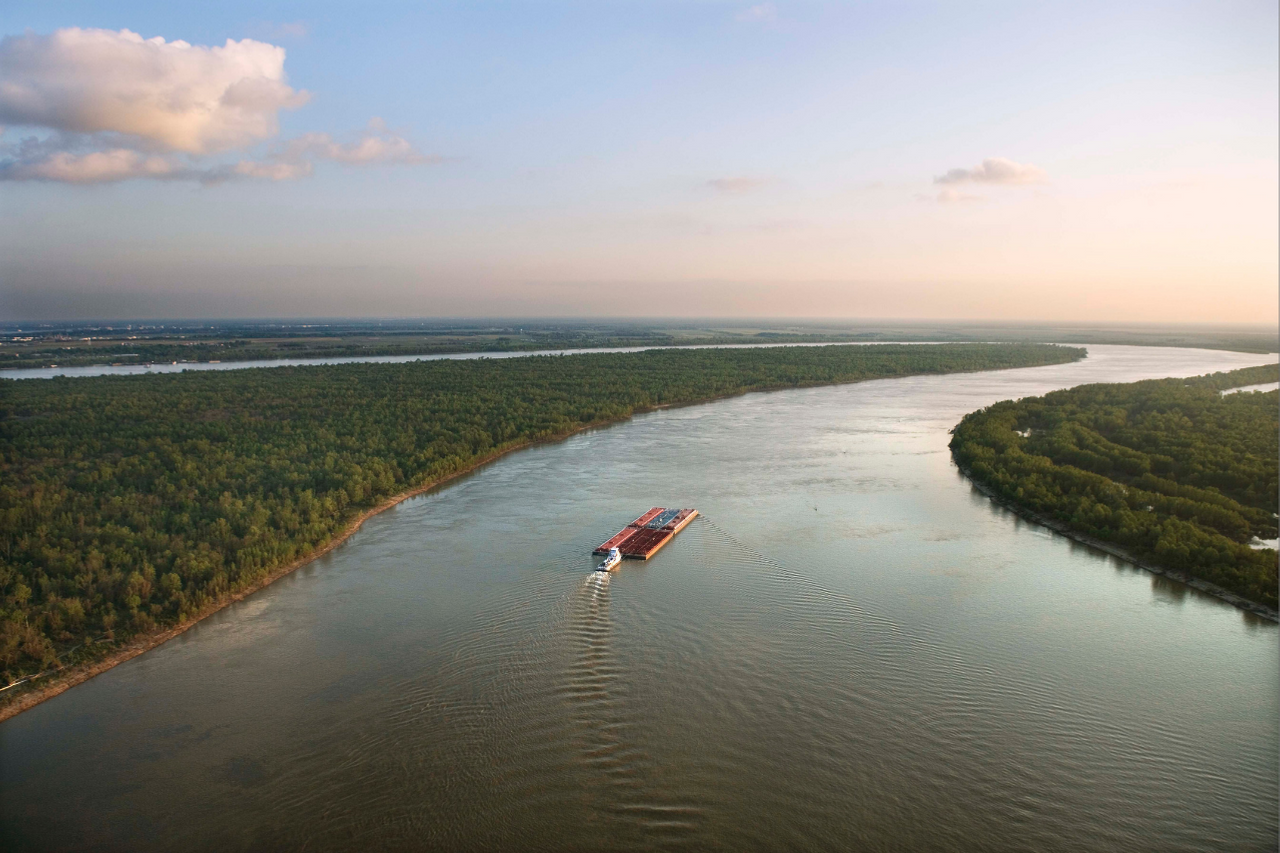
The question “How long is the Mississippi River?” goes beyond a simple number. It speaks to the vastness of its influence and the myriad experiences it offers. Known affectionately as “Old Man River,” the Mississippi has shaped not only the geography of America but also its history, economy, and cultural identity. From its critical role in trade and transportation to its profound impact on literature, music, and civil rights, the river is an indelible part of the American narrative.
Whether you’re traversing its entire 2,340 miles or exploring just a segment, a journey along the Mississippi River is a deeply rewarding experience. It’s an invitation to connect with the soul of America, offering a unique blend of adventure, relaxation, and profound cultural insight that resonates long after the journey ends. The majestic Mississippi truly is a landmark destination, promising rich experiences for every type of traveler.
LifeOutOfTheBox is a participant in the Amazon Services LLC Associates Program, an affiliate advertising program designed to provide a means for sites to earn advertising fees by advertising and linking to Amazon.com. Amazon, the Amazon logo, AmazonSupply, and the AmazonSupply logo are trademarks of Amazon.com, Inc. or its affiliates. As an Amazon Associate we earn affiliate commissions from qualifying purchases.