
The allure of crossing the Atlantic, from the bustling energy of New York to the historic charm of London, is a perennial draw for travelers. Whether you’re embarking on a transatlantic adventure for business, leisure, or a bit of both, one of the most fundamental questions that arises is: “How long is the flight from New York to London?” This query, seemingly simple, opens a gateway to understanding travel times, factors influencing them, and what to expect during this significant journey.
The flight duration between these two iconic global cities is a key piece of information for planning any trip. It dictates how much time you’ll spend in the air, influences potential jet lag, and plays a role in selecting flights that best suit your schedule and comfort preferences. While a direct flight might seem like a single, straightforward duration, a closer look reveals a nuanced picture influenced by various elements, from aircraft type to atmospheric conditions.
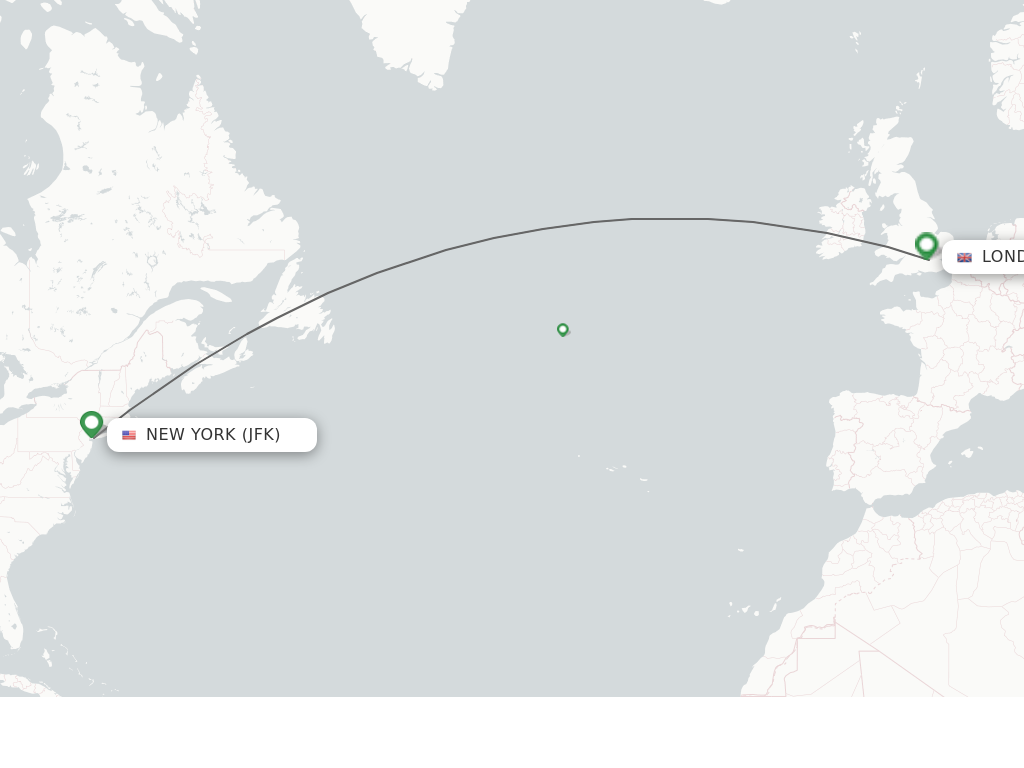
Direct Flights: The Fastest Route Across the Atlantic
When time is of the essence, direct flights are the undisputed champions for traversing the distance between New York and London. These non-stop journeys offer the most efficient way to reach your destination, minimizing travel time and the hassle of layovers.
Typical Flight Durations for Direct Flights
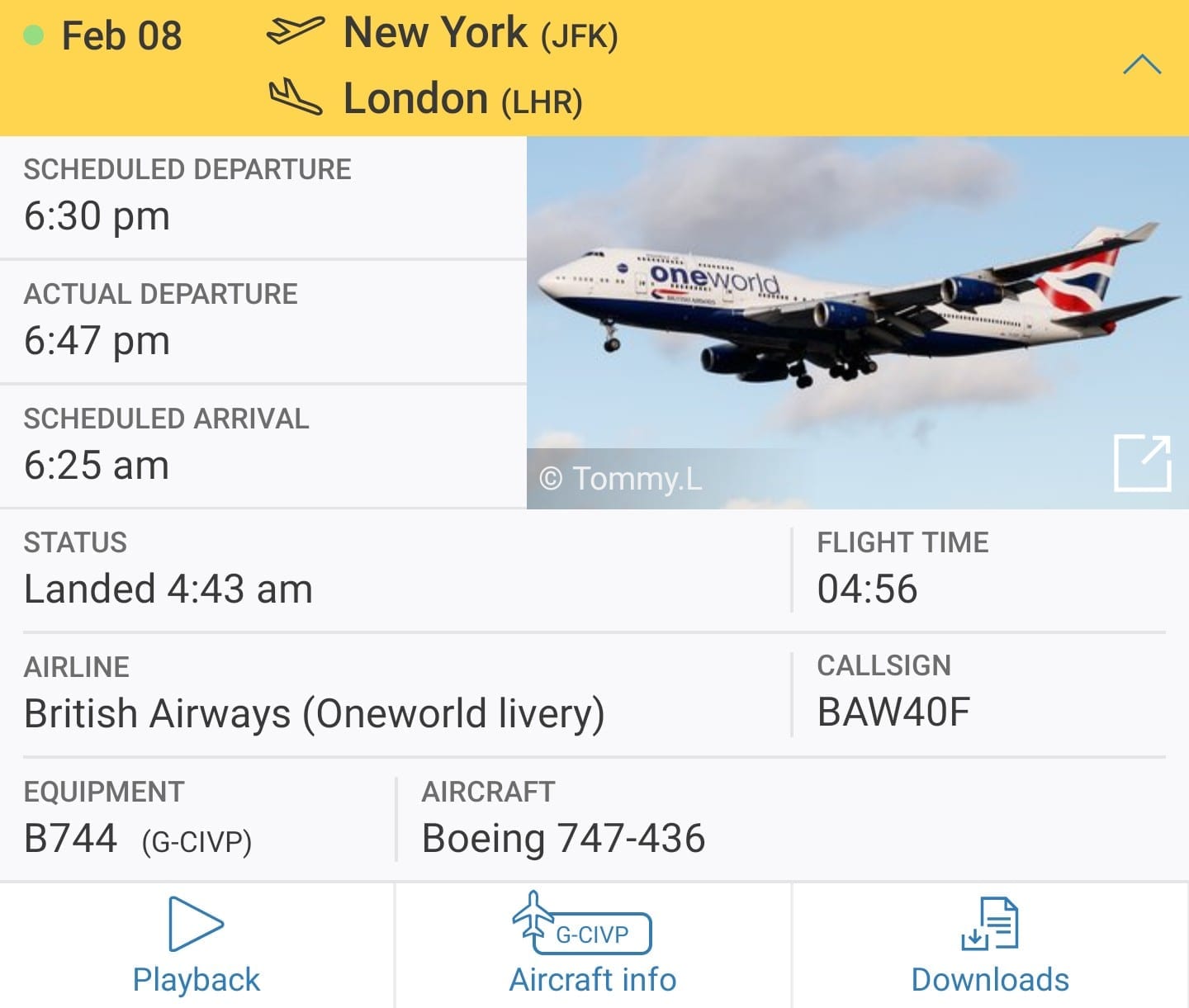
For a direct flight from New York (typically from airports like John F. Kennedy International Airport (JFK), Newark Liberty International Airport (EWR), or LaGuardia Airport (LGA)) to London (primarily Heathrow Airport (LHR), but also potentially Gatwick Airport (LGW)), you can generally expect the flight to last between 6.5 to 7.5 hours. This is the airborne time, the period from takeoff to touchdown.
It’s important to note that this is an average. Several factors can subtly adjust this timeframe. For instance, the specific aircraft used by airlines such as British Airways, Virgin Atlantic, or Delta Air Lines can have slightly different cruising speeds. More modern and fuel-efficient aircraft might shave a few minutes off the journey.
Factors Influencing Flight Time
While the New York to London route is well-trodden, the exact flight time isn’t an immutable constant. Several environmental and operational factors contribute to the variations you might observe when booking your flight. Understanding these can help you set realistic expectations and perhaps even choose a flight that might be slightly quicker.
The Impact of Jet Streams and Wind Patterns
One of the most significant factors influencing transatlantic flight times is the presence and strength of the jet stream. The jet stream is a fast-flowing, narrow air current found in the atmosphere. When flying eastbound from New York to London, flights often benefit from the prevailing westerly winds of the jet stream. This tailwind pushes the aircraft along, effectively reducing the travel time. Conversely, when flying westbound from London to New York, planes often have to fight against these same winds, resulting in a longer flight duration. Therefore, the eastbound journey is typically shorter than the westbound one.
Airport Congestion and Air Traffic Control
The bustling nature of major international airports like those in New York and London can also play a role, albeit a less direct one on airborne time. While air traffic control meticulously manages flight paths to ensure safety and efficiency, delays can occur during peak travel times. These delays are usually on the ground – taxiing to the runway for departure or waiting for a gate upon arrival. While not adding to the actual flight duration, they contribute to the overall travel experience and the time from leaving your origin to reaching your final destination. Airlines constantly work with air traffic control to optimize routes and minimize any unnecessary airborne holding patterns.
Aircraft Type and Airline Scheduling
Different aircraft have varying cruising speeds and efficiencies. Larger, long-haul aircraft designed for intercontinental travel, such as the Boeing 777, Boeing 747, or Airbus A350, are standard on this route. While their speeds are generally comparable, minute differences can contribute to variations in flight duration. Furthermore, airlines build buffer times into their schedules to account for potential minor delays. This means that even if a flight is particularly swift, it might still be listed with a duration that allows for a comfortable margin.

Time of Day and Flight Path Optimization
The specific time of day a flight departs can also have a subtle influence. Flights departing during off-peak hours might encounter less congestion at airports, potentially leading to a slightly smoother and quicker departure process. Additionally, flight paths are not always a straight line across the map. While the great circle route is the shortest geographical distance, actual flight paths are dynamically adjusted by air traffic control and pilots to take advantage of favorable winds, avoid turbulent weather, and maintain safe separation from other aircraft. These adjustments, while complex, are designed to optimize the overall journey.
Beyond Direct Flights: Connecting Journeys
While direct flights are ideal for many, sometimes connecting flights are necessary due to budget constraints, specific travel dates, or the desire to visit an intermediate destination. These journeys, by their nature, are significantly longer than non-stop options.
Understanding Layover Times and Total Travel Duration
Connecting flights involve a stopover at a third airport en route to London. Common layover points for flights from New York might include cities in Canada (like Toronto or Montreal), or other European hubs (such as Dublin or Reykjavik). The duration of a connecting flight journey is highly variable. It comprises:
- Flight time to the layover city: This will be shorter than a direct flight to London.
- Layover duration: This can range from a couple of hours to over half a day, depending on the chosen itinerary. Some travelers even opt for longer “stopovers” to briefly explore the layover city.
- Flight time from the layover city to London: This segment will also be shorter than a direct flight from New York.
When all these components are added up, a connecting flight journey from New York to London can easily range from 9 to 15 hours or even more. It’s crucial to carefully review the total estimated travel time when booking connecting flights, not just the individual flight segments. This allows for proper planning, especially concerning meals, rest, and ensuring you have enough time to make your connecting flight without feeling rushed.
Preparing for Your Transatlantic Journey
Knowing the flight duration is just the first step in preparing for your trip from New York to London. Understanding what to expect can make the journey more comfortable and enjoyable.
Packing Smart for the Flight
Given that you’ll be in the air for several hours, packing items that enhance your comfort is essential. Consider a neck pillow, an eye mask, and earplugs to help you sleep. A good book, downloaded movies or podcasts, and a portable charger for your electronic devices will keep you entertained. Comfortable clothing is paramount; layers are always a good idea as cabin temperatures can fluctuate. Don’t forget a reusable water bottle to stay hydrated – you can fill it up after security.
Navigating Jet Lag
The time difference between New York (Eastern Time) and London (Greenwich Mean Time or British Summer Time) is typically 5 hours. This significant difference means that adjusting to the local time upon arrival is a common challenge known as jet lag. To mitigate its effects:
- Adjust your sleep schedule: In the days leading up to your flight, try to gradually shift your sleep and wake times closer to London time.
- Stay hydrated on the plane: Dehydration can exacerbate jet lag symptoms.
- Avoid excessive caffeine and alcohol: These can disrupt your sleep patterns.
- Expose yourself to natural light upon arrival: This helps reset your body’s internal clock. Aim to spend time outdoors during daylight hours in London.
- Move your body: Gentle exercise upon arrival can help you feel more alert.
By understanding the flight durations and preparing adequately, your journey from New York to London can be a seamless and exciting prelude to exploring the myriad attractions this historic city has to offer, from the iconic Tower of London to the grandeur of Buckingham Palace.
LifeOutOfTheBox is a participant in the Amazon Services LLC Associates Program, an affiliate advertising program designed to provide a means for sites to earn advertising fees by advertising and linking to Amazon.com. Amazon, the Amazon logo, AmazonSupply, and the AmazonSupply logo are trademarks of Amazon.com, Inc. or its affiliates. As an Amazon Associate we earn affiliate commissions from qualifying purchases.