
For many, the rhythm of modern life is increasingly intertwined with digital experiences, transforming leisure into an immersive journey through interactive narratives. Engaging with a compelling story through a video game like Detroit: Become Human isn’t merely passing time; it’s a deliberate lifestyle choice, a commitment to exploring complex themes, forging emotional connections, and influencing a sprawling digital world. When considering such an investment, a common question arises: “How long will this journey last?” Understanding the time commitment required to complete Detroit: Become Human is crucial for those who meticulously plan their digital lifestyle, balancing entertainment with other pursuits.
The Immersive Lifestyle of Interactive Storytelling
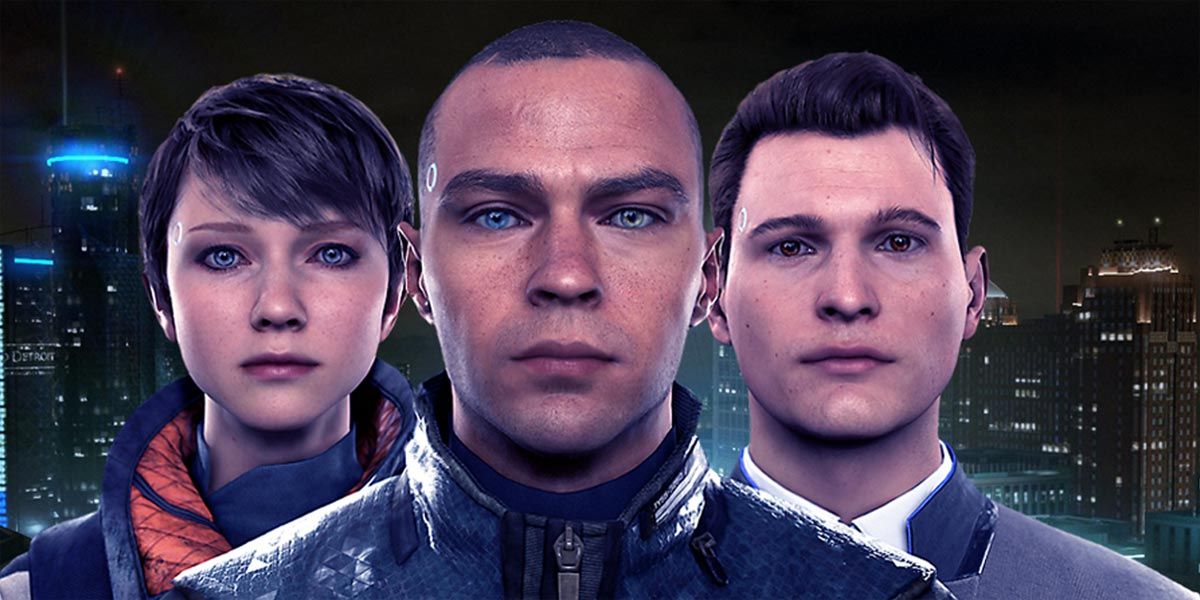
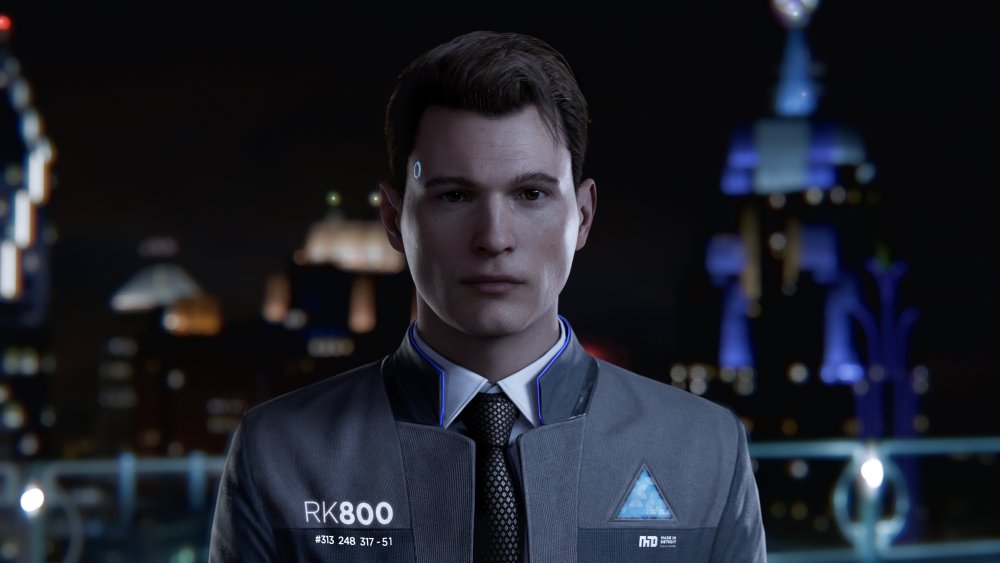
Detroit: Become Human, developed by Quantic Dream and originally released on PlayStation 4 before making its way to PC, is more than just a game; it’s an interactive cinematic experience set in a futuristic Detroit. It delves deep into themes of artificial intelligence, prejudice, freedom, and what it means to be human, all through the eyes of three distinct android protagonists: the domestic servant Kara, the deviant leader Markus, and the police investigator Connor. The allure of Detroit: Become Human lies in its profound narrative choices, where every decision, no matter how minor, can ripple through the story, leading to vastly different outcomes and shaping the destinies of its characters and the entire android population.
Embracing this game as a lifestyle choice means acknowledging the commitment to a rich, branching narrative that rewards thoughtful engagement. It’s a different kind of leisure, one where passive observation gives way to active participation, making the player an integral part of the unfolding drama. This immersive lifestyle requires not just hours but also mental investment, as players grapple with moral dilemmas and the consequences of their actions.
Beyond the Playtime: The Decision-Making Journey
Unlike linear forms of entertainment, Detroit: Become Human offers a highly interactive experience where player choices dictate the flow and conclusion of the narrative. This isn’t merely about reaching an end credits screen; it’s about the journey crafted by personal decisions. The time spent isn’t just watching cutscenes or completing quick-time events; it’s spent pausing, contemplating, and internalizing the ethical quandaries presented. This deep level of engagement transforms the activity from a simple pastime into a significant segment of one’s digital lifestyle, where the player is not just consuming content but actively creating a unique story. The depth of the narrative tree means that “beating” the game often refers to completing one path, but the true essence of the experience lies in the multitude of paths untaken and the “flowchart” that meticulously tracks every choice and its immediate and long-term implications.
Understanding Completion Times: A Spectrum of Engagement
The “how long to beat” question for Detroit: Become Human doesn’t have a single, definitive answer because the game is designed for multiple playstyles and levels of engagement. The time investment largely depends on how deeply a player chooses to immerse themselves in the world and its branching narratives. From a lifestyle perspective, this dictates how much dedicated leisure time one allocates to this specific interactive experience.
The Casual Player’s Pace
For individuals who prefer to experience the main narrative without extensive exploration or replaying sections for different outcomes, the journey through Detroit: Become Human is relatively concise. A casual player, focusing solely on completing a single playthrough of the story, can expect to spend approximately 10 to 12 hours. This timeframe is ideal for those who enjoy a compelling narrative and wish to see one possible conclusion, fitting neatly into a weekend’s worth of dedicated play or spread across several evenings after work. This approach prioritizes experiencing the story’s core emotional arc and seeing a resolution to the android revolution in Detroit. It’s a satisfying digital experience that respects one’s time commitment, delivering a complete story within a manageable period.
The Narrative Explorer
Many players, captivated by the game’s intricate web of choices and consequences, will naturally gravitate towards exploring more of what Detroit: Become Human has to offer. This “narrative explorer” lifestyle involves replaying specific chapters, making different choices, and delving into alternative paths to uncover new scenes, character developments, and outcomes. These players are often driven by curiosity about “what if” scenarios, eager to witness the various fates of Kara, Markus, and Connor based on alternative decisions.
This extended engagement significantly increases playtime. A narrative explorer might spend anywhere from 20 to 30 hours, or even more, as they navigate multiple playthroughs, focusing on different characters’ perspectives or attempting to achieve specific, less obvious outcomes. This level of investment signifies a deeper commitment to the game’s narrative depth, treating it less like a singular story and more like a rich, interactive universe waiting to be fully charted. For these players, the value lies in the breadth of experience and the detailed understanding of the game’s narrative craftsmanship.

The Completionist’s Quest
At the pinnacle of dedication are the completionists, those who strive to uncover every single piece of content, every branching path, and every possible outcome Detroit: Become Human has to offer. For this group, the game isn’t merely a story; it’s a puzzle to be solved, a meticulously crafted system to be fully mapped. This lifestyle choice involves significant time investment, often revisiting chapters repeatedly to make every conceivable choice and unlock every “flowchart” node. They aim to achieve all trophies or achievements, which often requires specific, sometimes counter-intuitive, decisions and outcomes.
A true completionist can expect to invest 40 to 50 hours or more into Detroit: Become Human. This extensive playtime reflects a profound commitment to mastering the game’s intricate design and experiencing its narrative versatility in its entirety. It’s a digital lifestyle choice that demands patience, meticulousness, and a deep desire to extract every ounce of content from the experience. For these players, the satisfaction comes from fully understanding the game’s narrative potential and its systemic intricacies.
Factors Influencing Your Digital Lifestyle Investment
Several elements contribute to the variability in playtime for Detroit: Become Human. These factors are integral to how individuals choose to integrate this interactive experience into their personal digital lifestyle.
Playstyle and Pacing
The most significant factor is the player’s natural approach to interactive storytelling. Some players rush through dialogue, skip optional scenes, and make snap decisions, prioritizing momentum over deliberation. Others savor every line of dialogue, examine every piece of environmental storytelling, and ponder each choice extensively. A player who takes their time, absorbs the atmosphere of futuristic Detroit, and carefully considers the implications of each narrative junction will naturally spend more time than someone focused purely on progression. This reflects a lifestyle preference for either rapid consumption or thoughtful engagement with digital narratives.
Unlocking Every Narrative Thread
Detroit: Become Human is famously built around its “flowchart” system, which displays every narrative branch, decision, and outcome for each chapter. For many, a core part of the game’s appeal, and thus their lifestyle engagement with it, is filling out these flowcharts completely. This pursuit necessitates multiple playthroughs, often focusing on making different choices at key junctures to see how the story diverges. Achieving 100% on these flowcharts for all chapters requires a substantial time commitment, as players strategically revisit moments to explore every available option, including those that lead to character deaths or other seemingly “negative” outcomes. This form of engagement transforms the game into a persistent project within one’s leisure time.
The Platinum Pursuit
For trophy hunters on PlayStation 4 or achievement seekers on PC, the quest for the “Platinum” trophy or all in-game achievements is a distinct lifestyle choice. These accolades often require specific actions, such as keeping all main characters alive, ensuring certain characters die, finding all collectibles, or performing unique actions in particular situations. Many of these requirements overlap with unlocking narrative threads, but some are standalone challenges that demand careful planning and multiple, targeted playthroughs. The commitment to earning every digital badge of honor can extend the playtime significantly, turning the game into a long-term leisure project rather than a one-off experience.
Integrating Detroit: Become Human into Your Schedule
Regardless of your chosen playstyle, Detroit: Become Human offers a rich, rewarding experience that can be seamlessly integrated into various digital lifestyles. If your time is limited, a single, focused playthrough provides a powerful narrative journey within a manageable timeframe. For those who enjoy deeper engagement and the exploration of narrative possibilities, spreading multiple playthroughs over weeks or even months can provide a continuous source of interactive entertainment and intellectual stimulation.
This game, at its heart, is an experience designed to resonate with players long after the credits roll, prompting reflection on its themes and the paths not taken. As a choice within your leisure lifestyle, it offers not just hours of gameplay, but also a profound narrative that can spark discussions, inspire thought, and provide a unique window into complex societal questions, all through the immersive medium of interactive storytelling.
LifeOutOfTheBox is a participant in the Amazon Services LLC Associates Program, an affiliate advertising program designed to provide a means for sites to earn advertising fees by advertising and linking to Amazon.com. Amazon, the Amazon logo, AmazonSupply, and the AmazonSupply logo are trademarks of Amazon.com, Inc. or its affiliates. As an Amazon Associate we earn affiliate commissions from qualifying purchases.