
The tantalizing aroma of slow-cooked pork is a universal invitation to gather, share, and savor. For many travelers and culinary enthusiasts, especially those exploring the rich food landscapes of the Southern United States, the Boston Butt stands as an undisputed champion of comfort food. Whether you’re planning a lavish family feast in a sprawling vacation rental equipped with a gourmet kitchen, or simply yearning to recreate the smoky, tender perfection of a pulled pork sandwich you once enjoyed in Memphis or Charleston, mastering the art of cooking a Boston Butt in your oven is a rewarding culinary journey. This comprehensive guide will not only demystify the cooking times per pound but also weave in the cultural tapestry surrounding this iconic cut, connecting it to travel experiences, local food traditions, and the joy of a truly memorable meal.
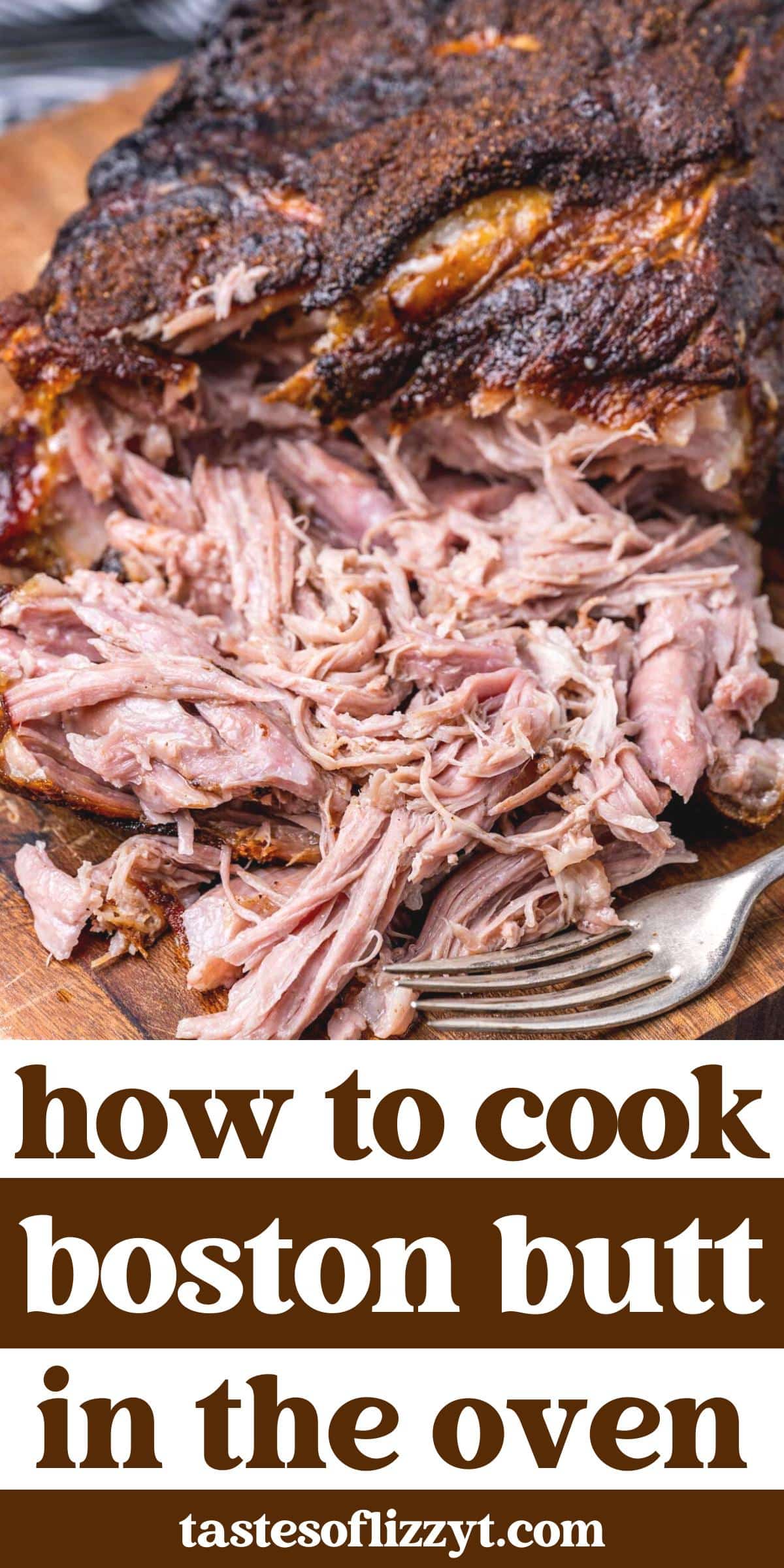
The Culinary Journey of the Boston Butt: A Traveler’s Delicacy
Beyond its peculiar name, the Boston Butt represents a cornerstone of American barbecue and a symbol of hospitable dining. Its deep roots in culinary tradition make it more than just a piece of meat; it’s an experience, a story, and often, a centerpiece for gatherings that define lifestyle and travel memories.
Tracing the Origins: From Butcher’s Cut to BBQ Icon
Despite its name, the Boston Butt doesn’t come from the rear end of a pig, nor is it exclusively tied to Boston in terms of its culinary fame. Historically, in colonial New England, butchers would pack less prized cuts of pork – specifically the shoulder – into wooden barrels called “butts” for storage and transport. This practice gave rise to the term “Boston Butt” for what is technically a bone-in pork shoulder, typically weighing between 6 and 10 pounds, and known for its generous marbling of fat and connective tissue, perfect for slow cooking.
While its naming might hail from the Northeast, its culinary destiny was truly forged in the South. Here, a culture of slow cooking, often over wood smoke, transformed this humble cut into the succulent, fall-apart pulled pork that has become synonymous with Carolina BBQ, Kansas City barbecue, and Texas pit traditions. From roadside shacks to upscale culinary destinations, the Boston Butt’s transformation into tender pulled pork offers a taste of local culture and an authentic dining experience that many travelers actively seek. Understanding its heritage deepens the appreciation for the meal itself, making it a richer part of your travel or at-home culinary exploration.
Why Cook a Boston Butt While Traveling or at Home?
The decision to embark on cooking a Boston Butt, whether in your own kitchen or within the confines of an apartment or villa during a long-term stay, is often driven by a desire for authenticity and a deeper connection to local food culture. For travelers, especially those opting for extended-stay hotels or self-catering accommodations, having a kitchen opens up a world of culinary possibilities. Instead of merely dining out, you can immerse yourself in the local flavors by sourcing ingredients from farmers’ markets and trying your hand at regional specialties.
Cooking a Boston Butt, for instance, offers a fantastic way to bond with family or friends during a trip. Imagine gathering around a fully equipped kitchen in a charming Tuscan villa or a cozy cabin in the Smoky Mountains, preparing a meal that everyone can contribute to and enjoy. It’s a lifestyle choice that values experience over mere consumption, allowing you to control ingredients, cater to dietary needs, and perhaps most importantly, create lasting memories that extend beyond typical tourist activities.
Furthermore, for those who love to travel but occasionally miss the comforts of home, preparing a familiar, comforting meal like pulled pork can be incredibly reassuring. It allows you to bring a piece of your own culinary identity into new surroundings or to recreate the delicious tastes discovered on previous adventures. Whether it’s for a relaxed evening in, a special occasion, or a flavorful introduction to local produce, cooking a Boston Butt bridges the gap between exploration and the familiar, transforming any dwelling into a temporary culinary haven.
Mastering the Art of Oven-Roasted Boston Butt: A Guide for Culinary Explorers
While traditionalists might argue for a smoker, the oven provides a remarkably consistent and accessible way to achieve perfectly tender, flavorful pulled pork. It’s an ideal method for home cooks and travelers alike, requiring less specialized equipment and offering predictable results.
Understanding the Basics: Temperature, Time, and Technique
The secret to a successful Boston Butt is the “low and slow” cooking method. This technique allows the tough connective tissues in the pork shoulder to gradually break down, rendering the fat and muscle fibers incredibly tender and moist. Rushing the process will result in dry, chewy pork, so patience is paramount.
Ideal Oven Temperatures: For Boston Butt, optimal oven temperatures typically range between 225°F (107°C) and 275°F (135°C). Lower temperatures require longer cooking times but tend to yield slightly more tender and moist results. A common sweet spot many cooks use is 250°F (121°C).
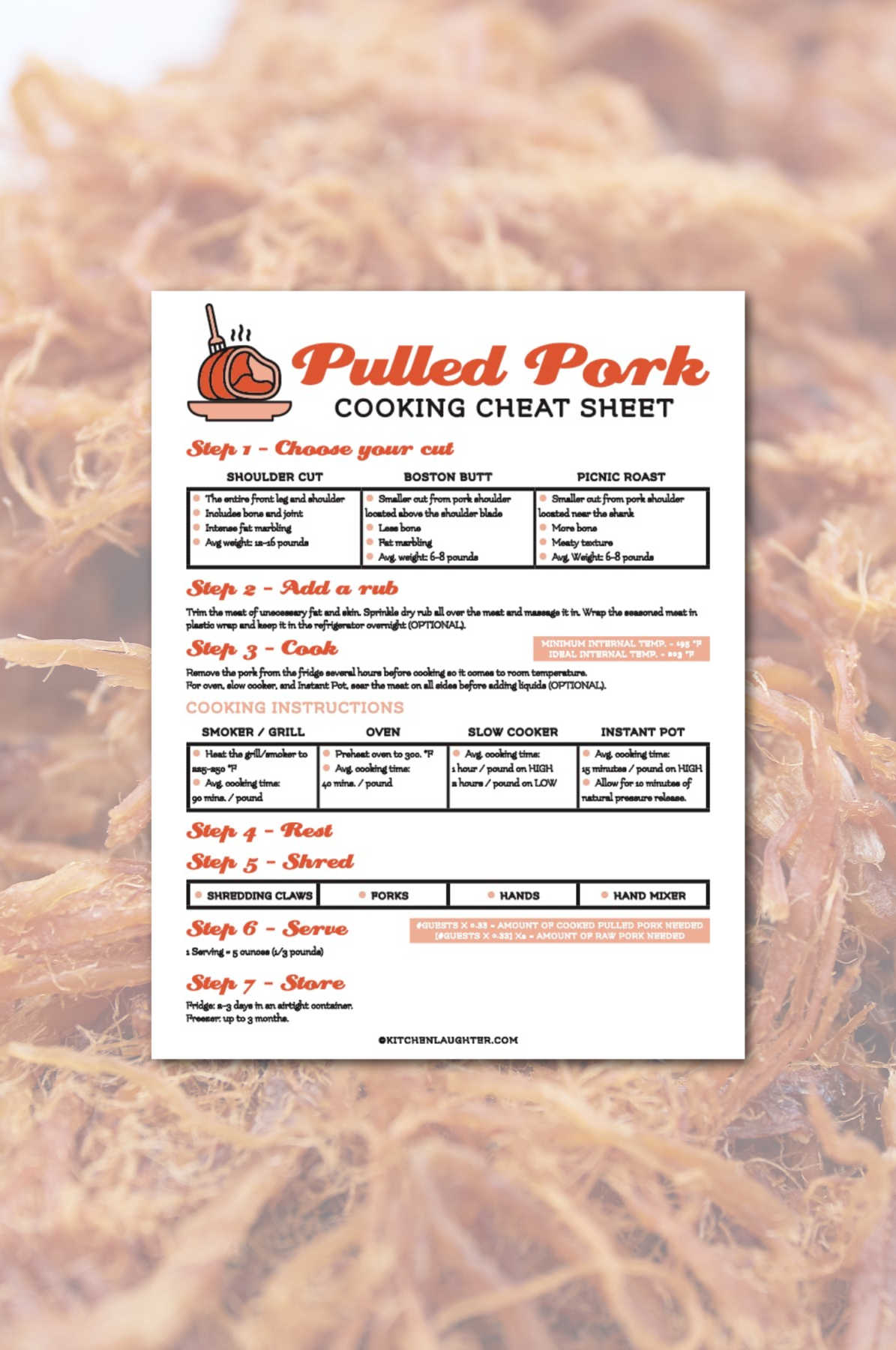
General Rule of Thumb for Cooking Time Per Pound: The average cooking time for a Boston Butt in the oven is roughly 1.5 to 2 hours per pound at a temperature of 250°F (121°C). This is a guideline, and several factors can influence the actual duration.
Emphasizing Internal Temperature for Doneness: While time per pound is a helpful estimate, the most crucial indicator of doneness is the internal temperature of the meat. For pulled pork, you’re aiming for a “pullable” texture, which occurs when the internal temperature reaches between 195°F (90°C) and 205°F (96°C). At this temperature, the collagen has sufficiently broken down, allowing the meat to easily shred with a fork. Always use a reliable meat thermometer inserted into the thickest part of the meat, avoiding the bone.
Step-by-Step: Preparing Your Boston Butt for the Oven
Preparing the Boston Butt properly sets the stage for a truly remarkable meal.
- Trim (Optional): While the fat cap provides moisture and flavor, you can trim off excessively thick areas (more than about ¼ inch) if desired. Many prefer to leave a good amount of fat, as it bastes the meat during cooking.
- Seasoning is Key: This is where you can infuse regional flavors into your pork.
- Dry Rub: A good dry rub is essential. Common ingredients include salt, black pepper, paprika, garlic powder, onion powder, brown sugar, and sometimes a touch of cayenne or chili powder for heat. For a classic Memphis dry rub experience, emphasize paprika and a touch of sweetness. Apply the rub generously all over the pork, pressing it into the surface. For best results, allow the seasoned butt to sit in the refrigerator for at least 8 hours, or ideally 24 hours, to let the flavors penetrate.
- Pre-heating: Preheat your oven to your chosen temperature (e.g., 250°F / 121°C).
- The Pan: Place the Boston Butt in a sturdy roasting pan, preferably with a rack to allow air circulation around the meat. If you don’t have a rack, you can create one with crumpled aluminum foil.
- Liquid (Optional but Recommended): Adding a small amount of liquid to the bottom of the pan (e.g., apple cider vinegar, chicken broth, beer, or water) can help maintain moisture in the oven and add a subtle layer of flavor. About ½ to 1 cup is usually sufficient.
- Foil Wrap (Crucial for Moisture): Once the rub has had time to set and the oven is ready, cover the roasting pan tightly with heavy-duty aluminum foil. This creates a moist, steamy environment akin to a braise, which is vital for breaking down the tough fibers and preventing the pork from drying out during its long cook time. Some recipes suggest unwrapping for the last hour or two to develop a “bark” or crust, but for maximum tenderness and moisture in an oven, keeping it covered for the majority of the cook is recommended.
The Crucial Cooking Time Chart and Factors Affecting It
As mentioned, the “1.5 to 2 hours per pound” is a useful starting point. Here’s a more detailed breakdown and consideration of variables:
Estimated Oven Cooking Times for Boston Butt (Covered):
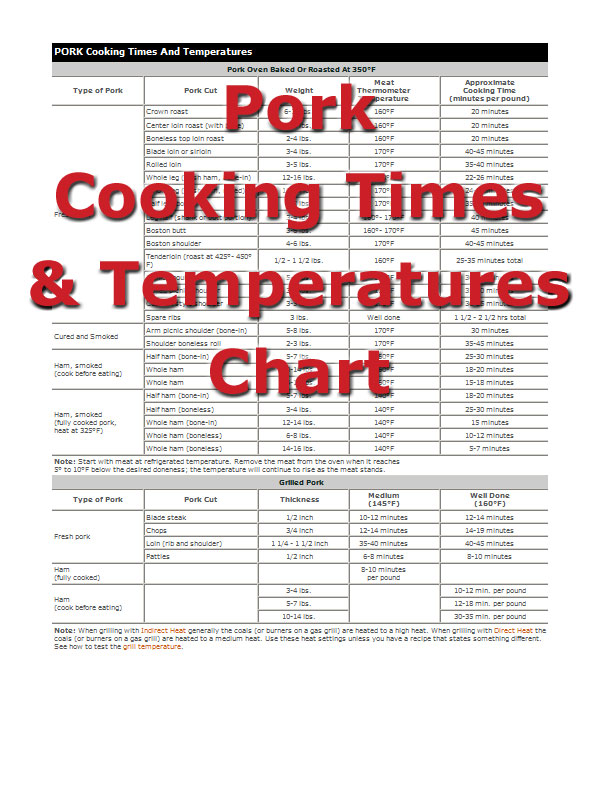
| Weight of Boston Butt | Oven Temperature (225°F / 107°C) | Oven Temperature (250°F / 121°C) | Oven Temperature (275°F / 135°C) |
|---|---|---|---|
| 5 lbs (2.3 kg) | 9 – 11 hours | 8 – 10 hours | 7 – 9 hours |
| 7 lbs (3.2 kg) | 12 – 14 hours | 10.5 – 13 hours | 9 – 11 hours |
| 9 lbs (4.1 kg) | 15 – 18 hours | 13.5 – 17 hours | 11 – 14 hours |
| 10 lbs (4.5 kg) | 17 – 20 hours | 15 – 19 hours | 12.5 – 16 hours |
Key Factors Influencing Actual Cooking Time:
- Bone-in vs. Boneless: Bone-in Boston Butts often take slightly longer to cook than boneless ones because the bone conducts heat differently. The bone also imparts additional flavor.
- Oven Calibration: Ovens can vary significantly. An oven thermometer can help you verify your oven’s actual temperature. A poorly calibrated oven can drastically affect cooking times.
- Starting Temperature of the Meat: Always cook meat that has been brought closer to room temperature for more even cooking. A very cold butt will take longer to reach the target internal temperature.
- Shape and Thickness: A thick, compact butt will take longer than a flatter, looser one of the same weight.
- The “Stall”: Around 150-170°F (65-77°C), the meat’s internal temperature can plateau for several hours. This is known as “the stall” and is caused by evaporative cooling. Don’t panic; just be patient. Wrapping it tightly in foil (if not already fully covered) can sometimes help push it through the stall faster.
- Importance of a Meat Thermometer: This cannot be stressed enough. Relying solely on time per pound is a recipe for inconsistency. A good quality, leave-in probe thermometer allows you to monitor the internal temperature without opening the oven too frequently, which causes temperature fluctuations.
Once the Boston Butt reaches the desired internal temperature (195-205°F), carefully remove it from the oven. Let it rest, still covered, for at least 30 minutes, or even up to an hour. This allows the juices to redistribute throughout the meat, resulting in maximum moisture and tenderness. After resting, it should easily shred with two forks, ready for its next delicious transformation.
Beyond the Oven: Serving Suggestions and Travel Pairings
The glorious pulled pork emerging from your oven is merely the beginning. How you serve it can elevate the experience, connecting it to specific regions and making it an unforgettable part of your lifestyle or travel-inspired meal.
Crafting the Perfect Meal: Sides and Sauces
Pulled pork is a versatile dish, but some pairings are simply iconic, often reflecting regional culinary traditions.
- Classic Southern Sides:
- Coleslaw: Creamy or vinegar-based, coleslaw provides a refreshing crunch and tang that cuts through the richness of the pork. Think of the vibrant, tangy slaw often found alongside Carolina barbecue.
- Cornbread: Sweet or savory, cornbread is the perfect absorbent companion, soaking up all the delicious juices.
- Macaroni and Cheese: A rich, cheesy side offers ultimate comfort and indulgence.
- Baked Beans: Often slow-cooked with molasses and bacon, baked beans are another staple that complements the smoky notes of the pork.
- Pickles and Onions: Simple, sharp accompaniments like sliced dill pickles and red onion provide a contrasting acidity.
- Sauce Variations: The choice of BBQ sauce can transport your taste buds to different parts of the Southern United States.
- Carolina Vinegar Sauce: For an authentic Eastern North Carolina experience, a thin, tangy sauce made with vinegar, red pepper flakes, and black pepper is a must.
- South Carolina Mustard Sauce: Unique to South Carolina, this sauce offers a zesty, slightly sweet, and tangy kick thanks to its mustard base.
- Kansas City Sweet Sauce: A thick, sweet, and tangy tomato-based sauce, often with a hint of smoke, characterizes the Kansas City style.
- Alabama White Sauce: A mayonnaise-based sauce with vinegar, horseradish, and pepper, originating from Alabama, perfect for those seeking something different.
Serving the pulled pork on soft buns with a drizzle of your favorite regional sauce and a spoonful of coleslaw is the classic approach, but don’t shy away from creative uses in tacos, nachos, or even as a pizza topping.
Culinary Souvenirs: Recreating Travel Flavors at Home
One of the greatest joys of travel is discovering new flavors and culinary traditions. Cooking a Boston Butt at home isn’t just about preparing a meal; it’s about bringing those travel experiences back into your daily life. Perhaps you remember a particular pulled pork sandwich from a charming diner in Austin, or a family BBQ during a stay in a cozy cabin resort near Nashville. By recreating these dishes, you not only enjoy delicious food but also rekindle the memories and sensations of your adventures.
This culinary souvenir approach aligns perfectly with a lifestyle that values cultural immersion and personal enrichment. It allows you to continue exploring the world through your palate, even when you’re not physically traveling. It’s also an excellent opportunity to share those discoveries with friends and family, inviting them to taste the essence of places you’ve visited and sparking conversations about future travel plans.
Planning Your Culinary Adventures: Where to Experience Boston Butt Perfection
For those whose appetites are whetted by the thought of perfectly slow-cooked pork, planning a trip around the best BBQ destinations becomes a pilgrimage. This ties directly into the ‘Tourism’ and ‘Travel’ aspects of exploring local culture and food.
Top Destinations for BBQ Enthusiasts
If you’re truly dedicated to the Boston Butt and its pulled pork destiny, certain cities and regions are absolute must-visits for their legendary barbecue scenes. These destinations offer an unparalleled opportunity to sample diverse styles and techniques, providing inspiration for your own oven-cooked creations.
- Memphis, Tennessee: Famous for its dry-rubbed ribs and pulled pork, Memphis BBQ is a smoky, savory delight. Many eateries serve their pulled pork un-sauced, allowing the quality of the meat and rub to shine, with sauce offered on the side.
- Kansas City, Missouri: Known for its thick, sweet, and tangy tomato-based sauces and burnt ends, Kansas City offers a robust and flavorful BBQ experience. Pulled pork sandwiches are a staple here.
- The Carolinas (North Carolina & South Carolina): This region is a hotbed of pulled pork tradition, particularly whole hog barbecue, but the Boston Butt is central to many preparations. Eastern North Carolina favors a vinegar-based sauce, while Lexington, NC opts for a ketchup-vinegar blend, and South Carolina proudly features its unique mustard-based sauces. Each state offers a distinct “BBQ trail” for true enthusiasts.
- Austin, Texas: While Texas is most famous for its brisket, many of its esteemed BBQ joints also serve incredible pulled pork, often seasoned simply with salt and pepper and smoked over post oak. This simpler approach allows the quality of the meat to take center stage.
- Louisville, Kentucky: A lesser-known but equally vibrant BBQ scene, Louisville and other parts of Kentucky offer their own distinct styles, including smoked mutton and pork shoulder.
When visiting these destinations, seek out local eateries recommended by locals, explore food festivals, or even consider attending a cooking class to delve deeper into the regional techniques and ingredients. This active engagement with local food culture is a true hallmark of experiential tourism.
Accommodations with Kitchens: Your Home Away From Home Kitchen
For the culinary traveler, the choice of accommodation can profoundly impact the travel experience. Opting for stays that feature fully equipped kitchens or kitchenettes is a game-changer, especially when planning to cook a substantial dish like a Boston Butt.
- Vacation Rentals and Apartments: Platforms offering apartments or villas are ideal. They provide the space, privacy, and full kitchen amenities needed to prepare elaborate meals. Imagine a large family gathering in a spacious rental property where everyone can contribute to preparing a feast.
- Extended-Stay Hotels and Suite Hotels: Many modern hotels cater to longer stays by offering suites with kitchen facilities. Brands like Residence Inn or Homewood Suites are designed with this in mind, providing refrigerators, stovetops, microwaves, and sometimes even ovens. This allows business travelers or families on longer trips to maintain a semblance of home cooking.
- Boutique Hotels with Culinary Focus: Some boutique hotels or specialized resorts might offer unique culinary experiences, including communal kitchens or cooking classes that could be perfect for hands-on learning.
The ability to grocery shop at local markets, experiment with regional produce, and cook meals like a Boston Butt transforms a simple trip into a richer, more immersive cultural experience. It also offers a practical advantage, potentially saving on dining-out costs, which is a key consideration for budget travel or long-term stays. Whether you’re making a grand culinary statement or simply enjoying a homemade meal, having a kitchen at your disposal enhances the overall quality and flexibility of your travel adventure.
In conclusion, the journey of cooking a Boston Butt in your oven is more than just following a recipe; it’s an exploration of tradition, a celebration of flavor, and a connection to the diverse culinary landscapes shaped by travel and lifestyle. By understanding the science behind the “low and slow” method, mastering the timing per pound, and embracing the regional nuances of seasoning and serving, you can consistently achieve culinary perfection. Whether you’re a seasoned traveler recreating cherished memories or a home cook embarking on a new gastronomic adventure, the Boston Butt offers a deeply satisfying experience that nourishes both body and soul. So, fire up that oven, prepare your seasonings, and get ready to create a masterpiece that will transport your senses, one tender, flavorful bite at a time.
LifeOutOfTheBox is a participant in the Amazon Services LLC Associates Program, an affiliate advertising program designed to provide a means for sites to earn advertising fees by advertising and linking to Amazon.com. Amazon, the Amazon logo, AmazonSupply, and the AmazonSupply logo are trademarks of Amazon.com, Inc. or its affiliates. As an Amazon Associate we earn affiliate commissions from qualifying purchases.