
The allure of a perfectly cooked Boston butt, that succulent, fall-apart pork shoulder, is undeniable. Traditionally, achieving this culinary dream requires hours of slow, patient cooking, often in a smoker or oven. However, for those seeking to expedite the process without compromising on flavor or texture, the pressure cooker emerges as a game-changer. This powerful kitchen appliance can transform a tough cut of meat into a tender masterpiece in a fraction of the time. Understanding the optimal cooking duration is key to unlocking its full potential.
Understanding the Boston Butt and Pressure Cooking Dynamics
Before diving into specific timings, it’s essential to grasp what a Boston butt actually is and how a pressure cooker operates. A Boston butt, also known as a pork shoulder, is a cut of pork that comes from the upper portion of the pig’s front leg. It’s characterized by its rich marbling of fat and connective tissue, which, under slow and low heat, breaks down to create that signature moistness and tenderness.
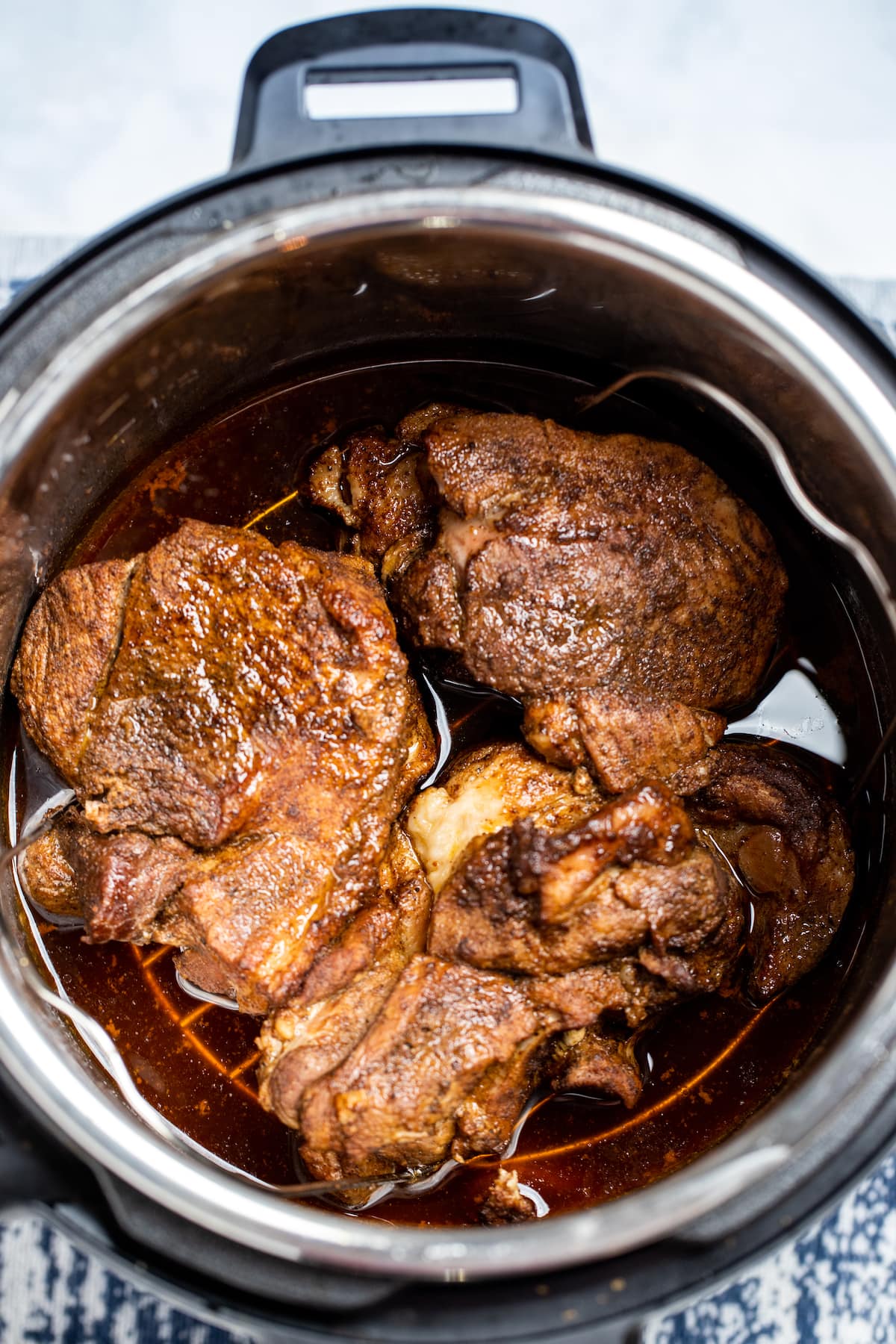
A pressure cooker works by sealing in steam, which increases the internal pressure. This higher pressure raises the boiling point of water, allowing food to cook at a significantly higher temperature than in conventional methods. This accelerated cooking environment is ideal for breaking down the tough connective tissues in cuts like Boston butt, leading to tender results much faster. The key is to achieve this tenderization without overcooking, which can lead to dry, stringy meat.
Factors Influencing Cooking Time
Several variables can influence the exact cooking time required for your Boston butt in a pressure cooker:
- Size and Thickness of the Roast: A larger or thicker Boston butt will naturally require more time to cook through than a smaller or thinner one. Most recipes refer to a typical 3-5 pound roast. If your roast is significantly larger or smaller, you may need to adjust accordingly.
- Type of Pressure Cooker: Electric pressure cookers (like the Instant Pot) generally offer more consistent results due to their precise temperature and pressure control. Stovetop pressure cookers can be more variable depending on your stovetop’s heat regulation.
- Initial Temperature of the Meat: A roast that has been brought closer to room temperature before cooking will cook slightly faster than one directly from the refrigerator.
- Desired Tenderness: Some prefer their pulled pork to be incredibly shreddable, while others might enjoy a slightly firmer texture. The cooking time can be adjusted slightly to achieve your preferred level of doneness.
- Liquid Volume: The amount of liquid in the pressure cooker affects how quickly it reaches pressure and, consequently, the cooking time. Ensure you have at least the minimum amount of liquid recommended by your pressure cooker manufacturer.
The Golden Rule: Pressure Cooking Time Per Pound
A widely accepted guideline for cooking Boston butt in a pressure cooker is approximately 15 minutes per pound at high pressure, followed by a natural pressure release (NPR). This is a fantastic starting point, but remember that this is a guideline, and the factors mentioned above will necessitate minor adjustments.
Let’s break this down for common Boston butt sizes:
Small to Medium Roasts (2-3 pounds)
For a Boston butt weighing between 2 and 3 pounds, you’re looking at an estimated cooking time of 30 to 45 minutes at high pressure.
- For a 2-pound roast: Aim for 30 minutes of high-pressure cooking.
- For a 3-pound roast: Aim for 45 minutes of high-pressure cooking.
Standard Roasts (3-5 pounds)
This is the most common size for a Boston butt, and the 15 minutes per pound rule applies beautifully here.
- For a 3-pound roast: Approximately 45 minutes of high-pressure cooking.
- For a 4-pound roast: Approximately 60 minutes (1 hour) of high-pressure cooking.
- For a 5-pound roast: Approximately 75 minutes (1 hour and 15 minutes) of high-pressure cooking.
Larger Roasts (5+ pounds)
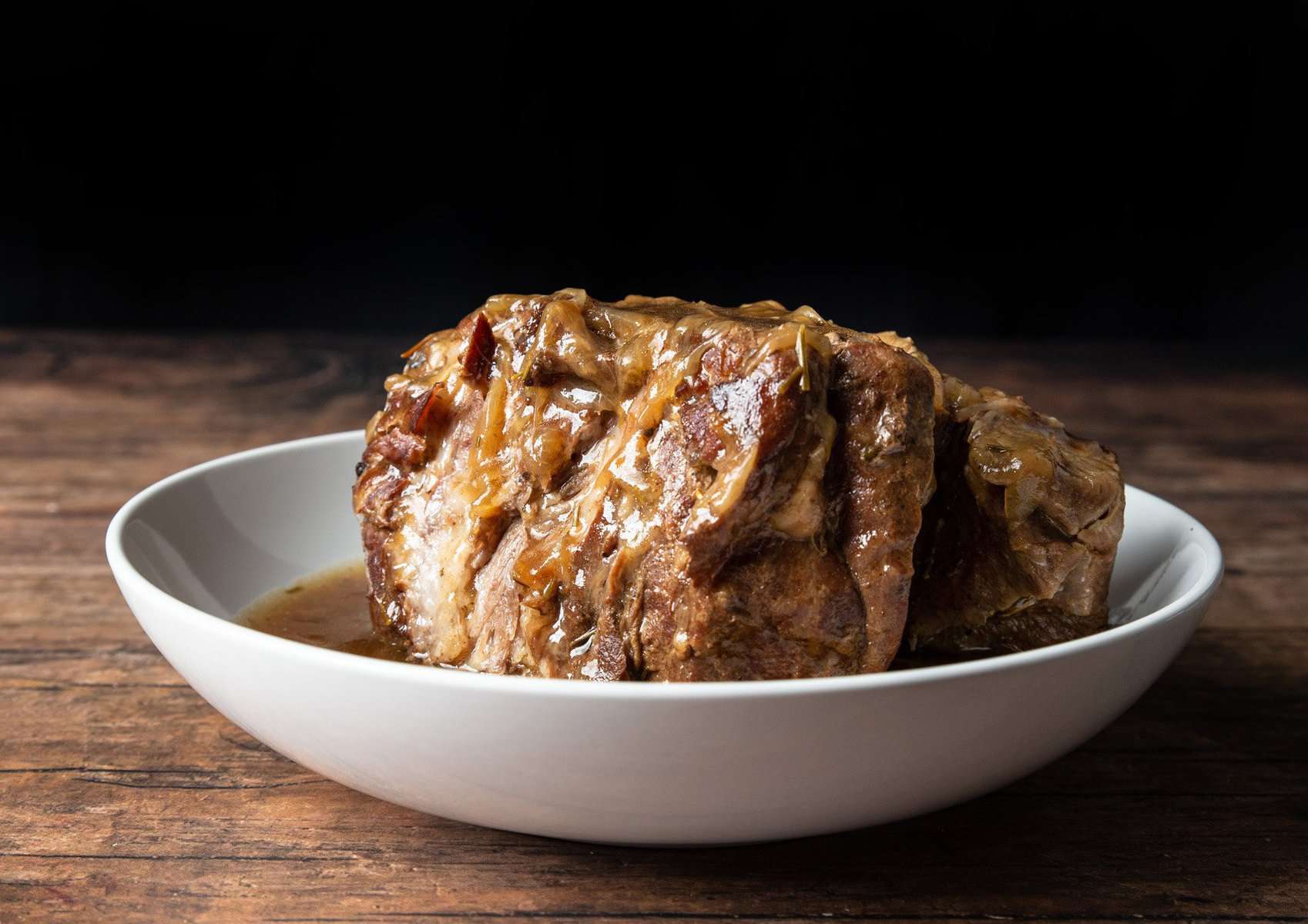
If you’re cooking a larger Boston butt, say 6 pounds, you might need to increase the cooking time to around 90 minutes. For roasts significantly larger than 5 pounds, it might be more efficient to cook them in two batches if your pressure cooker size allows, or to add an extra 10-15 minutes per pound beyond the 5-pound mark. Always consult your pressure cooker manual for its maximum capacity.
The Critical Step: Pressure Release Method
The pressure release method is as crucial as the cooking time itself. For a Boston butt, a natural pressure release (NPR) is almost always recommended. Here’s why:
- Gentle Tenderization: NPR allows the pressure to dissipate slowly and gradually. This slow depressurization continues the cooking process gently, allowing the meat to relax and retain its moisture.
- Preventing Moisture Loss: A quick pressure release (QPR) can cause the meat fibers to seize up, pushing out precious juices and resulting in a drier outcome.
- Ensuring Even Cooking: The residual heat within the pressure cooker during NPR continues to tenderize the meat evenly.
How to perform a Natural Pressure Release (NPR):
Once the cooking cycle is complete, simply turn off the pressure cooker or let it finish its programmed cycle. Do not touch the steam release valve. Allow the pressure to drop on its own. This can take anywhere from 10 to 30 minutes, or even longer for larger roasts. You’ll know it’s safe to open when the float valve (or indicator pin) has dropped.
When to consider Quick Pressure Release (QPR) (Rarely for Boston Butt):
QPR involves manually opening the steam release valve after the cooking time is complete. This is typically used for vegetables or very small, tender cuts of meat where you want to stop the cooking process immediately to prevent overcooking. For Boston butt, it is generally not advised.
Testing for Doneness and Achieving Perfect Shred
Even with precise timing, it’s always best to check for doneness. After the natural pressure release, carefully open the lid of your pressure cooker.
The Fork Test
The most reliable indicator of a perfectly cooked Boston butt is its tenderness. Insert a fork into the thickest part of the roast.
- Ideal: The meat should pull apart easily with very little resistance. It should feel incredibly tender and almost fall off the bone (if it’s a bone-in roast).
- Slightly Firm: If the fork meets resistance, the meat needs a bit more cooking. You can return it to the pressure cooker and cook for an additional 5-10 minutes at high pressure, followed by another natural pressure release.
- Overcooked: If the meat is mushy and falling apart excessively upon insertion of the fork, it may be slightly overcooked, but it will still be delicious and perfect for shredding.
Achieving the Pulled Pork Texture
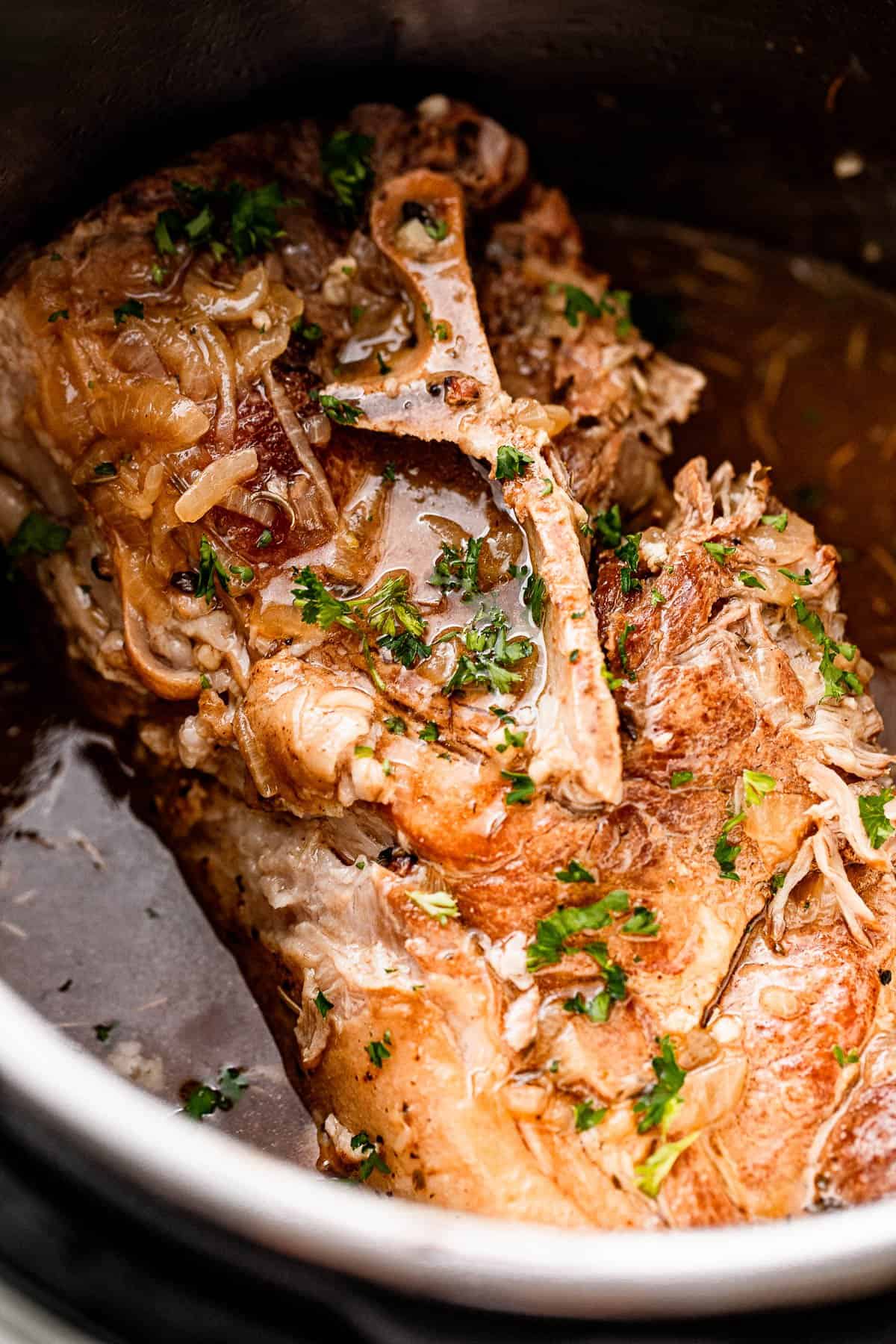
Once the roast is tender and easily shreddable, remove it from the pressure cooker and place it on a cutting board or in a large bowl. You can then use two forks, or even your hands (carefully, as it will be hot!), to shred the meat. The fat and connective tissues should have rendered down beautifully, making the shredding process effortless.
For an even more flavorful experience, especially if you plan to serve pulled pork, you can crisp up the shredded meat. Spread the shredded pork on a baking sheet and broil for a few minutes until the edges are slightly browned and crispy. This adds a wonderful textural contrast.
Finally, toss the shredded pork with your favorite barbecue sauce and enjoy. While the pressure cooker dramatically cuts down the cooking time, the fundamental principles of tenderizing tough cuts remain the same – heat, time, and the magical breakdown of collagen. With this guide, you’re well on your way to enjoying restaurant-quality Boston butt in your own home with impressive speed.
LifeOutOfTheBox is a participant in the Amazon Services LLC Associates Program, an affiliate advertising program designed to provide a means for sites to earn advertising fees by advertising and linking to Amazon.com. Amazon, the Amazon logo, AmazonSupply, and the AmazonSupply logo are trademarks of Amazon.com, Inc. or its affiliates. As an Amazon Associate we earn affiliate commissions from qualifying purchases.