
Embarking on a culinary adventure often leads us to explore the nuances of preparing classic dishes. For steak enthusiasts, the New York strip is a perennial favorite, celebrated for its perfect balance of tenderness and robust beefy flavor. Mastering its preparation on the stove is a skill that can elevate home-cooked meals from ordinary to exceptional. This guide delves into the essential factors that determine the ideal cooking time for a New York strip steak on the stovetop, ensuring a juicy, flavorful result every time.
The beauty of a New York strip lies in its simplicity. It’s a cut that doesn’t demand elaborate marinades or complex techniques to shine. However, achieving that coveted medium-rare or perfectly seared exterior while maintaining a tender, pink interior requires attention to detail. The question of “how long to cook New York strip on stove?” isn’t a one-size-fits-all answer. Several variables come into play, from the thickness of the steak to the heat of your pan and your desired level of doneness.
Our journey will explore these variables, providing you with the knowledge to confidently prepare a New York strip steak that rivals those found in the finest restaurants. Whether you’re a seasoned cook or a novice in the kitchen, this guide aims to demystify the process, empowering you to create a restaurant-quality steak right in your own home. Think of this as your essential guide to unlocking the full potential of this magnificent cut, a culinary skill that can be enjoyed whether you’re staying at a luxurious resort in Aspen or simply enjoying a lifestyle upgrade in your own kitchen.
The Art of the Perfect Sear: Understanding Stove-Top Steak Cooking
The stovetop offers a direct and efficient method for cooking a New York strip steak, allowing for a beautiful crust to develop through high heat. The key to success lies in understanding the science behind searing and controlling the cooking process.
Choosing the Right Steak for Your Stove-Top Masterpiece
Before you even think about heat, the quality of your New York strip steak is paramount. Opt for a steak that is at least 1 to 1.5 inches thick. Thicker cuts are more forgiving, allowing you to achieve a good sear on the outside without overcooking the interior. Look for good marbling – the flecks of fat interspersed within the muscle. This marbling melts during cooking, contributing significantly to the steak’s flavor and juiciness. A well-marbled steak is a hallmark of a high-quality cut, often found at reputable butchers or specialty food stores. When selecting, consider its origin; a steak from a farm known for its cattle, perhaps in a region like Argentina famous for its beef, can offer a distinct flavor profile.
Preparing Your New York Strip for the Pan
Proper preparation ensures even cooking and a superior sear.
Bringing Steak to Room Temperature
This is a critical, often overlooked, step. Take your New York strip steak out of the refrigerator at least 30 minutes to an hour before cooking, depending on its thickness. A steak at room temperature will cook more evenly. If you place a cold steak directly into a hot pan, the outside will cook much faster than the inside, leading to a less desirable result. This simple act of patience is a cornerstone of good steak cookery, much like waiting for the perfect sunrise view from your accommodation in Santorini.
Seasoning for Success
Generously season your steak on all sides with kosher salt and freshly ground black pepper just before cooking. Some chefs advocate for salting well in advance, allowing the salt to penetrate the meat. However, for a stovetop cook, a good seasoning right before hitting the pan is perfectly adequate and ensures the salt doesn’t draw out too much moisture prematurely. Don’t be shy with the seasoning; a significant portion will fall off during cooking.
The Sear: Achieving a Golden-Brown Crust
The stovetop method relies heavily on a screaming hot pan to create a flavorful crust, known as the Maillard reaction.
Selecting the Right Pan
A cast-iron skillet is the gold standard for searing steaks. It distributes heat evenly and retains it exceptionally well, providing the consistent high temperature needed for a perfect sear. Stainless steel pans can also work, but they may require more attention to maintain even heat. Ensure your pan is large enough to accommodate the steak without overcrowding, which can steam the meat rather than sear it.
The Importance of High Heat and Oil
Preheat your pan over medium-high to high heat for several minutes until it’s smoking hot. Add a high smoke point oil, such as canola, grapeseed, or avocado oil. You want enough oil to coat the bottom of the pan, about 1-2 tablespoons. The oil should shimmer and almost smoke before you add the steak. This ensures the steak makes immediate contact with the hot surface, initiating the searing process.
Timing is Everything: Calculating Cook Time for Your New York Strip
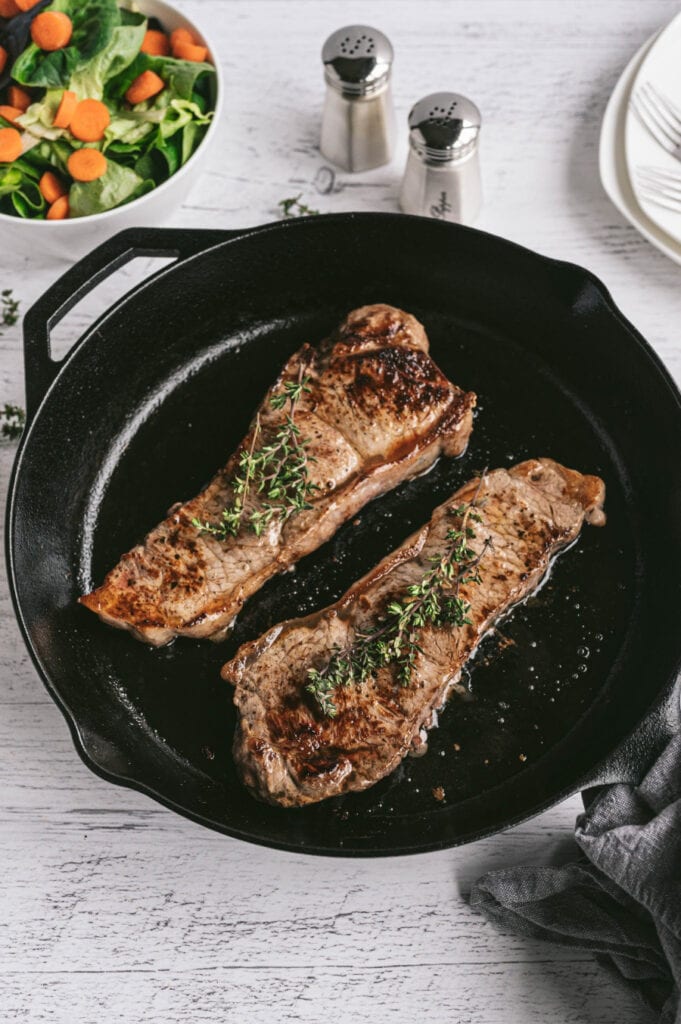
The actual cooking time for a New York strip steak is determined by its thickness and your desired doneness. Remember, these are guidelines, and using an instant-read thermometer is the most accurate way to ensure your steak is cooked to perfection.
Stove-Top Cooking Times per Inch of Thickness (Approximate)
These times are for a 1-inch thick New York strip steak and will need to be adjusted for thicker or thinner cuts. Remember to factor in resting time, which is crucial.
- Rare: 2-3 minutes per side
- Medium-Rare: 3-4 minutes per side
- Medium: 4-5 minutes per side
- Medium-Well: 5-6 minutes per side
- Well-Done: 6+ minutes per side (not generally recommended for this cut)
For a steak that is 1.5 inches thick, you would generally add an extra minute or two per side for each doneness level. For example, a 1.5-inch steak cooked to medium-rare might take approximately 4-5 minutes per side.
Crucial Factors Influencing Cook Time
- Steak Thickness: As mentioned, this is the primary driver of cook time.
- Pan Temperature: A hotter pan will cook the steak faster, requiring less time.
- Starting Temperature of Steak: A steak closer to room temperature will cook faster and more evenly than a cold steak.
- Your Stove’s Heat Output: Different stoves have varying heating capabilities.
- Desired Doneness: This is subjective and the ultimate goal.
The Role of the Instant-Read Thermometer
While timing is helpful, an instant-read thermometer is your best friend for guaranteed results. Insert the thermometer into the thickest part of the steak, avoiding bone or fat.
- Rare: 120-125°F (49-52°C)
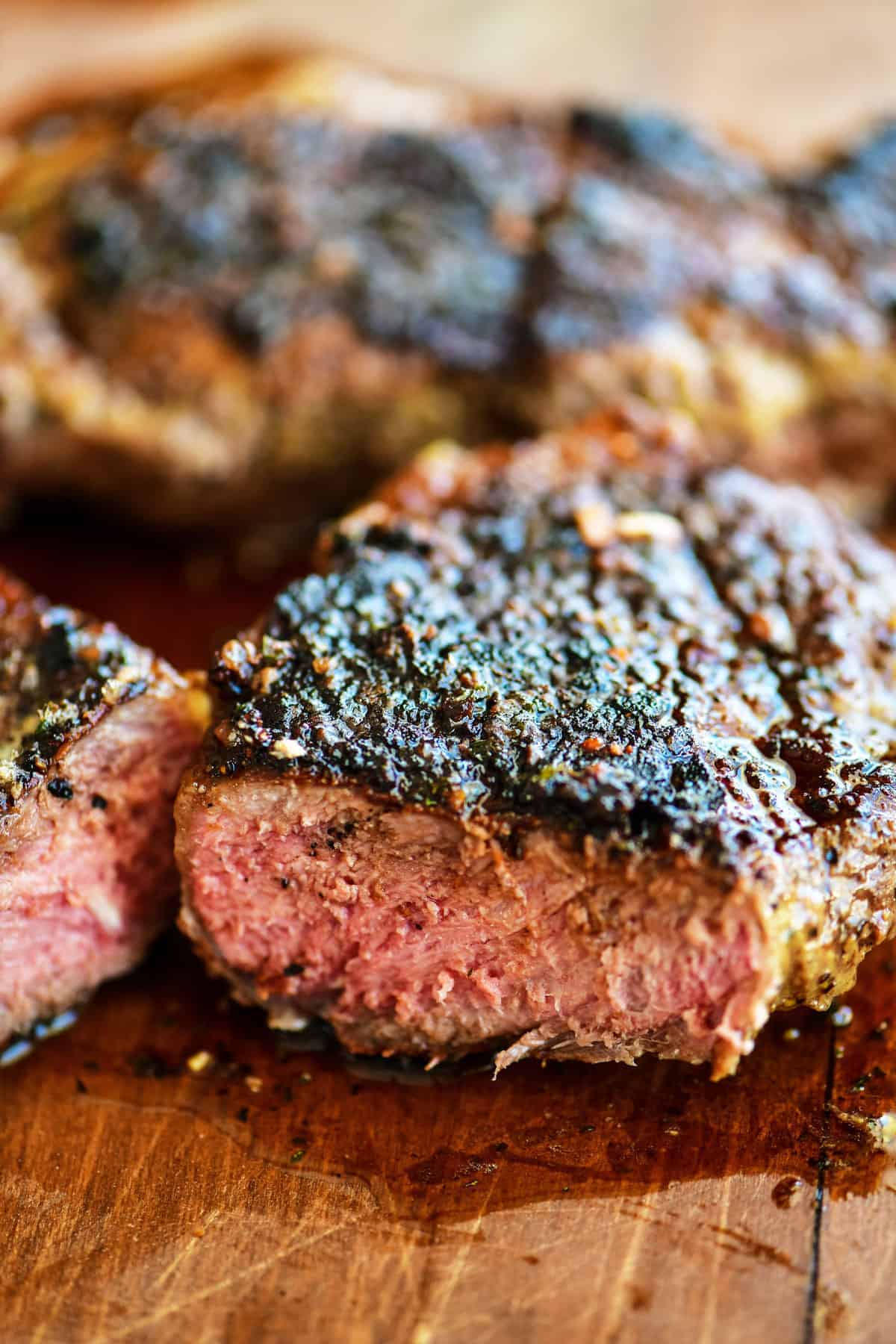
- Medium-Rare: 130-135°F (54-57°C)
- Medium: 135-140°F (57-60°C)
- Medium-Well: 140-145°F (60-63°C)
- Well-Done: 150°F+ (66°C+)
Remember that the steak will continue to cook after you remove it from the pan (carryover cooking), so aim for a few degrees below your target temperature. For example, if you want medium-rare, pull the steak off the heat when it reaches 130-132°F.
Mastering the Flip and the Finish: Ensuring Even Cooking
Achieving a beautifully cooked New York strip involves more than just placing it in a pan. Technique plays a significant role.
The Sear and Flip Technique
Once your pan is hot and oiled, carefully lay the steak down, away from you, to avoid splattering hot oil. Let it sear undisturbed for 2-4 minutes, depending on thickness and desired crust. You’ll see a beautiful brown crust forming. Using tongs, flip the steak and sear the other side for an equal amount of time. Avoid pressing down on the steak with your spatula, as this can push out the flavorful juices.
Basting for Added Flavor (Optional but Recommended)
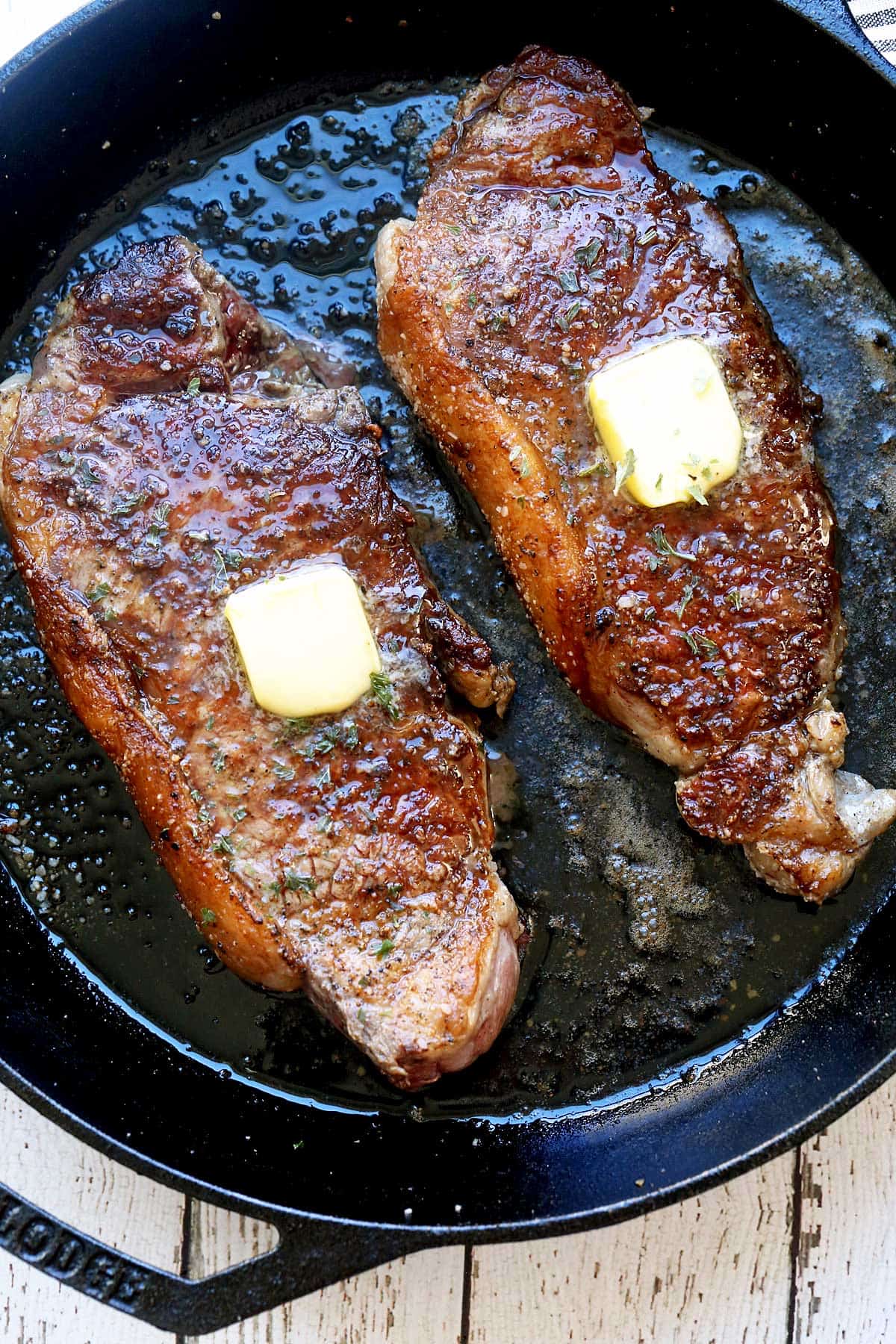
For an extra layer of flavor and moisture, consider basting your steak during the last few minutes of cooking. After flipping the steak, you can add a tablespoon or two of butter to the pan, along with aromatics like crushed garlic cloves and fresh sprigs of thyme or rosemary. Tilt the pan and spoon the melted butter and aromatics over the steak repeatedly. This is a technique often employed in restaurants in cities like Las Vegas and adds a wonderful depth of flavor.
The Crucial Resting Period
Once cooked to your desired temperature, remove the steak from the pan and place it on a clean cutting board or a warm plate. Tent it loosely with aluminum foil and let it rest for at least 5-10 minutes. This allows the juices to redistribute throughout the steak, resulting in a more tender and moist final product. Skipping this step will cause the juices to run out when you cut into the steak, leaving it drier. This resting period is as vital as the cooking itself, much like savoring the quiet moments after a long day of travel exploring ancient landmarks in Rome.
Cutting and Serving Your New York Strip
After resting, slice the steak against the grain. This ensures maximum tenderness. Serve immediately and enjoy your perfectly cooked New York strip. Whether you pair it with a side of roasted vegetables or a classic baked potato, your stovetop masterpiece is ready to impress.
By understanding these principles – from selecting the right cut and preparing it properly to mastering the searing technique and allowing for adequate resting – you can consistently cook a delicious New York strip steak on your stove. It’s a fundamental skill that enhances any home dining experience, proving that incredible culinary achievements don’t always require a trip to a far-off destination or a stay in an extravagant hotel. The journey to the perfect steak begins with simple knowledge and a little practice.
LifeOutOfTheBox is a participant in the Amazon Services LLC Associates Program, an affiliate advertising program designed to provide a means for sites to earn advertising fees by advertising and linking to Amazon.com. Amazon, the Amazon logo, AmazonSupply, and the AmazonSupply logo are trademarks of Amazon.com, Inc. or its affiliates. As an Amazon Associate we earn affiliate commissions from qualifying purchases.