
The allure of the Florida Keys, a chain of tropical islands stretching southwest from mainland Florida, is undeniable. At its southernmost tip lies the vibrant and eclectic Key West, a destination that has captivated travelers for centuries with its unique blend of history, culture, and breathtaking natural beauty. For many embarking on a Florida adventure, the drive from Miami to Key West is a quintessential part of the experience. This iconic road trip, often referred to as driving the Overseas Highway, is not just about the destination; it’s about the journey itself, a picturesque passage over azure waters and through charming island communities.
Understanding the drive time is crucial for planning your Miami to Key West excursion. While the distance may seem manageable on a map, several factors can influence how long it takes to reach this famed island paradise. This guide aims to provide a comprehensive overview of the drive, including the average travel time, the best routes, essential stops along the way, and tips to make your journey as smooth and enjoyable as possible. Whether you’re seeking a quick escape or a leisurely exploration of the Florida Keys, knowing the expected travel duration will help you tailor your itinerary and maximize your time in this sun-drenched archipelago.
The Overseas Highway: A Journey Through Paradise
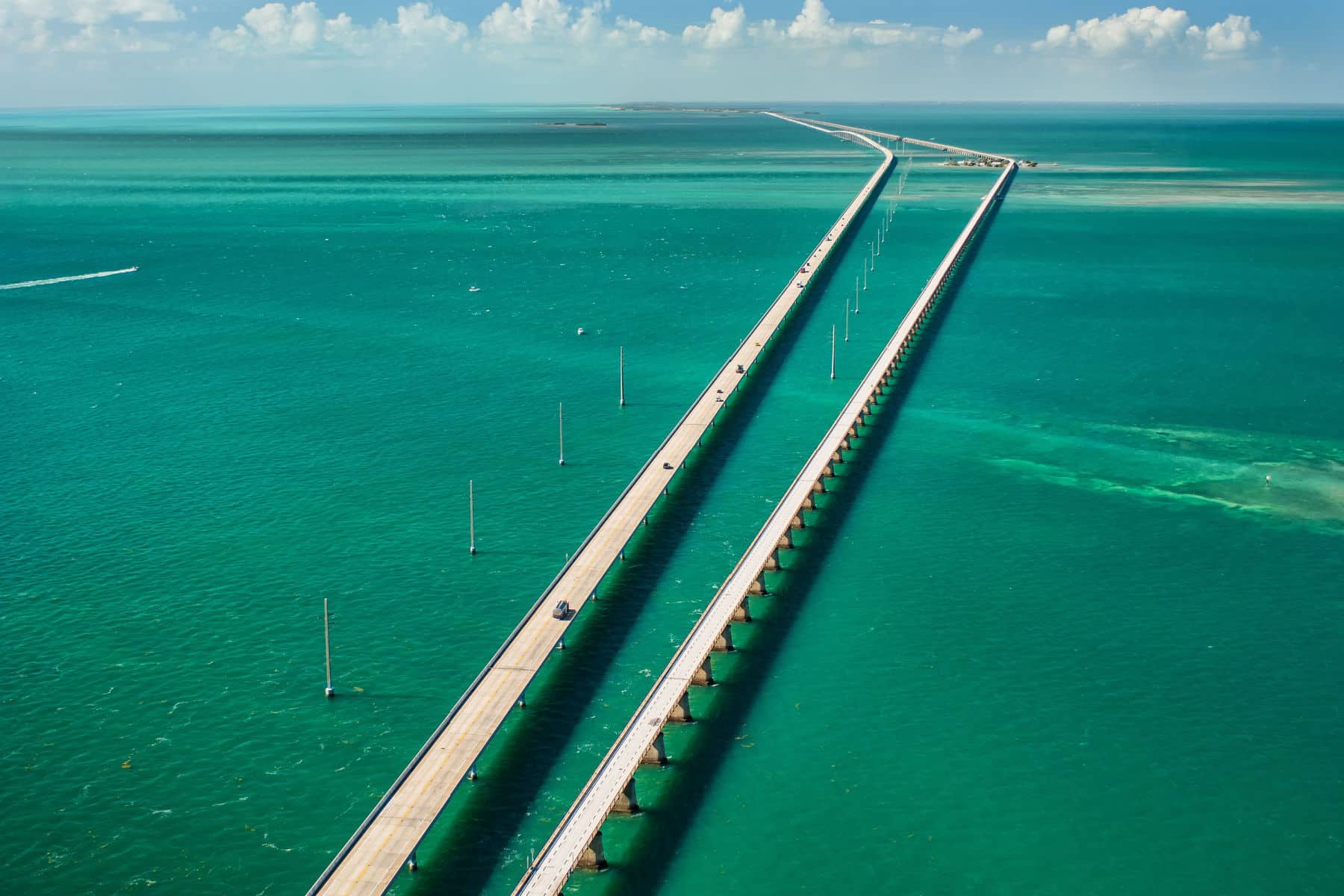
The primary and most scenic route from Miami to Key West is the legendary Overseas Highway, a 113-mile marvel that traverses 42 bridges, connecting 30 islands. This engineering feat, built on the foundation of Henry Flagler’s original Overseas Railroad, offers unparalleled ocean vistas and a true sense of island hopping. The highway itself is largely comprised of US Route 1, a historic and sometimes bustling thoroughfare that transforms into a ribbon of asphalt and concrete seemingly floating on the turquoise waters of the Atlantic Ocean and the Gulf of Mexico.
Driving Time: The Numbers Game
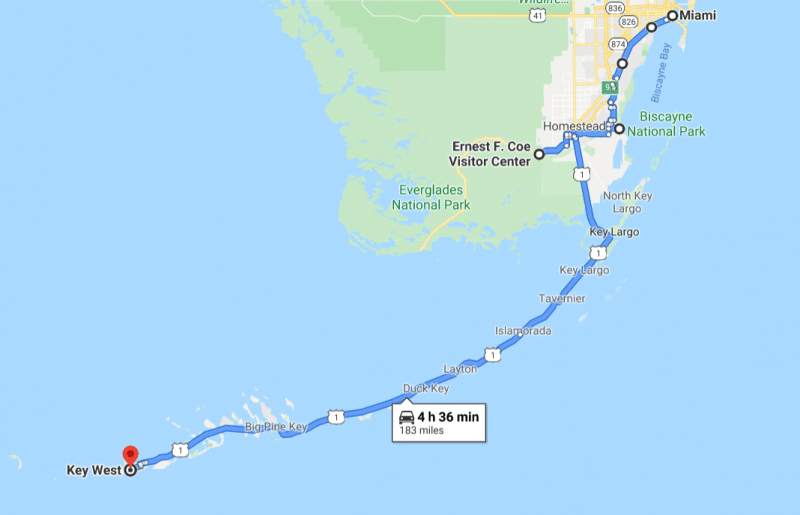
So, how long does it actually take to drive from Miami to Key West? In ideal conditions, with minimal traffic and no extended stops, the drive can be completed in approximately 3.5 to 4 hours. This is the baseline, the quickest possible transit time. However, it’s important to understand that this is rarely the reality for most travelers.
Several elements can significantly impact your journey:
- Traffic: Miami and its surrounding areas are notorious for heavy traffic, especially during peak hours, holidays, and weekends. Departing Miami during rush hour can easily add an extra hour or more to your travel time. Similarly, the roads leading into and out of the Keys can become congested, particularly during tourist season.
- Construction and Roadwork: Like any major highway, the Overseas Highway can be subject to construction or maintenance projects, which can cause delays.
- Weather: While Florida is known for its sunshine, sudden tropical downpours or even hurricanes can affect driving conditions. Reduced visibility and slower speeds may be necessary during inclement weather.
- Vehicle Type and Driving Habits: The speed at which you drive, of course, plays a role. However, the posted speed limits on the Overseas Highway are generally lower than on mainland highways due to the numerous bridges and residential areas.
- Stops: This is perhaps the most significant variable. The Overseas Highway is dotted with charming towns, unique attractions, and breathtaking viewpoints, making it a journey best enjoyed with deliberate pauses. For many, the drive is the experience, and factoring in stops is essential for a fulfilling trip.
To be realistic, most travelers should budget at least 4 to 6 hours for the drive from Miami to Key West, assuming moderate traffic and a couple of brief photo opportunities. If you plan to stop for lunch, explore a particular town, or visit a specific attraction, you could easily extend this to 7-8 hours or even a full day.
Route Planning: Navigating the Overseas Highway
The most straightforward and recommended route begins in Miami. You’ll typically merge onto US-1 South and follow it through the coastal areas of Miami-Dade County and into Monroe County, which encompasses the Florida Keys. The Overseas Highway is essentially a continuous stretch of US-1 for the majority of the journey.
Key points to note about the route:
- Starting Point: Your starting point in Miami will influence the initial leg of your journey. If you’re near Miami International Airport or in the heart of downtown, you’ll need to navigate local roads to reach US-1 South.
- The Bridges: As you proceed south, you’ll encounter the iconic bridges. The most famous is the Seven Mile Bridge (now the Pigeon Key Bridge and the new bridge for vehicular traffic), a testament to human ingenuity. Each bridge offers a unique perspective of the surrounding turquoise waters.
- Island Hopping: The highway connects you through a series of islands, each with its own character. From the Upper Keys like Key Largo and Islamorada to the Middle Keys such as Marathon and the Lower Keys including Big Pine Key, you’ll witness a gradual transition in landscape and atmosphere.
- Navigation: GPS devices and mapping apps are invaluable for this drive. They will help you stay on US-1 and navigate any unexpected detours or local road changes. However, it’s also wise to have a general understanding of the route and the order of the major keys you’ll be passing through.
Essential Stops and Experiences Along the Way
The beauty of driving the Overseas Highway lies in its numerous opportunities for exploration. To truly appreciate the journey, consider incorporating a few key stops into your itinerary. These breaks not only break up the drive but also enrich your understanding of the Florida Keys‘ unique ecosystem, history, and culture.
Upper Keys: Tropical Beginnings
The Upper Keys are the first islands you’ll encounter after leaving mainland Florida, offering a gentler introduction to the Keys’ charm.
- Key Largo: Often called the “Dive Capital of the World,” Key Largo is famous for the John Pennekamp Coral Reef State Park. This underwater wonderland is a must-visit for snorkelers and divers, boasting vibrant coral formations and abundant marine life. Even if you’re not diving, the park offers glass-bottom boat tours, a fantastic way to witness the reef’s beauty. The drive through Key Largo itself is scenic, with lush vegetation and waterfront views.
- Islamorada: Known as the “Sportfishing Capital of the World,” Islamorada is a paradise for anglers. Beyond fishing, the village offers attractions like the Theater of Dreams and the Impulse Art Gallery, showcasing local art. A significant stop here is the Hurricane Monument, a solemn reminder of the devastating 1935 Labor Day Hurricane that destroyed the original Overseas Railroad. For a unique wildlife experience, visit the Theater of the Sea, where you can interact with dolphins and sea lions.
Middle Keys: Nature and History
As you drive further south, the landscape shifts, and the Middle Keys offer a blend of natural wonders and historical significance.
- Marathon: This larger island city is a central hub in the Keys. A highlight is the Turtle Hospital, a dedicated facility for rescuing, rehabilitating, and releasing sea turtles. This is an incredibly rewarding stop, offering insight into conservation efforts. Another must-see is the Pigeon Key historic district, accessible via a charming old train trolley or by walking/biking across the Old Seven Mile Bridge. Pigeon Key was the headquarters for the construction of Flagler’s railroad and offers a fascinating glimpse into that era. The Seven Mile Bridge itself, now separated into the Pigeon Key Bridge and the newer, functional span, is an engineering marvel and offers breathtaking panoramic views.
- Bahia Honda State Park: Located just south of Marathon, Bahia Honda State Park is consistently ranked among the best beaches in the United States. It boasts pristine natural beaches, excellent snorkeling opportunities, and hiking trails. The park offers a tranquil escape and showcases the natural beauty of the Keys before you reach the more developed Lower Keys.
Lower Keys: The Gateway to Key West
The Lower Keys are characterized by their wilder beauty and proximity to the ultimate destination.
- Big Pine Key: This island is home to the endangered Key Deer, a miniature species of white-tailed deer. Driving slowly and observing these gentle creatures in their natural habitat is a unique experience. The National Key Deer Refuge protects these animals, and designated viewing areas offer the best chance to see them, especially at dawn and dusk.
- National Key Deer Refuge: This refuge is crucial for the survival of the Key Deer and other unique wildlife found in the Keys, including the endangered American Crocodile.
Each of these stops offers a unique perspective on the Florida Keys and can easily turn a simple drive into an unforgettable road trip. It’s advisable to spend at least a day or two exploring these islands if time permits, rather than just passing through.
Planning Your Miami to Key West Drive
Successfully navigating the drive from Miami to Key West requires thoughtful planning. Considering the variables discussed, a well-prepared traveler will enjoy a smoother and more rewarding experience. From choosing the right time to depart to packing essentials, a little foresight goes a long way.
Timing Your Departure
The most critical factor in avoiding traffic snarls is the timing of your departure from Miami.
- Weekdays: If possible, aim to drive during the week. Early morning departures (before 7:00 AM) or mid-morning (after 9:30 AM) on weekdays generally offer the least congested routes out of the city. Similarly, the afternoon commute in Miami typically starts around 3:30 PM, so aim to be clear of the city before then.
- Weekends and Holidays: Avoid departing Miami during peak weekend travel times, such as Friday afternoons and Saturday mornings, especially if it’s a holiday weekend. These periods often see the heaviest traffic heading south.
- Return Trip: The same principles apply to your return journey from Key West to Miami. Plan to leave Key West early in the morning to avoid potential traffic delays as you approach Miami.
What to Pack and Bring
The Florida Keys can be hot and humid, so packing appropriately is essential for comfort.
- Sun Protection: Sunglasses, sunscreen, and hats are non-negotiable. The sun’s rays are intense, even on cloudy days.
- Hydration: Carry plenty of water. Staying hydrated is crucial, especially during the warmer months.
- Snacks: While there are numerous eateries along the Overseas Highway, having some snacks on hand can be convenient, especially if you encounter unexpected delays or decide on a spontaneous picnic.
- Comfortable Clothing: Light, breathable clothing is ideal.
- Swimwear: You might find yourself tempted by a spontaneous dip in the ocean or a visit to one of the many beaches.
- Camera/Phone: To capture the stunning scenery. Ensure your devices are fully charged and consider bringing a car charger or power bank.
- Navigation Tools: While GPS is reliable, it’s good to have a physical map or a downloaded offline map as a backup, as cell service can be spotty in certain areas of the Keys.
- Bug Spray: Particularly useful if you plan to visit parks or be outdoors during dawn or dusk.
- First-Aid Kit: A small kit with essentials like bandages, antiseptic wipes, and pain relievers is always a good idea.

Accommodation Options
For those looking to break up the drive or extend their stay in the Florida Keys, a wide range of accommodation options are available.
- Hotels: From charming boutique hotels in Key West to larger resorts in Marathon or Key Largo, there are options for every budget and preference. Consider booking in advance, especially during peak season. Many hotels offer amenities like pools, on-site dining, and ocean views.
- Vacation Rentals: Apartments, villas, and houses can be found in various keys, offering more space and the convenience of a kitchen, which can be ideal for families or longer stays. Websites dedicated to accommodation booking and comparison can help you find suitable properties.
- Resorts: Several resorts throughout the Keys provide a more luxurious experience with extensive amenities, including spas, fine dining, and private beach access.
- Long-term Stay Options: For those seeking an extended visit, various long-term stay options might be available, often in the form of apartments or smaller cottages.
Choosing where to stay will depend on your travel style and the kind of experience you’re seeking. Whether you prefer the vibrant nightlife of Key West, the tranquil beaches of Bahia Honda, or the fishing village atmosphere of Islamorada, the Florida Keys offers diverse settings for an unforgettable getaway. By planning your stops, timing your drive effectively, and packing wisely, your journey from Miami to Key West will be as spectacular as the destination itself.
LifeOutOfTheBox is a participant in the Amazon Services LLC Associates Program, an affiliate advertising program designed to provide a means for sites to earn advertising fees by advertising and linking to Amazon.com. Amazon, the Amazon logo, AmazonSupply, and the AmazonSupply logo are trademarks of Amazon.com, Inc. or its affiliates. As an Amazon Associate we earn affiliate commissions from qualifying purchases.