
Embarking on a road trip to the Sunshine State is a quintessential American adventure. Whether you’re dreaming of the theme parks of Orlando, the vibrant beaches of the Florida Keys, or the historic charm of St. Augustine, understanding the driving time is a crucial first step in planning your journey. The duration of your drive to Florida is not a one-size-fits-all answer; it’s a dynamic calculation dependent on your starting point, chosen route, driving speed, and the number of stops you plan to make. This comprehensive guide will break down the key factors influencing your drive time and offer insights to help you prepare for a smooth and enjoyable transit.
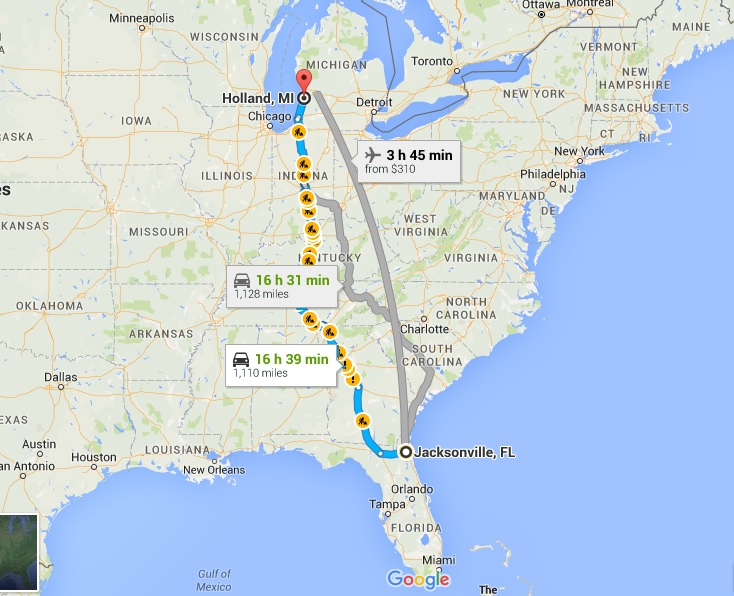
Estimating Your Driving Time: Key Variables
The most significant determinant of how long it will take to drive to Florida is, unequivocally, your point of origin. Travelers originate from every corner of the United States, and even from Canada and beyond. The sheer distance from major metropolitan areas like New York City, Chicago, or Dallas directly translates into substantial driving hours.
Distance and Geographical Proximity
To illustrate, consider the vast differences:
- From the Northeast: A drive from Boston or Philadelphia typically involves covering well over 1,000 miles, often taking 18-24 hours of pure driving time. This usually necessitates at least one overnight stop.
- From the Midwest: Starting in cities like Detroit or Indianapolis means a journey of approximately 12-18 hours, potentially manageable in a single very long day for dedicated drivers, but more comfortably spread over two days.
- From the South: Proximity is a significant advantage here. A drive from Atlanta, for instance, can be as short as 7-9 hours to reach northern Florida destinations like Jacksonville.
- From the West Coast: For those embarking from Los Angeles or San Francisco, the drive is a true cross-country expedition, spanning over 2,500 miles and requiring a minimum of 40-45 hours of driving, typically broken down into 3-4 days.
Route Selection: Interstates vs. Scenic Byways
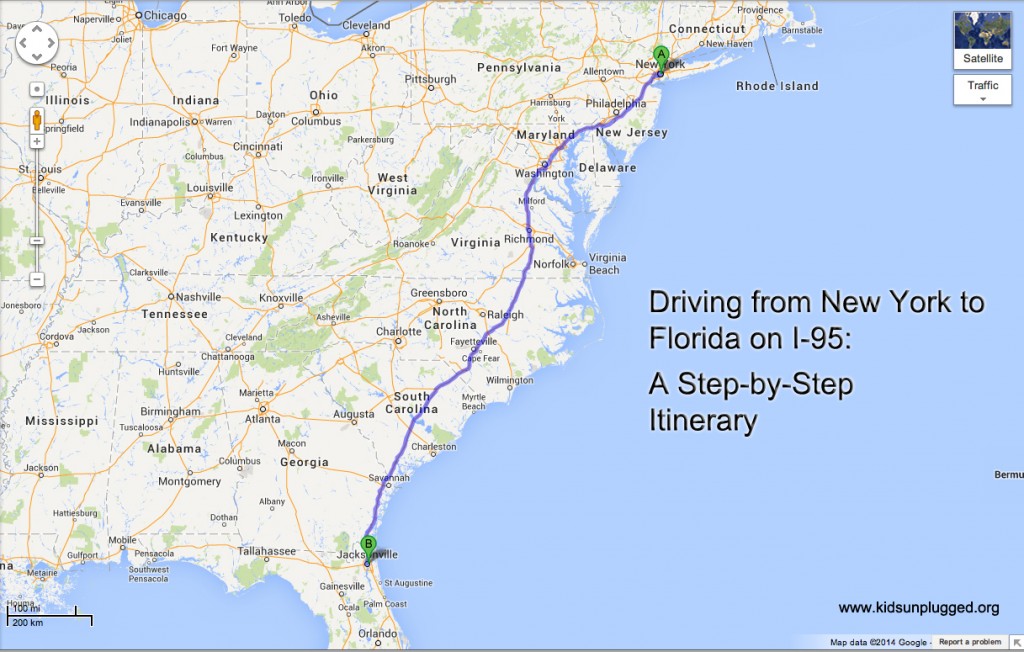
The choice of route plays a pivotal role. The most efficient and common way to travel long distances is via the extensive Interstate Highway System. Major interstates like I-95 along the East Coast, I-75 cutting down through the center of the country, and I-10 across the southern tier of the United States are designed for speed and directness.
However, if your travel style favors scenic beauty and a more relaxed pace, you might opt for state highways or designated scenic byways. While these routes offer picturesque views and charming towns, they are almost always significantly slower due to lower speed limits, more frequent intersections, traffic lights, and slower-moving local traffic. The added time commitment for a more scenic drive can be substantial, often adding several hours or even a full day to your trip.
Driving Speed and Conditions
Your average driving speed is a direct multiplier of your travel time. While posted speed limits are a guide, actual average speeds are influenced by traffic density, road construction, and the type of road. Driving on open interstates at or near the speed limit will naturally result in a quicker journey compared to navigating through urban areas with heavy traffic.
Weather conditions are another critical factor. Driving through storms, heavy rain, fog, or snow (especially if originating from northern regions during winter) can drastically reduce visibility and speed, leading to significant delays. It is always wise to check weather forecasts along your entire route before and during your trip.
Planning for an Efficient Road Trip to Florida
To accurately estimate your drive time and ensure a smooth journey, meticulous planning is essential. This involves leveraging technology, understanding potential pitfalls, and building flexibility into your itinerary.
Utilizing Navigation Tools
Modern navigation applications and GPS devices are invaluable tools for estimating drive times. Apps like Google Maps, Waze, and Apple Maps provide real-time traffic updates, suggest the fastest routes, and offer estimated arrival times. When planning your trip, input your starting address and your intended destination in Florida (e.g., Miami, Tampa, Fort Lauderdale). These tools will provide a baseline estimate that accounts for typical traffic patterns. Remember that these are estimates, and actual times can vary.
The Importance of Stops
No long-distance road trip is truly completed with just hours of continuous driving. Stops for fuel, food, rest breaks, and overnight stays are not just necessities but are crucial for safety and enjoyment. The more stops you plan, the longer your total trip duration will be.
- Fuel Stops: Plan for fuel stops roughly every 300-400 miles, depending on your vehicle’s fuel efficiency and tank size.
- Rest Breaks: Short breaks every few hours to stretch your legs, grab a coffee, or use the restroom are vital for maintaining alertness.
- Meal Stops: Factor in time for sit-down meals, which can add 30-60 minutes per stop.
- Overnight Stays: For drives exceeding 10-12 hours, an overnight stop is highly recommended. This often means booking a hotel in a city roughly halfway to your destination, adding 12-18 hours to your total travel time (including the stop itself). Popular stopping points often include cities like Charlotte, Columbia, or Savannah for those coming from the north.
Calculating Total Travel Time
To get a realistic total travel time, you need to sum the estimated pure driving time with the cumulative time spent on planned stops. For example, a 20-hour driving trip that includes two overnight stops (each averaging 12 hours of downtime) and four 30-minute meal/rest stops would translate to:
20 hours (driving) + 24 hours (overnight stops) + 2 hours (meal/rest stops) = 46 hours total travel time.
This approach provides a much more accurate picture than simply looking at the estimated driving duration.
Maximizing Your Drive: Tips for a Smoother Journey
Beyond just calculating time, strategic planning can make your road trip to Florida more enjoyable and efficient.
Pre-Trip Vehicle Check
Before embarking on any significant road trip, a thorough vehicle check is paramount. Ensure your tires are properly inflated and have adequate tread. Check all fluid levels (oil, coolant, brake fluid, windshield wiper fluid). Test your lights, wipers, and brakes. A well-maintained vehicle reduces the risk of mechanical breakdowns, which can cause significant delays and stress. Consider an oil change and general service if your car is due.
Packing Strategically
Pack smart to minimize time spent searching for items once you’re on the road. Keep essentials like snacks, water bottles, phone chargers, a first-aid kit, a flashlight, and entertainment (music, podcasts, audiobooks) easily accessible. For longer trips, a cooler can save money and time on food stops.
Driving Strategies
- Travel During Off-Peak Hours: If possible, avoid driving through major metropolitan areas during rush hour. Early morning departures or late-night driving (if you are comfortable and well-rested) can significantly reduce transit times through cities.
- Consider Driving Shifts: If traveling with others, take turns driving to reduce driver fatigue. This allows for more continuous progress.
- Stay Informed: Keep an eye on traffic apps and radio traffic reports for any unexpected delays or closures along your route.

Destination Considerations within Florida
It’s important to remember that “Florida” is a large state with diverse destinations. The drive time to the panhandle city of Pensacola will be vastly different from a drive to the southernmost tip of Key West. When planning, identify your specific Florida destination to get the most accurate drive time estimates.
For instance:
- Northern Florida (e.g., Jacksonville, Tallahassee): Shorter drive times from the East Coast and Midwest.
- Central Florida (e.g., Orlando, Tampa): A common destination for many, located centrally and accessible via I-75 and I-4.
- South Florida (e.g., Miami, Fort Lauderdale, Naples): Furthest south, often requiring the longest drive from northern and western starting points.
- Florida Keys (e.g., Key Largo, Key West): Requires driving down the peninsula and then navigating the scenic Overseas Highway, adding significant time.
By carefully considering your starting point, route, desired pace, and the specific Florida destination you aim to reach, you can accurately estimate your drive time and plan a memorable road trip to the Sunshine State.
LifeOutOfTheBox is a participant in the Amazon Services LLC Associates Program, an affiliate advertising program designed to provide a means for sites to earn advertising fees by advertising and linking to Amazon.com. Amazon, the Amazon logo, AmazonSupply, and the AmazonSupply logo are trademarks of Amazon.com, Inc. or its affiliates. As an Amazon Associate we earn affiliate commissions from qualifying purchases.