
Embarking on a transatlantic journey from the bustling metropolis of New York City to the historic charm of London is a staple for many travelers, whether for business or leisure. The question of “How long does it take?” is a fundamental piece of planning, influencing everything from booking departure times to anticipating arrival schedules and the precious hours available for exploration. While a simple flight duration might seem straightforward, the reality is a nuanced interplay of factors that can subtly alter the perceived length of this iconic route. Understanding these variables allows for more informed travel decisions and a smoother transition into your adventure across the pond.
The Direct Flight: A Snapshot of Transatlantic Speed
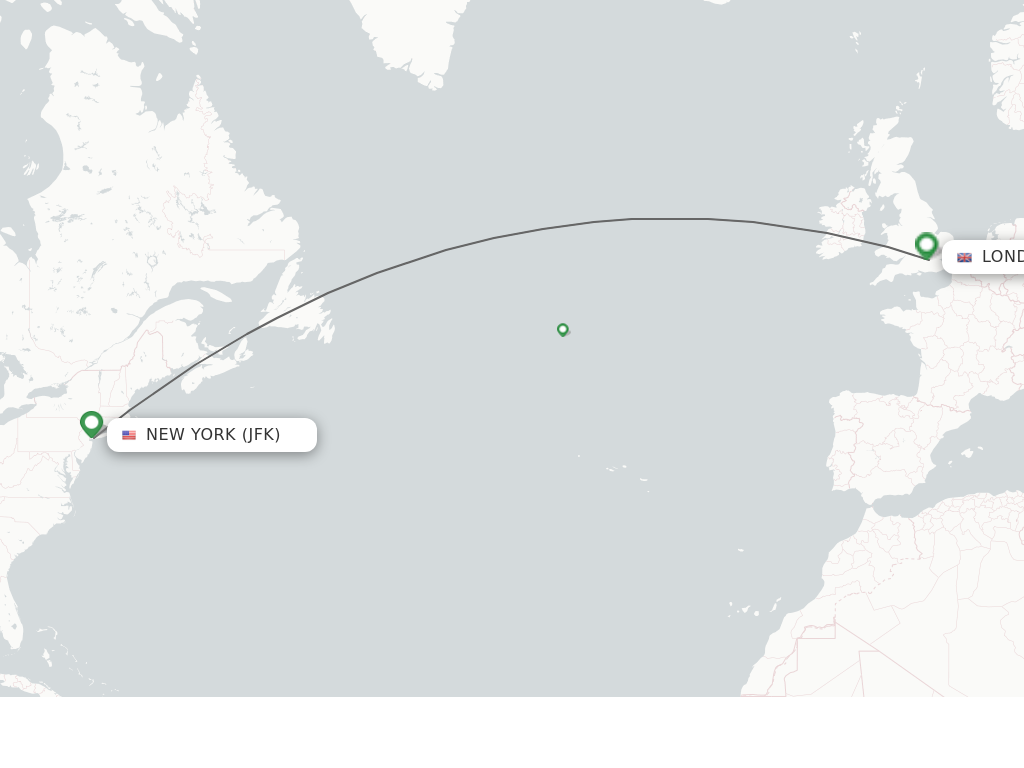
The most anticipated aspect of any flight, particularly one spanning an ocean, is the direct flight time. This is the figure most often quoted by airlines and travel aggregators, representing the crucial window between takeoff and touchdown.
Average Flight Duration
On average, a direct flight from New York to London typically spans between 6 hours and 45 minutes and 7 hours and 30 minutes. This range accounts for the inherent variability in flight paths and conditions. The eastbound journey from New York to London is generally shorter than the westbound return. This difference is primarily due to the prevailing jet stream, a high-altitude current of air that flows from west to east. Flying with the jet stream acts as a significant tailwind, effectively pushing the aircraft along and reducing flight time, whereas flying against it on the return journey requires more power and time to maintain speed.
Key Influencing Factors
While the jet stream is a major player, other elements contribute to the precise duration of a transatlantic flight. These include:
- Aircraft Type and Speed: Different aircraft models possess varying cruising speeds. Larger, more modern jets may be capable of slightly faster speeds, marginally reducing flight time.
- Air Traffic Control and Flight Path: Air traffic control plays a vital role in managing the skies. Congestion at major airports like John F. Kennedy International Airport (JFK) or Heathrow Airport can necessitate holding patterns or slightly altered flight paths, adding minutes to the journey.
- Weather Conditions: Beyond the jet stream, other weather phenomena such as headwinds, tailwinds, or the need to circumnavigate storms can impact flight duration. While commercial aircraft are designed to operate in a wide range of conditions, significant weather events can necessitate detours or slower speeds.
Beyond the Cockpit: Total Travel Time Considerations
The perceived length of a trip is not solely defined by the time spent airborne. The entire travel experience, from leaving your doorstep to arriving at your final destination in London, involves a series of steps that accumulate into the total time invested.
Pre-Flight Essentials: The Airport Experience
The hours before boarding are crucial and can significantly extend your overall travel commitment. This includes:
- Travel to the Airport: Depending on your starting point in New York City, commuting to the airport, whether it’s JFK, Newark Liberty International Airport (EWR), or LaGuardia Airport (LGA), can take anywhere from 45 minutes to over an hour, factoring in traffic.
- Check-in and Bag Drop: Even with online check-in, the process of dropping off checked luggage can involve queues. Airlines typically advise arriving at least three hours prior to an international flight.
- Security Screening: Navigating airport security is a necessary but time-consuming step. The length of the queues can vary significantly based on the time of day, day of the week, and passenger volume.
- Immigration and Passport Control: While most check-in and security happens before boarding, for international travel, the final immigration checks often occur upon arrival. However, in some departure hubs for international flights, there might be pre-clearance procedures.
- Boarding and Taxiing: The boarding process itself, including finding your seat and stowing luggage, takes time. Following boarding, the aircraft will taxi to the runway, which can also add a considerable period before actual takeoff.
Post-Flight Procedures: Arriving in London
Once your aircraft touches down at a London airport, such as Heathrow or Gatwick Airport, the journey isn’t quite over.
- Disembarking: Exiting the aircraft can take some time, especially if you are seated towards the rear of the plane or if there are delays in opening the doors.
- Immigration and Passport Control: This is often one of the most significant waiting periods upon arrival. The efficiency of UK Border Force, the number of officers on duty, and the volume of arriving passengers will dictate how long you spend in this queue.
- Baggage Claim: Collecting checked luggage can add another 20-45 minutes, depending on how quickly your bags are brought to the carousel and how long it takes to locate yours.
- Customs Declaration: A brief process where you declare any goods that exceed the duty-free allowances.
- Travel to Your Final Destination: From the airport, you will need to arrange transportation to your hotel or accommodation. This can involve the Heathrow Express train, the London Underground, taxis, or ride-sharing services, each with its own travel time and cost.
Optimizing Your Journey: Tips for a Quicker Arrival
While you cannot control the flight time itself, several strategies can help streamline your travel experience and minimize the overall time spent from New York to London.
Strategic Booking and Preparation
The decisions you make before you even leave for the airport can have a ripple effect on your total travel time.
- Choose Flights Wisely: Opting for direct flights is paramount to minimizing transit times. Consider the departure and arrival times of flights; early morning departures from New York might coincide with fewer morning rush-hour travelers at the airport. Similarly, flights arriving in London during off-peak hours could mean shorter immigration queues.
- Pack Light: Traveling with only carry-on luggage bypasses the lengthy process of checking bags and waiting at baggage claim, saving a significant amount of time upon arrival.
- Utilize Airport Technology: Many airports offer expedited security lanes for certain passengers (e.g., frequent flyers, premium cabin passengers). Researching and utilizing these can shave valuable minutes off your pre-flight wait. Ensure all liquids and electronics are easily accessible for quick removal during security.
- Pre-Book Airport Transfers: Having your onward transportation from the London airport pre-arranged can save time and reduce stress upon arrival. This is especially true if you’re opting for a private car service or a specific express train.
During the Flight: Maximizing Comfort and Minimizing Jet Lag
While the flight duration is fixed, how you spend your time in the air can influence your arrival readiness and the perception of the journey’s length.
- Stay Hydrated and Move: Long flights can lead to dehydration and stiffness. Drinking plenty of water and taking short walks up and down the aisle can improve comfort and make the hours feel less arduous.
- Adjust to Local Time: As soon as you board, try to adjust your watch and your mindset to London time. This proactive approach can help mitigate jet lag upon arrival, making your first day of exploration more productive and enjoyable, effectively reducing the “lost” feeling often associated with long-haul travel.
- Entertainment and Relaxation: Prepare for the flight by downloading movies, books, or podcasts. Engaging in activities you enjoy can make the time pass more quickly and reduce the feeling of being “stuck” in transit.
By considering all these elements – from the flight itself to the airport procedures and proactive preparation – one gains a comprehensive understanding of the total time commitment involved in flying from New York to London. This holistic view transforms a simple query about flight duration into a strategic guide for optimizing your transatlantic travel experience.
LifeOutOfTheBox is a participant in the Amazon Services LLC Associates Program, an affiliate advertising program designed to provide a means for sites to earn advertising fees by advertising and linking to Amazon.com. Amazon, the Amazon logo, AmazonSupply, and the AmazonSupply logo are trademarks of Amazon.com, Inc. or its affiliates. As an Amazon Associate we earn affiliate commissions from qualifying purchases.